Decidual Cast: Causes, Symptoms, and Treatment
Understanding decidual cast: A rare uterine condition affecting menstruation and pregnancy.
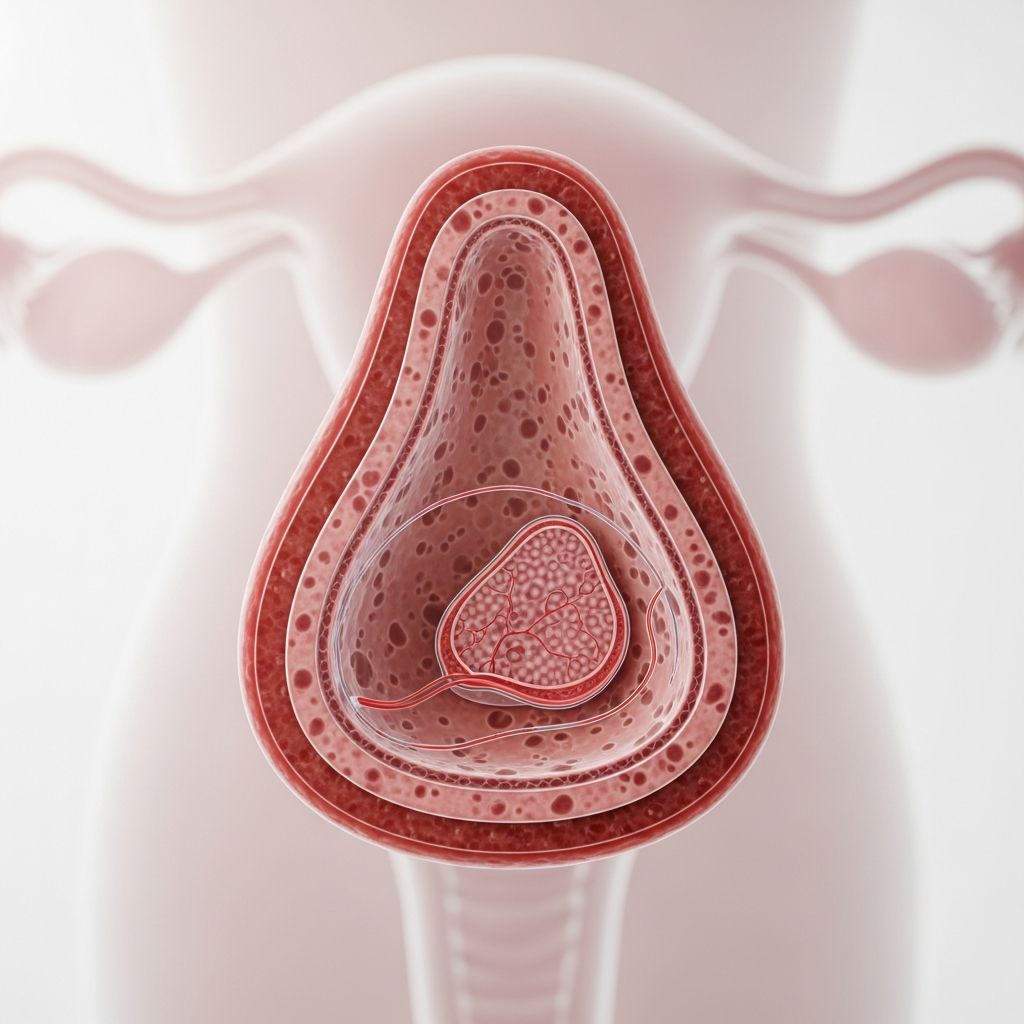
Decidual Cast: Understanding a Rare Menstrual Condition
A decidual cast is a rare gynecological condition in which the thick mucus lining of the uterus, known as the decidua, sheds in one large, intact piece rather than breaking apart gradually during menstruation. This phenomenon is also medically referred to as membranous dysmenorrhea. When this occurs, the tissue often maintains the triangular or cone-shaped structure of the uterine cavity, creating what appears to be a mold or cast of the uterus itself. Understanding this condition is important for women who experience it, as it can be alarming and is often misdiagnosed as a miscarriage or other serious gynecological emergency.
The rarity of this condition cannot be overstated. As recently as 2021, fewer than 40 cases had been documented in medical literature over the preceding 109 years, making it an exceptionally uncommon occurrence. Despite its rarity, increased awareness through social media and patient advocacy has brought more attention to this condition, helping women recognize symptoms and seek appropriate medical evaluation.
What Exactly Is a Decidual Cast?
To understand a decidual cast, it is helpful to first understand what the decidua is. The decidua is the functional layer of the endometrium, which is the lining of the uterus. This specialized tissue layer is designed to prepare for pregnancy after ovulation. When the corpus luteum produces progesterone following ovulation, it signals cells in the endometrium to undergo changes in a process called decidualization. This preparation makes the tissue receptive to a newly conceived embryo and supports placental development.
Normally during menstruation, this lining sheds gradually in small pieces over several days. However, in a decidual cast, this entire lining is expelled as a single, cohesive mass of tissue. Because the tissue maintains the shape of the uterine cavity, it resembles a cast or mold—similar to a plaster cast used for a broken bone. The term “cast” is thus used because the expelled tissue mirrors the interior structure of the uterus itself.
Physical Characteristics and Appearance
A decidual cast typically ranges in size from a walnut to a small lime, though some sources describe it as being approximately the size of a palm. Since an adult uterus measures roughly three inches long and two inches wide, the decidual cast usually reflects these dimensions. The tissue often appears as a solid, fleshy mass with a smooth or slightly textured surface that may feel firm or rubbery.
The color of decidual cast tissue can vary considerably, ranging from pale whitish-gray to darker grayish-brown hues, often interspersed with blood. The triangular or cone-shaped structure is particularly distinctive, making it visually identifiable as a mold of the uterine cavity. This unusual appearance is precisely what makes passing a decidual cast such a startling experience for those who encounter it.
Symptoms of a Decidual Cast
The symptoms associated with a decidual cast closely resemble those of a heavy menstrual period, though they tend to be significantly more intense. Because the entire cast is expelled at once, rather than gradually over several days, women often experience a sudden, dramatic onset of symptoms.
Related Stories



Common symptoms include:
- Sudden and intense cramping in the lower abdomen and pelvis
- Heavy vaginal bleeding, often appearing as large blood clots
- Severe pelvic pain
- Nausea and vomiting
- Dizziness or lightheadedness
- Bloating
- Passage of a large piece of tissue
The intensity of these symptoms, particularly the cramping, distinguishes a decidual cast from a typical menstrual period. Women frequently describe the cramping as far more severe than their usual period cramps, occurring suddenly when the large mass of tissue is expelled. This dramatic presentation often causes considerable alarm and frequently leads to women believing they are experiencing a medical emergency or miscarriage.
Causes and Risk Factors
The exact cause of decidual cast formation remains unclear despite ongoing medical research. However, healthcare providers have identified several factors that may be associated with this condition. Hormonal contraceptives containing progesterone are among the most commonly cited potential triggers. This includes intrauterine devices (IUDs) that release progesterone, as well as hormonal birth control pills.
An important distinction must be made regarding pregnancy and decidual casts. While decidual casts can sometimes indicate an ectopic pregnancy—a pregnancy developing outside the uterus, typically in a fallopian tube—most women who experience a decidual cast are not pregnant. However, when a decidual cast does occur during pregnancy, it may indicate a serious condition requiring immediate medical attention. The tissue passed in such cases is only the uterine lining (decidua), not pregnancy tissue, which can be a red flag for ectopic pregnancy.
Other potential causes and contributing factors may include:
- Hormonal imbalances
- Use of progesterone-based contraceptives
- Underlying endometrial conditions
- Certain medications
- Structural abnormalities of the uterus
Diagnosis and Medical Evaluation
If you suspect you have passed a decidual cast, it is important to seek medical evaluation. Bring the tissue or even a photograph of it to your healthcare provider to assist in confirmation. Your doctor will perform a comprehensive evaluation that typically includes:
Physical and Pelvic Examination: Your healthcare provider will conduct a thorough physical examination and pelvic exam to assess your reproductive anatomy and rule out other conditions.
Imaging Studies: A transvaginal ultrasound or pelvic ultrasound is often ordered to examine the uterus and endometrium. This imaging helps confirm that all tissue has been properly expelled and identifies any remaining abnormalities.
Pregnancy Testing: A blood test for human chorionic gonadotropin (hCG) and possibly a urine pregnancy test will be performed to determine whether you are pregnant. This is particularly important because decidual casts can indicate ectopic pregnancy.
Medical History: Your doctor will ask detailed questions about your symptoms, their onset, duration, and severity, as well as any medications you are taking, particularly hormonal contraceptives.
Differential Diagnosis: Before confirming a decidual cast diagnosis, your healthcare provider must rule out other conditions that produce similar symptoms, including:
- Miscarriage
- Ectopic pregnancy
- Uterine polyps
- Benign or cancerous tumors
- Endometrial hyperplasia
- Infection or inflammation
Due to the rarity of decidual casts and limited information in current medical literature and textbooks, this condition is often underdiagnosed or misdiagnosed, which underscores the importance of seeking a thorough evaluation and potentially consulting with a reproductive endocrinologist if initial evaluations are inconclusive.
Distinguishing from Other Conditions
Decidual cast is frequently confused with miscarriage, as both involve the passage of tissue through the vagina. However, these are distinct conditions with different causes and implications. A miscarriage involves the loss of pregnancy tissue, including the gestational sac and embryonic tissue, whereas a decidual cast involves only the shedding of the uterine lining without pregnancy loss. Proper diagnosis is critical because the presence of a decidual cast during pregnancy can indicate an ectopic pregnancy, which requires urgent medical intervention.
Ectopic pregnancy represents the most serious potential association with decidual cast. If a woman has a positive pregnancy test and passes tissue that does not contain products of conception such as a gestational sac or embryo, the pregnancy is developing outside the uterus. Even after passing the decidual cast, the pregnancy continues to develop abnormally and poses significant health risks to the mother, requiring immediate medical treatment.
Treatment and Management
Most women who pass a decidual cast do not require specific medical intervention beyond monitoring. The tissue is typically expelled in one complete piece, and once this occurs, symptoms generally resolve almost immediately. Relief from cramping, bleeding, and other discomfort usually follows within minutes to hours of the tissue passage.
After passing a decidual cast, your healthcare provider will likely recommend:
- A follow-up transvaginal ultrasound to confirm complete expulsion of the tissue and assess uterine integrity
- Monitoring for any signs of infection or complications
- Discussion of hormonal contraceptive use, particularly if an IUD or progesterone-based method was in place
- Symptomatic treatment with over-the-counter pain relievers if needed for residual discomfort
If an ectopic pregnancy is identified, immediate medical or surgical intervention is necessary to address this life-threatening condition. Treatment options for ectopic pregnancy may include medication to stop cell growth or surgical removal of the pregnancy tissue.
Prognosis and Long-Term Outlook
The prognosis for women who experience a decidual cast is generally excellent. This condition is not a sign of a long-term serious health problem, and there are no documented cases of significant long-term negative side effects. Once the tissue is passed and confirmed to be a decidual cast through medical evaluation, no further complications typically occur.
The likelihood of experiencing another decidual cast is very low. Most women will never experience this condition again, even if they continue using the same contraceptive method or experience similar hormonal conditions. Each menstrual cycle typically proceeds normally without further episodes.
When to Seek Medical Attention
While decidual cast itself is not dangerous, certain symptoms warrant immediate medical evaluation:
- Severe abdominal or pelvic pain that does not improve with pain medication
- Passage of large quantities of tissue or large blood clots
- Excessive vaginal bleeding lasting more than a few hours
- Signs of shock, including severe dizziness, fainting, or rapid heartbeat
- Fever or signs of infection
- Any doubt about whether you are pregnant
- Positive pregnancy test followed by passage of tissue
Frequently Asked Questions
Q: Is a decidual cast the same as a miscarriage?
A: No. A decidual cast is the shedding of uterine lining only and does not represent pregnancy loss. A miscarriage involves loss of pregnancy tissue. However, if a decidual cast occurs during pregnancy, it may indicate an ectopic pregnancy, which requires medical treatment.
Q: Can a decidual cast cause long-term complications?
A: No. There are no documented cases of long-term complications from decidual cast. Once the tissue is passed, the condition resolves completely with no lasting effects.
Q: Will I have another decidual cast?
A: The likelihood of experiencing another decidual cast is very low. Most women never experience this condition again.
Q: Should I stop using my IUD or hormonal contraceptive?
A: Discuss this with your healthcare provider. While progesterone-based contraceptives may be associated with decidual cast, not all women using these methods experience the condition. Your provider can help determine whether continuing or changing contraception is appropriate.
Q: What should I do if I pass what might be a decidual cast?
A: Save the tissue or take a photograph and contact your healthcare provider immediately. Bring it to your appointment to help confirm the diagnosis through physical examination and testing.
References
- Decidual Cast — Cleveland Clinic. 2024. https://my.clevelandclinic.org/health/diseases/24742-decidual-cast
- Decidual Cast: What Is It? — WebMD. 2024. https://www.webmd.com/women/decidual-cast-what-is-it
- Decidual Cast: What Is It, Causes, and Treatment — HealthCentral. 2024. https://www.healthcentral.com/womens-health/decidual-cast
- What is a decidual cast and what does it mean if you have one? — Natural Womanhood. 2023. https://naturalwomanhood.org/decidual-cast/
- Decidual Cast and IUD: An Expert Guidance — Rupa Health. 2024. https://www.rupahealth.com/post/decidual-cast-and-iud-an-expert-guidance
Similar Articles








Read full bio of Sneha Tete