Decidual Cast: Complete Guide to Symptoms, Causes and Treatment
Discover what a decidual cast is, its alarming symptoms, causes like hormonal shifts and IUDs, diagnosis, and when to seek medical help.
A
decidual cast
is a rare medical phenomenon where the entire lining of the uterus (endometrium) sheds all at once in one intact piece, rather than the typical gradual shedding during menstruation. This event can be alarming due to its appearance and accompanying symptoms like intense cramping and heavy bleeding, often leading individuals to mistake it for a miscarriage or other serious condition.While generally not life-threatening, passing a decidual cast warrants medical attention to rule out underlying issues such as hormonal imbalances, effects from contraceptives, or reproductive health conditions. This comprehensive guide covers everything from symptoms and causes to diagnosis, treatment, and prevention, drawing on insights from medical experts and case studies.
What Is a Decidual Cast?
The endometrium, or uterine lining, thickens each month in preparation for potential pregnancy. If no pregnancy occurs, it typically breaks down and exits as menstrual blood and tissue fragments. In the case of a decidual cast—also known as membranous dysmenorrhea—the entire lining detaches as a single, solid mass that molds to the shape of the uterus.
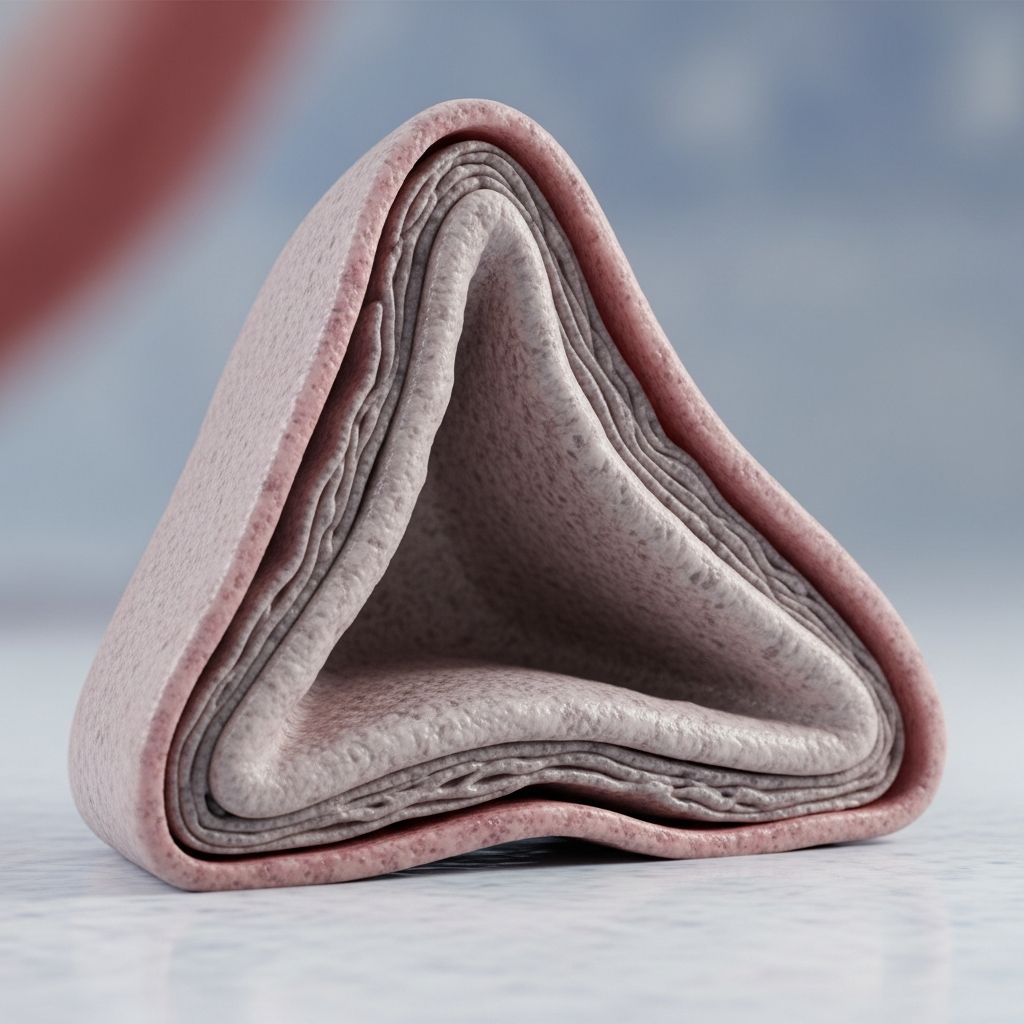
This “cast” resembles a triangular or pear-shaped structure, approximately 3 inches long and 2 inches wide, matching the adult uterus dimensions. It appears as a fleshy, whitish-gray or grayish-brown blob mixed with blood, which can be shocking when passed during a period. The term “cast” derives from its mold-like form, similar to a plaster cast of a limb.
Decidual casts are uncommon, with limited epidemiological data, but they are documented in medical literature and often linked to hormonal disruptions. They are not embryonic or fetal tissue, distinguishing them from miscarriage products.
Symptoms of a Decidual Cast
Passing a decidual cast is often described as intensely painful, akin to labor or birthing a small object. Key symptoms include:
- Severe abdominal or pelvic cramps: Sudden, sharp pain that may radiate to the back or thighs, peaking as the cast is expelled.
- Heavy vaginal bleeding: Profuse flow accompanying the tissue passage, sometimes with clots.
- Visible intact tissue: A large, triangular or cone-shaped mass, often 7-8 cm long, grayish or beige with blood streaks.
- Sensation of expulsion: Feeling of pressure or something “slipping out,” followed by immediate cramp relief.
- Other signs: Nausea, dizziness, or fatigue due to pain and blood loss; symptoms typically resolve quickly post-expulsion.
Women frequently report panic, mistaking it for miscarriage, placental tissue, or even cancer. However, unlike clots (which are smaller and gel-like), a decidual cast maintains the uterus’s inverted shape.
Causes of Decidual Casts
The exact mechanism remains unclear, but decidual casts arise from abnormal endometrial shedding, often triggered by hormonal fluctuations. Progesterone, which stabilizes the lining, drops sharply, causing en masse detachment. Common causes include:
- Hormonal contraceptives: Progestin-only pills, implants, or IUDs (e.g., Mirena) can disrupt cycles, leading to casts in 1-2% of users.
- Intrauterine devices (IUDs): Particularly progestin-releasing types alter endometrial growth, increasing cast risk; copper IUDs less commonly implicated.
- Hormonal imbalances: Conditions like polycystic ovary syndrome (PCOS), endometriosis, or thyroid disorders cause progesterone/estrogen swings.
- Stress or lifestyle factors: High cortisol can mimic hormonal shifts, though evidence is anecdotal.
- Other triggers: Ectopic pregnancy, infections, or rare inflammatory processes; very early miscarriage (before fetal development) may mimic it.
Related Stories



Recurrent casts may signal chronic issues like endometrial hyperplasia or reproductive tract abnormalities.
How Is a Decidual Cast Diagnosed?
Diagnosis begins with a detailed history: symptoms, cycle patterns, medications (especially hormones/IUDs), and pregnancy possibility. Providers recommend preserving the tissue in a clean container or taking photos for examination.
Standard steps include:
- Pregnancy test: To exclude miscarriage or ectopic pregnancy.
- Pelvic exam: Checks for tenderness, growths, or infection.
- Ultrasound: Visualizes uterus for retained tissue, fibroids, or abnormalities.
- Blood tests: Hormone levels (progesterone, thyroid), infection markers if needed.
- Biopsy (rare): If malignancy suspected, though uncommon.
No single test confirms a cast definitively post-expulsion; diagnosis is clinical, ruling out differentials like miscarriage or polyps.
Treatment for Decidual Cast
Isolated events often require no specific treatment beyond symptom management: NSAIDs (ibuprofen) for pain, heating pads, and hydration. Severe cases may need:
- Pain relief: Prescription anti-inflammatories or antispasmodics.
- Hormonal therapy: Combined oral contraceptives to regulate cycles and prevent recurrence.
- IUD adjustment: Removal or switch if implicated.
- Underlying condition management: PCOS meds (metformin), endometriosis treatment (GnRH agonists), or surgery for structural issues.
For recurrent cases, ongoing monitoring and tailored plans are essential.
Risk Factors and Prevention
| Risk Factor | Description | Prevention Strategy |
|---|---|---|
| Hormonal birth control | Progestin dominance disrupts shedding | Monitor cycles; consider alternatives like copper IUD |
| IUD use | Local hormone effects on endometrium | Regular check-ups; early symptom reporting |
| PCOS/Endometriosis | Imbalanced hormones | Treat root cause; lifestyle management |
| Stress | Cortisol interferes with progesterone | Stress reduction (yoga, therapy) |
| Age 20-40 | Peak reproductive years | Annual gyn exams |
Prevention focuses on cycle stability: consistent contraception, managing comorbidities, and prompt evaluation of irregular bleeding.
Decidual Cast vs. Miscarriage: Key Differences
| Feature | Decidual Cast | Miscarriage |
|---|---|---|
| Tissue Shape | Intact uterus mold (triangle/pear) | Fragmented, bloody chunks |
| Pain | Sudden, labor-like, resolves quickly | Prolonged cramping |
| Pregnancy Test | Negative | Often positive |
| Timing | Anytime post-conception | |
| Recurrence | Possible with triggers | Typically isolated |
Always confirm with a provider, as early miscarriages can resemble casts.
When to See a Doctor
Seek immediate care if:
- Fever >100.4°F, foul discharge: Infection risk.
- Heavy bleeding soaking >1 pad/hour: Hemorrhage.
- Pregnancy possibility or positive test: Ectopic risk.
- Recurrent episodes: Underlying pathology.
- Severe pain unresponsive to OTC meds: Complications.
Even without urgency, follow up within 1-2 cycles for evaluation.
Outlook and Living with Decidual Casts
Most cases are benign with excellent prognosis; recurrence is rare without triggers. Address root causes to restore normal cycles. Fertility is unaffected unless tied to conditions like PCOS. Emotional support is key, as the event causes anxiety—counseling may help.
Frequently Asked Questions (FAQs)
Is a decidual cast dangerous?
No, it’s typically harmless but signals potential hormonal issues needing evaluation.
Can an IUD cause a decidual cast?
Yes, especially progestin IUDs, due to endometrial changes.
How do I know if it’s a cast or miscarriage?
Shape, negative pregnancy test, and exam distinguish them; see a doctor.
Will it affect fertility?
Usually not, but recurrent cases may indicate treatable conditions.
Can stress cause it?
Possibly, via hormonal disruption, though not primary.
References
- What is a “Decidual Cast” & When to See Your OBGYN — Dr. Chadi Haddad, OBGYN. 2023. https://drhaddad.org/blog/decidual-cast-obgyn-dearborn-heights/
- Decidual Cast and IUD: An Expert Guidance — Rupa Health. 2024. https://www.rupahealth.com/post/decidual-cast-and-iud-an-expert-guidance
- Decidual Cast: What Is It, Causes, and Treatment — Health Central. 2023. https://www.healthcentral.com/womens-health/decidual-cast
- Decidual Casts: What They Mean for Your Health — Your Health Magazine. 2024. https://yourhealthmagazine.net/article/infertility/decidual-casts-what-they-mean-for-your-health-and-how-to-differentiate-them-from-clots/
- Decidual Cast: What It Is, Symptoms, and When to Seek Help — Healthline. 2022-05-02. https://www.healthline.com/health/womens-health/decidual-cast
- Decidual cast: What it is, causes, risks, and more — Medical News Today. 2023. https://www.medicalnewstoday.com/articles/decidual-cast
Similar Articles








Read full bio of Sneha Tete