Abnormal Pap Smear Results: 6 Types Explained And What To Do
Navigate the confusion of abnormal Pap results with clear explanations of terms, causes, and next steps for effective cervical health management.
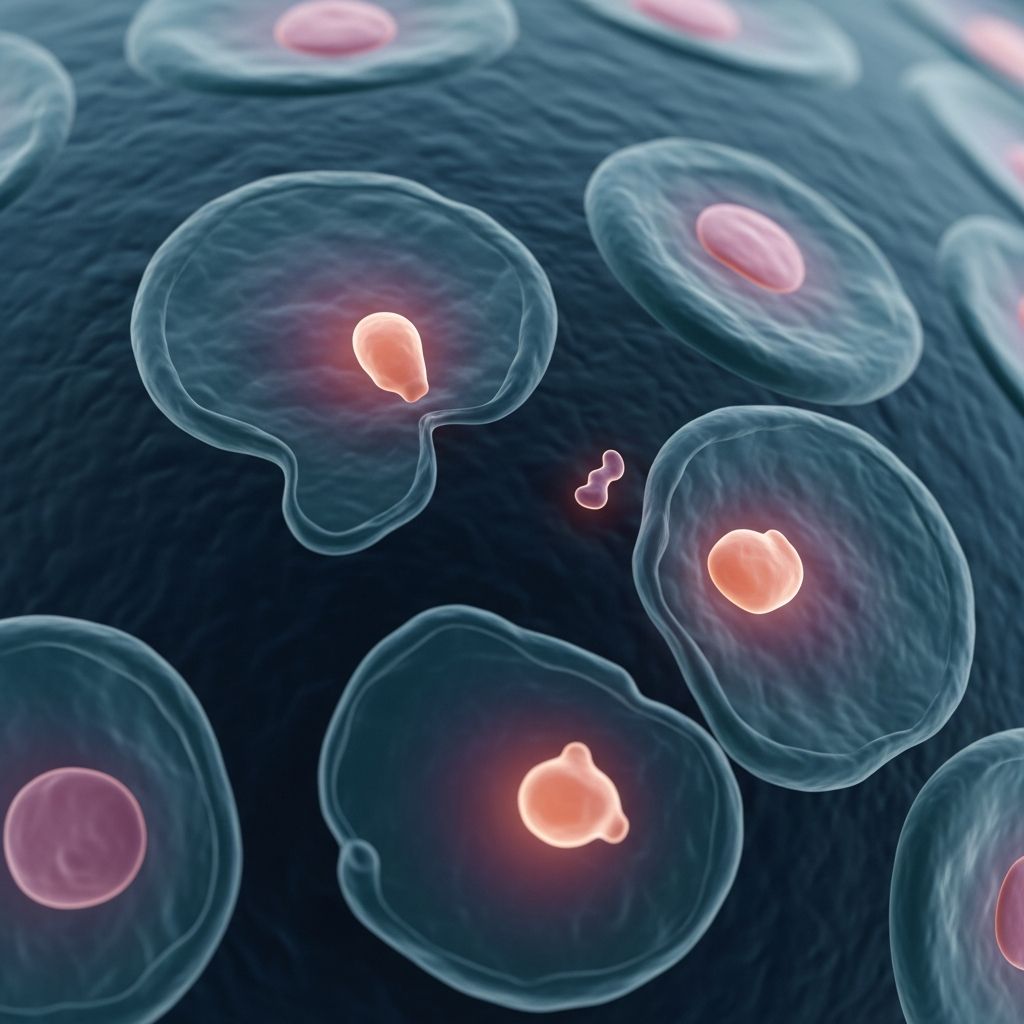
Cervical screening through Pap smears is a vital tool for detecting potential issues in the cervix early, often before they become serious. An abnormal result indicates cellular changes but rarely means cancer has developed. This guide breaks down the terminology, underlying causes, diagnostic follow-ups, and management strategies to help you make informed decisions about your health.
The Basics of Pap Smear Testing
A Pap smear, also known as a Pap test, involves collecting cells from the cervix during a pelvic exam. These cells are examined under a microscope to identify any irregularities. Regular screening is recommended starting at age 21 or 25, depending on guidelines, and typically every 3 to 5 years thereafter, often combined with HPV testing for women over 30.
Results fall into three broad categories: normal, unclear or unsatisfactory, and abnormal. Normal means no concerning changes. Unsatisfactory results occur when the sample is inadequate—due to insufficient cells, blood, or mucus obscuring the view—requiring a repeat test soon after. Abnormal findings, the focus here, signal variations in cell appearance that warrant further investigation.
Common Types of Abnormal Findings
Abnormal Pap results use specific codes to describe cell changes. Understanding these empowers patients to discuss results confidently with providers. Here’s a breakdown of the most frequent ones:
- ASC-US (Atypical Squamous Cells of Undetermined Significance): The most prevalent abnormal result, where squamous cells (surface cells of the cervix) appear slightly off but the cause is unclear. Often linked to HPV, infections, or hormonal shifts.
- LSIL (Low-Grade Squamous Intraepithelial Lesion): Indicates mild cellular abnormalities, usually from HPV. These changes frequently resolve without intervention as the body clears the virus.
- HSIL (High-Grade Squamous Intraepithelial Lesion): More concerning moderate to severe changes, strongly associated with persistent HPV. Untreated, these can progress, but treatment is highly effective.
- ASC-H (Atypical Squamous Cells, Cannot Exclude HSIL): Suggests possible high-grade issues alongside atypical cells, prompting closer examination.
- AGC (Atypical Glandular Cells): Involves glandular cells that look unusual, potentially signaling issues higher in the reproductive tract like the uterus.
- AIS (Adenocarcinoma In Situ): Pre-cancerous changes in glandular tissue, rare but serious if not addressed.
Notably, detecting actual cancer cells on a Pap is uncommon in screened populations, as routine testing catches issues early.
Why Do Cells Appear Abnormal?
Several factors can alter cervical cells without indicating cancer. Human papillomavirus (HPV) is the primary culprit, especially high-risk strains that cause over 90% of cervical abnormalities. Non-HPV causes include:
- Infections like yeast, bacterial vaginosis, or herpes.
- Hormonal fluctuations from pregnancy, menopause, or birth control.
- Inflammation from recent intercourse, douches, or tampons.
- Benign growths such as polyps.
These benign influences often resolve, leading to normal follow-up tests.
Follow-Up Procedures After an Abnormal Result
Your provider’s recommendations depend on age, result severity, and HPV status. Common steps include:
Related Stories



- HPV Testing: Often a reflex test for ASC-US. Negative HPV means routine rescreening; positive prompts further evaluation, especially over age 25.
- Repeat Pap: For low-risk findings like ASC-US or LSIL, waiting 6-12 months allows natural resolution.
- Colposcopy: A magnified view of the cervix using a colposcope. Vinegar-like solution highlights abnormal areas. Performed in-office with minimal discomfort.
- Biopsy: Tiny tissue samples from suspicious spots during colposcopy, analyzed for precancerous changes.
For higher-grade results (HSIL, AGC), colposcopy and biopsy are standard immediately.
Management and Treatment Options
| Finding | Typical Management | Success Rate |
|---|---|---|
| ASC-US (HPV negative) | Repeat screening in 12 months | High resolution |
| LSIL | Monitor or colposcopy | 90% clear naturally |
| HSIL | Biopsy + procedures like LEEP | 95%+ cure rate |
| AIS | Surgical removal (cone biopsy) | Excellent prognosis |
Treatments for confirmed precancer include LEEP (loop electrosurgical excision procedure), cryotherapy, or cone biopsy to remove affected tissue. Most women resume normal activities quickly with low recurrence if followed up.
Risk Factors and Prevention Strategies
Key risks for abnormal results mirror those for cervical cancer: multiple sexual partners, early sexual debut, smoking, weakened immunity, and persistent high-risk HPV. Prevention centers on:
- HPV Vaccination: Effective before exposure, recommended up to age 45.
- Safe Sex Practices: Condoms reduce but don’t eliminate HPV transmission.
- Regular Screening: Adhering to guidelines prevents 80-90% of cervical cancers.
- Lifestyle Choices: Quitting smoking aids viral clearance.
Post-treatment, surveillance ensures no recurrence, typically with more frequent Paps.
Addressing Emotional Impact and Patient Concerns
Receiving an abnormal result can spark anxiety, but data reassures: over 90% of cases are not cancerous, and early intervention boasts near-100% success. Communicate openly with your provider about fears; many offer counseling or support resources. Track results in a personal health log for discussions.
Recent Advances in Cervical Screening
Guidelines evolve with evidence. Co-testing (Pap + HPV) every 5 years for ages 30-65 improves detection while reducing over-testing. Primary HPV screening is gaining traction, focusing on viral presence first. At-home HPV kits are emerging for accessibility. Always follow provider or organizational advice tailored to your history.
Frequently Asked Questions (FAQs)
Can an abnormal Pap mean I have cancer?
No, most do not. They indicate changes needing follow-up, with cancer rare in screened individuals.
How soon after an abnormal result do I need colposcopy?
Usually within weeks for higher-grade findings; low-grade may wait or monitor.
Does HPV always cause abnormal Paps?
No, many clear HPV without cell changes, and not all strains are high-risk.
Can I have sex after an abnormal Pap?
Yes, unless advised otherwise, but avoid before repeat tests to prevent irritation.
What if I’m pregnant with an abnormal result?
Screening continues; procedures like colposcopy are safe, biopsies minimized.
Staying proactive with screening transforms potential threats into manageable concerns. Consult your healthcare team for personalized guidance.
References
- Understanding Abnormal Cervical Cancer Screening Results — Family Doctor.org. 2023. https://familydoctor.org/how-to-interpret-abnormal-pap-smear-results/
- HPV and Pap Test Results: Next Steps after an Abnormal Test — National Cancer Institute (cancer.gov). 2024-02-15. https://www.cancer.gov/types/cervical/screening/abnormal-hpv-pap-test-results
- Abnormal Cervical Cancer Screening Test Results — American College of Obstetricians and Gynecologists (ACOG). 2023-11-01. https://www.acog.org/womens-health/faqs/abnormal-cervical-cancer-screening-test-results
- Screening for Cervical Cancer — Centers for Disease Control and Prevention (CDC). 2025-01-10. https://www.cdc.gov/cervical-cancer/screening/index.html
- Abnormal Papanicolaou Smear — NCBI Bookshelf (StatPearls). 2024-06-20. https://www.ncbi.nlm.nih.gov/books/NBK560850/
Similar Articles








Read full bio of Sneha Tete