Medication Labels: Essential Guide To Safe Use And Dosing
Master the essential instructions on your prescription labels to ensure safe and effective use of medicines for you and your family.
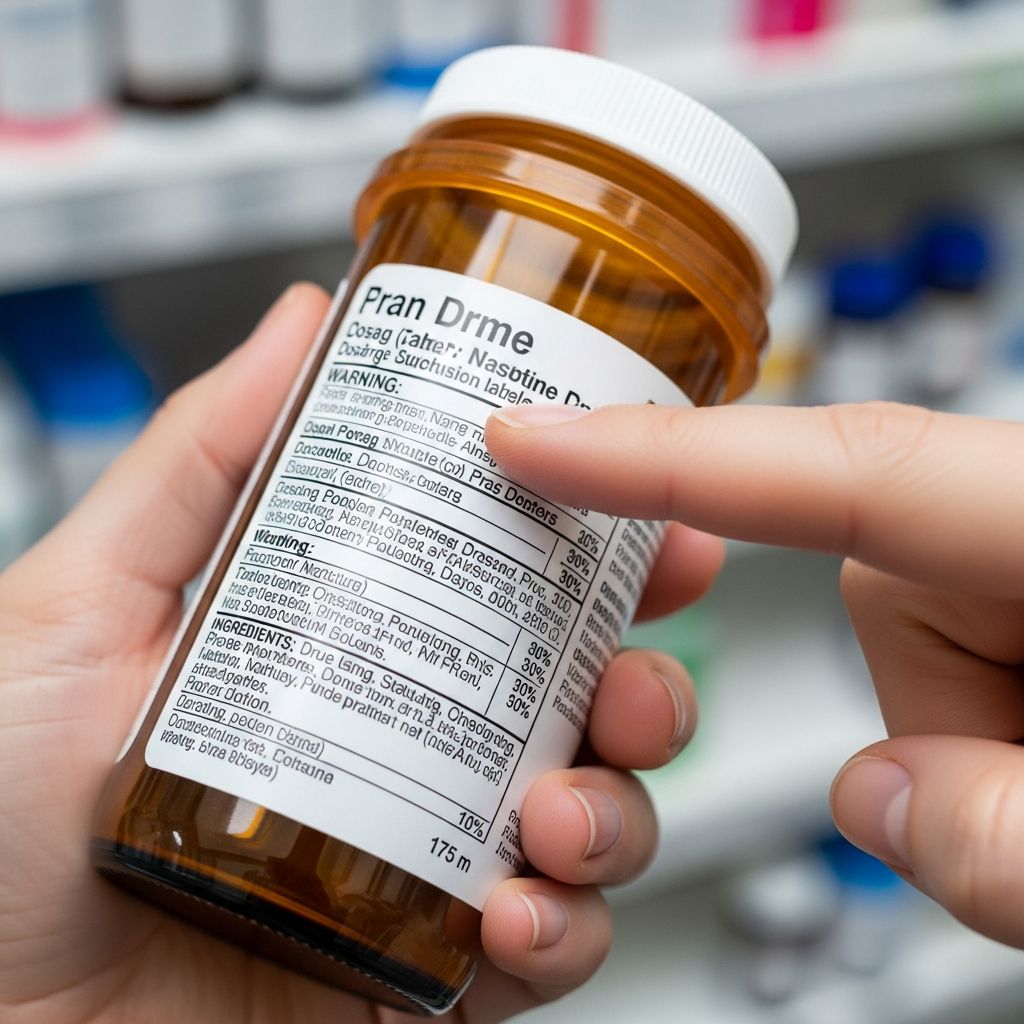
Medication labels contain critical information designed to guide users in administering drugs correctly. These labels feature standard details alongside special instructions that address unique administration needs, helping prevent errors and maximize effectiveness.
Essential Components of Every Label
Prescription labels typically include the patient’s name, drug details, and administrative guidance. Familiarizing yourself with these elements forms the foundation for proper use.
- Patient Identification: Confirms the medication is for the correct individual, reducing mix-up risks.
- Drug Name and Form: Lists generic or brand names, strength (e.g., 400mg/5mL), and type like suspension or tablet.
- Quantity Dispensed: Specifies volume in mL for liquids or grams for creams, aiding in tracking usage.
Understanding Dosing Directions
Dosing instructions outline amount, frequency, and duration. Misinterpreting these can lead to under- or overdosing.
| Abbreviation | Meaning | Example Use |
|---|---|---|
| BID | Twice daily | Morning and evening doses |
| TID | Three times daily | With meals and bedtime |
| QID | Four times daily | Every 6 hours |
| PRN | As needed | For pain or symptoms only |
Always use provided tools like syringes for liquids, reading at eye level for precision.
Special Instructions Explained
Beyond basic dosing, labels often include tailored directives for optimal absorption or to minimize side effects.
Timing with Meals
Phrases like “take with food” protect the stomach lining or enhance uptake. Conversely, “on an empty stomach” ensures faster action by avoiding food interference.
Storage Guidelines
Directives such as “store in refrigerator” preserve potency. Room temperature specs prevent degradation from heat or light.
Shake Well Before Use
Common for suspensions, this mixes active ingredients evenly, preventing uneven dosing.
Protect from Light
Light-sensitive drugs require dark storage to maintain efficacy.
Safety Warnings and Precautions
Labels highlight risks through bold warnings. These cover allergies, interactions, and contraindications.
- May cause drowsiness—avoid driving.
- Do not use with alcohol.
- Consult doctor if pregnant or breastfeeding.
Patient labeling like Medication Guides provides lay-language details on serious risks, mandatory for certain drugs.
Over-the-Counter Label Breakdown
OTC products follow a “Drug Facts” format: active ingredients first, then uses, warnings, and directions.
Active ingredients list therapeutic agents; check to avoid duplicates across products, like acetaminophen in multiple remedies.
Tools and Techniques for Accurate Measurement
Precision matters, especially for children. Pharmacy-provided devices outperform household spoons.
- Select the correct tool based on form.
- Hold at eye level; read meniscus bottom.
- Verify dose twice before administration.
Pharmacy and Prescriber Details
Labels include Rx number, refill count, pharmacy contact, and fill date—vital for queries or renewals.
Related Stories



Red Flags Requiring Clarification
Question unclear or mismatched info immediately.
- Dose appears excessive or insufficient.
- No administration route specified.
- Conflicts with prescriber’s verbal advice.
- Missing allergy alerts.
Best Practices for Families
Organize with charts, apps, or photos of labels. Share details with caregivers; log for chronic use.
Frequently Asked Questions
What if I miss a dose?
Take as soon as remembered unless near next dose; skip if so, never double up.
Can I split tablets?
Only if scored and directed; consult pharmacist.
How long after expiration can I use it?
Discard post-expiration; potency declines.
What does ‘dispense as written’ mean?
No generic substitution; use exact prescribed drug.
Are generics identical to brands?
Yes, bioequivalent per FDA standards.
Advanced Label Insights for Chronic Conditions
For ongoing therapies, note titration schedules—increasing/decreasing doses gradually. Track adherence to avoid resistance, as in antibiotics.
Pediatric Considerations
Child labels emphasize weight-based dosing. Verify age/weight accuracy; use checklists pre-administration.
Topical and Inhaled Medications
Specify application amount (pea-sized) or puffs. Wash hands post-use unless treating hands.
Travel and Storage Tips
Carry originals; use pill organizers compliantly with instructions. Inform customs of prescriptions.
References
- How to Read Children’s Medication Labels: A Simple Guide for Parents — Nest Health. 2023. https://www.nesthealth.com/blog/how-to-read-childrens-medication-labels
- How to Read a Prescription Label — Nationwide Children’s Hospital. 2024-07. https://www.nationwidechildrens.org/family-resources-education/700childrens/2024/07/how-to-read-a-prescription-label
- Understanding Medication Labels: How to Make Informed Choices — Northwest Family Clinics. 2023. https://www.northwestfamilyclinics.com/blog/understanding-medication-labels
- How Do I Use Prescription Drug Labeling — U.S. Food and Drug Administration (FDA). 2024. https://www.fda.gov/about-fda/oncology-center-excellence/how-do-i-use-prescription-drug-labeling
- Patient Labeling Resources — U.S. Food and Drug Administration (FDA). 2024. https://www.fda.gov/drugs/fdas-labeling-resources-human-prescription-drugs/patient-labeling-resources
- Reading a Medication Label — Merck Manuals. 2024. https://www.merckmanuals.com/home/multimedia/table/reading-a-medication-label
- Prescription Medication Labels: How to Read — Cleveland Clinic. 2024. https://my.clevelandclinic.org/health/drugs/15212-prescription-medication-labels-how-to-read
Similar Articles








Read full bio of Sneha Tete