Deep Squats: Master the Technique for Maximum Benefits
Unlock mobility and strength with proper deep squat form and technique.
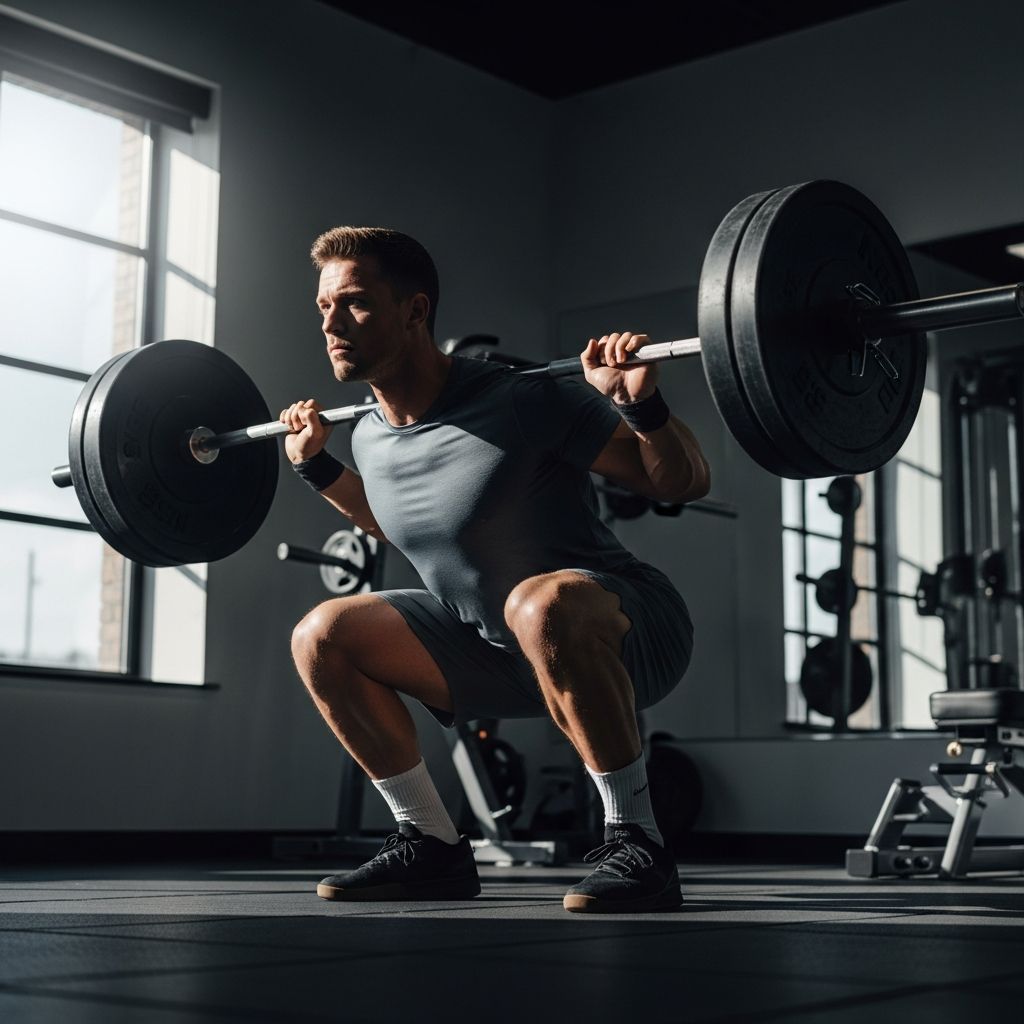
Understanding Deep Squats and Why They Matter
Deep squats represent a fundamental movement pattern that has been largely abandoned in modern Western society. Unlike the parallel-to-floor squats that most people perform in gyms, deep squats involve lowering your body into a complete crouch position—a posture that humans naturally maintained throughout history but rarely adopt today. This regression in our movement patterns has contributed to widespread mobility issues, chronic pain, and reduced athletic performance.
The deep squat, sometimes referred to as the “Garland Pose” in yoga circles, extends far beyond simple leg strengthening. It serves as a comprehensive mobility tool that addresses hip flexibility, ankle mobility, and spinal stability simultaneously. Understanding why deep squats matter requires examining both our evolutionary movement patterns and the consequences of sedentary modern living.
The Science Behind Deep Squats
Research has illuminated the profound benefits of maintaining the ability to deep squat throughout life. Studies comparing sedentary Western populations with more active cultures reveal striking differences in mobility and joint health. A notable research study from USC examined populations like the Hadza people of Tanzania, who maintain deep squatting positions regularly throughout their daily lives. The researchers noted that because these populations squat and kneel frequently with high levels of movement when not at rest, they maintain more consistent muscle activity throughout the day, potentially reducing health risks associated with sedentary behavior.
The contrast with Western lifestyle is stark. Prolonged sitting in chairs reduces hip flexibility, tightens muscles, shortens range of motion, and frequently results in chronic lower back pain. Over time, this sedentary pattern contributes to the characteristic shuffle observed in many older adults experiencing mobility decline.
How to Perform Deep Squats: Step-by-Step Guide
Starting Position
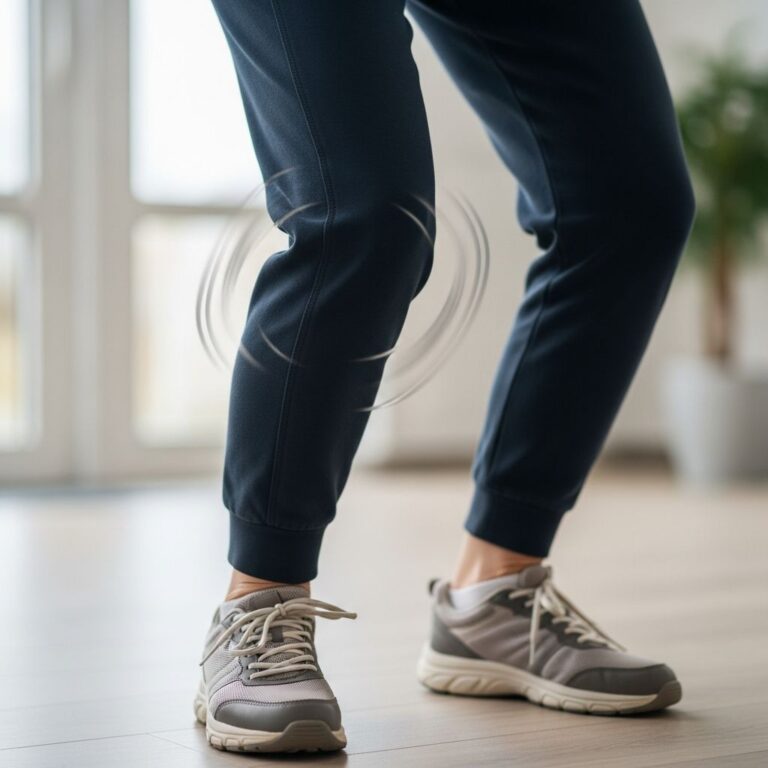
Begin by standing with your feet positioned slightly wider than shoulder-width apart. Your toes should point forward or slightly outward, depending on your natural stance and ankle mobility. Distribute your weight evenly across your entire foot, ensuring your pressure doesn’t concentrate on your heels or toes.
The Descent
Initiate the movement by sending your hips backward and downward simultaneously, as if preparing to sit in a chair. Keep your chest upright and your core engaged throughout the movement. Your knees should track over your toes, never caving inward. Lower yourself as far as comfortably possible, with the goal of achieving a full squat where your hip crease drops below knee level.
The Hold
For deep squat practice focused on mobility development, maintain the bottom position for 20-60 seconds, depending on your current flexibility level. Keep your shoulders relaxed and your breathing steady and controlled. Avoid holding your breath, as this increases tension and limits the stretching benefits.
Related Stories



The Return
To exit the position, engage your leg muscles and press through your feet to stand up. Maintain an upright posture throughout the ascent, avoiding the tendency to lean forward excessively.
Common Mistakes to Avoid
When beginning your deep squat practice, several common errors can limit your progress or even cause discomfort. Understanding these mistakes helps you develop proper technique from the start.
Forcing Range of Motion Too Quickly: Many people attempt to achieve a full deep squat immediately, placing excessive stress on joints and muscles. This aggressive approach often results in discomfort and discourages continued practice. Instead, work gradually toward deeper positions over weeks and months.
Confusing Discomfort with Danger: New practitioners frequently mistake the sensation of stretching and muscle engagement for injury-level pain. Learning to differentiate between productive discomfort and dangerous pain is essential. A good rule: if you can breathe normally and maintain a relaxed facial expression, you’re likely in a productive stretch zone.
Neglecting Core Engagement: Failing to maintain core tension during deep squats reduces exercise effectiveness and can strain your lower back. Keep your abdominal muscles engaged throughout the movement.
Allowing Knee Valgus: Letting your knees cave inward places dangerous stress on ligaments and cartilage. Maintain alignment by keeping your knees tracking over your toes and actively engaging your hip external rotators.
Benefits of Regular Deep Squat Practice
Improved Hip Flexibility and Mobility
Perhaps the most immediate benefit of deep squat practice is dramatically improved hip flexibility. The deep squat position stretches multiple hip structures simultaneously, including the hip flexors, adductors, and external rotators. Over consistent practice, practitioners report significantly increased range of motion, enabling easier performance of other exercises and daily activities.
Relief from Lower Back Pain
Sedentary lifestyles frequently cause chronic lower back pain through weakened stabilizer muscles and reduced spinal mobility. Research from the Journal of Physical Therapy Science demonstrates that hip-focused exercises prove more effective than conventional therapy for chronic lower back pain patients with lumbar instability. Many individuals report meaningful pain reduction within their first week of consistent deep squat practice.
Enhanced Athletic Performance
Improved mobility through deep squats translates directly to better athletic performance. The increased range of motion enables full range-of-motion strength exercises, particularly barbell squats and deadlifts. Athletes report improved confidence in movement, better jumping ability, and enhanced overall athletic capability.
Cardiovascular Benefits
Research from Harvard University demonstrates that regular stretching improves circulation and may help prevent strokes. The deep squat position, when held consistently, engages large muscle groups and promotes sustained blood flow throughout the lower body and core.
Pelvic Floor Strengthening
The deep squat position is traditionally believed to strengthen pelvic floor muscles, though this benefit develops through consistent practice over weeks and months rather than immediately.
Core Strengthening
Maintaining the deep squat position requires significant core muscle activation. Research comparing core activation during planks with back squats found that back squats produced greater activation of back-supporting muscles. This enhanced core stability reduces injury risk and improves posture.
Calorie Burning and Metabolic Improvement
While holding a deep squat is primarily a mobility exercise, dynamic squat movements burn significant calories. According to Harvard Medical School, a 155-pound person burns approximately 223 calories during 30 minutes of vigorous strength training exercises like squats.
Programming Deep Squats Into Your Routine
Beginner Protocol
If you’re new to deep squats, start conservatively. Hold the bottom position for 20-30 seconds, taking breaks as needed. Aim for daily practice to build consistency. Watching television or reading during your deep squat hold makes the time pass more quickly and reduces perceived discomfort.
Intermediate Protocol
After 1-2 weeks of consistent practice, extend your hold duration to 45-60 seconds. Perform this daily or on most days of the week. You’ll likely notice substantial improvements in flexibility and reduced discomfort.
Advanced Protocol
Advanced practitioners can extend holds to 2-3 minutes or perform multiple sets of 60-second holds. Some people incorporate gentle rocking motions or slight weight shifts while holding the bottom position to deepen the stretch.
Modifications for Different Fitness Levels
For Those with Limited Mobility: Use a chair, bench, or elevated surface to reduce the depth required. Rest your hands on the elevated surface for balance and support as you work toward a fuller squat over time.
For Those with Knee Issues: Reduce squat depth to what feels comfortable for your knees. The benefits of improved hip mobility apply even with partial-depth squats. As flexibility improves, you may gradually increase your range of motion.
For Those with Ankle Mobility Restrictions: Slight heel elevation using a weight plate or step can accommodate limited ankle dorsiflexion while you work on improving ankle mobility through targeted exercises.
Complementary Exercises and Stretches
While deep squats provide comprehensive benefits, combining them with complementary exercises accelerates progress. Hip-focused yoga poses, particularly low lunges and pigeon pose, further develop hip flexibility. Calf stretches address ankle mobility restrictions. Core-strengthening exercises enhance the stability developed through squat practice. Foam rolling of the hip flexors, IT band, and calves reduces muscle tightness and accelerates mobility gains.
Real-World Results: What to Expect
Most people experience noticeable benefits within 1-2 weeks of consistent deep squat practice. Initial discomfort typically decreases significantly by the end of the first week. Within a month of daily practice, substantial improvements in hip flexibility, pain reduction, and athletic performance become evident. People frequently report achieving yoga poses previously considered impossible and discovering newfound confidence in lower body exercises.
Important Safety Considerations
While deep squats are generally safe for most people, certain precautions apply. If you have existing knee problems, hip pain, or spinal issues, consult with a healthcare provider or certified personal trainer before beginning deep squat practice. Never force yourself into a deeper position than your current mobility permits. Pain that persists after workouts or prevents normal daily movement indicates you should reduce depth or duration and potentially seek professional guidance.
FAQ: Deep Squats Explained
Q: How long should I hold a deep squat when starting out?
A: Begin with 20-30 second holds and gradually increase duration as comfort improves. Most people work toward 60-second holds over 2-4 weeks of consistent practice.
Q: Is the pain I feel during deep squats normal?
A: Mild discomfort and muscle tension are normal during deep squat practice, particularly initially. Sharp pain, knee discomfort, or lower back strain indicate you should reduce depth or consult a professional.
Q: How often should I practice deep squats?
A: Daily practice produces the fastest results, though most people benefit from practicing 4-5 days weekly. Consistency matters more than individual session duration.
Q: Can I combine deep squats with other leg exercises?
A: Yes. Deep squat holds for mobility work integrate well with strength-focused squat variations and other lower body exercises. Perform mobility work either before other exercises as a warm-up or on separate recovery days.
Q: Will deep squats make my legs bigger?
A: Holding deep squats primarily develops mobility and flexibility rather than muscle size. Dynamic squat variations with added resistance build muscle. Combining both approaches provides mobility, strength, and size benefits.
Q: I have tight ankles. Can I still do deep squats?
A: Yes. Using heel elevation or reducing squat depth accommodates limited ankle mobility. Over time, consistent deep squat practice improves ankle dorsiflexion and contributes to fuller range of motion.
Q: How does deep squat practice compare to yoga for flexibility?
A: Deep squats provide focused hip and ankle mobility development. Yoga offers comprehensive flexibility benefits across multiple areas. Combining both approaches provides optimal results.
References
- I Tried Doing Deep Squats Every Day for a Month, and the Results Were Amazing — Fit and Well. 2024. https://www.fitandwell.com/features/i-tried-doing-deep-squats-every-day-for-a-month-and-the-results-were-amazing
- Benefits of Squats, Variations, and Muscles Worked — Healthline. 2024. https://www.healthline.com/health/exercise-fitness/squats-benefits
Similar Articles








Read full bio of medha deb