Deferiprone Tablets and Oral Solution (Ferriprox)
Comprehensive guide to Ferriprox (deferiprone) for treating iron overload in thalassemia and sickle cell disease patients.
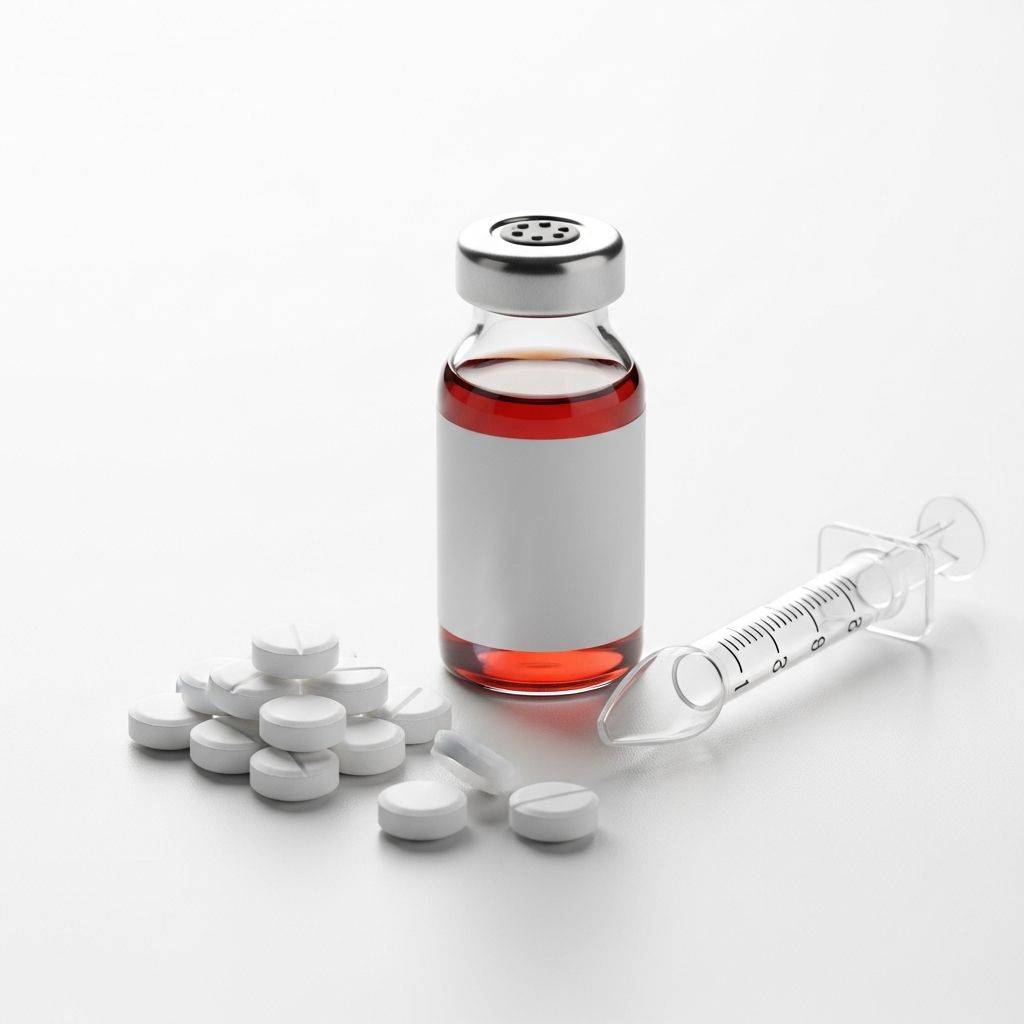
Deferiprone, marketed as Ferriprox, is an oral iron chelator designed to treat transfusional iron overload in patients with thalassemia syndromes, sickle cell disease, and other anemias. It binds excess iron accumulated from frequent blood transfusions, facilitating its excretion primarily through urine, thereby preventing organ damage from iron toxicity.
About Deferiprone Tablets and Oral Solution
Ferriprox (deferiprone) is available in two forms: tablets for adults and children aged 8 years and older, and an oral solution suitable for patients aged 3 years and older. This medication is prescribed when other chelation therapies are inadequate or contraindicated, particularly to protect the heart from iron-induced damage in thalassemia major patients.
Iron overload occurs in conditions like thalassemia major, where patients require regular blood transfusions that deposit excess iron in vital organs such as the liver, heart, and endocrine glands. Without treatment, this can lead to heart failure, liver cirrhosis, and other complications. Deferiprone selectively chelates iron, forming a stable complex excreted via kidneys, distinguishing it from other chelators like deferoxamine.
The European Medicines Agency (EMA) authorizes Ferriprox for thalassemia major patients needing monotherapy or combination therapy for rapid iron reduction, especially in cardiac iron overload cases. In the US, the FDA approved it under accelerated approval in 2011 for transfusional iron overload.
Key facts
- About deferiprone: Prescription iron chelator for transfusional hemosiderosis.
- Used for: Iron overload in thalassemia syndromes, sickle cell disease, and other anemias due to blood transfusions.
- Dosage: Typically 75–100 mg/kg/day divided into three doses; adjusted based on ferritin levels and tolerance.
- Not suitable for: Patients with neutropenia, active infections, or hypersensitivity to deferiprone.
- Pregnancy/breastfeeding: Avoid; potential fetal harm observed in animal studies.
About iron overload and thalassemia
Thalassemia major is an inherited blood disorder characterized by defective hemoglobin production, necessitating lifelong transfusions. Each unit of blood introduces 200–250 mg of iron, leading to overload after 10–20 units. Symptoms include fatigue, organ dysfunction, and cardiac siderosis, a leading cause of death.
Sickle cell disease and other anemias similarly cause transfusional iron buildup. Monitoring via serum ferritin, MRI for cardiac/liver iron concentration (LIC), and liver biopsy guides therapy. Iron chelation aims to maintain ferritin below 1,000 ng/mL and normal cardiac T2* MRI values.
Before taking deferiprone tablets and oral solution
Allergies
Do not use if allergic to deferiprone or its components. Rare hypersensitivity reactions like rash or anaphylaxis have been reported.
Pregnancy and breastfeeding
Ferriprox may harm the fetus; animal studies show embryotoxicity. Use effective contraception during treatment and for 6 months after. Breastfeeding is not recommended due to excretion in milk.
Babies and children
Related Stories



Oral solution approved from age 3; tablets from age 8. Safety and efficacy established in pediatric thalassemia patients.
Taking other medicines and herbal supplements
Avoid vitamin C supplements within 1 hour of doses, as they enhance iron absorption and chelation risks. Inform your doctor of all medications, including antacids, as deferiprone may alter blood levels of drugs like antipsychotics.
Conditions to look out for
Monitor for agranulocytosis (severe neutropenia), a black-box warning. Weekly complete blood counts (CBC) required initially, then biweekly. Conditions like HIV, liver disease, or zinc deficiency warrant caution.
How and when to take deferiprone tablets and oral solution
Dosage
Standard dose: 75 mg/kg/day (up to 100 mg/kg/day) in 3 divided doses. Round to nearest 0.5 g for tablets or 0.1 g for solution. Adjust based on iron intake, ferritin trends, and tolerability.
| Weight (kg) | 75 mg/kg/day (g/day) | 100 mg/kg/day (g/day) |
|---|---|---|
| 20 | 1.5 | 2.0 |
| 30 | 2.25 | 3.0 |
| 40 | 3.0 | 4.0 |
| 50 | 3.75 | 5.0 |
| 60 | 4.5 | 6.0 |
| 70+ | 5.25+ | 7.0+ |
Example dosing table for quick reference.
How to take
- Tablets: Swallow whole with water, with or without food. Do not chew.
- Oral solution: Measure with syringe; may dilute in water, fruit juice, or formula. Shake well.
- Take every 8 hours; maintain consistent schedule.
If you forget a dose
Take as soon as remembered unless near next dose. Never double up. Consult physician if multiple doses missed.
National guidelines
UK Thalassemia Society recommends combination chelation with deferiprone for high cardiac risk. EMA/FDA guidelines emphasize monitoring.
Essential monitoring while taking deferiprone
Mandatory weekly CBC for neutropenia risk (0.6% incidence). Monthly liver function tests (LFTs), ferritin, and zinc levels. Annual audiometry, ophthalmology exams for long-term effects.
- Agranulocytosis: Stop immediately if ANC <500/μL.
- Liver: Rise in ALT >10x ULN requires discontinuation.
- Zinc deficiency: Supplement if serum zinc low.
Cautions while taking deferiprone tablets and oral solution
Avoid alcohol, as it exacerbates liver injury. Maintain hydration for urine excretion. Report infections promptly: fever, sore throat, chills.
Common questions about deferiprone tablets and oral solution
How does deferiprone work?
It forms a ferriprox-iron complex excreted in urine, reducing myocardial iron effectively.
Can it cure thalassemia?
No, it manages iron overload but not the underlying disorder.
Is combination therapy safe?
Yes, with deferoxamine for better control in refractory cases.
Side-effects of deferiprone
Most common: urine discoloration (red-brown), nausea, abdominal pain. Serious: agranulocytosis (black box), zinc deficiency, liver enzyme elevation.
| Side Effect | Frequency | Management |
|---|---|---|
| Agranulocytosis | <1% | Weekly CBC; stop if severe |
| GI upset | 10–20% | Take with food |
| Joint pain | 5–10% | Monitor; reversible |
| Liver dysfunction | 5% | LFTs; dose adjust |
Stopped taking deferiprone tablets and oral solution
Do not stop without consulting; rebound iron accumulation possible. Taper if discontinuing long-term.
Analogue / Alternative iron chelators
- Deferasirox (Exjade/Jadenu): Once-daily oral; hepatoprotective.
- Deferoxamine (Desferal): IV/SC; gold standard for cardiac iron.
Choice depends on compliance, organ involvement.
Frequently Asked Questions (FAQs)
Q: What is the black box warning for Ferriprox?
A: Risk of agranulocytosis; requires regular blood monitoring.
Q: Can children under 3 use Ferriprox?
A: No, oral solution starts at age 3; other therapies preferred.
Q: Does deferiprone turn urine red?
A: Yes, harmless discoloration from iron complex.
Q: How often are blood tests needed?
A: Weekly CBC initially, then biweekly; monthly ferritin.
Q: Is Ferriprox safe in pregnancy?
A: No; category D, avoid.
References
- Deferiprone – Wikipedia — Wikipedia. 2023. https://en.wikipedia.org/wiki/Deferiprone
- Ferriprox (deferiprone): Information for patients — Ferriprox.com. 2024. https://ferriprox.com
- Ferriprox | European Medicines Agency (EMA) — EMA.europa.eu. 2023-05-15. https://www.ema.europa.eu/en/medicines/human/EPAR/ferriprox
- Deferiprone: MedlinePlus Drug Information — MedlinePlus.gov. 2024. https://medlineplus.gov/druginfo/meds/a612016.html
- Ferriprox Label — FDA.gov. 2018-11-15. https://www.accessdata.fda.gov/drugsatfda_docs/label/2018/Ferriprox021825s001lbl.pdf
- Deferiprone (Ferriprox) – NCBI Bookshelf — NCBI.nlm.nih.gov. 2023. https://www.ncbi.nlm.nih.gov/books/NBK601814/
Similar Articles








Read full bio of Sneha Tete