Defibrillation: Purpose, Types, and Procedure
Understanding defibrillation: How electrical therapy restores normal heart rhythm and saves lives.
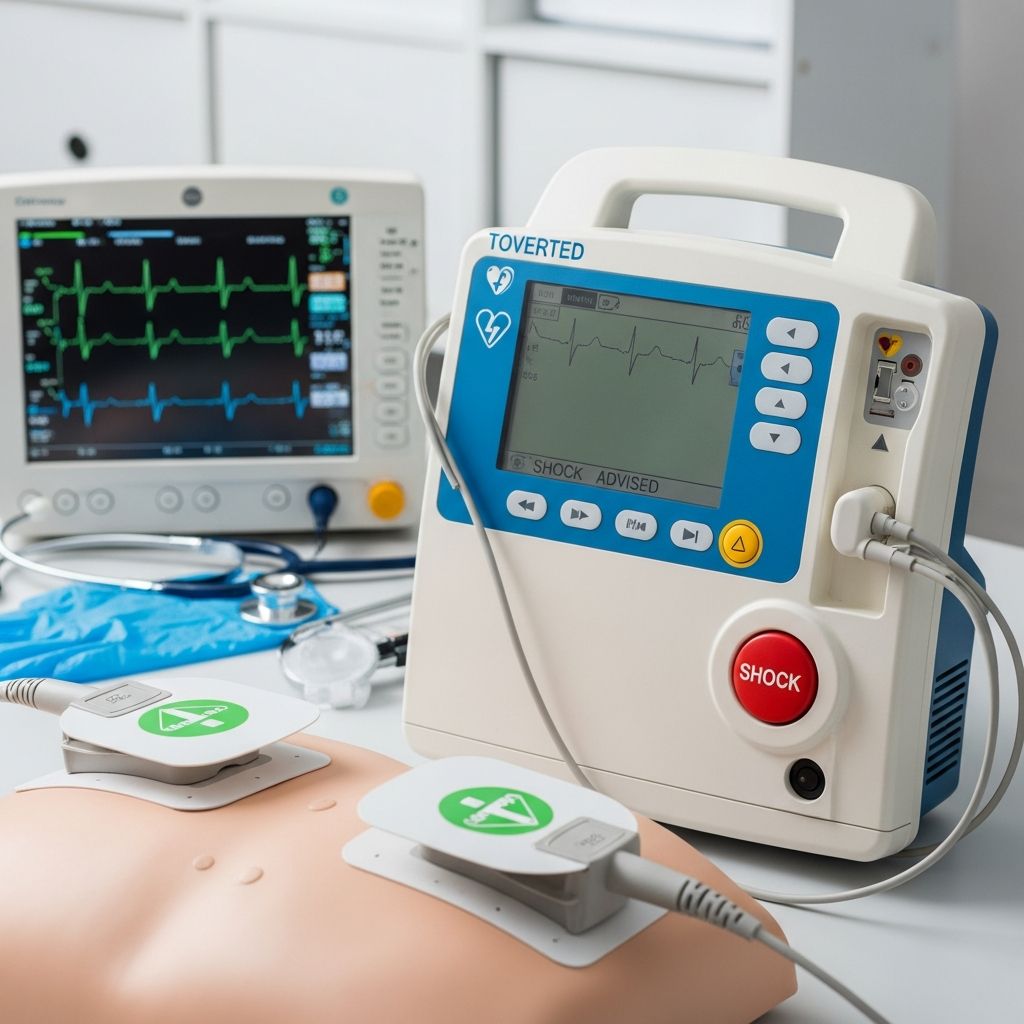
Understanding Defibrillation: A Life-Saving Cardiac Treatment
Defibrillation is a critical medical procedure that uses electrical current to restore a normal heart rhythm when a patient experiences a potentially fatal arrhythmia, or abnormal heart rhythm. When the heart’s electrical system malfunctions, it can cause dangerous rhythms that prevent effective blood circulation. Defibrillation works by delivering a controlled electrical shock to the heart, interrupting the abnormal rhythm and allowing the heart to resume normal beating. This intervention is one of the most important emergency treatments available and can mean the difference between life and death for patients experiencing sudden cardiac events.
What is Defibrillation?
Defibrillation is the therapeutic application of electrical energy to the heart muscle to terminate dangerous cardiac rhythms. When someone experiences ventricular fibrillation or pulseless ventricular tachycardia—two of the most life-threatening arrhythmias—the heart’s lower chambers quiver ineffectively instead of pumping blood throughout the body. This prevents oxygen-rich blood from reaching the brain, lungs, and other vital organs. Without immediate intervention, this condition results in sudden cardiac death within minutes. The defibrillation procedure delivers an electrical shock that essentially “resets” the heart’s electrical system, giving it the opportunity to return to a normal, organized rhythm capable of maintaining circulation and sustaining life.
Purpose of Defibrillation
The primary purpose of defibrillation is to treat life-threatening cardiac arrhythmias by converting them back to normal sinus rhythm. Defibrillation is specifically indicated for two dangerous rhythms: ventricular fibrillation and pulseless ventricular tachycardia. These rhythms are considered “shockable” because they respond to electrical therapy. When a patient collapses due to sudden cardiac arrest caused by one of these rhythms, defibrillation must be administered as quickly as possible to have the best chance of restoring an effective heartbeat. Guidelines recommend delivering shock within two minutes of recognizing a dysrhythmia that is amenable to defibrillation. Every minute that passes without intervention significantly decreases the likelihood of survival, making rapid access to defibrillation equipment and trained personnel essential in pre-hospital and in-hospital settings.
When Defibrillation is Used
Defibrillation is used when a patient experiences sudden cardiac arrest from a shockable rhythm. Healthcare providers assess the patient’s heart rhythm using cardiac monitoring equipment, and if ventricular fibrillation or pulseless ventricular tachycardia is detected, defibrillation is immediately initiated. This emergency response is part of the chain of survival, which includes early recognition, rapid CPR initiation, prompt defibrillation, and advanced life support measures. Beyond emergency situations, some patients at high risk for sudden cardiac death due to certain heart conditions may have implantable devices that automatically deliver defibrillation therapy if dangerous rhythms develop.
Types of Defibrillators
Several types of defibrillation devices are available, each serving different clinical purposes and patient populations. These devices range from portable external equipment used in emergency situations to sophisticated implantable systems designed for long-term protection against sudden cardiac death.
Automated External Defibrillators (AEDs)
Automated external defibrillators are portable, battery-operated devices found in public spaces, workplaces, and emergency vehicles. AEDs are designed to be user-friendly, allowing even untrained bystanders to deliver defibrillation therapy during cardiac emergencies. When attached to a patient experiencing cardiac arrest, an AED automatically analyzes the heart rhythm and delivers an electrical shock if a shockable rhythm is detected. These devices have dramatically improved survival rates from out-of-hospital cardiac arrest by making defibrillation accessible to the general public.
Related Stories



Manual Defibrillators
Manual defibrillators are used by trained healthcare professionals, including paramedics and emergency department personnel. Unlike AEDs, manual defibrillators require the operator to interpret the cardiac rhythm and decide whether to deliver a shock. This allows for more nuanced decision-making in complex clinical situations. Manual defibrillators are standard equipment in ambulances, emergency departments, and intensive care units.
Implantable Cardioverter-Defibrillators (ICDs)
Implantable cardioverter-defibrillators are sophisticated devices surgically placed under the skin, usually near the collarbone. These devices continuously monitor heart rhythm and automatically deliver therapy when dangerous rhythms are detected. Modern ICDs can provide multiple levels of therapy: pacing for slow heart rates, antitachycardia pacing to terminate certain rapid rhythms without shocks, cardioversion for faster rhythms, and defibrillation for the most dangerous rhythms. Many ICDs also incorporate pacemaker functionality. Patients who have suffered prior heart attacks, have severely weakened heart muscle, or have genetic conditions predisposing them to sudden cardiac death are candidates for ICD implantation.
Wearable Cardioverter-Defibrillators (WCDs)
Wearable cardioverter-defibrillators are external devices worn by patients at temporary high risk for sudden cardiac death. These devices continuously monitor heart rhythm and alert the patient if a dangerous rhythm is detected, allowing time for the patient to seek help or trigger the device to deliver therapy. WCDs serve as a bridge therapy for patients awaiting heart transplantation or ICD implantation.
Subcutaneous ICDs
Subcutaneous implantable cardioverter-defibrillators represent an advancement in defibrillator technology. Unlike traditional ICDs that require leads threaded through blood vessels, subcutaneous ICDs are placed entirely under the skin on the chest wall, eliminating the risks associated with transvenous leads, such as fracture and blood clots. This technology is particularly beneficial for patients who cannot tolerate traditional ICD leads or those seeking to minimize procedural complications.
Advanced Combination Devices
Recent innovations have produced defibrillator systems that combine multiple therapeutic capabilities in a single device. These include leadless pacemaker-defibrillator systems that integrate wireless communication between pacing and defibrillation therapy, eliminating the need for traditional wires through blood vessels. Another emerging technology combines cardiac contractility modulation with defibrillation capabilities, allowing a single device to both improve heart function and protect against sudden cardiac death in patients with heart failure.
How the Defibrillation Procedure Works
The defibrillation procedure involves several key steps designed to maximize the chances of restoring a normal heart rhythm and achieving patient survival. Understanding this process is important for both healthcare providers and the public who may need to assist in emergency situations.
Recognition and Initial Assessment
The procedure begins with recognition that a patient is unresponsive and not breathing normally. Healthcare providers or trained responders immediately check for a pulse and assess the patient’s cardiac rhythm using monitoring equipment. If a shockable rhythm is detected, preparations for defibrillation begin immediately.
Pad Placement and Shock Delivery
For external defibrillation, adhesive electrode pads are rapidly placed on the patient’s chest wall in specific locations to allow electrical current to traverse the heart effectively. The defibrillator analyzes the rhythm and, when appropriate, delivers an electrical shock. The shock depolarizes a critical mass of the heart muscle, interrupting the abnormal rhythm and allowing the heart’s intrinsic electrical system to reassert control.
Post-Shock Management
After the first shock is delivered, healthcare providers immediately reassess the patient. CPR is continued for two minutes before checking for a pulse and evaluating whether the heart rhythm has normalized. If the patient remains in cardiac arrest with a shockable rhythm, another shock is delivered. If defibrillation doesn’t work on the first attempt, providers also administer medications such as epinephrine or amiodarone to enhance the chances of converting the rhythm and improving coronary and cerebral perfusion. This coordinated approach combining electrical therapy with medications maximizes the probability of restoring an organized rhythm capable of supporting circulation.
Continued Resuscitation Efforts
The cycle of CPR, rhythm assessment, and defibrillation continues until either a perfusing rhythm is restored, the patient is transferred to advanced cardiac life support settings, or resuscitation efforts are deemed futile based on clinical judgment and established protocols. Advanced life support measures in hospital settings may include additional medications, airway management, and post-resuscitation care focused on stabilizing the patient and optimizing brain and organ perfusion.
Indications for Defibrillator Implantation
Patients are candidates for implantable defibrillator therapy when they face significant risk of sudden cardiac death from dangerous arrhythmias. Common indications include prior myocardial infarction with severely reduced ejection fraction, genetic conditions such as hypertrophic cardiomyopathy or Brugada syndrome, heart failure with markedly reduced ejection fraction, and prior episodes of ventricular arrhythmias. Some patients receive ICDs for primary prevention—before experiencing dangerous rhythms—based on clinical risk factors, while others receive them for secondary prevention after surviving a cardiac arrest event. Advanced combination devices like those integrating cardiac contractility modulation with defibrillation expand treatment options for patients with heart failure who previously had limited device-based therapy alternatives.
Benefits of Modern Defibrillation Technology
Modern defibrillation technology offers multiple advantages over traditional approaches. Leadless and subcutaneous systems reduce procedural complications, including infection and bleeding risks associated with traditional transvenous leads. Combination devices requiring fewer leads and fewer implantation procedures reduce cumulative risk and simplify future device management. Advanced programming algorithms reduce inappropriate shocks, which cause patient anxiety and potential harm. Wireless communication between device components and remote monitoring capabilities enhance patient safety and convenience. These innovations collectively improve outcomes and quality of life for patients requiring defibrillation therapy.
Frequently Asked Questions About Defibrillation
Q: Can defibrillation be performed outside of hospitals?
A: Yes. Automated external defibrillators are designed for use by trained laypersons in public settings, and paramedics use manual defibrillators in pre-hospital settings. Early defibrillation outside the hospital significantly improves survival rates from sudden cardiac arrest.
Q: Is defibrillation painful?
A: External defibrillation during cardiac arrest typically causes no pain because the patient is unconscious. However, patients who receive shocks from implantable devices while conscious report sensations ranging from discomfort to significant pain, which is why newer technologies focus on preventing inappropriate shocks and incorporating antitachycardia pacing to terminate rhythms without shocks.
Q: How often do implanted defibrillators need replacement?
A: Battery life in implanted defibrillators typically ranges from 5 to 7 years, depending on device settings and how frequently therapy is delivered. Patients require regular follow-up appointments to monitor battery status, and replacement surgery is performed when the battery reaches elective replacement time.
Q: What are the risks of defibrillator implantation surgery?
A: Risks include bleeding, infection, and vascular complications. Lead-related complications such as fracture and thrombosis can occur with traditional transvenous systems. Newer technologies like subcutaneous and leadless systems have been designed to reduce these procedural risks while maintaining therapeutic effectiveness.
Q: Can patients with implanted defibrillators go through airport security?
A: Most modern defibrillators are compatible with airport security systems, but patients should inform security personnel about their device and may request hand screening instead of metal detectors. Patients receive identification cards documenting their device type for reference during travel.
Q: What should I do if I witness someone having cardiac arrest?
A: Call emergency services immediately. If an automated external defibrillator is nearby, retrieve it and follow the device’s voice prompts. Begin CPR if trained to do so. Early recognition, rapid emergency activation, prompt AED use, and quick transfer to advanced life support dramatically improve survival chances.
References
- INTEGRA-D Trial Launch Raises Prospect of Cardiac Contractility Modulation and Defibrillation in a Single Device — Cleveland Clinic. 2023. https://consultqd.clevelandclinic.org/integra-d-trial-launch-raises-prospect-of-cardiac-contractility-modulation-and-defibrillation-in-a-single-device
- Cleveland Clinic Performs First Implant of a Leadless Pacemaker Defibrillator System — Cleveland Clinic Newsroom. 2021-12-02. https://newsroom.clevelandclinic.org/2021/12/02/cleveland-clinic-performs-first-implant-of-a-leadless-pacemaker-defibrillator-system
- What is Defibrillation Used For? — Cleveland Clinic. https://my.clevelandclinic.org/health/treatments/23021-defibrillation
- Implantable Cardioverter Defibrillators (ICDs) — Cleveland Clinic. https://my.clevelandclinic.org/health/treatments/17123-implantable-cardioverter-defibrillator-icd
- Cleveland Clinic London Introduces a New Option for Patients to Treat Abnormal Heart Rhythms — Cleveland Clinic Newsroom. 2025-11-11. https://newsroom.clevelandclinic.org/2025/11/11/cleveland-clinic-london-introduces-a-new-option-for-patients-to-treat-abnormal-heart-rhythms
- Antitachycardia pacing for reduction of implantable cardioverter defibrillator shocks — PubMed/NCBI. https://pubmed.ncbi.nlm.nih.gov/25708880/
Similar Articles








Read full bio of Sneha Tete