DIRA: Interleukin-1 Receptor Antagonist Deficiency
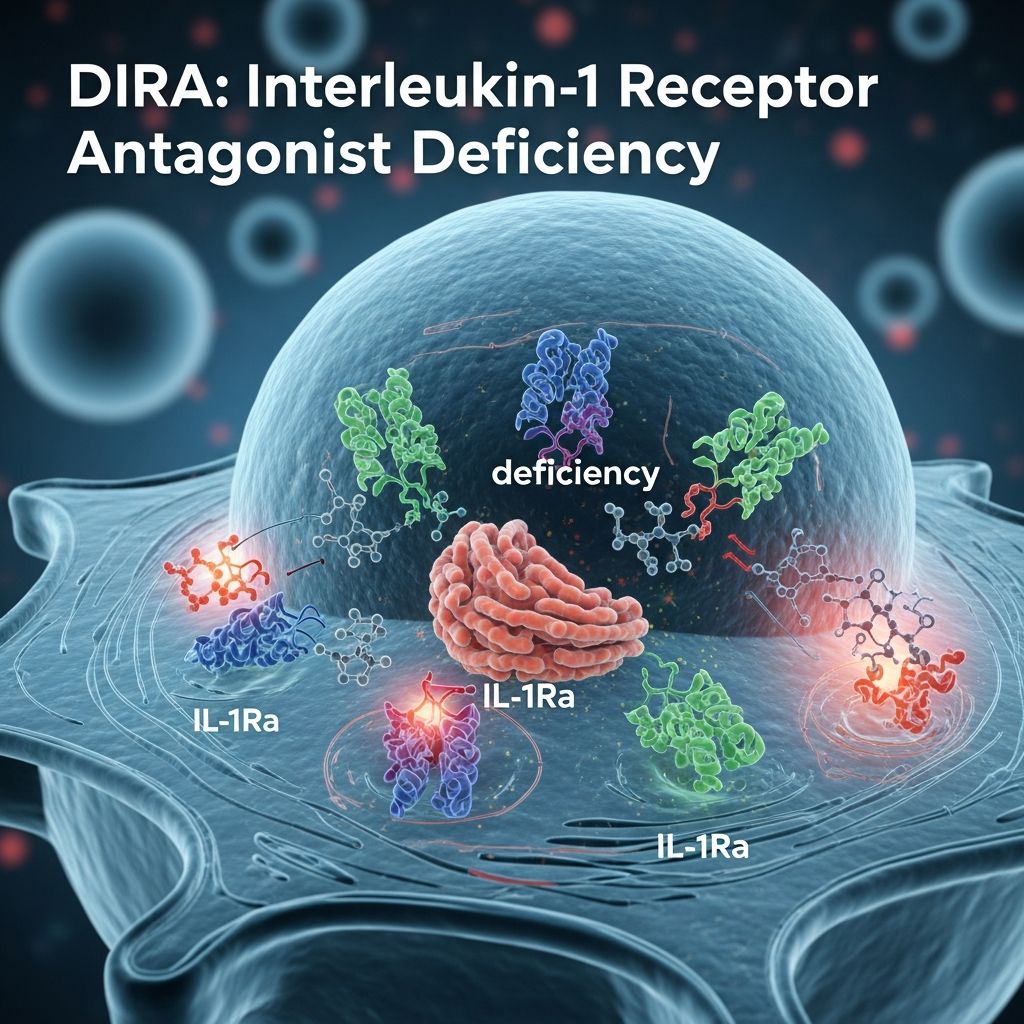
Deficiency of the interleukin-1 receptor antagonist (DIRA) is a rare, autosomal recessive autoinflammatory disorder caused by loss-of-function mutations in the IL1RN gene, leading to unopposed interleukin-1 (IL-1) signaling and severe systemic inflammation starting at birth. This condition manifests with characteristic pustular skin eruptions, multifocal aseptic osteomyelitis, joint swelling, and elevated inflammatory markers, often progressing to multiorgan failure if untreated. Early recognition and treatment with recombinant IL-1 receptor antagonist (anakinra) are life-saving, inducing rapid remission.
What is DIRA?
DIRA, first described in 2009, affects infants from birth or shortly thereafter, presenting a distinct clinical triad of generalized pustulosis, periostitis, and osteomyelitis without high fever. The disease stems from deficient production of IL-1 receptor antagonist (IL-1Ra), a protein that normally binds and neutralizes IL-1α and IL-1β pro-inflammatory cytokines. Without IL-1Ra, excessive IL-1 activity drives neutrophilic infiltration in skin, bone, and other tissues, mimicking severe infections but being sterile.
Over 20 cases have been reported worldwide, predominantly in populations with consanguinity, such as those of Navajo or Middle Eastern descent, though it occurs globally. Heterozygote carriers are asymptomatic, confirming recessive inheritance. If untreated, DIRA leads to progressive bone destruction, organ failure, and death in early childhood.
Who gets DIRA?
DIRA exclusively affects newborns and infants, with symptoms evident at birth or within the first weeks of life. It is equally prevalent in males and females due to autosomal recessive genetics. High-risk groups include communities with founder mutations, like the G46R variant in Navajo Native Americans. Genetic testing confirms diagnosis in suspected cases, revealing biallelic IL1RN mutations.
Clinical features
The distinctive features of DIRA appear neonatally due to inflammatory changes in skin and bone, typically without fever.
Skin and mucosal features
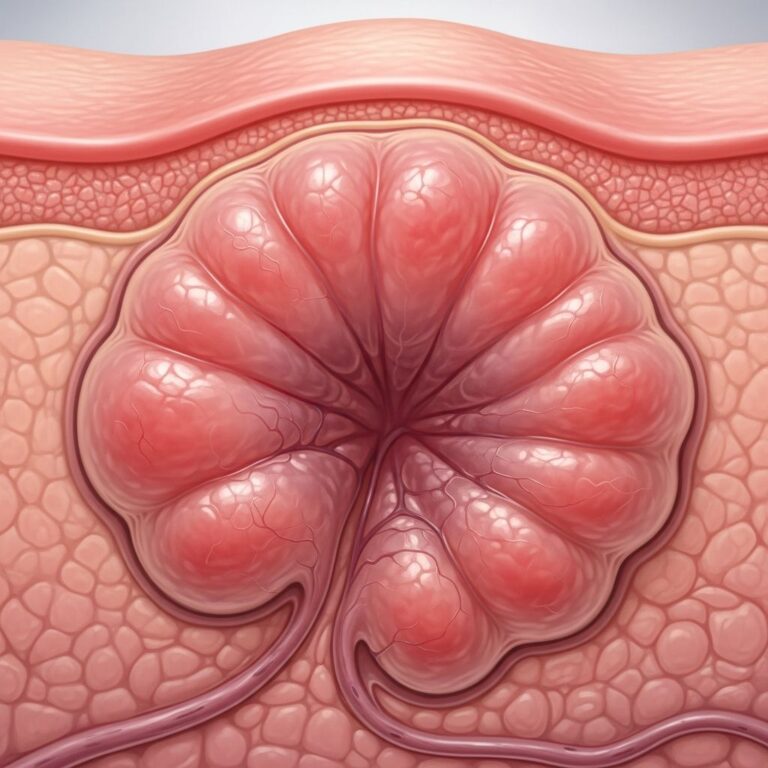
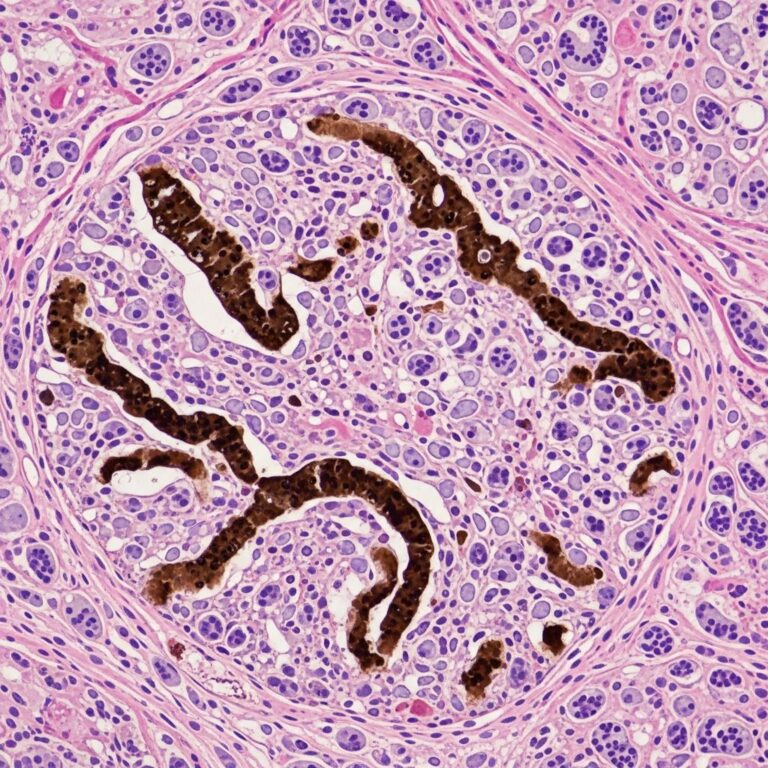
In the first days of life, all affected children develop a pustular rash, ranging from discrete pustular crops to severe generalized pustular eruptions resembling generalised pustular psoriasis. Skin biopsy shows epidermal neutrophilic pustules, acanthosis, hyperkeratosis, and dermal neutrophil infiltrates with vascular thrombosis.
Other reported skin/mucosal changes include:
- Generalized ichthyosis-like scaling
- Nail dystrophy or changes
- Stomatitis and recurrent mouth ulcers
- Conjunctivitis
- Erythematous plaques with desquamation and crusting
Bone and joint involvement
All children develop periostitis and osteomyelitis, causing painful swelling, limited movement, and joint contractures. X-rays reveal pathognomonic findings: ballooning of rib ends (costochondral expansion), periosteal elevation along long bones, multifocal lytic lesions, and heterotopic ossification. Bone biopsy confirms aseptic purulent inflammation with fibrosis, sclerosis, and vasculitis.
Systemic features
Additional manifestations in reported cases include:
- Hepatosplenomegaly
- Respiratory distress, interstitial lung disease, or pulmonary fibrosis
- Failure to thrive and growth retardation
- Cerebral vasculitis or hypotonia (rare)
- Thrombosis, e.g., femoral vein
- Leukocytosis, anemia, thrombocytosis
Systemic inflammation elevates ESR, CRP, and acute-phase reactants persistently.
Diagnosis of DIRA
Diagnosis combines clinical, radiographic, and genetic findings, as antibiotics fail to improve presumed infections.
Blood tests
| Test | Findings |
|---|---|
| Inflammatory markers | Elevated ESR, CRP; leukocytosis, thrombocytosis, anemia |
| Genetic testing | Biallelic IL1RN mutations (e.g., c.136T>C, p.Cys46Arg) |
Skin biopsy
| Feature | Description |
|---|---|
| Epidermis | Neutrophilic pustules, acanthosis, hyperkeratosis |
| Dermis | Neutrophil infiltrate, vascular thrombosis |
Radiology
| Modality | Characteristic Findings |
|---|---|
| X-rays/Bone scan | Rib end ballooning, periosteal reaction, osteolytic lesions |
| Ultrasound | Joint effusions, thrombosis |
Related Stories



Bone biopsy
Aseptic osteomyelitis with suppurative inflammation, fibrosis, sclerosis, and periosteal vasculitis.
Differential includes chronic infantile neurological cutaneous articular syndrome (CINCA), Majeed syndrome, and infection; genetic confirmation distinguishes DIRA.
Treatment of DIRA
Corticosteroids provide partial control but cause side effects and incomplete remission. Anakinra (recombinant IL-1Ra, 1-2 mg/kg/day subcutaneously) is first-line, yielding dramatic improvement within days: rash resolution, pain relief, normalized labs, and radiographic stabilization.
Challenges include anaphylaxis (managed by desensitization protocols) and injection-site reactions. Long-term anakinra sustains remission; alternatives like canakinumab (IL-1β blocker) show promise. Supportive care addresses complications like nutrition and respiratory support.
Outcomes and complications
Untreated DIRA causes bone deformities, multiorgan failure, and childhood mortality. With anakinra, patients achieve clinical remission, catch-up growth, and prevented progression. Rare complications include vertebral fusion, pulmonary fibrosis, or vasculitis. Lifelong therapy is required, with monitoring for infections and metabolic effects.
Frequently asked questions (FAQs)
Q: Is DIRA curable?
A: No, DIRA is genetic and not curable, but anakinra provides complete control, preventing progression and enabling normal development.
Q: When does DIRA start?
A: Symptoms begin at birth or within days, with pustulosis and bone pain as hallmarks.
Q: Can DIRA be fatal?
A: Yes, untreated cases lead to death from multiorgan failure; early anakinra is life-saving.
Q: What does DIRA look like on X-ray?
A: Pathognomonic features include expanded rib ends, periosteal cloaking of long bones, and multifocal osteolysis.
Q: Is genetic testing needed for diagnosis?
A: Yes, confirming biallelic IL1RN mutations is definitive, especially with classic clinical/radiographic findings.
References
- Deficiency of the interleukin-1–receptor antagonist — Wikipedia. 2023. https://en.wikipedia.org/wiki/Deficiency_of_the_interleukin-1–receptor_antagonist
- Deficiency of Interleukin-1 Receptor Antagonist: New Genetic… — PMC (NIH). 2023-08-21. https://pmc.ncbi.nlm.nih.gov/articles/PMC10421680/
- Deficiency of Interleukin-1 Receptor Antagonist (DIRA) — PMC (NIH). 2021. https://pmc.ncbi.nlm.nih.gov/articles/PMC8420971/
- Deficiency of the interleukin-1 receptor antagonist (DIRA) — DermNet NZ. 2024. https://dermnetnz.org/topics/deficiency-of-the-interleukin-1-receptor-antagonist-dira
Similar Articles








Read full bio of medha deb