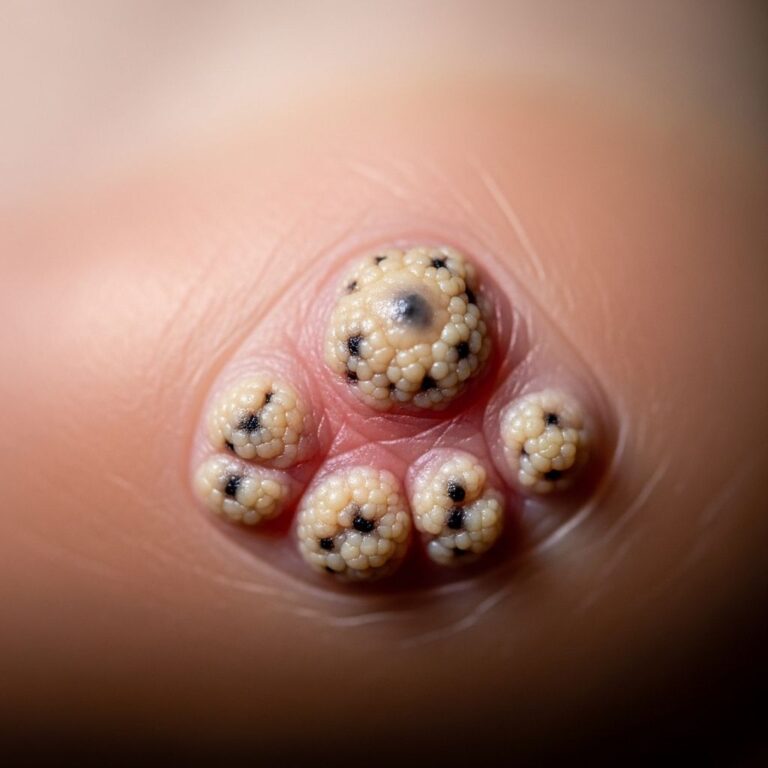
Defining Skin Cancer: Types, Causes, and Prevention
Understanding skin cancer: Learn about types, risk factors, causes, and effective prevention strategies.
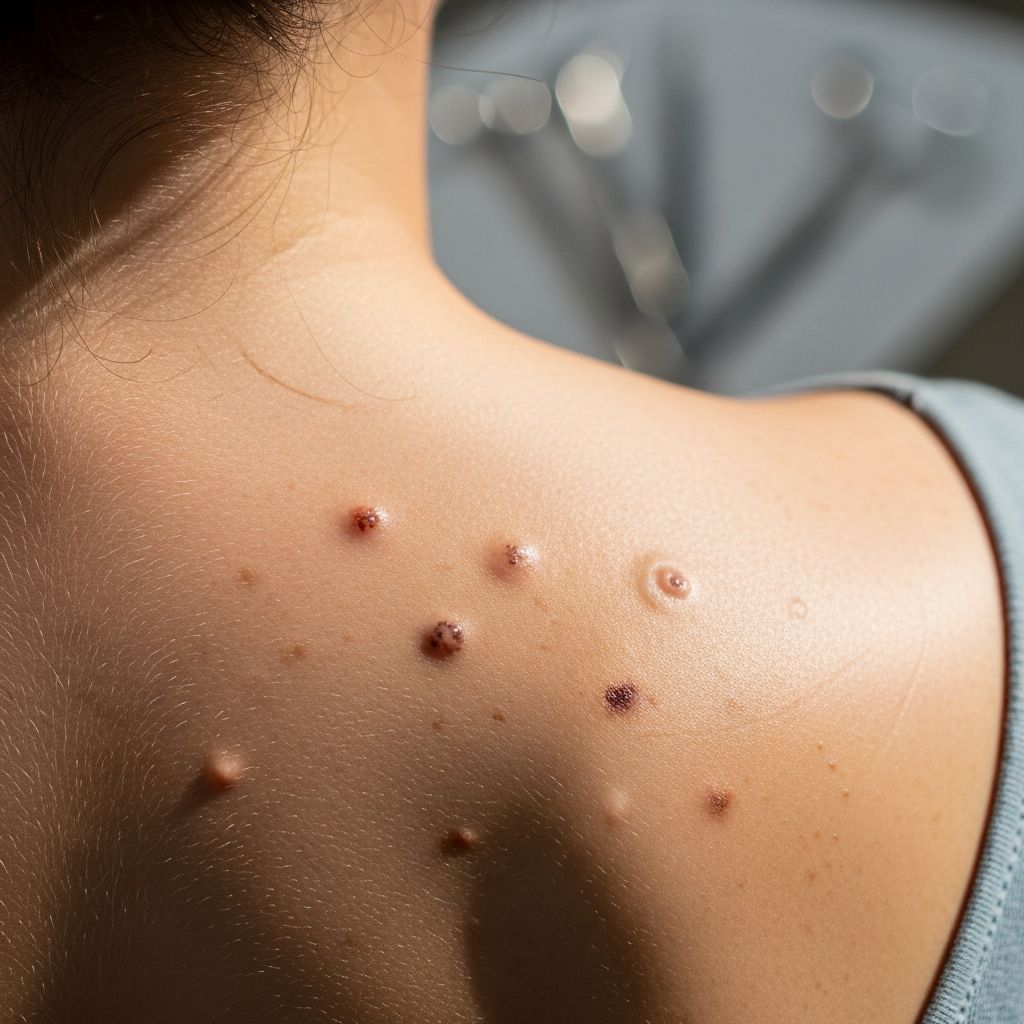
What is Skin Cancer?
Skin cancer is the uncontrolled growth of abnormal cells in the skin’s outermost layer, called the epidermis. It occurs when skin cells are damaged, typically by overexposure to ultraviolet (UV) radiation from the sun, and these damaged cells begin to grow abnormally and multiply rapidly in a disorganized manner. Skin cancer is the most common form of cancer in the United States, with an estimated 1 in 5 Americans developing skin cancer during their lifetime.
Skin cancers can originate from different types of cells within the epidermis and can range from benign to highly malignant forms. Understanding what skin cancer is, how it develops, and how to prevent it is essential for maintaining long-term skin health and reducing your cancer risk.
How Skin Cancer Develops
Skin cancer begins when the cells that make up the outer layer of skin, known as the epidermis, start to grow uncontrollably. The epidermis contains several types of cells that can potentially become cancerous:
- Basal cells — Located at the base of the epidermis, these cells continuously produce new skin cells that gradually move upward toward the surface.
- Squamous cells — These are the flattened cells formed as newer basal cells move upward and mature.
- Melanocytes — These specialized cells produce melanin, the pigment that gives skin its color and provides some protection against UV rays.
When any of these cell types suffer DNA damage and begin dividing uncontrollably, skin cancer develops. The process typically involves genetic mutations that prevent cells from functioning normally and allow them to multiply without the usual biological restraints.
Main Types of Skin Cancer
There are four main types of skin cancer, classified by the type of cell from which they originate. Understanding these distinctions is crucial for early detection and appropriate treatment.
Basal Cell Carcinoma (BCC)
Basal cell carcinoma is the most common type of skin cancer, accounting for the majority of skin cancer diagnoses. BCC begins in the basal cells at the base of the epidermis and typically appears as a flesh-colored, pearl-like bump or a pinkish patch of skin. These lesions most commonly develop on sun-exposed areas, particularly the face, ears, and neck.
One of the key characteristics of BCC is that it grows slowly and rarely spreads to other parts of the body. However, if left untreated, it can grow deeper into the skin and potentially damage underlying structures including nerves and blood vessels. Early detection and treatment significantly improve outcomes, and BCC has excellent cure rates when addressed promptly.
Squamous Cell Carcinoma (SCC)
Squamous cell carcinoma is the second most common type of skin cancer. SCC develops in the squamous cells that form the upper layers of the epidermis and typically appears on sun-exposed areas of the skin. Common presentations include a red firm bump, a scaly patch, or a sore that heals and then reopens repeatedly.
Related Stories



People with light skin are most likely to develop SCC, though it can also occur in individuals with darker skin tones. SCC can develop from precancerous skin growths called actinic keratoses (AKs)—dry, scaly patches caused by cumulative sun exposure. If not caught early, SCC can grow deep into the skin and potentially damage nerves, blood vessels, and other body structures. Early treatment is important to prevent complications.
Melanoma
Melanoma is the most dangerous form of skin cancer because it has a higher propensity to spread to other parts of the body if not treated early. Melanoma develops in the melanocytes—the pigment-producing cells in the epidermis. While melanoma accounts for a smaller percentage of skin cancer cases compared to BCC and SCC, it is responsible for the majority of skin cancer deaths.
Melanoma can appear anywhere on the body and may develop from existing moles or appear as a new pigmented lesion. Early detection through regular skin examinations and awareness of warning signs (such as changes in size, shape, or color of moles) is critical for successful treatment and survival.
Merkel Cell Carcinoma (MCC)
Merkel cell carcinoma is a rare but aggressive type of skin cancer that develops in the Merkel cells, which are sensory cells in the epidermis. MCC typically appears as a firm, painless nodule, often on sun-exposed areas or areas covered by clothing. Because it is rare, many people and even some healthcare providers may be unfamiliar with it, which can sometimes delay diagnosis.
What Causes Skin Cancer?
Ultraviolet (UV) Radiation: The Primary Cause
UV radiation from the sun is the primary cause of most skin cancers. UV radiation damages the DNA inside skin cells, causing mutations that lead to abnormal cell growth. The sun emits three types of UV radiation based on wavelength:
- UV-A — With longer wavelengths (approximately 320 to 380 nm), UV-A penetrates deep into the dermis and generates free radicals, significantly contributing to skin aging and carcinogenesis.
- UV-B — With shorter wavelengths (approximately 280 to 320 nm), UV-B penetrates to the level of the stratum basale of the epidermis and causes direct DNA damage through the formation of pyrimidine dimers, such as thymidine dimers.
- UV-C — The most energetic form of UV radiation (approximately 100 to 280 nm), UV-C is largely absorbed by the atmosphere and does not significantly reach Earth’s surface.
Sunlight is primarily composed of UV-A (~90%) and UV-B (~10%) radiation. Both UV-A and UV-B contribute to skin cancer development, and cumulative exposure over a lifetime increases cancer risk. People who experience frequent sunburns and blistering have particularly elevated skin cancer risk.
Tanning Beds and Artificial UV Sources
Tanning beds and tanning lamps emit UV radiation similar to the sun and pose the same skin cancer risk. The American Academy of Dermatology emphasizes that tanning bed use is a significant risk factor for skin cancer development, and many health organizations recommend avoiding artificial tanning methods entirely.
Genetic and Molecular Factors
UV radiation causes skin cancer through DNA damage that results in specific genetic mutations. Different types of skin cancer involve different genetic alterations:
- Most cutaneous squamous cell carcinomas (approximately 90%) exhibit UV-induced mutations in the p53 gene, leading to uncontrolled proliferation of keratinocytes.
- Basal cell carcinoma mutations involve alterations in the PTCH gene and the p53 gene.
- Melanoma-related DNA mutations include alterations in CDKN2A, MCR1, BRAF, and DNA repair enzymes such as UV-specific endonuclease in xeroderma pigmentosum.
The complete list of genetic mutations and risk factors involved in skin cancer remains incomplete, but ongoing research continues to uncover new genes and molecular targets involved in each subtype of skin cancer.
Risk Factors for Skin Cancer
While UV exposure is the primary cause, multiple risk factors can increase your likelihood of developing skin cancer. Understanding these factors helps you assess your personal risk and take appropriate preventive measures.
Personal Risk Factors
- Fair or light skin — Darker skin contains more melanin, which blocks the sun’s rays and acts as a natural sunscreen, providing inherent protection against UV radiation.
- Many or abnormal moles — Having numerous moles or atypical (dysplastic) moles significantly increases melanoma risk.
- Precancerous skin lesions — Existing actinic keratoses or other precancerous growths indicate substantial cumulative sun damage.
- Age — Skin cancer risk increases with age due to cumulative UV exposure over a lifetime.
- Sex — Men are at higher risk for certain types of skin cancer, possibly due to increased sun exposure and less consistent sun protection practices.
Environmental and Lifestyle Risk Factors
- Living in sunny or high-altitude climates — Geographic location affects overall UV exposure levels throughout the year.
- Occupational exposure — Jobs requiring extended time outdoors increase UV exposure and skin cancer risk.
- Tanning bed use — Regular use of artificial tanning equipment significantly elevates skin cancer risk.
- Smoking — Tobacco use may increase the risk of cutaneous squamous cell carcinoma according to research published in peer-reviewed literature.
Medical and Immune-Related Risk Factors
- Weakened immune system — People with HIV/AIDS or those taking immunosuppressant drugs following organ transplant have substantially elevated skin cancer risk.
- Certain infections — Infections such as human papillomavirus (HPV) may increase skin cancer risk.
- Family history — A family history of skin cancer indicates genetic predisposition and increased personal risk.
- Organ transplant history — Transplant recipients require immunosuppression, which increases skin cancer development.
Skin Cancer Prevention Strategies
Skin cancer is one of the most preventable cancers because the primary risk factor—sun exposure—can be controlled through behavioral and environmental modifications. Implementing sun protection strategies significantly reduces your skin cancer risk.
Sun Protection Measures
- Use sunscreen regularly — Apply broad-spectrum sunscreen with SPF 30 or higher every day, and reapply every two hours or after swimming or sweating.
- Seek shade — Limit direct sun exposure, particularly between 10 a.m. and 4 p.m. when UV rays are strongest.
- Wear protective clothing — Cover exposed skin with long sleeves, pants, and hats when possible.
- Wear UV-protective sunglasses — Protect the delicate skin around eyes and reduce melanoma risk on the eyelids and surrounding areas.
- Avoid tanning beds — Never use artificial tanning equipment, as it poses equivalent or greater skin cancer risk than sun exposure.
Self-Monitoring and Early Detection
Regular skin self-examinations help detect skin cancer at earlier, more treatable stages. Use the ABCDE method to evaluate moles and skin lesions:
- Asymmetry — One half of the mole does not match the other.
- Border — The edges are irregular, scalloped, or poorly defined.
- Color — Multiple colors are present within a single lesion.
- Diameter — The mole is larger than a pencil eraser (approximately 6mm).
- Evolution — The mole has changed in size, shape, or color over time.
Professional Screening
Annual skin examinations by a dermatologist or healthcare provider are recommended, particularly for individuals with risk factors such as fair skin, many moles, or personal or family history of skin cancer. Professional screening can detect precancerous and cancerous lesions that might be missed during self-examination.
Key Takeaways
Skin cancer is a common but largely preventable disease caused primarily by UV radiation exposure. The four main types—basal cell carcinoma, squamous cell carcinoma, melanoma, and Merkel cell carcinoma—have different characteristics, growth patterns, and treatment approaches. While UV exposure is the primary risk factor, multiple other factors including genetics, immune status, and personal characteristics influence individual risk.
By understanding skin cancer definition, types, and causes, and by implementing evidence-based prevention strategies such as consistent sun protection and regular skin monitoring, you can significantly reduce your skin cancer risk and improve health outcomes.
Frequently Asked Questions (FAQs)
Q: Is skin cancer curable?
A: Yes, most skin cancers are highly curable, especially when detected and treated early. Basal cell carcinoma and squamous cell carcinoma have excellent cure rates. Melanoma outcomes depend on the stage at diagnosis, making early detection critical.
Q: Can skin cancer occur in people with dark skin?
A: Yes, while skin cancer is more common in people with fair skin due to lower melanin levels, it can develop in individuals with all skin tones. People with darker skin may have delayed diagnosis because the disease is less expected, emphasizing the importance of universal skin cancer awareness.
Q: How often should I get a professional skin examination?
A: Most dermatologists recommend annual skin examinations for the general population. Individuals with risk factors such as fair skin, many moles, or family history of skin cancer should consider more frequent examinations as recommended by their healthcare provider.
Q: Does sunscreen alone prevent skin cancer?
A: Sunscreen is an important component of skin cancer prevention but should be used as part of a comprehensive approach that includes seeking shade, wearing protective clothing, and avoiding tanning beds. No single method provides complete protection from all UV radiation.
Q: Are all moles a sign of skin cancer?
A: No, most moles are benign and never develop into skin cancer. However, having many moles or atypical moles increases melanoma risk. Changes in existing moles or new lesions with concerning features warrant professional evaluation.
References
- Skin Cancer — National Center for Biotechnology Information (NCBI) Bookshelf, StatPearls. 2024. https://www.ncbi.nlm.nih.gov/books/NBK441949/
- Skin Cancer: Causes, Types, Prevention and Treatment — Live Science. 2024. https://www.livescience.com/health/skin-cancer-causes-types-prevention-and-treatment
- Types of Skin Cancer — American Academy of Dermatology (AAD). 2024. https://www.aad.org/public/diseases/skin-cancer/types/common
- Skin Cancer: Causes, Symptoms & Treatments — Cancer Council Australia. 2024. https://www.cancer.org.au/cancer-information/types-of-cancer/skin-cancer
- Skin Cancer: Symptoms, Types & Treatment — Cleveland Clinic. 2024. https://my.clevelandclinic.org/health/diseases/15818-skin-cancer
- Skin Cancer — Symptoms and Causes — Mayo Clinic. 2024. https://www.mayoclinic.org/diseases-conditions/skin-cancer/symptoms-causes/syc-20377605
Similar Articles








Read full bio of Sneha Tete