Deformational Plagiocephaly: Causes, Diagnosis, and Treatment
Understanding flat head syndrome in infants: comprehensive guide to diagnosis and effective treatment options.
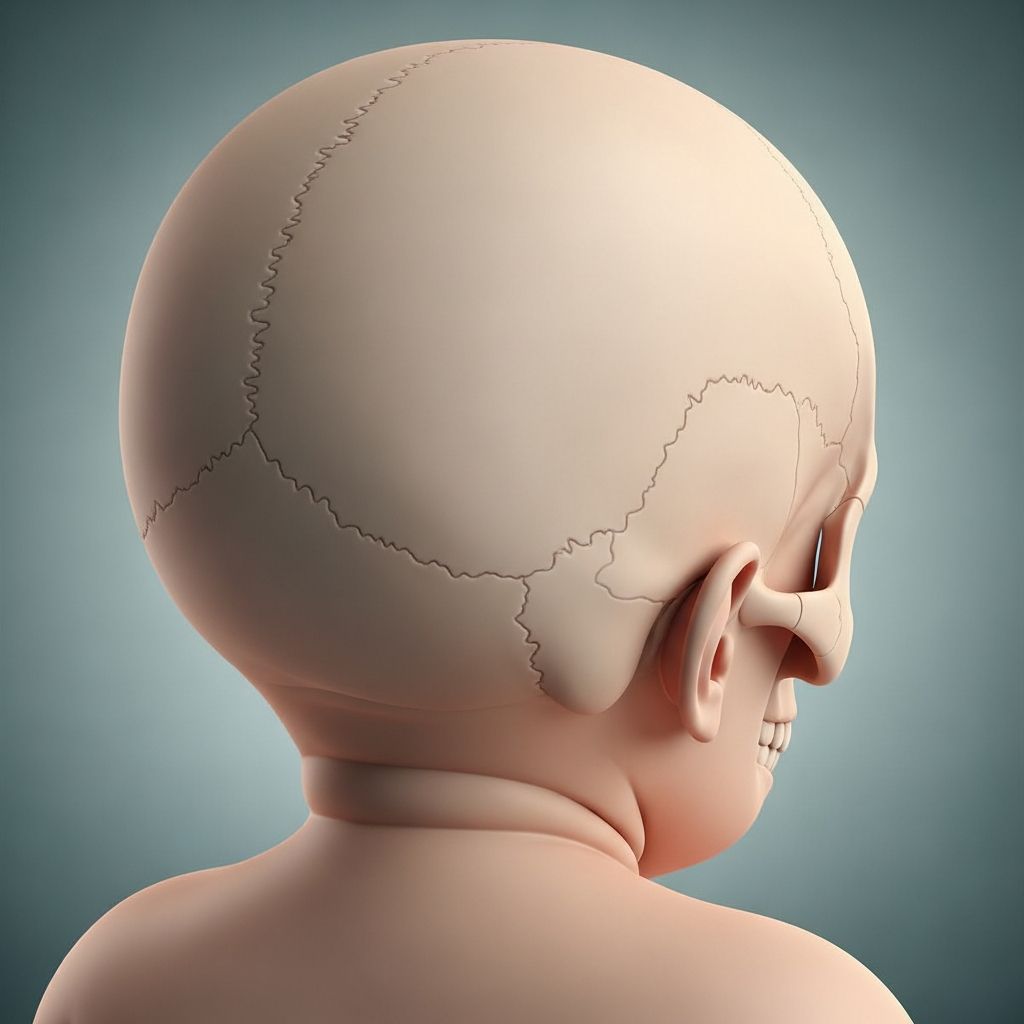
Deformational Plagiocephaly: Understanding Flat Head Syndrome in Infants
What is Deformational Plagiocephaly?
Deformational plagiocephaly, commonly referred to as flat head syndrome, is a condition characterized by a flattened, misshapen, or asymmetrical head caused by repeated pressure to the same area of the skull. The term “plagiocephaly” derives from Greek origins, combining “plagio” (meaning oblique) and “cephale” (meaning head), literally translating to “oblique head.” This condition represents the most common cause of abnormal head shape in infants and is distinctly different from other cranial disorders that may require surgical intervention.
When an infant’s skull experiences consistent pressure from one direction—typically from positioning during sleep, feeding, or play—the developing skull bones can gradually flatten in response to this external force. Since infant skulls are highly malleable and composed primarily of soft bones, they are particularly susceptible to reshaping when subjected to prolonged pressure from a single direction. The flattening typically appears either on the back of the head or on one side of the head, depending on the sleeping and resting positions the infant favors.
Causes and Risk Factors
The incidence of deformational plagiocephaly experienced a dramatic increase beginning in the early 1990s, following recommendations from the American Academy of Pediatrics that babies be placed on their backs during sleep to reduce the risk of Sudden Infant Death Syndrome (SIDS). While this positioning guideline has been crucial for preventing SIDS, it inadvertently created conditions favorable to the development of positional flattening in susceptible infants.
Most cases of deformational plagiocephaly occur in babies who spend significant time on their backs. When infants habitually favor one side while sleeping in the back position, repeated pressure on that specific area of the skull can result in gradual flattening. Current reports indicate that deformational plagiocephaly affects between 20 and 40 percent of infants, making it an increasingly common concern for parents and pediatric healthcare providers.
Several factors may increase the likelihood of developing deformational plagiocephaly:
– Prolonged time spent in one sleeping position- Limited tummy time during waking hours- Use of car seats, bouncers, or other devices that restrict head movement- Neck stiffness or torticollis, which may cause the infant to habitually favor one side- Birth trauma or intrauterine positioning constraints- Prematurity, which may extend the period of time an infant spends in a single position
It is important to note that deformational plagiocephaly can develop either during fetal development due to intrauterine positioning or after birth in infants who were otherwise born with a normal head shape.
Common Symptoms and Presentation
The visible signs of deformational plagiocephaly vary depending on the severity and location of the flattening. Parents and caregivers may notice several characteristic features:
– Flattening on one side of the back of the head- Asymmetrical head shape when viewed from above or behind- Bulging or prominence of the forehead- Forward displacement of the ear on the affected side- Head tilted to one side- Facial asymmetries, such as one eye appearing larger than the other- In severe cases, misalignment of facial features
Many infants with deformational plagiocephaly exhibit no other symptoms or functional problems. The condition is primarily a cosmetic concern rather than a functional or developmental issue. However, when torticollis (neck stiffness) accompanies plagiocephaly, infants may show limited neck mobility and discomfort with certain head positions.
Distinguishing Deformational Plagiocephaly from Other Conditions
Accurate diagnosis is essential because deformational plagiocephaly can be confused with craniosynostosis, particularly unilateral lambdoid synostosis and unicoronal synostosis. Understanding the distinction between these conditions is critical, as craniosynostosis requires different management approaches and potential surgical intervention.
Craniosynostosis is a condition in which one or more of the infant’s skull sutures fuse prematurely, preventing normal skull expansion and potentially causing elevated intracranial pressure if left untreated. In contrast, deformational plagiocephaly involves skull deformation due to external pressure rather than abnormal bone fusion. Infants with craniosynostosis may display additional symptoms such as visible bony ridges along the affected sutures, a bulging or full soft spot (fontanel), prominent blood vessels in the scalp, poor feeding, or even seizures in severe cases.
Diagnostic Approach
Deformational plagiocephaly is typically diagnosed through thorough physical evaluation by a clinician who specializes in treating craniofacial differences. An experienced healthcare provider can usually differentiate between deformational plagiocephaly and craniosynostosis through careful clinical examination and detailed measurement of skull asymmetry.
The diagnostic process generally includes:
– Comprehensive physical examination of the infant’s head shape and symmetry- Assessment of skull sutures to ensure they are properly open and not fused- Evaluation of facial symmetry and any associated features- Detailed history of the infant’s sleeping and resting positions- Assessment for associated conditions such as torticollis
In rare cases, the medical team may recommend a computed tomography (CT) scan to confirm the diagnosis and further evaluate the infant’s condition. Imaging is particularly important when craniosynostosis is suspected, as early identification of this condition is crucial for preventing complications such as elevated intracranial pressure. Craniofacial experts are readily able to differentiate between deformational plagiocephaly and craniosynostosis, making referral to specialists important for accurate diagnosis.
Treatment Options
Repositioning and Conservative Management
In most babies with deformational plagiocephaly caused by sleeping position, simple repositioning to place the infant off the flattened area will resolve the problem. This first-line treatment approach is non-invasive, cost-effective, and can be implemented immediately by parents and caregivers.
Conservative treatment strategies include:
– Varying the infant’s sleep position night to night- Rotating the crib to encourage the infant to turn their head in different directions- Increasing supervised tummy time during waking hours to strengthen neck muscles and reduce pressure on the back of the head- Using infant carriers and car seats strategically to limit prolonged pressure on one area- Physically turning the infant’s head gently to different positions during sleep- Providing toys and visual stimuli in various positions to encourage the infant to rotate their head
Repositioning works by shifting pressure more evenly over the infant’s entire head and simultaneously strengthening neck muscles, which improves overall head control and mobility. When repositioning is initiated early, before severe flattening develops, it is often highly effective in preventing or reversing mild deformation.
Helmet Therapy
If repositioning is not successful in addressing the problem, or if the deformation is moderate or severe and persists beyond six months, helmet therapy may be required. Helmet therapy, also known as orthotic helmet therapy or cranial remolding, works by fitting the skull tightly with a specially designed custom helmet in all areas except where it is flat.
The therapeutic principle behind helmet therapy is straightforward: by leaving extra room around the flat area of the head, the skull and brain are allowed to grow into the normal shape they were genetically programmed to develop. The helmet provides gentle, continuous pressure that guides and reshapes the skull as it grows. Helmet therapy is most effective when initiated between three and twelve months of age, when the skull remains highly malleable and growth is rapid.
Key considerations for helmet therapy include:
– Custom-fitted design based on precise head measurements- Typical wear time of 23 hours per day- Duration of treatment usually ranging from three to twelve months- Regular follow-up appointments to adjust the helmet as the skull grows- Excellent success rates when initiated at appropriate ages and worn consistently- Potential discomfort during initial adaptation period
Treatment of Associated Torticollis
Deformational plagiocephaly can be associated with torticollis, a condition characterized by tightness and limited range of motion in the neck muscles. The term “torticollis” literally means “a tight neck” and can result from structural anomalies such as fused or underdeveloped vertebrae, though it most commonly occurs as an isolated anomaly related to muscle tightness.
When torticollis is present, an infant may habitually sleep in one position and subsequently develop plagiocephaly. In the majority of cases, physical therapy designed to straighten and stretch the neck muscles will help to straighten the head and improve head posture. By treating the underlying torticollis and improving the infant’s ability to sleep comfortably in varied positions, the plagiocephaly often improves as a secondary benefit.
Physical therapy for torticollis typically involves gentle stretching exercises, positioning strategies, and techniques to promote symmetric neck strength. When physical therapy is effective in resolving torticollis, the need for helmet therapy may be obviated or minimized.
Long-Term Outcomes and Prognosis
Parents frequently express concerns about the potential long-term consequences of deformational plagiocephaly. However, reassuring evidence exists regarding outcomes. To date, no studies have shown that the flattened area of the skull leads to any compromise in neurocognitive function. This means that deformational plagiocephaly does not negatively impact brain development, intelligence, or learning abilities.
The long-term prognosis for deformational plagiocephaly is generally excellent. Most infants who receive early intervention through repositioning or helmet therapy experience significant improvement or complete resolution of their condition. Many cases resolve spontaneously without any formal treatment as the infant grows and the skull naturally remodels. Even in cases where some mild asymmetry persists into childhood or adulthood, the functional and developmental impacts are negligible.
The cosmetic appearance, however, may remain a consideration for some families. Early intervention typically prevents or minimizes the need for any future cosmetic intervention in adolescence or adulthood, making prompt diagnosis and treatment beneficial from both functional and aesthetic perspectives.
Prevention Strategies
While deformational plagiocephaly cannot always be prevented, several strategies can help reduce the risk of development while maintaining safe sleep practices:
– Continue to place baby on their back to sleep to reduce SIDS risk- Vary the position of the baby’s head from night to night- Increase supervised tummy time during waking hours- Limit time in car seats, bouncers, and other devices that restrict head movement- Rotate the crib position to encourage varied head positioning- Provide toys and stimuli in different locations to encourage head turning- Seek early evaluation if asymmetry is noticed
When to Seek Medical Evaluation
Parents should consider seeking medical evaluation if they notice any of the following:
– Persistent flattening on one side or back of the baby’s head- Noticeable asymmetry of the face or head- Head tilting to one side consistently- Limited neck mobility or difficulty turning the head in one direction- Bulging fontanel or visible bony ridges on the skull- Any signs of developmental delay or unusual symptoms
Early evaluation is particularly important because treatment is more effective when initiated in the first few months of life when the skull is most plastic and responsive to intervention.
Frequently Asked Questions
Q: Is deformational plagiocephaly serious?
A: Deformational plagiocephaly is not a serious medical condition and does not affect brain development or cognitive function. It is primarily a cosmetic concern related to head shape. However, early treatment can prevent progression and may prevent the need for future intervention.
Q: Can deformational plagiocephaly resolve on its own?
A: Yes, many cases of mild deformational plagiocephaly resolve spontaneously with simple repositioning strategies. However, moderate to severe cases may require helmet therapy for optimal outcomes.
Q: At what age should treatment begin?
A: Treatment is most effective when initiated early, ideally before four months of age. However, treatment can be beneficial at any age during infancy and early childhood when the skull remains malleable.
Q: How long does helmet therapy take?
A: Helmet therapy typically lasts between three and twelve months, depending on the severity of the deformation and the infant’s age at initiation. Most infants wear the helmet for approximately 23 hours per day during the treatment period.
Q: Will my baby need surgery?
A: Surgery is not typically required for deformational plagiocephaly. However, if your baby is diagnosed with craniosynostosis (a different condition), surgical intervention may be necessary. Your healthcare provider can distinguish between these conditions through proper evaluation.
Q: Is it safe to reposition my baby during sleep?
A: Yes, infant repositioning done correctly is not risky. However, it is important to maintain safe sleep practices by always placing your baby on their back to sleep to reduce SIDS risk, while varying the direction the head faces from night to night.
References
- Deformational Plagiocephaly — Children’s Hospital of Philadelphia. 2024. https://www.chop.edu/conditions-diseases/deformational-plagiocephaly
- Deformational Plagiocephaly — Weill Cornell Medicine Neurological Surgery. 2024. https://neurosurgery.weillcornell.edu/condition/deformational-plagiocephaly
- Pediatric Plagiocephaly: Conditions and Treatments — Children’s National Hospital. 2024. https://www.childrensnational.org/get-care/health-library/plagiocephaly
- Diagnosis and Treatment of Positional Plagiocephaly — National Center for Biotechnology Information. 2020. https://pmc.ncbi.nlm.nih.gov/articles/PMC7206465/
- Positional Plagiocephaly (Flat Head Syndrome) — Cleveland Clinic. 2024. https://my.clevelandclinic.org/health/diseases/10691-plagiocephaly-flat-head-syndrome
Similar Articles








Read full bio of medha deb