Degenerative Disc Disease: Symptoms, Causes & Treatment Guide
Understand degenerative disc disease: causes, symptoms, diagnosis, treatments, and prevention strategies for better spine health.
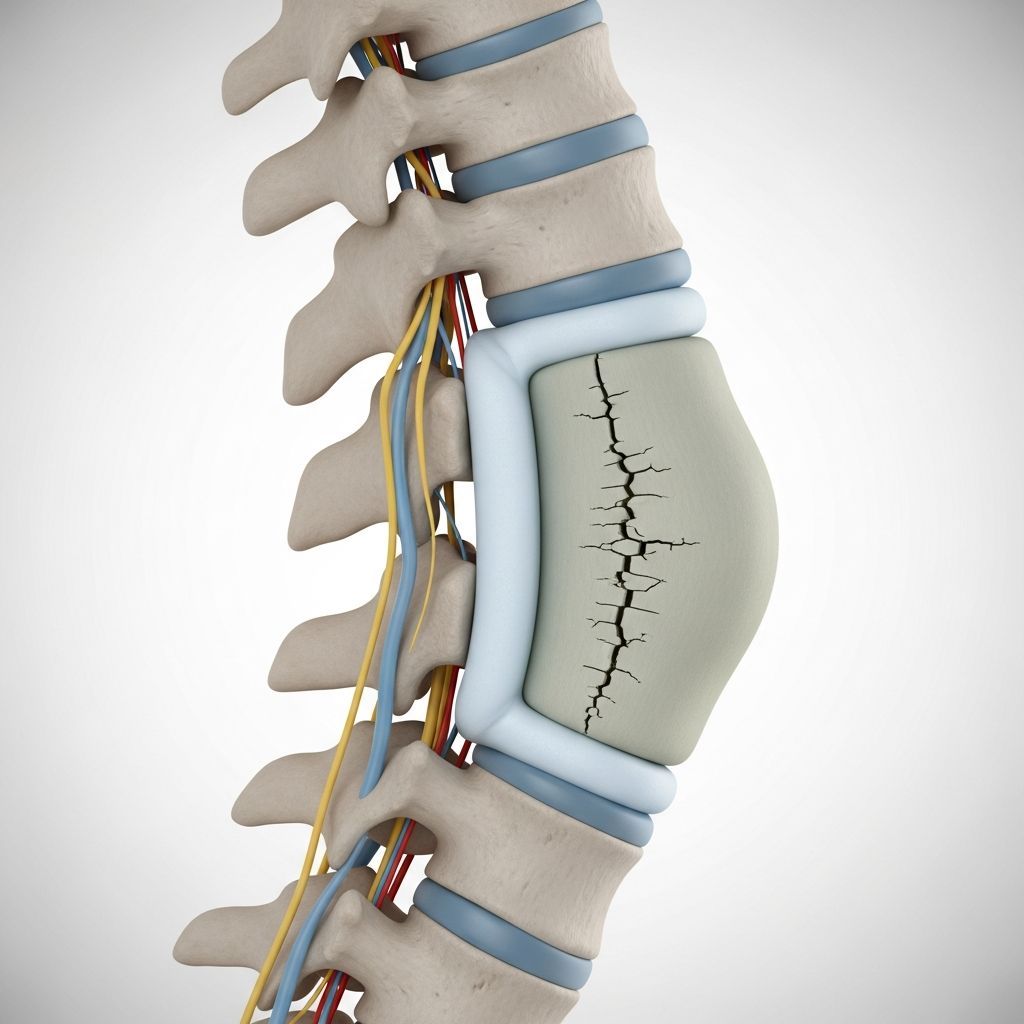
Degenerative disc disease (DDD) is a common spinal condition characterized by the breakdown of intervertebral discs, leading to back or neck pain, stiffness, and reduced mobility. Despite its name, DDD is not a true disease but a natural aging process that affects the spine’s cushioning discs, impacting millions worldwide, especially those over 40.
What Is Degenerative Disc Disease?
The spine consists of vertebrae separated by intervertebral discs, which act as shock absorbers, providing flexibility and support during movement. These discs have a tough outer layer called the annulus fibrosus and a gel-like inner core, the nucleus pulposus. In DDD, these discs lose hydration, elasticity, and height over time, leading to pain and instability.
DDD most commonly affects the lumbar (lower back) region due to its weight-bearing role, but it can also occur in the cervical (neck) or thoracic (mid-back) spine. Multilevel DDD, involving multiple discs, is frequent, and it often coexists with conditions like spinal stenosis, osteoarthritis, or spondylolisthesis.
- Disc Changes: Discs dehydrate, crack, and flatten, reducing space between vertebrae and potentially causing nerve compression.
- Not Always Symptomatic: Many people have disc degeneration on imaging without pain, highlighting that DDD refers to symptomatic wear-and-tear.
Symptoms of Degenerative Disc Disease
Symptoms vary by degeneration location and severity but typically include chronic pain exacerbated by activity. Pain is often mechanical, worsening with bending, lifting, or prolonged sitting/standing.
- Chronic Back or Neck Pain: Dull, aching pain in the lower back or neck, intermittent or constant, flaring with spinal stress.
- Radiating Pain (Radiculopathy/Sciatica): Pain, numbness, or weakness shooting into legs or arms if nerves are compressed.
- Stiffness and Reduced Flexibility: Difficulty bending or twisting, impacting daily tasks.
- Muscle Weakness or Tingling: From nerve irritation, especially in severe cases.
- Flare-Ups: Episodes of intense pain triggered by injury or overuse.
Symptoms often improve with rest but recur with activity, distinguishing DDD from acute injuries.
Causes and Risk Factors
DDD results from cumulative disc wear, primarily aging, but other factors accelerate it.
| Risk Factor | Description |
|---|---|
| Aging | Discs naturally lose water content after age 30, reducing shock absorption. |
| Genetics | Predisposition to faster degeneration in some families. |
| Lifestyle | Smoking, obesity, sedentary habits, or heavy lifting increase risk. |
| Injury/Trauma | Prior back injuries damage discs, hastening breakdown. |
| Occupation | Jobs with repetitive bending or vibration (e.g., driving) contribute. |
Diagnosis of Degenerative Disc Disease
Diagnosis begins with a medical history and physical exam, assessing pain patterns, flexibility, and neurological signs like reflexes or strength.
Related Stories



- Imaging Tests:
- X-rays: Show disc height loss, bone spurs, or alignment issues.
- MRI: Gold standard for visualizing disc degeneration, herniations, and nerve compression.
- CT Scans: Detail bone changes if MRI is contraindicated.
- Discography: Rarely used; injects dye into discs to pinpoint pain sources.
Doctors rule out mimics like herniated discs, fractures, or tumors.
Treatment Options for Degenerative Disc Disease
Most cases (90%) respond to conservative treatments; surgery is reserved for severe, refractory symptoms.
Conservative (Non-Surgical) Treatments
- Medications: NSAIDs (ibuprofen) for inflammation, muscle relaxants, or short-term opioids.
- Physical Therapy: Core strengthening, stretching, and posture training to stabilize the spine.
- Lifestyle Modifications: Weight loss, quitting smoking, ergonomic adjustments.
- Injections: Epidural steroids or facet blocks for targeted pain relief.
- Alternative Therapies: Chiropractic care, acupuncture, or yoga for symptom management.
Surgical Treatments
Surgery if conservative care fails after 6-12 weeks or with progressive neurology.
- Discectomy: Removes damaged disc portions.
- Spinal Fusion: Joins vertebrae to stabilize, using bone grafts or hardware.
- Artificial Disc Replacement: Replaces disc with a mobile implant, preserving motion.
- Laminectomy: Relieves nerve pressure in stenosis cases.
Prevention and Management Tips
While aging is inevitable, strategies can slow progression and reduce symptoms.
- Maintain healthy weight to lessen spinal load.
- Exercise regularly: Low-impact activities like swimming or walking.
- Practice good posture and ergonomics at work.
- Avoid smoking, which impairs disc nutrition.
- Strengthen core muscles for spine support.
Early intervention prevents flare-ups and complications.
Frequently Asked Questions (FAQs)
Is degenerative disc disease a true disease?
No, it’s a condition from natural disc wear-and-tear, not an inflammatory disease.
Can DDD be reversed?
Discs cannot regenerate fully, but symptoms can be managed effectively, and progression slowed.
Does DDD always worsen with age?
Pain often stabilizes or improves; degeneration continues but may not intensify symptoms.
Is surgery necessary for DDD?
Rarely; most improve with non-surgical options.
How does DDD differ from a herniated disc?
DDD is general wear; herniation is nucleus extrusion through annulus tears, often secondary to DDD.
References
- Degenerative Disc Disease: Symptoms, Causes, and Treatment Options — Heart and Health. 2023. https://heartandhealth.com/degenerative-disc-disease-symptoms-causes-and-treatment-options/
- Degenerative Disc Disease: Can You Stop Its Progression? — Hospital for Special Surgery (HSS). 2024-10-15. https://www.hss.edu/health-library/conditions-and-treatments/list/degenerative-disc-disease
- Degenerative Disc Disease — National Spine Health Foundation. 2023. https://spinehealth.org/article/degenerative-disc-disease/
- What Is Degenerative Disc Disease? — Spine-health. 2024. https://www.spine-health.com/conditions/degenerative-disc-disease/what-degenerative-disc-disease
- Degenerative Disc Disease — Cedars-Sinai. 2024. https://www.cedars-sinai.org/health-library/diseases-and-conditions/d/degenerative-disc-disease.html
Similar Articles








Read full bio of Sneha Tete