Degenerative Disk Disease: Symptoms, Causes & Treatment
Understanding degenerative disk disease: causes, symptoms, and effective treatment options for pain relief.
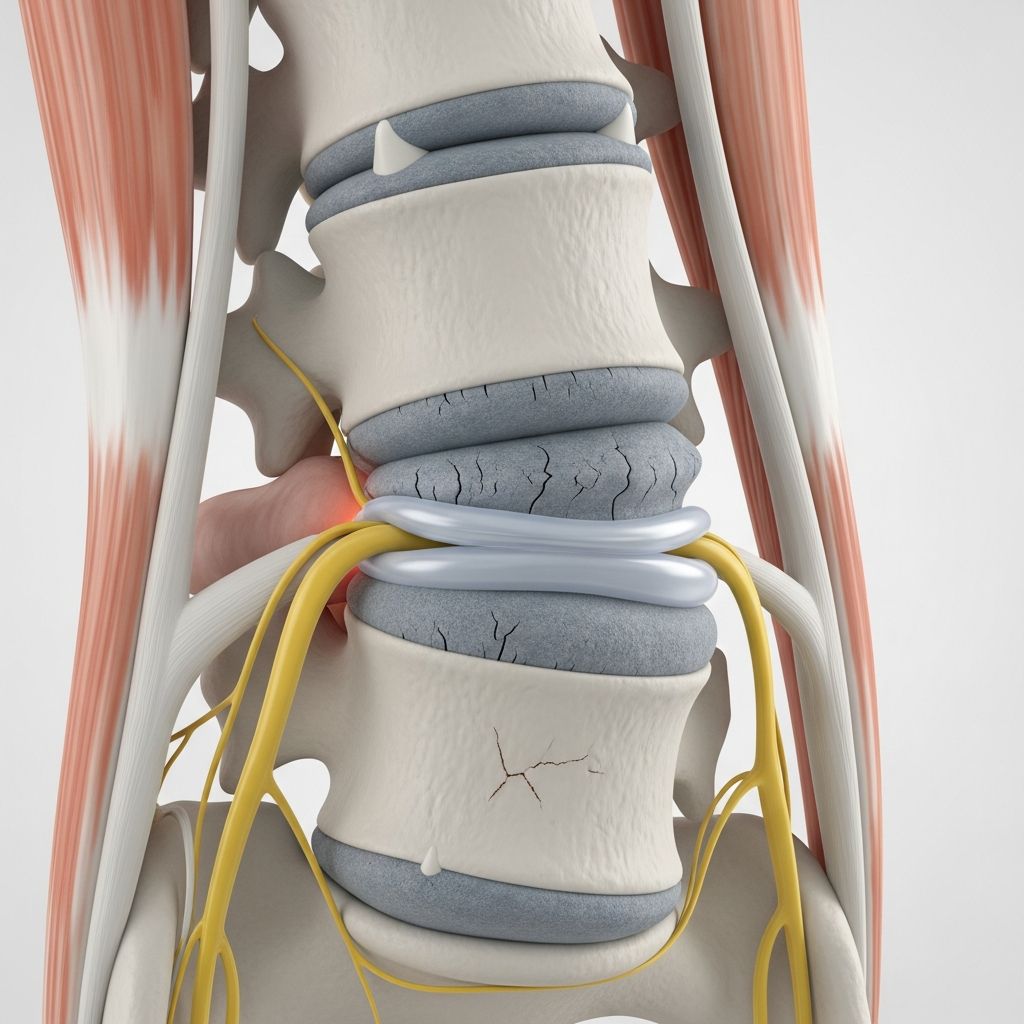
Understanding Degenerative Disk Disease
Degenerative disk disease (sometimes referred to as degenerative disc disease) is not actually a disease in the traditional sense, but rather a natural condition that occurs when the spinal disks begin to wear down over time. This process is a normal part of aging that affects nearly everyone as they grow older. Spinal disks are rubbery cushions positioned between the vertebrae—the bones that make up your spinal column. These disks serve as shock absorbers and enable comfortable movement, allowing you to bend, twist, and move freely throughout your daily activities.
While everyone’s spinal disks degenerate naturally as part of the aging process, not everyone develops symptoms from this condition. In fact, many people have significant disk degeneration visible on imaging scans without experiencing any pain or discomfort whatsoever. After age 40, most people experience some level of spinal degeneration, though this affects approximately 5% of adults who develop actual back pain related to the condition.
What Happens When Disks Deteriorate
When spinal disks wear away and lose their cushioning ability, the bones of the vertebrae can begin to rub together directly. This bone-on-bone contact can trigger various complications and symptoms. The wear and tear process can lead to pain, inflammation, and other spinal problems that affect your quality of life and mobility. Degenerative disk disease most commonly impacts the lower back, known as the lumbar spine, or the neck area, referred to as the cervical spine. These regions bear significant weight and stress during daily activities, making them particularly vulnerable to degeneration.
Risk Factors and Causes
While aging is the primary cause of disk degeneration, several factors can increase your risk of developing degenerative disk disease or accelerate the process. Understanding these risk factors can help you take preventive measures to protect your spinal health.
Key risk factors include:
- Age—most commonly affects individuals 40 years and older
- Genetic predisposition to spinal conditions
- Repetitive stress on the spine from work or activities
- Previous spinal injuries or trauma
- Poor posture habits over extended periods
- Smoking, which can reduce disk nutrition
- Obesity and excess weight placing additional stress on spinal disks
- Sedentary lifestyle with insufficient physical activity
Recognizing Symptoms of Degenerative Disk Disease
The most common symptoms of degenerative disk disease are neck pain and back pain. However, the characteristics of this pain can vary significantly from person to person. Some individuals may experience pain that is constant and severe, while others notice discomfort that comes and goes or only appears during certain activities.
Pain associated with degenerative disk disease often has specific characteristics:
- Pain that worsens when sitting for prolonged periods
- Discomfort that increases with bending, twisting, or lifting movements
- Stiffness in the morning that may improve with movement
- Symptoms that may intensify after physical activity
- Pain that alternates between periods of intensity and relative relief
- Numbness or tingling sensations radiating into the arms or legs
- Reduced flexibility and range of motion in the spine
Related Stories



It’s important to recognize that spinal disks wear down naturally, and not everyone with disk degeneration develops pain. You might experience pain if your spinal disks have herniated, bulged, or if bone spurs have developed from the degenerative process. Additionally, if nerve roots are compressed or irritated, you may experience radiating pain, weakness, or numbness in the extremities.
Degenerated Disks and Associated Spinal Conditions
Degenerated disks can increase your risk of developing other spinal conditions beyond the degeneration itself. Common spine problems that may develop include:
- Herniated disks, where the disk material ruptures and leaks
- Bone spurs (osteophytes) that form from degenerative changes
- Spinal stenosis, a narrowing of the spinal canal
- Spondylolisthesis, where vertebrae slip out of alignment
- Facet joint arthritis affecting the joints between vertebrae
Diagnosis of Degenerative Disk Disease
To diagnose degenerative disk disease, your healthcare provider will begin by asking detailed questions about your symptoms, medical history, and how the pain affects your daily activities. Your doctor may inquire about when the pain started, what activities make it worse or better, and whether you have experienced any trauma or injury to your spine.
Your healthcare provider may conduct a physical examination to assess:
- Range of motion and flexibility in your spine
- Strength and muscle function
- Reflexes and neurological response
- Areas of tenderness or pain
- Signs of nerve compression or irritation
Imaging scans play a crucial role in diagnosing degenerative disk disease. Your healthcare provider may order:
- X-rays: To show the alignment and spacing of vertebrae
- CT scans: To provide detailed cross-sectional images of the spine
- MRI scans: To visualize soft tissues, including disks and nerve roots, in great detail
These imaging tests allow your healthcare provider to assess the state and alignment of your disks and identify any structural changes associated with degeneration.
Staging Degenerative Disk Disease
Healthcare providers use a four-stage classification system to categorize the severity of degenerative disk disease:
| Stage | Description |
|---|---|
| Stage 1 | Minimal degeneration with minimal symptoms or structural changes |
| Stage 2 | Mild degeneration with some disk height loss and mild symptoms |
| Stage 3 | Moderate degeneration with significant structural changes and variable symptoms |
| Stage 4 | Severe degeneration with extensive structural changes and potentially significant symptoms |
Treatment Options for Degenerative Disk Disease
Most people do not require surgery for degenerative disk disease, and healthcare providers typically recommend noninvasive treatment options first. These conservative approaches focus on managing pain, improving function, and preventing further deterioration.
Nonsurgical Treatments
Effective noninvasive treatment options include:
- Over-the-counter or prescription medications to manage pain and inflammation
- Physical therapy and structured exercise programs to strengthen supporting muscles
- Spinal injections, such as epidural steroid injections, to reduce inflammation and pain
- Manual therapy and chiropractic care to improve mobility
- Activity modification and rest during flare-ups
- Heat and cold therapy to manage symptoms
At-Home Remedies and Self-Care
Many people find temporary pain relief through at-home treatments, though these are not long-term solutions for severely degenerated disks. At-home approaches may include:
- Applying heat to ease muscle tension and stiffness
- Using ice to reduce inflammation and acute pain
- Gentle stretching exercises to improve flexibility
- Modified activities to avoid painful movements
- Proper ergonomics when sitting and working
- Maintaining a healthy weight to reduce spinal stress
Surgical Treatment Options
If you have tried multiple nonsurgical treatments without adequate relief and continue to experience persistent pain and weakness, surgery may be recommended. Most people who have surgery for degenerative disk disease experience long-term pain relief. However, surgery is typically considered only after conservative treatments have been exhausted.
Common surgical approaches include:
- Spinal decompression surgery: Removes bone spurs or disk material compressing nerve roots
- Disk replacement surgery: Removes the damaged disk and replaces it with an artificial disk
- Spinal fusion surgery: Permanently joins two vertebrae to stabilize the spine
- Laminectomy: Removes part of the vertebra to relieve pressure on nerves
Even after surgery, you need to continue exercising and stretching to keep your back strong and maintain long-term health outcomes.
Prevention and Management Strategies
You can prevent or slow the progression of spinal degeneration through intentional lifestyle changes and healthy habits:
- Maintain proper posture during work and daily activities
- Engage in regular, low-impact exercise such as walking or swimming
- Perform core-strengthening exercises to support your spine
- Maintain a healthy body weight to reduce spinal stress
- Avoid smoking, which reduces disk nutrition
- Use proper lifting techniques and avoid repetitive strain
- Take frequent breaks from sitting and change positions regularly
- Sleep on a supportive mattress in a neutral spinal position
- Manage stress through relaxation techniques
Things to avoid with degenerative disk disease include high-impact activities, heavy lifting without proper technique, prolonged sitting in poor posture, smoking, and activities that cause sharp or shooting pain.
Long-Term Management and Living with Degenerative Disk Disease
Many people successfully manage degenerative disk disease long-term using a combination of nonsurgical and at-home treatments. If you have mild to moderate back pain, you’ll need to continue treatment to keep the pain at bay. Most individuals benefit from a comprehensive approach that includes regular physical therapy, appropriate medications, lifestyle modifications, and ongoing exercise.
The key to successful management is finding the right combination of treatments that works for your specific situation and maintaining consistency with your treatment plan. Regular communication with your healthcare provider helps ensure your treatment remains effective and adjusted as needed.
Frequently Asked Questions
Q: Is degenerative disk disease a serious condition?
A: While degenerative disk disease is a common condition affecting most people after age 40, it is not necessarily serious. Many people have significant disk degeneration without experiencing any symptoms. The condition becomes more concerning when it causes chronic pain or neurological symptoms, but these can usually be managed effectively with conservative treatments.
Q: Can degenerative disk disease be reversed?
A: Unfortunately, degenerative disk disease cannot be reversed, as it is a natural part of aging. However, progression can be slowed through lifestyle changes, and symptoms can be effectively managed through various treatment approaches. Modern treatments focus on pain relief and maintaining function rather than reversing the degeneration.
Q: When should I consider surgery for degenerative disk disease?
A: Surgery is typically considered only after trying multiple nonsurgical treatments without adequate relief and when you have persistent pain and/or weakness that affects your quality of life. Your healthcare provider can help determine if you are a good surgical candidate.
Q: Does exercise help degenerative disk disease?
A: Yes, regular exercise is highly beneficial for degenerative disk disease. Physical therapy with core-strengthening exercises helps support your spine, improve flexibility, and reduce pain. Low-impact activities like walking and swimming are particularly beneficial.
Q: Can I prevent degenerative disk disease?
A: While you cannot completely prevent degenerative disk disease since it is a natural part of aging, you can slow its progression through healthy lifestyle choices including maintaining good posture, staying physically active, avoiding smoking, maintaining a healthy weight, and using proper body mechanics.
References
- Degenerative Disk Disease: What It Is, Symptoms & Treatment — Cleveland Clinic. 2025-02-04. https://my.clevelandclinic.org/health/diseases/16912-degenerative-disk-disease
- How to Take Care of Your Aching Back as You Age — Cleveland Clinic Health. https://health.clevelandclinic.org/how-to-take-care-of-your-aching-back-as-you-age
- Spinal Degeneration Typically Begins in Our 30s — Triangle Decompression. https://www.triangledecompression.com/post/spinal-degeneration-typically-begins-in-our-30-s-1
- Degenerative Disc Disease: What Are the Newest Treatments? — Watauga Orthopedic. 2025-06-06. https://www.wataugaortho.com/2025/06/06/degenerative-disc-disease-what-are-the-newest-treatments/
- Lumbar Spine: What It Is, Anatomy & Disorders — Cleveland Clinic. https://my.clevelandclinic.org/health/articles/22396-lumbar-spine
- Spondylolisthesis: What Is It, Causes, Symptoms & Treatment — Cleveland Clinic. https://my.clevelandclinic.org/health/diseases/10302-spondylolisthesis
- Spinal Decompression Therapy: Lower Back Pain & Back Pain Relief — Cleveland Clinic. https://my.clevelandclinic.org/health/treatments/10874-spinal-decompression-therapy
Similar Articles








Read full bio of medha deb