Dehydration and Heat Stroke: Prevention and Treatment
Understanding dehydration and heat stroke: causes, symptoms, prevention, and emergency treatment.
Understanding Dehydration and Heat Stroke
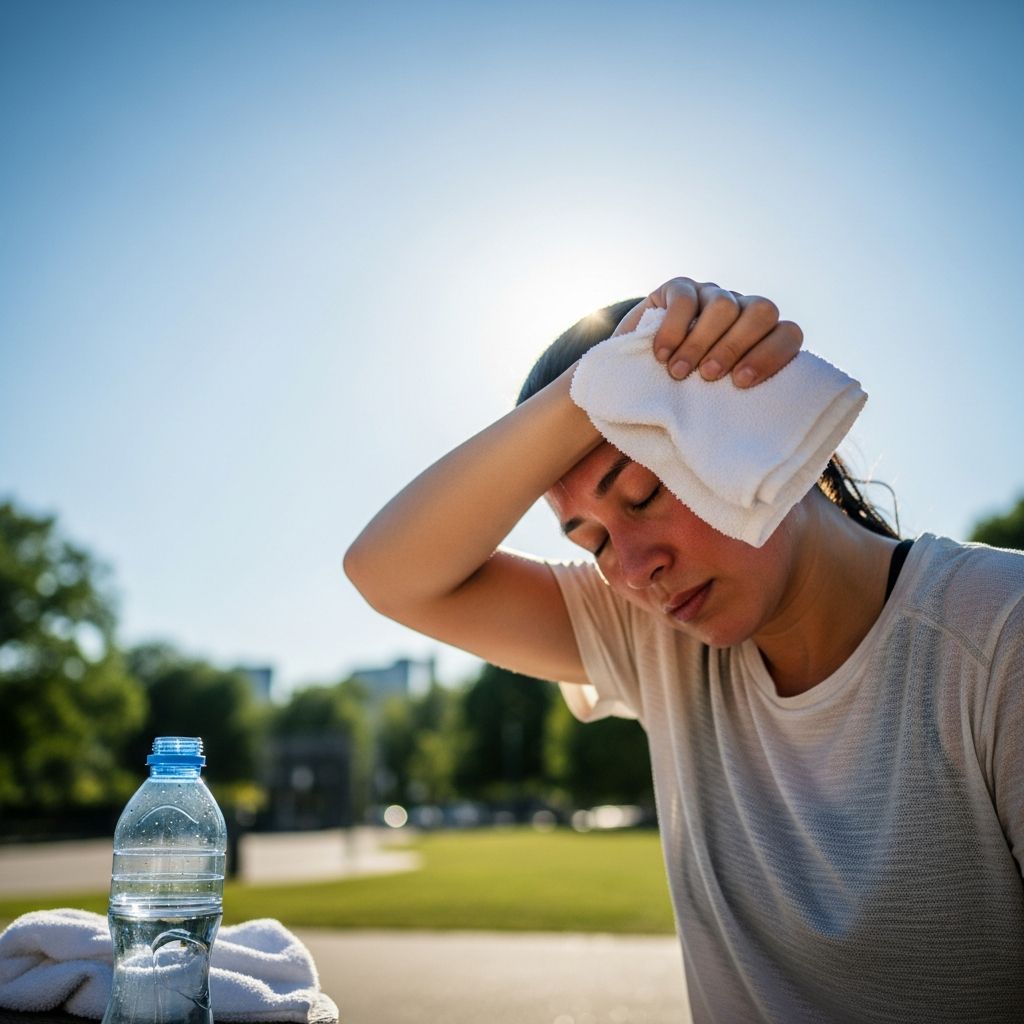
Dehydration and heat stroke are two interconnected heat-related illnesses that pose serious health risks, especially during summer months and heat waves. Dehydration occurs when the body loses more fluid than it takes in, compromising the body’s ability to regulate temperature and maintain essential functions. Heat stroke, the most severe form of heat illness, develops when the body’s core temperature rises dangerously high and the cooling mechanisms fail. Understanding these conditions, recognizing their warning signs, and knowing how to prevent them are critical for maintaining health and safety in hot environments.
What is Dehydration?
Dehydration happens when your body doesn’t have enough water and other fluids to function properly. When exposed to high temperatures, the body loses significant amounts of fluid through sweating as it attempts to cool itself down. This fluid loss is accompanied by the loss of essential electrolytes, minerals that regulate nerve and muscle function. Without adequate fluid replacement, dehydration develops progressively, impairing multiple body systems and increasing the risk of more severe heat-related illnesses.
The body’s ability to regulate temperature depends critically on the production and evaporation of sweat. Dehydration hampers the body’s capacity to produce enough sweat to cool down through evaporation, causing body temperature to rise uncontrollably. Without sufficient fluids, the internal mechanisms that keep us safe in heat environments become compromised, setting the stage for heat exhaustion and potentially fatal heat stroke.
The Connection Between Dehydration and Heat Stroke
Heat stroke represents the most serious end of the heat illness spectrum. While heat exhaustion is uncomfortable and concerning, heat stroke is a medical emergency that requires immediate professional intervention. The relationship between dehydration and heat stroke is direct: severe dehydration causes heat exhaustion, which can rapidly progress to heat stroke if not treated promptly.
Heat stroke occurs when core body temperature exceeds 104°F (40°C) and the body’s thermoregulatory system fails. At this critical point, the body can no longer effectively cool itself, and organ damage becomes imminent. Dehydration accelerates this progression by reducing the volume of blood available for circulation and impairing sweat production, both essential cooling mechanisms.
Recognizing the Symptoms of Dehydration
Early recognition of dehydration symptoms allows for prompt intervention before the condition progresses to heat stroke. Common signs that your body is losing fluids faster than they’re being replaced include:
- Persistent thirst and dry mouth
- Dark yellow or amber-colored urine
- Reduced frequency of urination
- Dizziness and light-headedness
- Fatigue and weakness
- Headache
- Dry skin that lacks elasticity
- Increased heart rate
- Confusion or difficulty concentrating
- Muscle cramps
- Reduced sweating
- Clammy skin
- Chills and nausea
Importantly, thirst is not a reliable early warning sign because by the time you feel thirsty, you are already somewhat dehydrated. This is why monitoring other indicators, particularly urine color, is more effective for staying ahead of dehydration.
Symptoms of Heat Stroke
Heat stroke symptoms develop rapidly and represent a medical emergency requiring immediate 911 response. Warning signs of heat stroke include:
- Core body temperature of 104°F (40°C) or higher
- Hot, red, dry skin or profuse sweating
- Confusion or altered mental status
- Loss of consciousness or fainting
- Seizures
- Severe headache
- Nausea and vomiting
- Rapid, strong pulse
- Slurred speech
The key distinction is that during heat stroke, sweating may actually stop despite dangerously high body temperature. This cessation of sweating indicates that the body’s cooling mechanisms have failed completely, representing a critical emergency.
Related Stories



Dehydration in Children and Vulnerable Populations
Children show different dehydration symptoms than adults and require special attention during hot weather. Warning signs in children include the absence of tears when crying, no wet diaper for several hours, sunken eyes or cheeks, unusual irritability, and skin that remains tented after gently pinching it and releasing. Children also experience the same general symptoms as adults, including excessive thirst and fatigue.
Certain populations face elevated risk for heat-related illnesses and require proactive hydration strategies: outdoor workers exposed to sun throughout workdays, athletes engaged in strenuous activity in heat, infants and young children with immature temperature regulation, older adults whose thirst mechanism may be diminished, and individuals with chronic medical conditions. People taking certain medications should also be particularly cautious, as some drugs affect the body’s ability to regulate temperature or maintain fluid balance.
Why Hydration is Critical for Heat Safety
Proper hydration is the most effective defense against heat-related illnesses. When well-hydrated, the body maintains adequate blood volume and viscosity necessary for efficient circulation and temperature regulation. Adequate fluid intake enables the body to produce sufficient sweat, the primary cooling mechanism during heat exposure.
Hydration also maintains cardiovascular stability during heat stress. When dehydrated, blood becomes thicker and more concentrated, forcing the heart to work harder to pump it throughout the body. This increased workload impairs blood flow to vital organs, including the brain, increasing the risk of fainting and other serious complications. Maintaining proper hydration helps sustain cardiovascular stability, supports oxygen delivery to tissues, and enhances overall endurance in hot environments.
Dehydration also impairs cognitive function, potentially affecting judgment and decision-making ability. Research shows that losing just 1 to 2 percent of body weight during exercise can cause a decrease in performance and concentration, which could lead to injury. Higher fluid losses can directly cause heat illness such as heat exhaustion or heat stroke.
Effective Hydration Strategies During Hot Weather
Preventing dehydration requires a proactive approach that doesn’t rely solely on thirst as a signal to drink. The Occupational Safety and Health Administration recommends consuming at least one cup (8 ounces) of water every 20 minutes when outdoors in high temperatures, particularly during physical activity. This consistent intake helps maintain optimal hydration levels throughout the day.
Choose appropriate beverages carefully. Water is the best choice for most people, but electrolyte-rich drinks containing sodium and potassium are beneficial during extended exercise or heat exposure lasting more than one hour. Avoid alcohol and caffeinated beverages, as these promote additional fluid loss through increased urination and can actually worsen dehydration.
Hydrating foods with high water content also contribute to overall fluid intake. Watermelon, oranges, cucumbers, grapes, and similar fruits and vegetables help replenish fluids and essential minerals. Eating these foods as part of a balanced diet supports hydration alongside direct fluid consumption.
Monitor your body’s hydration status through multiple indicators rather than relying on thirst alone. Urine color serves as an excellent gauge: pale yellow indicates good hydration, while dark yellow or amber-colored urine signals insufficient fluid intake. Establish a hydration schedule rather than drinking only when thirsty, and ensure hydration breaks every 15 to 20 minutes during physical activity in heat.
Risk Factors and Vulnerable Groups
Several factors increase susceptibility to dehydration and heat stroke. Age extremes—very young children and older adults—face particular vulnerability. Outdoor workers, including construction workers, agricultural workers, and athletes, experience prolonged heat exposure and high fluid losses through sweating. Certain medical conditions, including diabetes and heart disease, increase heat illness risk. Medications affecting fluid balance, such as diuretics, and those influencing temperature regulation also elevate vulnerability.
Physical fitness level matters significantly. Trained athletes actually have higher sweat rates and greater heat production due to more intense work, increasing their fluid requirements. However, heat acclimatization—gradual exposure to heat over several weeks—improves the body’s ability to dissipate heat and conserves sodium, enhancing performance in hot environments.
Environmental factors beyond temperature also influence risk. High humidity impairs sweat evaporation, the primary cooling mechanism, making the body work harder to maintain safe temperature. Direct sun exposure without protection increases radiant heat gain. Low air movement reduces convective cooling. These environmental conditions combined with individual risk factors create dangerous situations requiring heightened vigilance.
Prevention and First Aid for Dehydration
Prevention of dehydration begins with consistent fluid intake throughout the day. Drink water regularly, not just when thirsty. During outdoor activities or exercise in heat, establish a hydration schedule and stick to it. Wear lightweight, light-colored, breathable clothing that allows sweat to evaporate efficiently. Limit time in direct sun during peak heat hours, typically 10 a.m. to 4 p.m.
If dehydration develops, begin rehydration immediately. Drink water or electrolyte solutions gradually rather than consuming large quantities at once, which can cause nausea. Rest in a cool environment and remove excess clothing. Monitor symptoms closely, and seek medical help if symptoms worsen or don’t improve within 30 minutes of rehydration efforts.
Emergency Treatment of Heat Stroke
Heat stroke requires immediate emergency medical care. Call 911 without delay if heat stroke is suspected. While waiting for emergency services, move the person to a cool location and begin cooling measures immediately. Remove excess clothing and apply cool water to the skin, or immerse in cool water if possible. Use fans to enhance evaporative cooling. Apply ice packs to areas with major blood vessels near the surface, such as the neck, armpits, and groin. Continue cooling efforts until emergency responders arrive and take over care.
Do not give fluids by mouth if the person is confused or unconscious, as this increases aspiration risk. If the person loses consciousness or seizes, position them on their side to maintain an open airway. Stay with the person and monitor their condition until professional medical help arrives.
The Physiological Impact of Heat and Dehydration
Heat stress and dehydration produce synergistic physiological effects that compound each other’s dangers. Heat stress elevates body tissue temperatures, stimulating sweating and blood vessel dilation as the body attempts to shed excess heat. Dehydration from sweating creates a more concentrated body fluid, reducing blood volume and making the blood thicker. The combination of reduced blood volume and elevated temperature dramatically increases cardiovascular strain.
Both heat stress and dehydration independently reduce central venous pressure and stroke volume—the amount of blood the heart pumps with each beat. They increase the body’s metabolic rate and glucose utilization, increase oxidative stress, and trigger various neuro-endocrine responses. When combined, these effects become synergistic, meaning they magnify each other’s impact, creating a compounding stress on all body systems. This is why heat and dehydration together pose far greater risk than either condition alone.
Special Considerations for Athletes and Active Individuals
Athletes require particular attention to hydration because intense exercise generates significant internal heat in addition to environmental heat. The combination dramatically elevates sweat rate and fluid loss. Athletes should hydrate throughout the day, not just during training sessions. Research shows that athletes have markedly expanded blood volume from training, which supports performance, but they still require careful hydration management during heat exposure.
Heat acclimatization—gradually increasing exercise duration and intensity in the heat over 10 to 14 days—improves the body’s ability to handle heat stress. Acclimatized athletes show expanded blood plasma volume, lower heart rates during submaximal exercise, and improved aerobic capacity in hot conditions. However, maintaining proper hydration remains critical even for acclimatized athletes.
Frequently Asked Questions
Q: How much water should I drink daily to prevent dehydration?
A: General recommendations suggest eight 8-ounce glasses daily, but individual needs vary based on activity level, climate, and health status. During hot weather or physical activity, increase intake to maintain pale yellow urine color and prevent thirst.
Q: Can I drink too much water?
A: Yes, excessive water consumption without electrolyte replacement can cause hyponatremia, a dangerous condition where blood sodium becomes dangerously diluted. During prolonged exercise lasting more than one hour, include electrolyte-containing beverages.
Q: What’s the difference between heat exhaustion and heat stroke?
A: Heat exhaustion is a precursor to heat stroke, characterized by heavy sweating, weakness, and dizziness, but the person remains conscious. Heat stroke involves core temperature exceeding 104°F and represents a medical emergency requiring immediate 911 response.
Q: Are older adults at higher risk for heat-related illness?
A: Yes, older adults have reduced thirst sensation, decreased ability to sweat efficiently, and often take medications affecting temperature regulation, making them more vulnerable to dehydration and heat stroke.
Q: Can I prevent heat stroke?
A: Yes, heat stroke is largely preventable through consistent hydration, limiting sun exposure during peak heat hours, wearing appropriate clothing, and monitoring for early dehydration symptoms.
References
- Importance Of Hydration In Reducing The Risk Of Heat Stroke — High Point Residence. 2024. https://www.thehighpointresidence.com/blog/importance-of-hydration-in-reducing-the-risk-of-heat-stroke
- Johns Hopkins All Children’s Sports Medicine – Hydration — Johns Hopkins Medicine. https://www.youtube.com/watch?v=ZcAXt0iNV_I
- Heat stress and dehydration in adapting for performance: Good, bad and ugly — National Center for Biotechnology Information (PubMed Central). 2016. https://pmc.ncbi.nlm.nih.gov/articles/PMC5356617/
- Occupational Safety and Health Administration Guidance on Heat Illness Prevention — U.S. Department of Labor. https://www.osha.gov/heat
Similar Articles








Read full bio of Sneha Tete