Dehydration Headache: Symptoms, Causes, Relief, Prevention
Learn the signs, causes, treatments, and prevention strategies for headaches triggered by dehydration to stay pain-free.
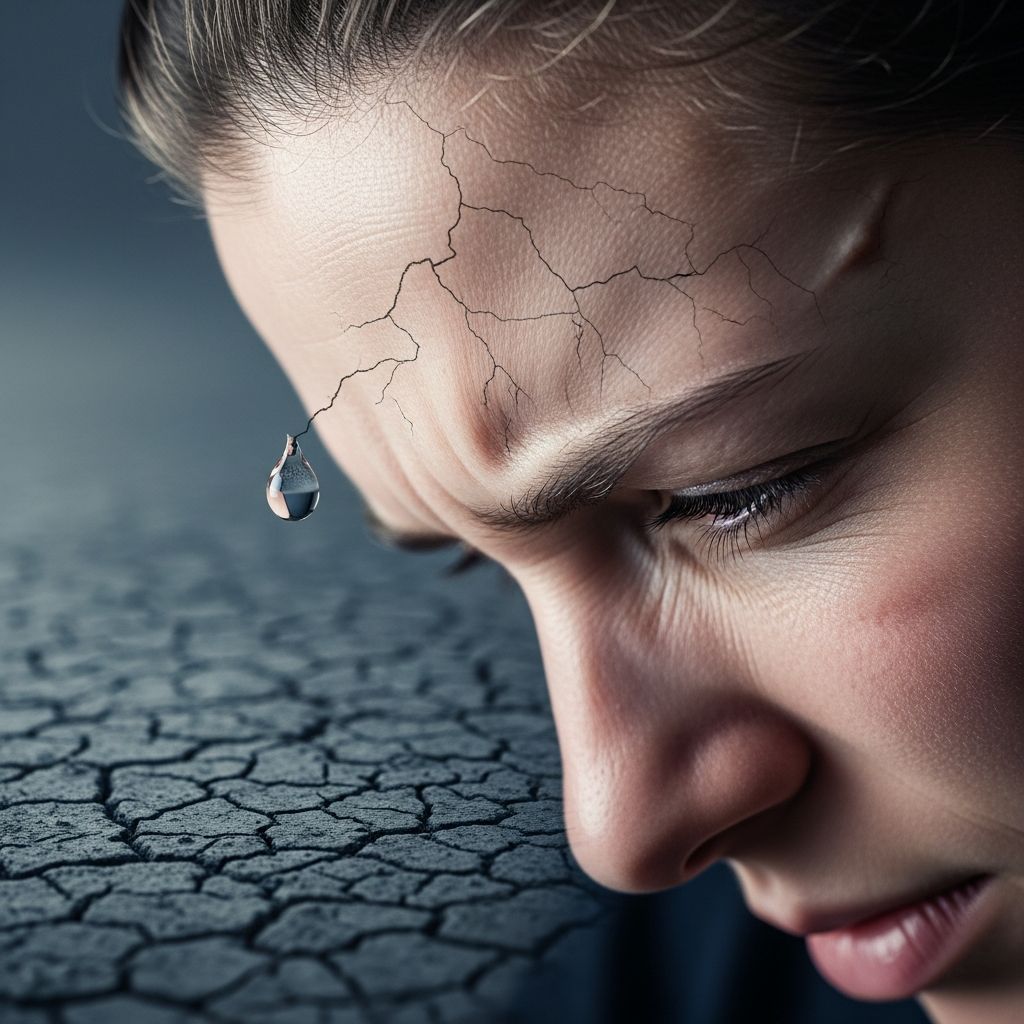
Dehydration headaches arise when the body loses excessive fluids and electrolytes, leading to temporary brain contraction that pulls away from the skull, triggering pain. Replenishing fluids typically resolves the issue quickly, making it one of the most treatable headache types.
What Is a Dehydration Headache?
A
dehydration headache
is a specific type of headache caused by insufficient fluid balance in the body, disrupting normal brain function and electrolyte levels like sodium and potassium. Unlike tension headaches or migraines, it stems directly from hypohydration, where water loss exceeds intake, affecting cellular processes and pain sensitivity.The brain, which is about 75% water, relies on proper hydration for volume maintenance. When dehydrated, it shrinks slightly, stretching pain-sensitive membranes (meninges) and blood vessels, per the Monro-Kelli doctrine. This can manifest as dull aches or severe throbbing, often worsening with head movement. Mild dehydration suffices to provoke symptoms, without needing severe fluid loss.
Dehydration Headache Symptoms
Dehydration headaches vary in intensity but share common traits with overall dehydration signs. Pain can be diffuse across the head or localized to the front, back, or sides, resembling migraines in sharpness.
- Headache characteristics: Dull throbbing, pulsing, or migraine-like intensity; worsens with activity or position changes.
- Accompanying dehydration symptoms: Dry mouth, dark urine, reduced urination, dizziness, fatigue, dry skin, rapid heartbeat.
- Severe indicators: Sunken eyes, no sweating, fever, confusion, or unconsciousness signaling medical emergency.
Other mechanisms include heightened pain response, low blood pressure causing orthostatic headaches, or links to postural orthostatic tachycardia syndrome (POTS). Women with migraines drinking ~2L daily report fewer attacks, shorter duration, and less disability.
Causes and Risk Factors of Dehydration Headaches
Dehydration occurs when fluid output surpasses intake, depleting electrolytes essential for nerve and muscle function. Primary causes include:
- Intense physical activity or hot environments causing sweat loss.
- Illnesses like diarrhea, vomiting, or fever accelerating fluid depletion.
- Excessive urination from diuretics, diabetes, or kidney issues.
- High altitude, burns, or poor water intake.
Certain groups face higher risks: athletes, elderly, children, those with chronic conditions (e.g., cystic fibrosis, diabetes), or people on dehydrating meds. Dehydration can exacerbate primary headaches like migraines or tension-types by lowering attack thresholds via brain hypertonicity.
| Risk Factor | Description | Examples |
|---|---|---|
| Environmental | Heat or exercise-induced sweating | Marathons, saunas |
| Medical | Conditions causing fluid loss | Diarrhea, diabetes |
| Lifestyle | Inadequate intake | Low water consumption, caffeine/alcohol excess |
| Demographic | Vulnerable populations | Children, seniors |
How Dehydration Causes Headaches: The Science
Exact mechanisms remain multifactorial, but key theories include brain tissue contraction from fluid deficit, leading to dural tension. Dehydration induces hypertonicity, exerting traction on meninges and vessels.
Additional pathways: Reduced blood volume causes low pressure headaches; heightened nociception amplifies pain; in POTS, poor blood return to the heart triggers symptoms. Studies show increased water intake (1.5-2L extra daily) reduces migraine frequency and severity, though not always statistically significant. High-altitude headaches correlate with dehydration in military personnel.
Related Stories



Dehydration Headache Treatment and Remedies
Treatment prioritizes rehydration and symptom relief. For mild cases:
- Drink water, oral rehydration solutions, or electrolyte sports drinks.
- Suck ice cubes for gradual absorption.
- Rest in cool areas, limit activity to curb further loss.
- Avoid caffeine/alcohol, which are diuretics.
Severe dehydration requires IV fluids from professionals. Over-the-counter pain relievers like ibuprofen may help, but address hydration first. A 2005 pilot and follow-up study found extra water cut headache hours and medication use.
When to See a Doctor for Dehydration Headaches
Seek immediate care if headaches persist post-rehydration, or with severe signs like confusion, no urine output, or seizures. Frequent occurrences warrant checks for underlying issues like migraines or chronic conditions. Differentiate from other headaches; consult if nausea, vision changes, or neck stiffness accompany.
Prevention Tips: How to Avoid Dehydration Headaches
Prevention is straightforward:
- Hydrate proactively: Aim for 2-3L daily, more during activity/heat. Urine should be pale yellow.
- Eat hydrating foods: Watermelon, cucumbers, oranges.
- Monitor intake: Use apps or reminders; limit diuretics.
- Adapt to conditions: Extra fluids in heat, illness, or altitude.
For migraineurs, consistent 2L+ intake lowers attack risks.
Dehydration Headache vs. Other Headaches
| Type | Pain Location | Triggers | Relief |
|---|---|---|---|
| Dehydration | Whole head, throbbing | Fluid loss | Water/electrolytes |
| Tension | Band-like | Stress | Rest, NSAIDs |
| Migraine | One-sided, pulsing | Hormones, foods | Triptans |
| Cluster | Around eye | Unknown | Oxygen |
Dehydration often worsens migraines but resolves faster with fluids.
Frequently Asked Questions (FAQs)
How long does a dehydration headache last?
Typically 30 minutes to 3 hours after rehydrating, but severe cases may linger until fluids balance.
Can mild dehydration cause headaches?
Yes, even slight fluid loss (1-2% body weight) can trigger headaches.
Is coffee bad for dehydration headaches?
Caffeine dehydrates; avoid during episodes.
Do electrolytes help dehydration headaches?
Yes, they restore mineral balance faster than water alone.
Can dehydration cause migraines?
It exacerbates or triggers them by lowering thresholds.
This comprehensive guide empowers you to recognize, treat, and prevent dehydration headaches, promoting better hydration habits for headache-free days. (Word count: 1678)
References
- Dehydration headaches: Signs, treatment, and prevention — Medical News Today. 2023-10-11. https://www.medicalnewstoday.com/articles/317511
- Dehydration Headache: Symptoms, Causes, and Treatment — Healthgrades. 2024-05-15. https://resources.healthgrades.com/right-care/migraine-and-headache/dehydration-headache
- Dehydration and Headache — PubMed Central (PMC). 2021-07-01. https://pmc.ncbi.nlm.nih.gov/articles/PMC8280611/
Similar Articles








Read full bio of medha deb