Undefined Delayed Sleep Phase Disorder: Complete Guide
Understand the causes, symptoms, and effective strategies for managing delayed sleep phase disorder to reclaim restful nights and productive days.
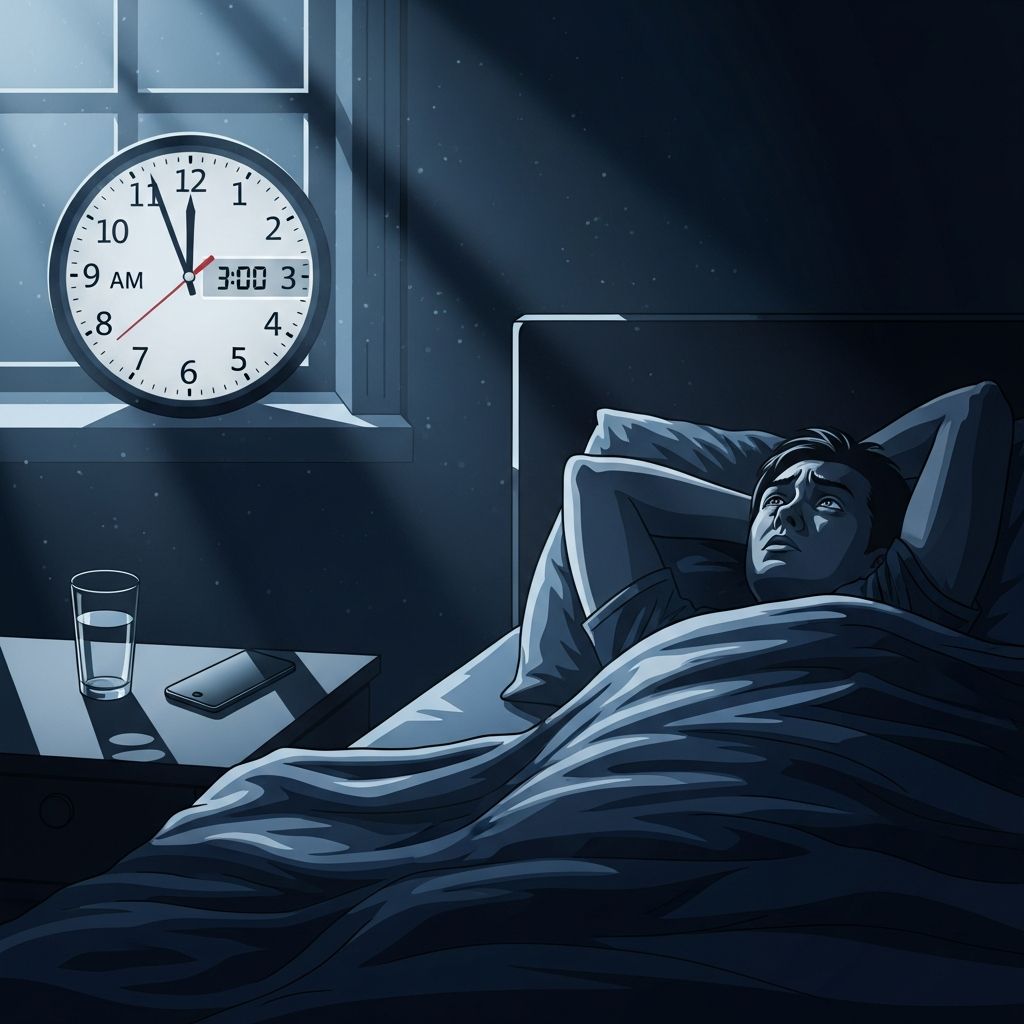
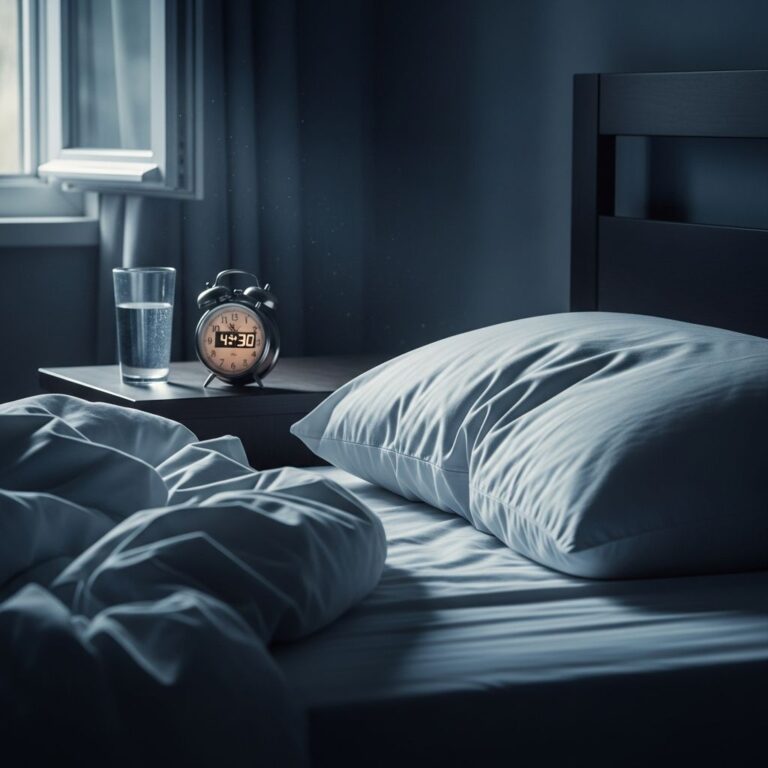
Delayed sleep phase disorder (DSPS), also known as delayed sleep-wake phase disorder, disrupts the body’s internal clock, pushing sleep onset and wake times several hours later than conventional schedules. This condition affects an estimated 7-13% of individuals seeking help for chronic insomnia, often leading to significant challenges in daily functioning.
Recognizing the Core Symptoms
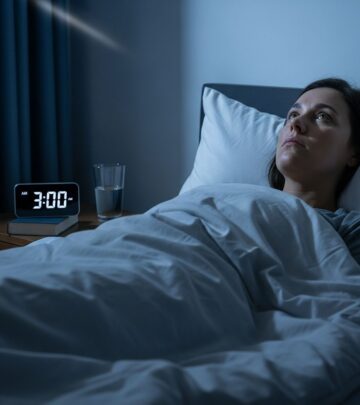
The hallmark of DSPS is a persistent inability to fall asleep at typical evening hours, such as 10 PM or midnight, with natural sleep onset occurring between 2 AM and 6 AM or later. Wake times follow suit, often extending past noon, making alignment with standard work, school, or social demands nearly impossible.
- Chronic Late Sleep Onset: Bedtime consistently delayed by 2-6 hours beyond societal norms, persisting for at least three months.
- Morning Wake Difficulties: Extreme grogginess, known as sleep inertia, and inability to rise early despite alarms or obligations.
- Daytime Impairment: Excessive sleepiness, reduced concentration, memory lapses, and impaired decision-making throughout the day.
- Evening Alertness Surge: Heightened energy and focus as night progresses, contrasting with midday fatigue.
- Associated Mood Issues: Increased risk of depression, irritability, and in some cases, substance misuse to force sleep or alertness.
These symptoms intensify with irregular schedules, such as shift work or travel, exacerbating the misalignment between biological rhythms and external cues.
Unraveling the Underlying Causes
DSPS stems from a misalignment in the circadian rhythm, the 24-hour internal cycle governing sleep-wake patterns, body temperature, hormone release, and alertness peaks. Unlike typical clocks synced to dawn-dusk cycles, those with DSPS exhibit a longer intrinsic period, often exceeding 24 hours, or heightened sensitivity to evening light that delays the clock further.
| Factor | Description | Impact on Circadian Rhythm |
|---|---|---|
| Genetic Predisposition | Inherited variations in clock genes lengthen the natural cycle. | Delays melatonin onset, primary sleep signal. |
| Light Exposure Patterns | Excess evening blue light from screens suppresses melatonin. | Phase delays clock; insufficient morning light fails to advance it. |
| Adolescent Biology | Natural pubertal shift exaggerates delay in teens. | Promotes later sleep preferences during growth years. |
| Neurological Factors | Brain injury or degenerative changes disrupt timing systems. | Alters responsiveness to zeitgebers like light and activity. |
Research indicates a familial pattern, with family history increasing risk, underscoring genetic contributions over mere lifestyle choices. Environmental triggers, like prolonged bed rest or jet lag, can precipitate or worsen episodes, but core dysregulation lies in the suprachiasmatic nucleus, the brain’s master clock.
Diagnosis: Mapping Your Sleep Patterns
Diagnosing DSPS requires ruling out other conditions like insomnia, depression, or hypersomnias such as narcolepsy. Clinicians rely on detailed histories, sleep diaries tracking bedtimes, sleep onset, wake times, and alertness for 1-2 weeks, and actigraphy—wrist devices monitoring movement to infer sleep.
- Sleep logs reveal stable late patterns even on free days, distinguishing DSPS from voluntary late nights.
- Dim light melatonin onset (DLMO) tests measure hormone timing, confirming delay.
- Polysomnography may assess sleep quality, often showing prolonged onset latency and fragmentation in DSPS.
Related Stories



Per ICSD-3 criteria, symptoms must persist three months, not better explained by other disorders, with ad-lib sleep maintaining the delay but improving quality.
Comprehensive Treatment Approaches
Management combines behavioral, phototherapeutic, and pharmacological strategies to advance the circadian phase gradually, typically 15-30 minutes daily.
Chronotherapy Techniques
Structured schedules realign rhythms without forcing unnatural bedtimes.
- Gradual Phase Advance: Shift bedtime/wake time earlier by 15-30 minutes nightly until aligned.
- Light Therapy: 10,000 lux bright light upon waking (30-60 minutes) advances the clock; avoid evenings.
- Dark Therapy: Blue-blocking glasses or dim environments post-sunset minimize delays.
Pharmacological Aids
Melatonin (0.5-5 mg) timed 7-9 hours before natural sleep onset strategically shifts phases. Low-dose morning tasimelteon may help, but consult specialists to avoid rebound effects.
Lifestyle Modifications
- Consistent daily routines, morning outdoor activity, and minimized caffeine/alcohol.
- Screen curfews 2 hours pre-bed; wind-down rituals promote homeostasis.
For non-responders, cognitive behavioral therapy for insomnia (CBT-I) addresses perpetuating habits.
Navigating Impacts on Daily Life
DSPS profoundly affects adolescents and young adults, compromising academic performance, job attendance, and relationships. Teens face amplified risks due to biological shifts and screen habits. Long-term, untreated cases link to mood disorders, with poorer sleep efficiency fueling cycles of fatigue.
Workarounds include flexible schedules, afternoon shifts, or remote options. Support networks educate employers/schools on the biological basis, countering misconceptions of laziness.
Special Considerations for Teens and Families
Adolescence naturally delays rhythms by 2-3 hours; DSPS exaggerates this, blending with social media use. Parental strategies: enforce device-free evenings, morning sunlight exposure, and consistent wake times. Early intervention prevents chronicity into adulthood.
Frequently Asked Questions (FAQs)
Is DSPS the same as being a night owl?
No, night owls adapt somewhat; DSPS prevents voluntary alignment despite efforts.
Can DSPS develop suddenly in adults?
Rarely; often lifelong or triggered by trauma/shifts, but genetic roots predominate.
How long does treatment take?
Weeks to months with adherence; maintenance prevents relapse.
Does DSPS affect sleep quality when finally asleep?
Often fragmented with longer onset and awakenings, reducing efficiency.
Are there home tests for DSPS?
Sleep diaries help, but professional evaluation confirms via actigraphy/DLMO.
Prevention and Long-Term Outlook
While genetic, proactive habits mitigate severity: prioritize morning light, limit evening screens, maintain routines. With treatment, most achieve functional alignment, improving quality of life. Ongoing research into chronobiology promises targeted therapies.
References
- Delayed Sleep Phase Disorder – Sleep Foundation — Sleep Foundation. 2023-10-01. https://www.sleepfoundation.org/delayed-sleep-wake-phase-syndrome
- Delayed Sleep Phase Syndrome (DSPS): Symptoms & Treatment — Cleveland Clinic. 2023-05-15. https://my.clevelandclinic.org/health/diseases/14295-delayed-sleep-phase-syndrome-dsps
- Delayed sleep phase disorder – Wikipedia — Wikipedia. 2024-01-20. https://en.wikipedia.org/wiki/Delayed_sleep_phase_disorder
- Delayed Sleep-Wake Phase Disorder in Teens — Nemours KidsHealth. 2023-08-10. https://kidshealth.org/en/parents/delayed-sleep-teens.html
- Delayed sleep phase – Symptoms and causes — Mayo Clinic. 2024-02-12. https://www.mayoclinic.org/diseases-conditions/delayed-sleep-phase/symptoms-causes/syc-20353340
- Updates and confounding factors in delayed sleep–wake phase disorder — PMC (NCBI). 2023-02-28. https://pmc.ncbi.nlm.nih.gov/articles/PMC9979143/
Similar Articles








Read full bio of Sneha Tete