Delayed Sleep Phase Syndrome: 4 Effective Treatments To Try
Understanding delayed sleep phase syndrome: symptoms, causes, diagnosis, and effective treatments to realign your internal clock.
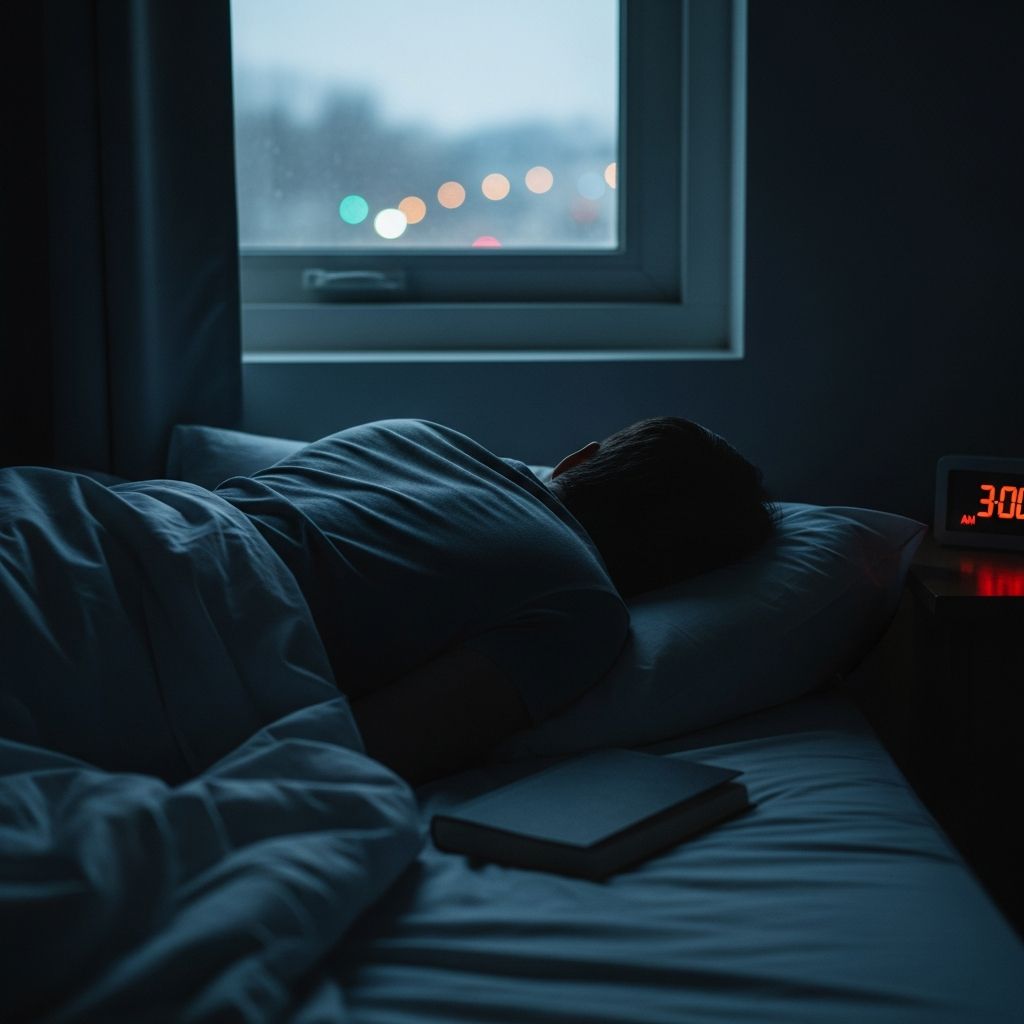
Delayed sleep phase syndrome (DSPS), also known as delayed sleep-wake phase disorder, is a circadian rhythm sleep disorder that shifts your internal body clock, making it hard to fall asleep and wake up at conventional times. People with DSPS often cannot sleep before 2 a.m. or later and struggle to rise before late morning, leading to chronic sleep deprivation during weekdays.
What Is Delayed Sleep Phase Syndrome?
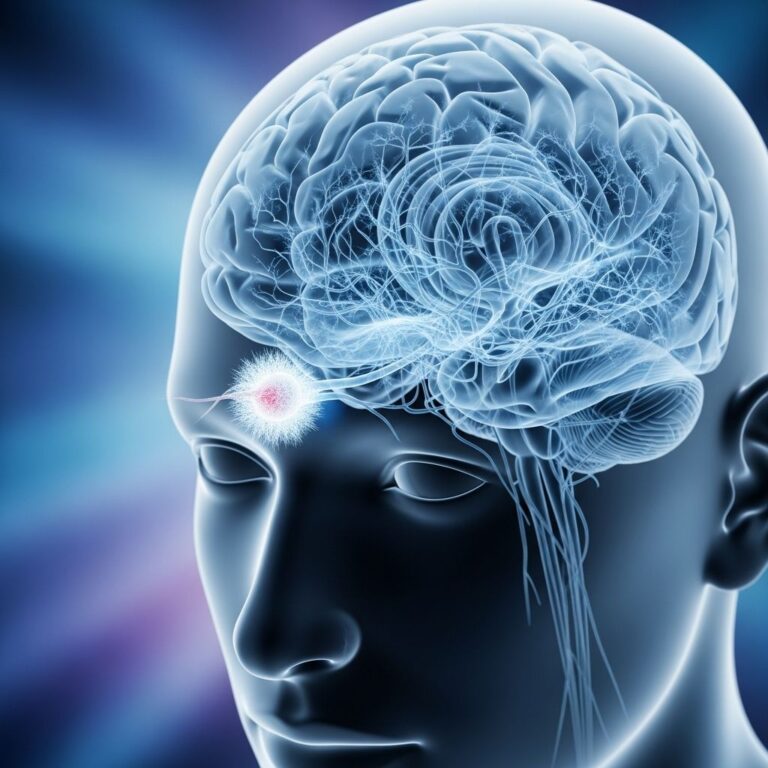
DSPS involves a delay in the timing of biological rhythms, including sleep propensity, by two or more hours compared to societal norms. Your circadian rhythm, the 24-hour internal clock regulating sleep-wake cycles, body temperature, and hormone release, runs longer than average in DSPS, often exceeding 24 hours. This misalignment causes peak alertness in the evening and extreme difficulty falling asleep early or waking early.
Unlike voluntary night owl preferences, DSPS is involuntary and persistent. When allowed free schedules, individuals sleep normally but on a delayed phase, typically falling asleep after midnight and waking in the afternoon. This disorder affects 0.2-10% of the population, more commonly adolescents and young adults.
Symptoms of Delayed Sleep Phase Syndrome
Symptoms revolve around an inability to initiate sleep at desired times despite exhaustion, contrasted with easy sleep onset on preferred late schedules. Key symptoms include:
- Inability to fall asleep before 2-6 a.m., even when tired during the day.
- Difficulty waking up in time for school, work, or obligations, often sleeping until 10 a.m. or later on free days.
- Daytime sleepiness and fatigue, impairing concentration, performance, and mood.
- Evening alertness surge, with peak energy, body temperature, and performance late at night.
- Short sleep duration on weekdays due to early alarms, followed by catch-up sleep on weekends.
These can mimic teen laziness but stem from biological misalignment. Symptoms must persist for at least three months and not be better explained by other disorders.
Causes and Risk Factors
DSPS arises from a combination of genetic and environmental factors disrupting circadian timing.
Genetic Factors
Genetic mutations lengthen the circadian period, delaying melatonin onset (DLMO), the marker of sleep drive. Family history increases risk; if a close relative has DSPS, your odds rise significantly. No direct genetic test exists, but research links it to clock gene variants.
Other Contributors
- Puberty and adolescence: Hormonal changes delay rhythms naturally, peaking DSPS prevalence in teens.
- Light exposure: Evening blue light from screens suppresses melatonin, exacerbating delays.
- Comorbidities: Links to ADHD (75% overlap), depression, autism, and seasonal affective disorder (SAD).
In SAD-DSPS overlap, rhythms desynchronize seasonally, worsening winter symptoms.
Diagnosis of Delayed Sleep Phase Syndrome
Diagnosis relies on clinical history, sleep diaries, and ruling out other conditions like insomnia or narcolepsy. No single test confirms DSPS; providers assess:
Related Stories



- Sleep logs tracking bedtimes, sleep onset, wake times, and daytime alertness for 1-2 weeks.
- Dim light melatonin onset (DLMO) test: Saliva samples measure melatonin timing under dim light.
- Actigraphy: Wrist device monitors activity patterns over weeks.
- Polysomnography (sleep study): Rarely used, to exclude apnea or hypersomnias.
| Method | Purpose | Duration |
|---|---|---|
| Sleep Diary | Track patterns | 1-2 weeks |
| DLMO Test | Measure circadian phase | Evening samples |
| Actigraphy | Movement-based rhythm | 1-4 weeks |
Criteria: Sleep delayed ≥2 hours from desired; normal sleep quality on free schedule; symptoms >3 months.
Treatment Options for Delayed Sleep Phase Syndrome
Treatment aims to advance circadian phase without curing the underlying long period. Multimodal approaches work best.
Chronotherapy
Chronotherapy: Gradually delay bedtime by 3 hours daily until aligning with desired schedule (e.g., 2 a.m. to 5 a.m., repeat until 11 p.m.). Risky due to week-long commitment; relapse common.
Light Therapy
Bright light therapy: 10,000 lux morning light (30-60 min) upon waking advances phase. Avoid evening light. Effective for DSPS-SAD overlap.
Exogenous Melatonin
Low-dose melatonin (0.5-3 mg) 5-7 hours before preferred bedtime or post-wake advances DLMO. Timed precisely for phase advance.
Behavioral Interventions
- Sleep hygiene: Consistent schedule, no screens 1 hour pre-bed, morning sunlight.
- Cognitive behavioral therapy for insomnia (CBT-I): Addresses sleep anxiety.
- Strategic naps: Avoid or limit to early afternoon.
Combination therapies yield best outcomes; adherence key for sustained improvement.
Complications and Long-Term Effects
Untreated DSPS leads to:
- Academic/occupational impairment: Tardiness, poor performance.
- Mood disorders: Depression, anxiety from chronic deprivation.
- Health risks: Obesity, cardiovascular disease, weakened immunity.
- Social isolation: Missing events, strained relationships.
Early intervention prevents these; prognosis excellent with treatment.
Living with Delayed Sleep Phase Syndrome
Accommodations like later shifts help, but treatment enables flexibility. Track progress with diaries; adjust therapies. Support groups aid coping. Consult specialists if symptoms persist.
Frequently Asked Questions (FAQs)
Is delayed sleep phase syndrome the same as being a night owl?
No. Night owls prefer late schedules voluntarily; DSPS patients cannot sleep earlier despite trying, with biological delays confirmed by tests.
Can children have DSPS?
Yes, though rarer; often emerges in puberty. Genetic basis suggests familial screening.
Does DSPS go away with age?
It may improve post-adolescence, but many adults persist. Treatment manages lifelong.
Is medication the only treatment?
No. Light therapy, melatonin, and behavior changes are first-line; meds adjunctive.
How long until treatment works?
Weeks to months with adherence. Consistency crucial.
References
- Delayed Sleep Phase Syndrome (DSPS): Symptoms & Treatment — Cleveland Clinic. 2023-10-12. https://my.clevelandclinic.org/health/diseases/14295-delayed-sleep-phase-syndrome-dsps
- Delayed Sleep Phase Syndrome (DSPS) — Advocate Health Care. 2024-05-15. https://www.advocatehealth.com/health-services/sleep-medicine/delayed-sleep-phase-syndrome
- Delayed sleep phase – Symptoms and causes — Mayo Clinic. 2024-02-20. https://www.mayoclinic.org/diseases-conditions/delayed-sleep-phase/symptoms-causes/syc-20353340
- Delayed sleep phase syndrome is related to seasonal affective disorder — National Library of Medicine, NIH. 2011-08-15. https://pmc.ncbi.nlm.nih.gov/articles/PMC3163003/
- Delayed Sleep Phase Syndrome (DSPS) — Stanford Health Care. 2023-11-01. https://stanfordhealthcare.org/medical-conditions/sleep/delayed-sleep-phase-syndrome.html
Similar Articles








Read full bio of Sneha Tete