Delusions Of Parasitosis: Diagnosis, Management, And Outlook
Understanding the fixed belief of parasitic infestation: causes, symptoms, diagnosis, and effective treatments.
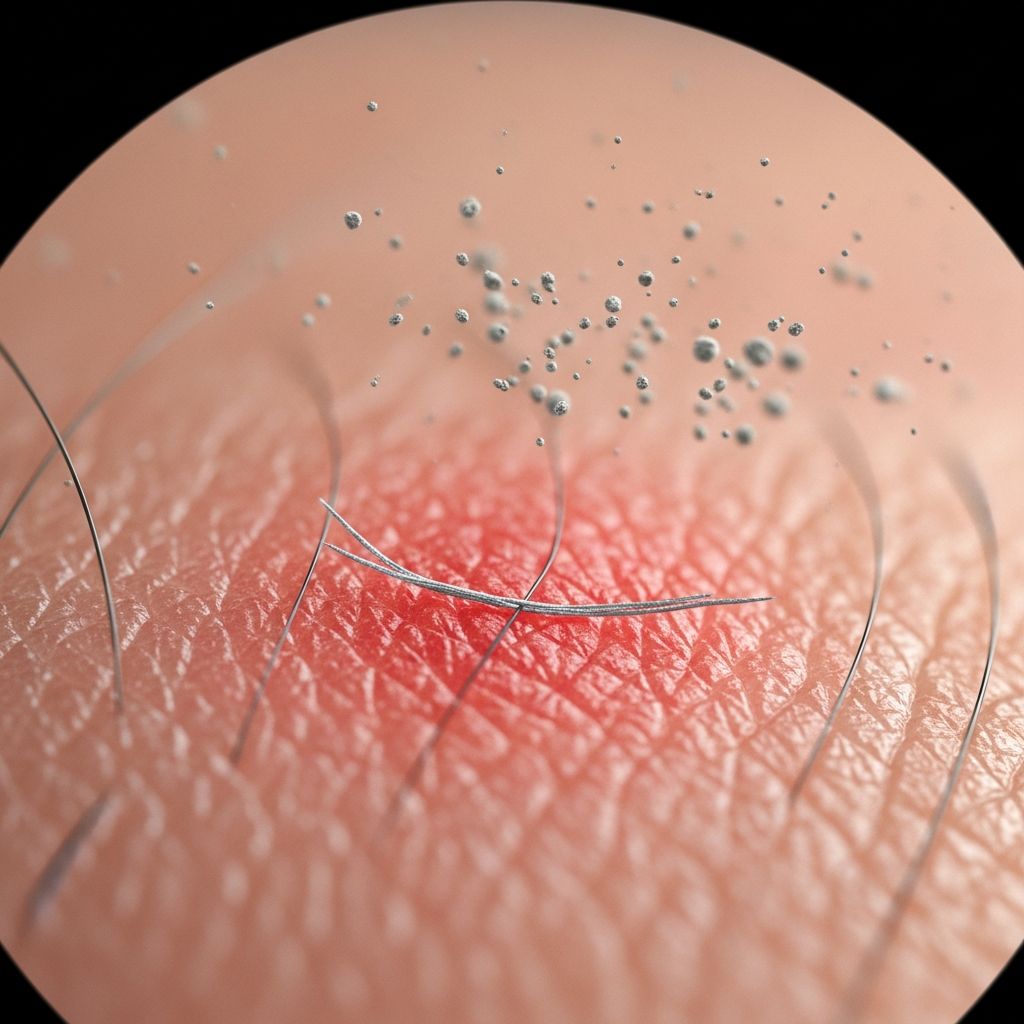
Delusions of parasitosis is a condition in which sufferers have a fixed, firm but erroneous belief that they are infested by living organisms.
What is delusions of parasitosis?
Delusions of parasitosis, also known as delusional infestation, delusional parasitosis, parasitophobia, psychogenic parasitosis, or Ekbom syndrome, is a rare psychiatric disorder characterized by the unshakable conviction that one’s body or environment is infested with parasites such as lice, fleas, fungi, yeasts, worms, or even lizards, despite lack of medical evidence. This monosymptomatic hypochondriacal psychosis often presents without other thought disorders and is not secondary to broader psychiatric illnesses in its primary form. Patients experience intense crawling, biting, or stinging sensations (formication), leading to compulsive scratching, excoriations, and self-inflicted skin lesions that perpetuate the cycle of perceived infestation.
The condition predominantly affects middle-aged to elderly individuals, with a higher prevalence in women for primary cases and men for secondary forms associated with substance abuse. Sufferers often collect debris like skin flakes, scabs, lint, or dried plant material, presenting them as ‘proof’ of infestation—a phenomenon termed the ‘matchbox sign’ or ‘specimen sign’. This belief is so entrenched that patients resist psychiatric evaluation, frequently seeking repeated consultations from dermatologists, entomologists, or pest control experts.
Who gets delusions of parasitosis?
Primary delusions of parasitosis occur without underlying medical or psychiatric conditions and are more common in women over 50 years old. Secondary forms develop in association with other disorders. Risk factors include social isolation, recent bereavement, or sensory impairments that heighten bodily awareness.
- Primary form: Unknown cause, possibly linked to dopamine dysregulation in the basal ganglia.
- Secondary form: Arises from psychiatric conditions (schizophrenia, dementia, depression), medical illnesses (stroke, vitamin B12 deficiency, renal failure), substance abuse (cocaine, amphetamines), or medications (corticosteroids, opioids).
Prevalence is low, estimated at 0.2% of dermatology consultations, but underrecognized due to patients’ reluctance to accept psychological explanations.
Causes of delusions of parasitosis
The etiology is multifactorial. Primary delusions of parasitosis are idiopathic but may involve neurochemical imbalances, particularly elevated dopamine in the basal ganglia, akin to other delusional disorders. Genetic predisposition and cerebrovascular events have also been implicated.
Secondary causes are more identifiable:
- Psychiatric: Schizophrenia (20-30% of cases), bipolar disorder, major depression.
- Medical: Endocrine disorders (thyroid disease, menopause), neurological conditions (multiple sclerosis, Parkinson’s), malignancies (lymphoma), nutritional deficiencies (B12, folate).
- Substances: Cocaine, methamphetamine (formication as ‘cocaine bugs’), alcohol withdrawal.
- Iatrogenic: Antipsychotics paradoxically, steroids, estrogen replacement.
| Type | Examples | Prevalence |
|---|---|---|
| Primary | Idiopathic dopamine dysregulation | ~50-70% of cases |
| Psychiatric secondary | Schizophrenia, depression | 20-30% |
| Organic secondary | Stroke, B12 deficiency | 10-20% |
| Substance-induced | Cocaine, amphetamines | Variable, higher in males |
Clinical features of delusions of parasitosis
Patients report vivid sensations of parasites moving under the skin, biting, stinging, or emerging from orifices. Common sites include scalp, face, hands, genitals, and axillae, though sensations can be generalized. Scratching leads to excoriations, ulcers, crusts, and secondary infections, which patients attribute to parasite activity.
- Crawling, biting, or stinging sensations (formication).
- Visual or tactile ‘proof’: skin debris, fibers (Morgellons variant), hairs interpreted as parasites.
- Self-treatment: excessive washing, shaving, skin scraping, or pesticide use, worsening damage.
- Associated symptoms: insomnia, anxiety, depression, impaired concentration.
- Behavioral: bringing specimens in matchboxes, bottles, or bags; multiple doctor-shopping.
Related Stories



In Morgellons disease, a subtype, patients describe multicolored fibers extruding from skin lesions, though microscopy reveals textile fibers or keratin. Mainstream consensus views it as a delusional infestation variant.
Diagnosis of delusions of parasitosis
Diagnosis requires excluding true infestations and organic causes. A thorough history, physical exam, and ‘no evidence of infestation today’ rapport-building are key. Patients resist psychiatric labels, so dermatologists often initiate management.
- History: Onset, sensations, self-treatment, specimens, psychiatric/substance history.
- Examination: Self-inflicted lesions (linear excoriations, geometric ulcers), no parasites.
- Investigations: Skin scrapings/biopsy (rule out scabies, demodex), blood tests (CBC, B12, thyroid, renal/liver function), urine toxicology.
Differentiate from nondelusional parasitophobia (shakable belief, responds to reassurance) or factitial dermatitis.
Management of delusions of parasitosis
Multidisciplinary: Build trust, rule out organic causes, treat skin symptoms, and introduce psychotropics as ‘nerve pills’ for itching. Antipsychotics are first-line, with 60-100% response rates.
- Topical: Emollients, steroids for lesions; avoid fueling delusion.
- Antipsychotics: Pimozide (classic, 1-4mg/d, ECG monitoring), risperidone (0.5-2mg), olanzapine (5mg/d, fewer side effects).
- Antidepressants: SSRIs for comorbid depression/anxiety.
- Psychotherapy: Supportive, cognitive-behavioral; psychiatrist liaison.
Olanzapine showed dramatic improvement in cases recalcitrant to topicals, without pimozide’s cardiac risks.
Outlook for delusions of parasitosis
Prognosis improves with early antipsychotic treatment; primary cases respond best (80-90% remission), secondary depend on underlying condition. Relapse common if medication stopped abruptly. Long-term low-dose antipsychotics may be needed. Patient education and alliance are crucial for adherence.
Differential diagnosis
| Condition | Key Features | Differentiation |
|---|---|---|
| Scabies | Burrows, family involvement | Microscopy positive |
| Drug eruption | Recent medication | History, biopsy |
| Neuropathic itch | No delusions | Shakable belief |
| Morgellons | Fibers from skin | Delusional subtype |
Frequently Asked Questions
Is delusions of parasitosis a real parasite infestation?
No, it is a delusion despite negative exams; true infestations show parasites on testing.
Can delusions of parasitosis be cured?
Many achieve remission with antipsychotics; management is often long-term.
What if a patient brings specimens?
Examine empathetically: ‘No viable parasites today’; use to build trust.
Is olanzapine safe for treatment?
Yes, effective at 5mg/d with fewer side effects than pimozide; monitor weight/lipids.
Does Morgellons disease exist separately?
Consensus: Form of delusional parasitosis; fibers are environmental.
References
- Successful Treatment of Delusions of Parasitosis With Olanzapine — JAMA Dermatology. 2000-04-01. https://jamanetwork.com/journals/jamadermatology/fullarticle/403426
- Delusional Parasitosis — Minnesota Department of Health. 2023. https://www.health.state.mn.us/diseases/pests/dp.html
- Delusions of parasitosis — DermNet NZ. 2024. https://dermnetnz.org/topics/delusions-of-parasitosis
- Delusional parasitosis — Mayo Clinic. 2024. https://www.mayoclinic.org/diseases-conditions/mental-illness/in-depth/delusional-parasitosis/art-20044996
- Delusions of Parasitosis — StatPearls, NCBI Bookshelf. 2023-08-08. https://www.ncbi.nlm.nih.gov/books/NBK541021/
Similar Articles








Read full bio of Sneha Tete