Demyelinating Disease: What It Is, Symptoms & Treatment
Understanding demyelinating diseases: causes, symptoms, diagnosis, and comprehensive treatment options.
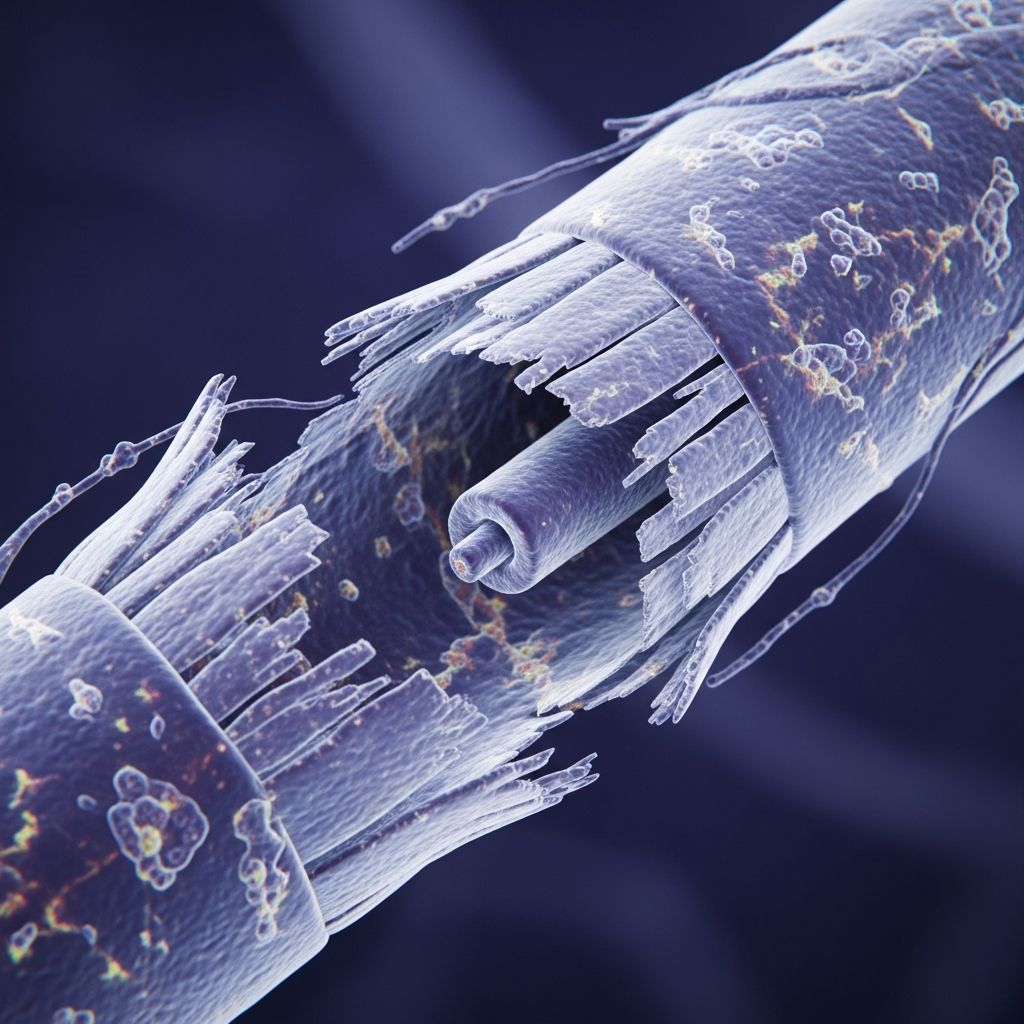
Understanding Demyelinating Disease
A demyelinating disease is a condition that causes damage to the myelin in your brain, spinal cord, and nerves. Myelin is a protective cover, also called a sheath, that surrounds nerve cells (neurons) in your central and peripheral nervous system. This protective layer is essential for proper nerve function, as it strengthens, protects, and insulates your nerve cells while allowing electrical impulses to travel efficiently between cells. When myelin becomes damaged or is destroyed, nerve signals slow down or become disrupted, preventing messages from reaching their intended destinations. This disruption leads to the various symptoms associated with demyelinating diseases.
How Demyelinating Diseases Develop
The destruction of myelin and myelin-forming cells occurs when your immune system mistakenly attacks healthy myelin tissue. Your immune system’s primary function is to protect your body from harmful substances like bacteria and viruses. However, in demyelinating diseases, your immune system receives incorrect instructions and confuses myelin cells with cells that could harm your body. When this autoimmune reaction occurs, it causes inflammation that leads to the characteristic symptoms of demyelinating diseases.
This immune system dysfunction is fundamental to understanding why these conditions develop and why they require specialized treatment approaches that focus on managing immune system activity.
Common Types of Demyelinating Diseases
While multiple sclerosis (MS) is the most common demyelinating disease, several other conditions fall within this category:
- Multiple Sclerosis (MS): The most prevalent demyelinating disease, affecting the central nervous system and causing progressive neurological symptoms.
- Neuromyelitis Optica Spectrum Disorder (NMOSD or Devic’s Disease): A rare autoimmune condition affecting the optic nerves and spinal cord.
- Myelin Oligodendrocyte Glycoprotein Antibody-Associated Disease (MOGAD): An inflammatory demyelinating condition related to specific antibodies in the immune system.
- Acute Disseminated Encephalomyelitis (ADEM): A sudden inflammatory condition affecting the brain and spinal cord, often following infection or vaccination.
- Transverse Myelitis (TM): Inflammation of the spinal cord causing weakness and sensory disturbances.
- Optic Neuritis (ON): Inflammation of the optic nerve causing vision problems and pain.
- Chronic Inflammatory Demyelinating Polyneuropathy (CIDP): A slow-developing autoimmune disease that attacks myelin in peripheral nerves, causing progressive weakness and impaired sensory function.
Recognizing Symptoms of Demyelinating Disease
Symptoms of demyelinating diseases vary widely depending on which areas of the nervous system are affected and the extent of demyelination. Common symptoms include:
- Muscle weakness or numbness, typically affecting one side of the body initially
- Blurred or double vision, which may prevent activities like driving
- Dizziness and vertigo, creating sensations that the room is spinning
- Fatigue that can be debilitating and unpredictable
- Difficulty with coordination and balance
- Cognitive changes including memory problems and difficulty concentrating
- Pain or tingling sensations in various parts of the body
- Loss of bladder or bowel control
- Heat sensitivity that worsens existing symptoms
The symptoms can vary over time depending on the extent of demyelination and individual factors such as fatigue and heat exposure. It is crucial to understand that symptoms may change, and what affects one person may differ significantly from another person’s experience with the same condition.
Diagnostic Approach for Demyelinating Diseases
Accurate diagnosis is essential to ensure you receive the correct treatment for your specific type of demyelinating disease. Healthcare providers use several advanced diagnostic methods to identify the exact condition you have:
Magnetic Resonance Imaging (MRI)
MRI is a primary imaging tool used to visualize demyelinated areas in your brain and spinal cord. These areas of myelin damage appear as distinct patterns on MRI scans and are sometimes called plaques or lesions. MRI helps track disease progression and monitor how your body responds to treatment over time.
Related Stories



Lumbar Puncture (Spinal Tap)
This procedure involves removing a small amount of cerebrospinal fluid from your lower back. The fluid that surrounds your spine and brain may show signs of inflammation or other processes such as infection. Analysis of this fluid provides valuable information about immune system activity and helps differentiate between different types of demyelinating diseases.
Optical Coherence Tomography (OCT)
OCT uses a laser to scan the nerves in the back of your eye (retina). This non-invasive test checks for myelin damage in the optic nerves and shows whether your condition is worsening or improving. It also provides insight into how your body is responding to treatment, making it a valuable tool for ongoing disease monitoring.
Blood Tests and Antibody Testing
Specific blood tests can identify antibodies associated with certain demyelinating diseases. These tests help distinguish between conditions like NMOSD, MOGAD, ADEM, optic neuritis, and transverse myelitis from multiple sclerosis early in the disease course. Testing for aquaporin-4 (AQP4)-IgG and myelin oligodendrocyte glycoprotein (MOG)-IgG antibodies plays a crucial role in accurate diagnosis.
Treatment Options for Demyelinating Diseases
Treatment for demyelinating diseases focuses on managing symptoms, improving your ability to move, and slowing down disease progression. Your healthcare team will develop a personalized treatment plan based on your specific diagnosis and individual needs.
Disease-Modifying Therapies
There is an expanding array of medications available to slow or stop disease progression in demyelinating diseases. These medications work by modulating immune system activity and reducing inflammation. Your healthcare provider will work with you to identify the most effective medication based on your condition type, disease activity, and overall health status.
Symptom Management
Beyond disease-modifying treatments, comprehensive care addresses specific symptoms you experience. This may include medications for muscle spasticity, fatigue management strategies, pain control, and therapies to improve mobility and function. Your treatment team may recommend physical therapy, occupational therapy, and other rehabilitative services to maintain quality of life.
Acute Attack Management
When demyelinating diseases cause acute relapses or attacks, immediate treatment is essential. Intravenous methylprednisolone (high-dose corticosteroids) or plasmapheresis may be used to rapidly reduce inflammation and shorten recovery time from acute symptoms.
The Role of Expert Specialized Care
Because demyelinating diseases can be complex and varied, specialized care from experts in these conditions is invaluable. Expert teams can piece together the puzzle of your symptoms and see the big picture of what’s happening in your nervous system. They understand that while multiple sclerosis is the most common demyelinating disease, many less common conditions require specific diagnostic approaches and specialized treatment strategies.
Specialized centers often offer access to the latest technology and testing methods, providing the most advanced diagnostic and treatment options available. Many also offer opportunities to participate in clinical trials, which may provide access to emerging therapies.
Living with a Demyelinating Disease
Managing a demyelinating disease requires ongoing partnership between you and your healthcare team. Your care will evolve as your condition progresses or stabilizes. Regular monitoring through imaging and clinical assessment helps track disease activity and allows your treatment plan to be adjusted as needed.
Many specialized centers offer both in-person appointments and virtual visits, providing flexibility in how you access care. Your local healthcare provider can also work collaboratively with specialists to coordinate your treatment and ensure continuity of care.
Frequently Asked Questions About Demyelinating Diseases
Q: What is the difference between demyelinating diseases and multiple sclerosis?
A: Multiple sclerosis is the most common type of demyelinating disease, but it is not the only one. Demyelinating disease is a broader category that includes MS, NMOSD, MOGAD, ADEM, transverse myelitis, optic neuritis, and CIDP, among others. Each condition has distinct characteristics and requires different treatment approaches.
Q: Is a demyelinating disease genetic?
A: While demyelinating diseases have autoimmune components, they are not directly inherited in a simple genetic pattern. However, having a family history of autoimmune diseases may increase your risk. Environmental factors also play a role in disease development.
Q: Can demyelinating diseases be cured?
A: Currently, demyelinating diseases cannot be cured, but they can be effectively managed with appropriate treatment. Modern therapies can slow disease progression, reduce relapse frequency, manage symptoms, and help maintain quality of life.
Q: How is a demyelinating disease diagnosed?
A: Diagnosis involves multiple approaches including MRI imaging, lumbar puncture with cerebrospinal fluid analysis, optical coherence tomography, blood tests for specific antibodies, and clinical evaluation of symptoms. Your healthcare provider will use a combination of these tests to reach an accurate diagnosis.
Q: What should I do if I suspect I have a demyelinating disease?
A: If you experience symptoms such as unexplained vision changes, muscle weakness, numbness, balance problems, or other neurological symptoms, contact your healthcare provider. They can perform initial evaluation and refer you to a neurologist or specialist in demyelinating diseases if needed.
Q: Are there clinical trials for demyelinating diseases?
A: Yes, ongoing clinical trials are investigating new treatments for various demyelinating diseases. Specialized medical centers can provide information about trial opportunities if you meet eligibility criteria.
Q: How often will I need medical appointments?
A: The frequency of appointments depends on your condition type, disease activity, and treatment regimen. Your healthcare team will establish an appropriate monitoring schedule that may include regular clinical visits and periodic imaging or laboratory testing.
References
- Demyelinating Disease: What It Is, Symptoms & Treatment — Cleveland Clinic. 2024. https://my.clevelandclinic.org/health/diseases/demyelinating-disease
- Multiple Sclerosis (MS): What It Is, Symptoms & Treatment — Cleveland Clinic. 2024. https://my.clevelandclinic.org/health/diseases/17248-multiple-sclerosis
- CIDP (Chronic Inflammatory Demyelinating Polyneuropathy) — Cleveland Clinic. 2024. https://my.clevelandclinic.org/health/diseases/cidp-chronic-inflammatory-demyelinating-polyneuropathy
- Myelin Sheath: What It Is, Purpose & Function — Cleveland Clinic. 2024. https://my.clevelandclinic.org/health/body/22974-myelin-sheath
- Disability independent of cerebral white matter demyelination in multiple sclerosis — PubMed Central. National Institutes of Health. 2024. https://pubmed.ncbi.nlm.nih.gov/39217272/
- CNS Demyelinating Disease Evaluation, Serum — Cleveland Clinic Laboratories. 2024. https://clevelandcliniclabs.com/test/cns-demyelinating-disease-evaluation-serum/
- Demyelinating Disease Treatment — Cleveland Clinic. 2024. https://my.clevelandclinic.org/services/demyelinating-disease-treatment
Similar Articles








Read full bio of medha deb