Demystifying Hyperpigmentation: Causes, Types, and Treatments
Understanding hyperpigmentation: explore causes, identify types, and discover effective treatment options.
Understanding Hyperpigmentation: A Comprehensive Guide
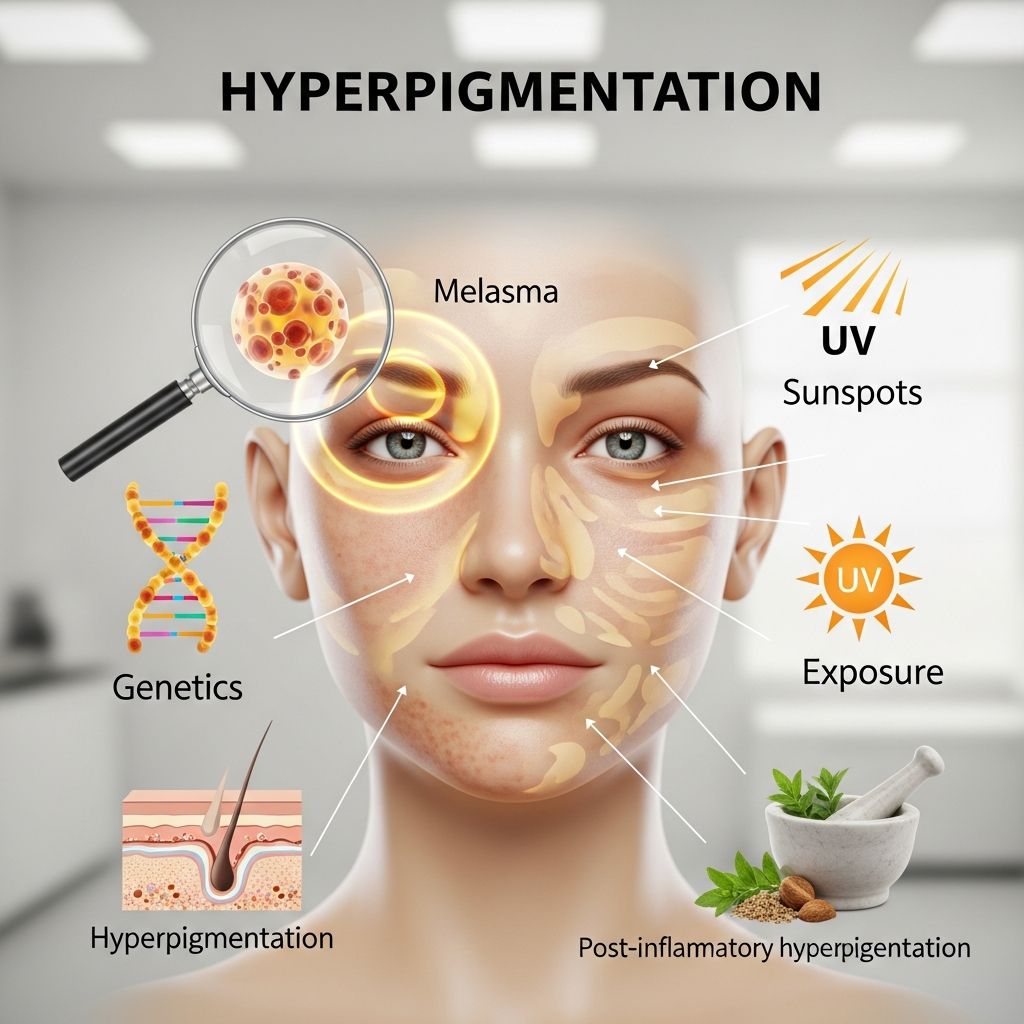
Hyperpigmentation is a common and often harmless skin condition characterized by an increase in melanin, the pigment responsible for skin color. This condition causes certain areas of the skin to appear darker than surrounding regions, creating patches, spots, or uneven coloration that can range from light brown to dark black. While hyperpigmentation is typically benign, it can significantly impact a person’s quality of life and self-confidence, particularly when it affects visible areas such as the face. Understanding the underlying causes, recognizing different types, and exploring available treatment options can help individuals make informed decisions about managing this condition effectively.
What Causes Hyperpigmentation?
Hyperpigmentation develops through various mechanisms, with sun exposure being one of the most significant contributors. When skin is exposed to ultraviolet (UV) radiation, melanocytes—the cells responsible for producing melanin—become activated and increase their production. This is why hyperpigmentation often worsens with continued sun exposure and why sun protection is crucial for prevention and treatment.
Beyond solar exposure, several other factors can trigger hyperpigmentation:
Environmental and External Factors
- Hormonal changes: Pregnancy, oral contraceptives, and hormone replacement therapy can stimulate melanin production, leading to melasma development
- Inflammation and injury: Acne, eczema, psoriasis, cuts, and burns can result in post-inflammatory hyperpigmentation as the skin heals
- Chemical exposure: Certain cosmetics and skincare products containing irritating ingredients may trigger hyperpigmentation
Medications and Medical Conditions
Certain medications can cause hyperpigmentation as a side effect. These include antibiotics (particularly minocycline and tetracyclines), antiarrhythmic drugs used for heart conditions, and antimalarial medications such as those used to treat malaria and lupus. Additionally, some medical conditions affecting the endocrine system or autoimmune function can alter pigmentation patterns.
Types of Hyperpigmentation
Hyperpigmentation manifests in several distinct forms, each with unique characteristics, underlying causes, and treatment considerations:
Melasma
Melasma is one of the most common forms of hyperpigmentation, characterized by symmetric patches of brown or gray-brown discoloration typically appearing on the cheeks, bridge of the nose, forehead, chin, and upper lip. This condition predominantly affects women and individuals with darker skin types, particularly those of Hispanic, Asian, Middle Eastern, and African descent. Melasma is strongly associated with hormonal fluctuations, making it common during pregnancy (sometimes called chloasma or “mask of pregnancy”) and with the use of oral contraceptives.
Post-Inflammatory Hyperpigmentation (PIH)
Post-inflammatory hyperpigmentation develops following skin inflammation or injury, including acne lesions, eczema flares, psoriasis, cuts, burns, or aggressive dermatological procedures. This type is more prevalent in individuals with darker skin tones and can persist for months to years if untreated. The condition results from increased melanin production during the skin’s healing response to inflammation.
Lentigines and Age Spots
Solar lentigines, commonly known as age spots or sunspots, are small to medium-sized patches of hyperpigmentation that develop due to cumulative sun exposure over time. These spots are particularly common in middle-aged and older individuals and typically appear on sun-exposed areas such as the face, hands, and neck. Unlike melasma, lentigines are not associated with hormonal changes.
Related Stories



Freckles
Freckles are small, flat, tan or light brown spots that often have a genetic component. They typically appear in individuals with fair skin and red or blonde hair, though they can develop in other skin types. Freckles tend to darken with sun exposure and may fade during winter months when sun exposure decreases.
Other Forms
Additional types of hyperpigmentation include nevus (moles), which are benign growths of melanocytes, and drug-induced hyperpigmentation caused by specific medications. Some individuals may also experience hyperpigmentation as a manifestation of underlying systemic conditions.
Risk Factors and Susceptibility
Certain populations are at higher risk for developing hyperpigmentation. Individuals with darker skin tones, including those of African, Hispanic, Asian, and Middle Eastern descent, experience hyperpigmentation more frequently than those with lighter skin types. Genetic predisposition plays a significant role, as does geographic location and lifestyle factors that increase sun exposure. Age is also a contributing factor, as cumulative sun damage leads to higher rates of hyperpigmentation in older individuals.
Impact on Quality of Life
Research demonstrates that hyperpigmentation has a substantial impact on patients’ quality of life and psychosocial well-being. Studies show that individuals with hyperpigmentation spend an average of 20.8 minutes daily attempting to conceal the condition, correlating with significantly reduced quality of life. The willingness-to-pay data reveals that patients would spend approximately 13.3 percent of their monthly income on a curative treatment, indicating the substantial burden this condition places on affected individuals.
Treatment Options
Multiple evidence-based treatment approaches exist for managing hyperpigmentation, ranging from topical applications to advanced medical procedures. Treatment selection depends on the hyperpigmentation type, severity, skin type, and individual patient preferences.
Topical Medications
Topical treatments represent the first-line approach for many patients with hyperpigmentation.
- Hydroquinone: A prescription-strength depigmenting agent that inhibits tyrosinase, the enzyme responsible for melanin production. Available in concentrations of 2-4%, hydroquinone is particularly effective for melasma and post-inflammatory hyperpigmentation
- Tretinoin: A retinoid that promotes skin cell turnover and can help fade hyperpigmentation over time
- Corticosteroids: Mild corticosteroid creams can reduce inflammation associated with certain types of hyperpigmentation
- Combination therapies: Prescription creams combining hydroquinone, tretinoin, and fluocinolone acetonide have demonstrated enhanced efficacy
- Gentler alternatives: For patients requiring milder treatments, vitamin C, kojic acid, and azelaic acid offer effective options with fewer side effects
Professional Procedures
Advanced dermatological procedures can provide more dramatic results for moderate to severe hyperpigmentation:
- Chemical peels: These procedures use chemical solutions to remove the outer layers of skin, effectively eliminating surface hyperpigmentation and promoting even skin tone
- Microneedling: This minimally invasive procedure creates controlled micro-injuries that stimulate collagen production and promote a more even skin tone
- Laser therapy: Various laser systems can target and destroy melanin-rich cells, particularly effective for resistant cases of hyperpigmentation
Combination and Maintenance Approaches
Serious cases of hyperpigmentation often require combination therapy, involving both topical treatments and professional procedures for optimal results. Additionally, consistent use of broad-spectrum sunscreen with SPF 30 or higher and sun-protective clothing is essential for preventing recurrence and ensuring long-term treatment success.
Treatment Timeline and Expectations
It is important to understand that hyperpigmentation treatments require patience and consistency. Most therapeutic approaches take several months to a year to produce noticeable results. Patients should continue using prescribed treatments even if they believe the medications are not working initially, as gradual improvement is typical. Additionally, hyperpigmentation does not completely disappear but rather becomes significantly less noticeable with appropriate treatment.
Prevention Strategies
Prevention is a critical component of managing hyperpigmentation. The following strategies can help reduce the risk of developing or worsening hyperpigmentation:
- Apply broad-spectrum sunscreen with SPF 30 or higher daily, regardless of weather or season
- Wear protective clothing, including hats, long sleeves, and sunglasses when exposed to sunlight
- Seek shade during peak sun hours (10 a.m. to 4 p.m.)
- Avoid known triggers, such as specific medications or cosmetic products that cause irritation
- Treat inflammatory skin conditions promptly to prevent post-inflammatory hyperpigmentation
- Consider hormonal factors and discuss alternatives with healthcare providers if oral contraceptives trigger melasma
Special Considerations by Skin Type
Treatment approaches may need to be tailored based on skin type and ethnicity. Individuals with darker skin tones may require different laser wavelengths and settings to avoid post-inflammatory hyperpigmentation or paradoxical darkening. Dermatologists with experience treating diverse skin types should be consulted to ensure safe and effective treatment outcomes.
Frequently Asked Questions
Q: Can hyperpigmentation be completely cured?
A: Hyperpigmentation cannot be permanently cured but can be significantly improved through consistent treatment. Without ongoing sun protection and maintenance therapy, hyperpigmentation may recur or worsen over time.
Q: Is vitamin C effective for treating hyperpigmentation?
A: Yes, vitamin C is beneficial for hyperpigmentation as it can help brighten affected areas and provide antioxidant protection against sun damage, making it suitable for individuals who require gentler treatment options.
Q: How long does hyperpigmentation treatment typically take?
A: Most hyperpigmentation treatments require consistent application over several months to a year to produce noticeable results. Patience and adherence to the prescribed regimen are essential for success.
Q: Are there natural remedies for hyperpigmentation?
A: While various natural ingredients are marketed for hyperpigmentation, prescription treatments and professional procedures have stronger scientific evidence supporting their effectiveness. Always consult a dermatologist before starting any treatment regimen.
Q: Can hyperpigmentation develop suddenly?
A: Yes, hyperpigmentation can develop suddenly due to hormonal changes, inflammatory skin conditions, medication side effects, or intense sun exposure. Post-inflammatory hyperpigmentation, for example, can appear within weeks following skin injury or inflammation.
Q: Should I continue treatment even if I don’t see immediate results?
A: Yes, it is important to continue using prescribed treatments consistently, as most hyperpigmentation therapies require several months to demonstrate visible improvement. Discontinuing treatment prematurely may prevent achieving optimal results.
Conclusion
Hyperpigmentation is a prevalent skin condition affecting millions of individuals worldwide, particularly those with darker skin tones. While often considered cosmetic, the substantial impact on quality of life and psychosocial well-being justifies seeking professional treatment. With multiple evidence-based options available—ranging from topical medications to advanced procedural interventions—most cases of hyperpigmentation can be effectively managed. Success requires understanding the underlying cause, selecting appropriate treatments, maintaining consistency over months of therapy, and implementing comprehensive sun protection strategies. Consulting with a board-certified dermatologist ensures personalized treatment plans tailored to individual skin types, hyperpigmentation characteristics, and lifestyle factors, ultimately leading to improved outcomes and enhanced patient satisfaction.
References
- Hyperpigmentation and Hypopigmentation — WebMD. Accessed 2025. https://www.webmd.com/skin-problems-and-treatments/hyperpigmentation-hypopigmentation
- Skin Pigmentation and its Control: From Ultraviolet Radiation to Melanocyte Stem Cells — National Center for Biotechnology Information (NCBI/PMC). 2021. https://www.ncbi.nlm.nih.gov/pmc/articles/PMC8218595/
- Willingness-to-pay and Time Trade-off: The Burden of Disease in Hyperpigmentation — Journal of Cosmetic and Aesthetic Dermatology Online. 2019. https://jcadonline.com/hyperpigmentation-may-2019/
Similar Articles








Read full bio of Sneha Tete