Denatured Alcohol: Uses, Risks, And What To Know
What is denatured alcohol, its uses, safety for skin and consumption, and why it's in skincare products.
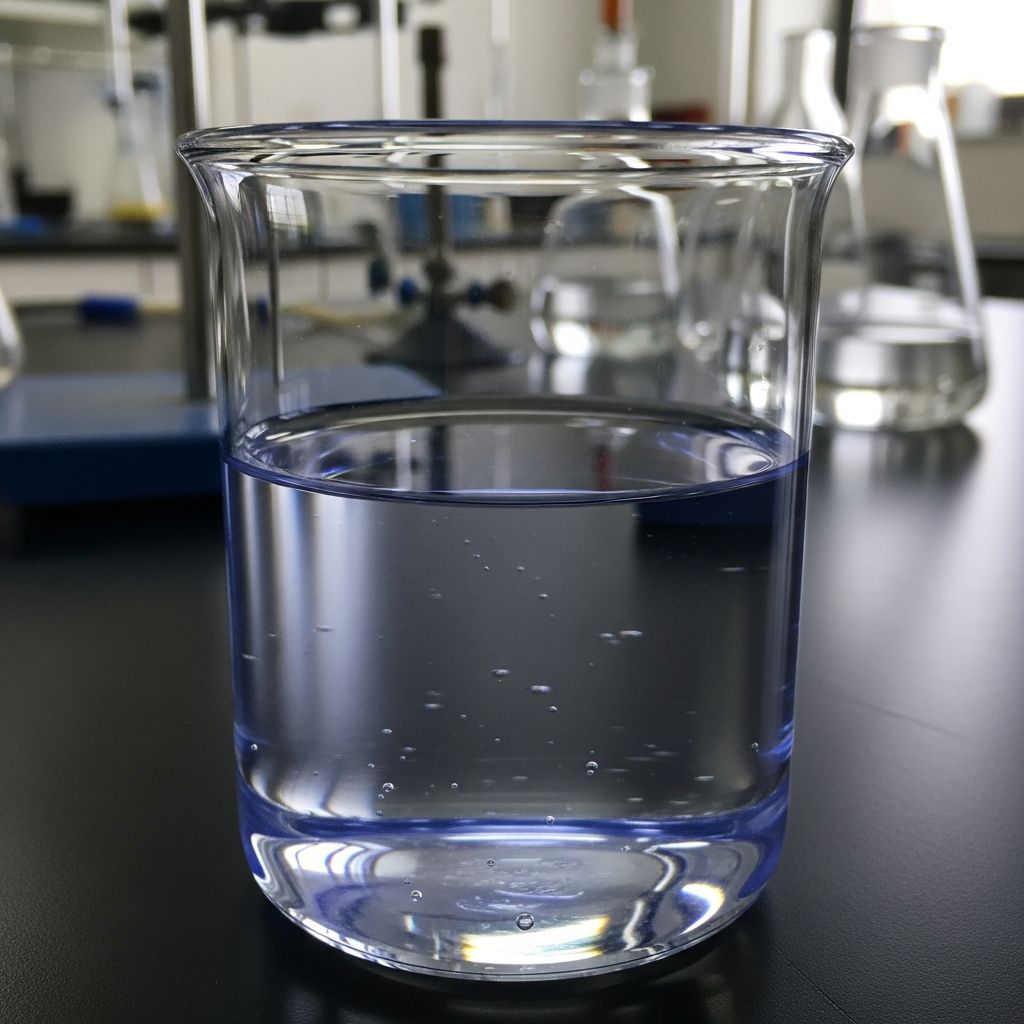
Denatured alcohol, often listed as “alcohol denat” or “SD alcohol” on labels, is ethanol rendered unfit for drinking by adding toxic or bitter substances. It’s widely used in household cleaners, fuels, cosmetics, and sanitizers for its solvent and antimicrobial properties.
What Is Denatured Alcohol?
Denatured alcohol starts as ethanol, the same alcohol in beverages from fermented grains or fruits. To prevent recreational consumption and avoid beverage taxes, governments require additives like methanol, pyridine, or denatonium benzoate, making it poisonous, foul-smelling, or nauseating. These changes place it in a lower-tax category for industrial use as a solvent, fuel, or disinfectant.
The denaturing process does not chemically alter ethanol’s structure but mixes it with deterrents that are hard to remove. Common formulations include 90% ethanol with 9.5% methanol, pyridine, and dyes like methyl violet for visual identification. In the U.S., specially denatured alcohol (SDA) formulas, such as SDA 40B, specify exact additives under Title 27 CFR Section 21.151.
Historically, during U.S. Prohibition, methanol addition to industrial alcohol led to thousands of deaths from surrogate drinking, highlighting its toxicity. Today, regulations ensure safety for non-consumptive uses while deterring misuse.
Is Denatured Alcohol Safe?
For external, non-ingestive uses, denatured alcohol is generally safe when used as directed. It’s effective in killing germs, evaporating quickly without residue, and serving as a cheap solvent. However, safety depends on context: topical application in low concentrations is low-risk, but ingestion or high exposure can be fatal.
- Ingestion risks: Additives like methanol cause blindness, paralysis, or death. Even small amounts (e.g., 10-30mL methanol) can be lethal.
- Skin absorption: Minimal at cosmetic levels, but methanol-containing formulas pose risks if over-applied.
- Flammability: Highly flammable; store away from flames.
The World Health Organization classifies ethanol as a Group 1 carcinogen, but denatured forms amplify risks due to additives. No safe consumption level exists.
Denatured Alcohol and Your Skin
In skincare like toners, astringents, and serums, denatured alcohol acts as a drying agent, removing oil for a matte finish and aiding penetration of other ingredients. At low concentrations (under 5-10%), it’s typically harmless and evaporates fast.
However, frequent or high-dose use can disrupt the skin’s moisture barrier, leading to dryness, irritation, redness, or acne. Studies link it to impaired barrier function, especially in sensitive or dry skin types. It’s often higher in the ingredient list, indicating prominence.
| Pros of Denatured Alcohol in Skincare | Cons |
|---|---|
| Quick-drying, matte effect | Dryness, irritation |
| Antimicrobial, oil control | Barrier disruption |
| Enhances ingredient absorption | Potential breakouts |
A marketing note: Products may claim “alcohol-free” since denatured alcohol technically isn’t ethanol per FDA definitions, misleading consumers. Opt for fatty alcohols (e.g., cetyl alcohol) for moisturizing benefits instead.
Denatured Alcohol in Hand Sanitizer
Many commercial hand sanitizers list “alcohol denat” as the active ingredient, providing at least 60% ethanol equivalent for germ-killing efficacy. The CDC recommends alcohol-based sanitizers for hand hygiene when soap isn’t available.
Related Stories



During shortages like COVID-19, DIY sanitizers were discouraged due to risks of incorrect ratios introducing toxic methanol levels, absorbable through skin. Use WHO-recommended formulas with isopropyl or ethanol, not denatured types for homemade versions.
Commercial products are formulated safely, but avoid if skin is damaged. Rinse hands after if irritation occurs.
Other Common Uses of Denatured Alcohol
Beyond personal care, denatured alcohol fuels camping stoves, thins paints, cleans surfaces, and extracts in labs. It’s cheaper than pure ethanol due to tax exemptions.
- Cleaning: Dissolves grease, disinfects without residue.
- Fuel: Burns cleanly in alcohol burners.
- Industrial: Solvent in pharmaceuticals, inks, extracts (non-food).
In molecular biology, avoid for nucleic acid precipitation as additives interfere. Pure ethanol is required for ingestible or sensitive applications.
Risks and Toxicity
Denatured alcohol’s danger lies in additives: methanol metabolizes to formaldehyde and formic acid, causing metabolic acidosis, blindness, and organ failure. Historical cases, like 1926 NYC’s 31 methanol deaths, underscore this.
Bitterness from denatonium (world’s bitterest substance) and odors from pyridine deter accidental intake. New Zealand removed methanol from formulas for safety. Chronic low-level exposure via products poses minimal risk per studies, but ethanol itself links to cancer risks.
Regulations and Formulations
Governments define exact denaturants. U.K.’s completely denatured alcohol: 90 parts ethanol, 9.5 wood naphtha (methanol), 0.5 pyridine, plus petroleum and dye. U.S. SDA varies (e.g., SDA 29 with ethyl acetate).
Colors like purple (methyl violet) aid identification. Islamic views permit industrial ethanol >15% if non-intoxicating source, but denatured forms are toxic.
Frequently Asked Questions (FAQs)
What is denatured alcohol made of?
Ethanol mixed with toxic additives like methanol, pyridine, or denatonium to make it undrinkable.
Can you drink denatured alcohol?
No, it’s poisonous due to additives; ingestion causes severe illness or death.
Is denatured alcohol safe for skin?
In low cosmetic amounts, yes for most, but can dry or irritate; avoid on sensitive skin.
Why is alcohol denat in skincare?
For quick drying, oil control, and better ingredient penetration.
Can I make hand sanitizer with denatured alcohol?
No for DIY; use only commercial or approved formulas to avoid toxicity.
Is denatured alcohol flammable?
Yes, extremely; handle with care near ignition sources.
What’s the difference between rubbing alcohol and denatured alcohol?
Rubbing alcohol is often isopropyl; denatured is ethanol with additives.
This comprehensive guide spans denatured alcohol’s chemistry, applications, and precautions, empowering informed choices. Always check labels and consult professionals for concerns.
References
- What Is Denatured Alcohol and Why Is It in My Skincare Products? — Healthline. 2020-09-24. https://www.healthline.com/health/alcohol/alcohol-denat
- Denatured alcohol — Wikipedia. 2026. https://en.wikipedia.org/wiki/Denatured_alcohol
- Alcohol in Daily Products: Health Risks, Cultural Considerations — PMC (PubMed Central). 2025. https://pmc.ncbi.nlm.nih.gov/articles/PMC11752820/
- Why Drinking Rubbing Alcohol Is Dangerous and Potentially Fatal — Hazelden Betty Ford. 2024. https://www.hazeldenbettyford.org/articles/why-is-drinking-rubbing-alcohol-bad
- Alcohol consumption and your health: What the science says — Stanford Medicine. 2025-08. https://med.stanford.edu/news/insights/2025/08/alcohol-consumption-and-your-health–what-the-science-says.html
- No level of alcohol consumption is safe for our health — World Health Organization (WHO). 2023-01-04. https://www.who.int/europe/news/item/04-01-2023-no-level-of-alcohol-consumption-is-safe-for-our-health
Similar Articles








Read full bio of Sneha Tete