Dengue Fever: Causes, Symptoms & Treatment
Understanding dengue fever: transmission, symptoms, severe complications, and medical management strategies.
Dengue Fever: Understanding a Serious Mosquito-Borne Illness
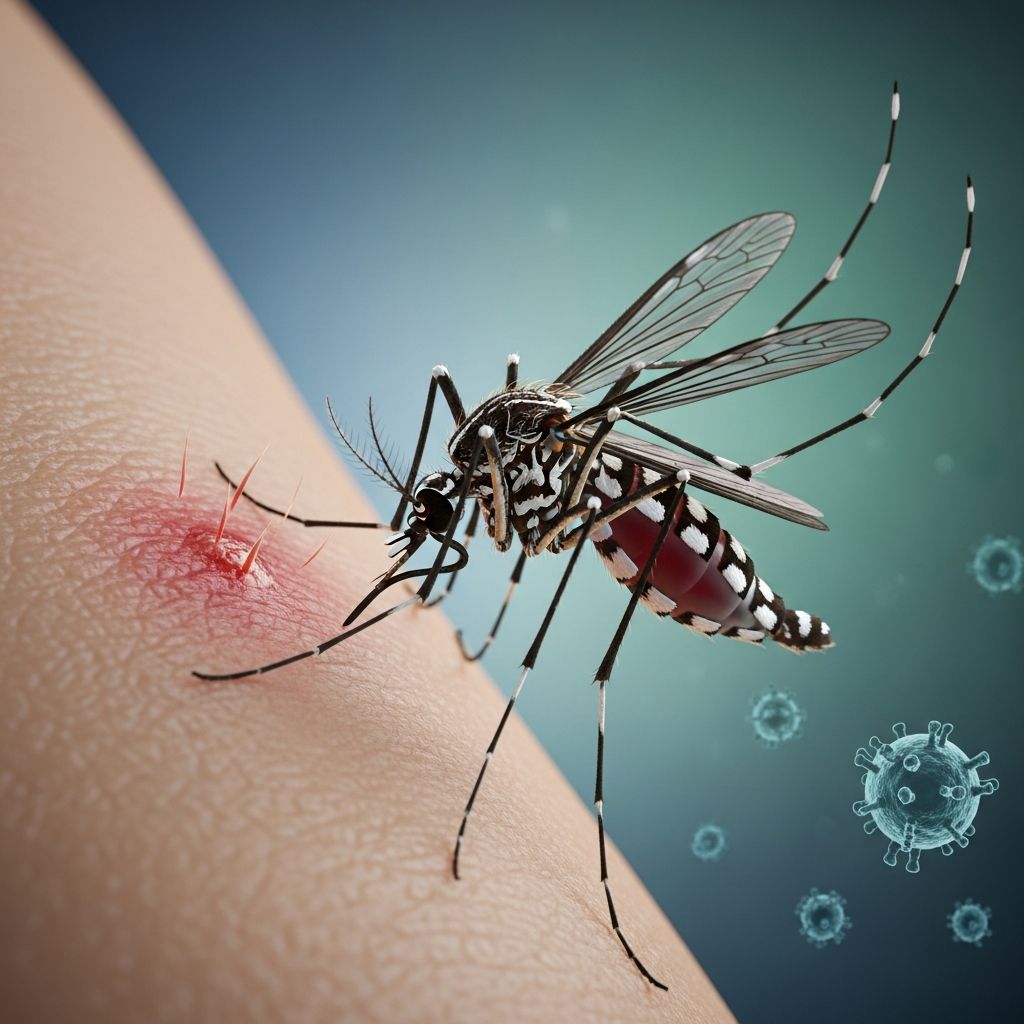
Dengue fever is an illness transmitted through the bite of mosquitoes infected with one of the dengue viruses. While most dengue infections present with flu-like symptoms, the condition can escalate to severe dengue, a life-threatening complication. The disease remains a significant global health concern, particularly in tropical and subtropical regions. Secondary infections carry an increased risk of developing serious symptoms, making understanding this disease essential for travelers and residents in endemic areas.
What Is Dengue Fever?
Dengue fever is caused by infection with one of four distinct dengue viruses that circulate in the environment. When an infected mosquito bites a person, the virus enters the bloodstream and replicates, triggering both direct viral effects and an immune system response. Most dengue infections occur without any noticeable symptoms, but those who do develop illness typically experience fever and related symptoms lasting several days.
Also known as “breakbone fever” due to the severe joint and muscle pain it causes, dengue fever represents a fever-arthralgia-rash syndrome. The disease has emerged as a reemerging concern worldwide, becoming a nationally notifiable disease in the United States in 2009, reflecting its growing public health significance.
Transmission and Risk Factors
Dengue fever spreads exclusively through mosquito bites, specifically from infected Aedes mosquitoes. The virus cannot spread from person to person through casual contact, respiratory droplets, or contaminated food or water. Once an infected mosquito bites a person, the virus enters the bloodstream and begins replication.
Risk factors for dengue infection include living in or traveling to tropical and subtropical areas where the disease is endemic. Secondary dengue infection carries particular importance, as individuals previously infected with one dengue virus serotype face elevated risk of developing severe dengue if infected with a different serotype. This phenomenon, known as antibody-dependent enhancement, occurs when suboptimal antibodies from the first infection prove ineffective against the new serotype, actually facilitating viral entry into immune cells and promoting viral replication.
Symptoms and Clinical Presentation
Initial Dengue Symptoms
Dengue fever symptoms typically manifest four to ten days after an infected mosquito bite. Most people experience a constellation of flu-like symptoms that can last three to seven days. The most common presentation includes:
– High fever, typically reaching 104°F (40°C), though rarely exceeding 104.9°F (40.5°C)- Severe headache- Muscle and joint pain (often the reason for the “breakbone fever” designation)- Pain behind the eyes- Nausea and vomiting- Rash that may appear after fever subsides- General malaise and fatigue
For many individuals, these initial symptoms resolve completely without progression to more serious complications. However, approximately one in twenty people with dengue fever will develop severe dengue as their initial symptoms begin to fade.
Severe Dengue: Warning Signs and Emergency Symptoms
Severe dengue represents a life-threatening medical emergency that demands immediate hospitalization. This condition develops when the dengue virus damages blood vessels and causes critical loss of blood platelets. Warning signs of severe dengue typically emerge 24 to 48 hours after the fever subsides and require emergency evaluation:
Related Stories



– Severe abdominal pain- Persistent vomiting- Bleeding from the nose or gums- Blood in vomit or stool- Lethargy or restlessness- Rapid decrease in platelet count- Liver enlargement- Severe plasma leakage
If you have dengue or reside in an area where dengue is endemic, seek immediate emergency care if you experience any of these warning signs. Severe dengue can progress to dengue shock syndrome, characterized by dangerously low blood pressure and potential organ failure.
Pathophysiology of Dengue Fever
Understanding how dengue causes illness requires insight into the viral mechanism and immune response. When the dengue virus enters the bloodstream following a mosquito bite, it infects various cell types and replicates extensively. The virus produces direct cytotoxic effects while simultaneously triggering the immune system response. The combination of viral proteins and inflammatory chemicals released by immune cells generates the characteristic flu-like symptoms.
In severe dengue cases, the virus and immune response cause damage to blood vessel endothelium, rendering vessels permeable. Simultaneously, the viral infection reduces platelet production and increases platelet destruction. These factors combine to cause plasma leakage from blood vessels into surrounding tissues, leading to internal bleeding, shock, and potential organ failure. The severity of these complications varies based on individual factors including prior dengue exposure and genetic susceptibility.
Diagnosis of Dengue Fever
Healthcare providers diagnose dengue fever through a combination of clinical presentation and laboratory testing. During the acute illness phase, several diagnostic methods can identify the virus or its components:
– PCR testing to detect dengue virus RNA- Antigen detection tests identifying viral proteins- Antibody testing (IgM and IgG) to detect immune response- Complete blood count to assess platelet levels and hemoconcentration- Liver function tests to evaluate hepatic involvement- Tourniquet test to assess capillary fragility in suspected severe cases
Laboratory findings in dengue fever typically reveal thrombocytopenia (platelet count below 100,000 cells/mm³) and evidence of hemoconcentration indicating plasma leakage. Elevated liver enzymes may also be present. IgM antibodies appear early in infection and indicate recent or current infection, while IgG antibodies develop later and persist, indicating past infection or immunity.
Treatment and Management
Managing Mild to Moderate Dengue
Unfortunately, no specific antiviral medication exists to treat dengue fever directly. Treatment focuses on symptom management and supportive care while the immune system fights the infection. Healthcare providers typically recommend:
– Rest and adequate sleep to support immune function- Fluid intake to maintain hydration and support electrolyte balance- Acetaminophen for fever and pain (avoiding NSAIDs due to bleeding risk)- Cool compresses to reduce fever- Monitoring for warning signs of severe dengue
Most people recover completely from dengue fever without lasting complications when receiving appropriate supportive care. Initial symptoms typically resolve within three to seven days, with complete recovery following shortly thereafter.
Managing Severe Dengue
Severe dengue requires immediate hospitalization and intensive medical management. Treatment focuses on fluid resuscitation and electrolyte balance, which are critical for survival. Hospital care may include:
– Intravenous fluid administration to replace plasma losses- Blood transfusions when necessary to address severe bleeding- Platelet transfusions for critically low platelet counts- Continuous monitoring of vital signs and organ function- Management of shock through cardiovascular support- Treatment of secondary infections if they develop
With prompt hospitalization and appropriate supportive care, patients with severe dengue have a greater than 99% chance of recovery. Rapid fluid resuscitation and blood transfusion when needed result in swift recovery from dengue hemorrhagic fever with or without shock, preventing progression to fatal outcomes.
Recovery and Prognosis
Most people recover completely from dengue fever without any lasting complications or long-term health effects. The immune system successfully clears the virus, and tissue damage repairs itself. However, people who develop severe dengue face more serious outcomes if treatment is delayed.
Post-dengue fatigue can persist for weeks in some individuals, characterized by weakness and decreased energy levels. This typically resolves without intervention. People should avoid mosquito bites during recovery to prevent transmission to others and reduce the risk of secondary infection with a different dengue serotype.
Prevention and Travel Precautions
Since no vaccine is widely available in most countries and treatment is supportive only, prevention focuses on avoiding mosquito bites. If traveling to dengue-endemic areas, implement the following precautions:
– Use insect repellent containing DEET, picaridin, or oil of lemon eucalyptus- Wear long-sleeved shirts and long pants, particularly during dawn and dusk when mosquitoes are most active- Stay in air-conditioned or screened accommodations- Use bed nets treated with insecticide- Avoid standing water where mosquitoes breed- Consider postponing travel to areas experiencing dengue outbreaks
Educating yourself about dengue transmission and recognizing early symptoms allows for prompt medical evaluation and appropriate care, significantly reducing the risk of severe complications.
Frequently Asked Questions About Dengue Fever
Q: Can dengue fever be cured with antibiotics?
A: No, dengue fever is caused by a virus, not bacteria. Antibiotics are ineffective against viral infections. Treatment focuses on managing symptoms and supporting the body’s immune response.
Q: Is dengue fever contagious from person to person?
A: Dengue fever does not spread directly from person to person. Transmission occurs exclusively through mosquito bites. An infected person can only transmit the virus to others if mosquitoes bite them and then bite other people.
Q: How long does dengue fever last?
A: The acute illness phase typically lasts three to seven days. However, some people experience prolonged fatigue and weakness for weeks afterward. Severe dengue may require hospitalization for several days or weeks.
Q: Can you get dengue fever more than once?
A: Yes, dengue fever can occur multiple times since there are four different dengue virus serotypes. However, secondary infection with a different serotype carries a significantly higher risk of developing severe dengue.
Q: What should I do if I think I have dengue fever?
A: Contact your healthcare provider immediately if you experience fever along with other symptoms like severe headache, joint pain, or rash, especially if you have traveled to dengue-endemic areas. Seek emergency care if you develop warning signs of severe dengue.
Q: Is there a vaccine for dengue fever?
A: While dengue vaccines exist in some countries, they are not widely available globally. Check with your healthcare provider about vaccine availability in your region before traveling to endemic areas.
When to Seek Emergency Care
Contact emergency services or go to the nearest emergency room immediately if you experience any warning signs of severe dengue, including severe abdominal pain, persistent vomiting, bleeding, lethargy, or rapid changes in condition. Do not delay seeking care, as severe dengue is a medical emergency requiring intensive monitoring and treatment.
References
- Dengue Fever: Causes, Symptoms & Treatment — Cleveland Clinic. 2022-06-06. https://my.clevelandclinic.org/health/diseases/17753-dengue-fever
- Dengue: A Reemerging Concern for Travelers — Cleveland Clinic Journal of Medicine, Vol. 79, No. 7. 2012-07. https://www.ccjm.org/content/79/7/474
- Dengue Fever — Symptoms and Causes — Mayo Clinic. https://www.mayoclinic.org/diseases-conditions/dengue-fever/symptoms-causes/syc-20353078
- Don’t Let Mosquito-Borne Illness Ruin Summer Travel — Cleveland Clinic Newsroom. 2024-06-04. https://newsroom.clevelandclinic.org/2024/06/04/dont-let-mosquito-borne-illness-ruin-summer-travel
- Secondary Dengue Infection Complicated by Hemophagocytic Lymphohistiocytosis — National Institutes of Health, PMC. https://pmc.ncbi.nlm.nih.gov/articles/PMC12328046/
Similar Articles








Read full bio of medha deb