Dengue Fever: Symptoms, Treatment, And Prevention Guide
Comprehensive guide to dengue fever: symptoms, transmission, complications, diagnosis, treatment, and prevention strategies.
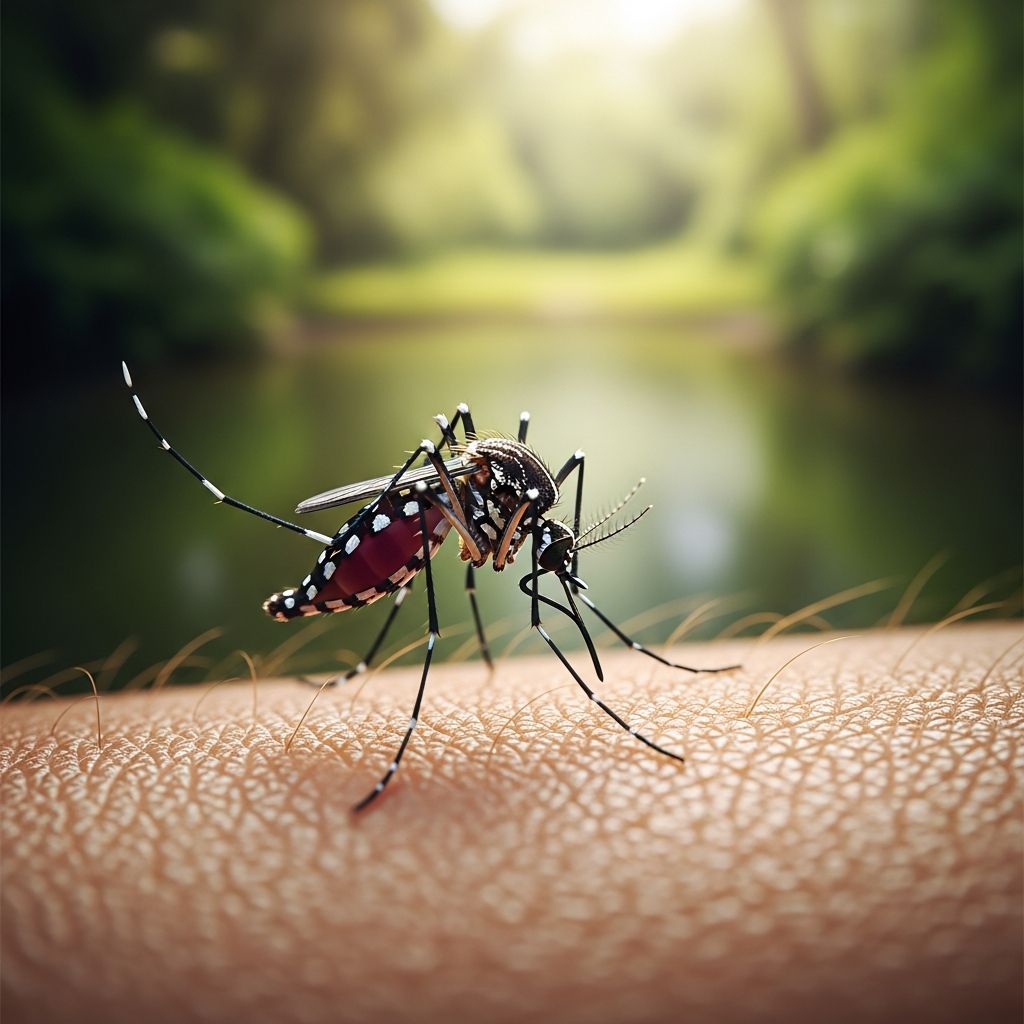
Dengue fever, also known as breakbone fever, is a viral illness transmitted by the bite of infected Aedes mosquitoes, primarily Aedes aegypti. It presents with high fever, severe headache, rash, myalgias, arthralgias, and gastrointestinal symptoms, potentially progressing to life-threatening severe dengue.
Introduction
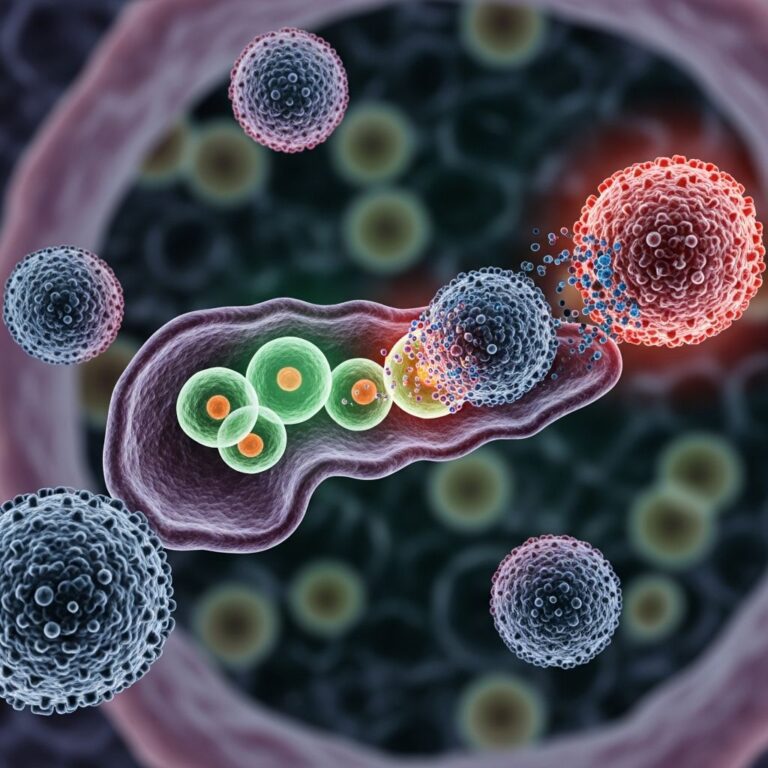
Dengue is caused by dengue viruses (DENV), belonging to the Flaviviridae family, with four distinct serotypes: DENV-1, DENV-2, DENV-3, and DENV-4. These positive-sense single-stranded RNA viruses are enveloped and spherical. Historically, dengue likely shifted from a sylvatic cycle involving monkeys to urban human-mosquito-human transmission centuries ago.
Infection occurs when an infected mosquito bites a human, injecting the virus into the bloodstream. The virus replicates in local tissues before disseminating, causing viremia that lasts up to two weeks, during which the person can infect other mosquitoes. Symptoms typically emerge 4–10 days post-bite and persist 2–7 days.
Globally, dengue affects 100–400 million people annually, predominantly in tropical and subtropical regions including Asia, the Pacific, Central and South America, Africa, and urban areas. It is not endemic in places like New Zealand due to absence of vector mosquitoes.
Demographics
Dengue is most prevalent in endemic areas with high population density and suitable mosquito habitats. All ages and both sexes are susceptible, though severe cases are more common in children, secondary infections, and those with comorbidities. Risk factors include prior dengue infection with a different serotype, which can lead to antibody-dependent enhancement (ADE), increasing severity.
In 2023–2024, outbreaks surged in regions like India, Bangladesh, Southeast Asia, and the Americas due to climate factors favoring mosquito proliferation. Travelers returning from endemic zones often introduce cases to non-endemic areas.
Causes
The primary vector is Aedes aegypti, thriving in urban settings by breeding in artificial water containers like tires, flower pots, and discarded items. Aedes albopictus also transmits in some areas. These day-biting mosquitoes (peak early morning and late afternoon) acquire the virus by feeding on viremic humans.
Transmission cycle: Infected human → mosquito → uninfected human. No human-to-human direct spread occurs. Vertical transmission in mosquitoes (from female to eggs) sustains the virus during inter-epidemic periods.
Clinical Features
Dengue manifests in phases: febrile, critical, and recovery. WHO 2009 classification includes dengue without warning signs, dengue with warning signs, and severe dengue.
Dengue Without Warning Signs
- Fever (up to 40°C), typically biphasic
- Severe headache, retro-orbital pain
- Myalgias (muscle pain), arthralgias (joint pain, hence ‘breakbone fever’)
- Nausea, vomiting
- Rash: macular or maculopapular, often starting on trunk, spreading to extremities; ‘islands of white in a sea of red’ appearance with spared areas
Dengue with Warning Signs
- Abdominal pain or tenderness
- Persistent vomiting
- Clinical fluid accumulation (ascites, pleural effusion)
- Mucosal bleed (e.g., epistaxis, gum bleeding)
- Lethargy, restlessness
- Hepatomegaly (>2 cm)
- Increasing hematocrit with falling platelets
Symptoms develop 4–7 days post-exposure, with rash appearing 3–4 days into fever, accompanied by pruritus and desquamation.
Severe Dengue
- Plasma leakage causing shock (dengue shock syndrome)
- Severe bleeding (e.g., gastrointestinal hemorrhage)
- Severe organ impairment (liver, heart, encephalopathy)
Related Stories



Critical phase occurs around defervescence (days 3–7), with capillary leak leading to hemoconcentration and hypovolemia.
Complications
Severe dengue, formerly dengue hemorrhagic fever/dengue shock syndrome, has a case-fatality rate <1% with proper care but can reach 20% untreated. Complications include:
- Profound shock from plasma extravasation
- Major hemorrhage due to thrombocytopenia and coagulopathy
- Multi-organ failure (acute liver failure, myocarditis, encephalitis)
- Myocarditis, acute respiratory distress syndrome (ARDS)
Secondary infections heighten risks, especially in DENV-2 or DENV-3 serotypes during secondary attacks.
Diagnosis
Diagnosis relies on clinical suspicion plus lab confirmation:
- NS1 antigen: Detectable days 1–5 (rapid test)
- RT-PCR: Identifies serotype during acute phase
- IgM ELISA: Positive after day 5; IgG indicates past infection
- Lab findings: Leukopenia, thrombocytopenia, elevated hematocrit, transaminitis, hypoproteinemia
Serial testing monitors progression. Early recovery phase serology confirms.
Differential Diagnoses
| Infectious | Non-Infectious |
|---|---|
| Chikungunya, Zika, Malaria, Leptospirosis, Typhoid, Viral hepatitis, Measles, Rubella | Leptospirosis mimics, Influenza, Acute HIV, Rheumatologic flares |
Skin findings aid differentiation: Dengue rash is distinctive.
Treatment
No specific antiviral exists; management is supportive:
- Mild cases: Rest, oral rehydration, paracetamol for fever/pain. Avoid NSAIDs/aspirin due to bleeding risk.
- Hospitalization for warning signs/severe dengue: IV fluids (crystalloids), monitoring hematocrit/platelets, blood products if hemorrhagic, inotropes for shock.
WHO guidelines emphasize fluid management to prevent overload. Recovery may involve prolonged fatigue.
Prevention
Focus on vector control and bite prevention:
Vector Control
- Eliminate breeding sites: Empty/cover water containers weekly
- Fogging/spray insecticides in outbreaks
- Biological agents (e.g., Wolbachia-infected mosquitoes)
Personal Protection
- DEET (20–50%), picaridin, or PMD repellents; reapply
- Long sleeves/pants, permethrin-treated clothing
- Screens, air conditioning, bed nets
Vaccines like Dengvaxia for seropositive 9–45-year-olds in endemic areas; not for naive individuals. Lifelong immunity to infecting serotype, partial cross-protection.
Frequently Asked Questions (FAQs)
Q: How soon do dengue symptoms appear?
A: Symptoms develop 4–10 days after an infected mosquito bite, lasting 2–7 days.
Q: Is dengue contagious from person to person?
A: No, only via mosquito vectors.
Q: What should I do if I suspect dengue after travel?
A: Seek medical attention immediately; monitor for warning signs.
Q: Can dengue be fatal?
A: Severe dengue can be, but fatality is <1% with early care.
Q: Is there a vaccine for dengue?
A: Yes, for previously infected individuals in endemic areas.
Q: How to prevent mosquito bites?
A: Use repellents, protective clothing, eliminate standing water.
References
- Dengue fever — DermNet NZ. 2023. https://dermnetnz.org/topics/dengue
- Dengue fever — Healthify NZ. 2024-01-15. https://healthify.nz/health-a-z/d/dengue-fever
- WHO Dengue Guidelines — World Health Organization. 2009 (updated 2023). https://www.who.int/publications/i/item/guidelines-for-diagnosis-treatment-prevention-and-control-of-dengue
- Dengue and severe dengue — World Health Organization. 2024-03-01. https://www.who.int/news-room/fact-sheets/detail/dengue-and-severe-dengue
- Dengue fever rash — DermNet NZ. 2023. https://dermnetnz.org/imagedetail/3626-dengue-fever
Similar Articles








Read full bio of medha deb