Dental Fillings: Types, Procedure & Care
Learn about dental fillings, their types, procedure steps, and aftercare for optimal oral health.
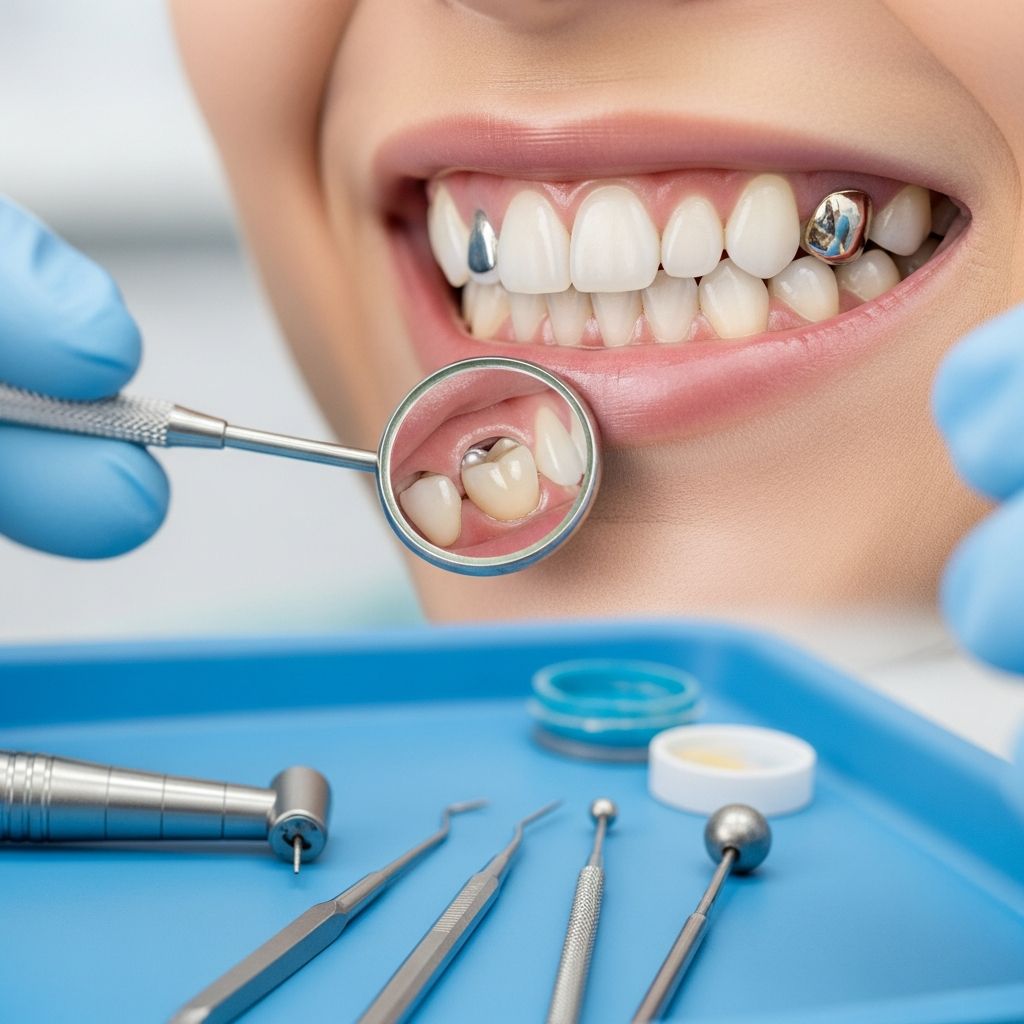
What Are Dental Fillings?
Dental fillings are a common restorative dentistry treatment used to repair teeth affected by decay, minor chips, or cracks. When bacteria break down the enamel of a tooth, cavities form, creating holes that need to be filled to prevent further damage. Dental fillings restore the tooth’s structure and function, helping to prevent future decay and infection.
Types of Dental Fillings
There are several types of dental fillings, each with its own advantages and ideal uses. The choice of filling material depends on the location of the cavity, the extent of decay, and patient preferences.
Direct Fillings
- Amalgam (Silver): Made from a mixture of metals, including mercury, silver, tin, and copper. Amalgam fillings are durable and long-lasting, making them ideal for back teeth.
- Composite Resin: Tooth-colored fillings made from a mixture of plastic and glass. Composite fillings are aesthetically pleasing and are often used for front teeth.
- Gold: Gold fillings are highly durable and resistant to corrosion, but they are more expensive and less common.
- Glass Ionomer: Made from a mixture of glass and acrylic, these fillings release fluoride, which helps prevent further decay. They are often used for children or in areas where the filling is not subject to heavy chewing.
Indirect Fillings
- Inlays and Onlays: Custom-made fillings that are fabricated in a dental lab. Inlays fit within the cusps of the tooth, while onlays cover one or more cusps. These fillings are typically made from porcelain, gold, or composite resin.
- Crowns: Used when a tooth is too damaged for a regular filling. Crowns cover the entire tooth and are made from porcelain, gold, or a combination of materials.
The Dental Filling Procedure
The process of getting a dental filling involves several steps, from diagnosis to aftercare. Here’s what you can expect:
Diagnosis
Your dentist will examine your teeth, often using X-rays, to identify cavities and determine the extent of decay.
Numbing the Area
A local anesthetic is applied to numb the tooth and surrounding gum. This ensures that you feel minimal discomfort during the procedure.
Removing the Decay
The dentist uses a drill, laser, or abrasion instrument to remove the decayed portion of the tooth. The goal is to eliminate all diseased tissue while preserving as much healthy tooth structure as possible.
Cleaning and Preparing the Tooth
After removing the decay, the dentist cleans the cavity and surrounding area to remove any bacteria or debris. If the cavity is deep and close to the nerve, a glass or composite liner may be placed to protect the root.
Placing the Filling
The chosen filling material is applied in layers. For composite resin fillings, each layer is hardened with a special curing light. The filling is then shaped to fit your bite and restore the tooth’s natural appearance.
Polishing and Final Checks
The dentist polishes the filling for a smooth finish and checks your bite to ensure even contact. Adjustments may be made for comfort.
Aftercare and Recovery
Proper aftercare is essential for the longevity of your dental filling and overall oral health.
Immediate Aftercare
- Avoid eating or drinking until the numbness wears off to prevent accidentally biting your cheek or tongue.
- Chew slowly and be mindful if you eat right away.
- Over-the-counter pain relievers like acetaminophen (Tylenol®) or ibuprofen (Advil®) can help manage any soreness or sensitivity.
Related Stories



Long-Term Care
- Brush twice daily with fluoride toothpaste.
- Floss regularly to remove plaque.
- Use mouthwash to further protect against decay.
- Limit sugary snacks and drinks to reduce the risk of future cavities.
- Schedule regular dental check-ups every six months.
Preventing Future Cavities
Preventive dentistry is key to maintaining healthy teeth and avoiding the need for fillings.
Oral Hygiene Habits
- Brush twice daily with fluoride toothpaste.
- Floss daily to remove plaque between teeth.
- Use mouthwash to kill bacteria and freshen breath.
Dietary Tips
- Choose water over sugary drinks to reduce acid exposure.
- Chew sugar-free gum to boost saliva flow, which helps neutralize acids.
- Eat a balanced diet rich in fruits, vegetables, and dairy products.
Professional Care
- Schedule regular dental cleanings every six months.
- Ask your dentist about sealants for molars to block bacteria’s entry.
- Consider fluoride treatments to strengthen enamel.
Frequently Asked Questions (FAQs)
Does getting a dental filling hurt?
No, getting a dental filling should not hurt. Your dentist will use local anesthesia to numb the area. If you feel any discomfort during the procedure, let your dentist know so they can give you more numbing medication.
How long do dental fillings last?
Dental fillings can last 10–20 years depending on the material used and your oral hygiene habits. Amalgam fillings tend to last longer than composite resin fillings.
Can I eat right after getting a filling?
Technically, you can eat or drink whatever you want as soon as your procedure is over. However, it’s best to wait until the numbness wears off to avoid accidentally biting your cheek or tongue.
Are dental amalgam fillings safe?
Yes, dental amalgam fillings are considered safe by the FDA. The FDA does not recommend removing dental amalgam in people at higher risk if the amalgam is in good condition, as doing so may increase exposure to mercury vapor and result in more risks than benefits.
What should I do if my filling falls out?
If your filling falls out, contact your dentist as soon as possible. In the meantime, avoid chewing on that side of your mouth and keep the area clean.
Conclusion
Dental fillings are a safe and effective way to restore teeth affected by decay, minor chips, or cracks. By understanding the types of fillings, the procedure, and proper aftercare, you can maintain healthy teeth and prevent future dental problems. Regular dental check-ups and good oral hygiene habits are essential for long-term oral health.
References
- Dental Fillings: Types, Materials & What They’re For — Cleveland Clinic. 2023-09-15. https://my.clevelandclinic.org/health/treatments/17002-dental-fillings
- Restorative Dentistry: What It Is, Types & Procedures — Cleveland Clinic. 2023-09-15. https://my.clevelandclinic.org/health/treatments/10924-dental-restorations
- Oral Hygiene: Best Practices & Instructions for Good Routine — Cleveland Clinic. 2023-09-15. https://my.clevelandclinic.org/health/treatments/16914-oral-hygiene
Similar Articles








Read full bio of medha deb