Dental Plaque: What Is It & How To Remove
Learn what dental plaque is, why it forms, and effective methods to remove it from your teeth.
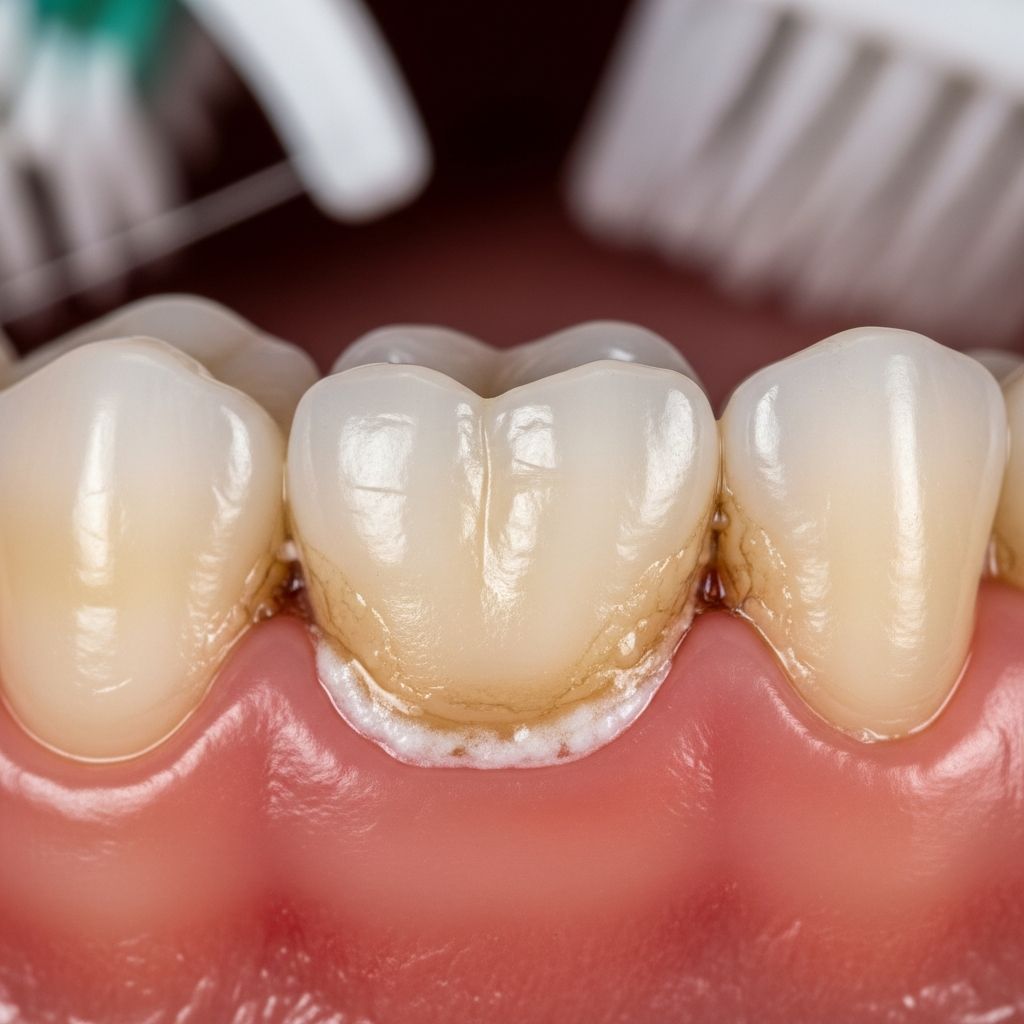
Understanding Dental Plaque
Dental plaque is a sticky, colorless film of bacteria that constantly forms on your teeth and gums. This biofilm develops when bacteria in your mouth combine with saliva and food particles, creating a substance that adheres strongly to tooth surfaces. Unlike tartar, which is hardened plaque that requires professional removal, dental plaque can be managed through proper oral hygiene practices. Understanding what plaque is and how it develops is the first step toward maintaining optimal oral health and preventing serious dental complications.
The bacteria in plaque produce acids when they metabolize sugars and starches from the food you eat. These acids attack your tooth enamel, the hard outer protective layer of your teeth, leading to demineralization and weakening of the tooth structure. When plaque remains on your teeth for extended periods, it hardens into tartar, also known as calculus, which cannot be removed by brushing or flossing alone.
How Plaque Forms on Your Teeth
Plaque formation is a natural and continuous process that begins within minutes after you finish eating. When you consume food or beverages containing sugars and starches, the bacteria in your mouth immediately begin to metabolize these substances. The byproducts of this bacterial metabolism include acids that contribute to the sticky film known as plaque.
Several factors influence the rate at which plaque develops on your teeth:
- Frequency of eating and snacking throughout the day
- Types of foods consumed, particularly those high in sugar and refined carbohydrates
- Your individual saliva composition and flow rate
- The specific bacterial species present in your mouth
- Your current oral hygiene practices
- Dry mouth conditions or medications that reduce saliva production
The Dangers of Plaque Buildup
When plaque accumulates on your teeth without regular removal, it can lead to several serious oral health problems. The primary dangers of plaque buildup include cavity formation, gum disease, and potential tooth loss if left untreated.
Cavity Development
Cavities, also known as dental caries, form when plaque bacteria produce acids that penetrate the tooth enamel and create holes in the tooth structure. Once a cavity develops, it requires professional dental treatment to prevent further deterioration. The earliest stages of cavity formation are often painless, which is why regular dental checkups are essential for early detection.
Gum Disease
When plaque accumulates along the gum line, it causes inflammation and infection of the gingival tissues. This leads to gingivitis, the earliest stage of gum disease, characterized by red, swollen, and bleeding gums. If gingivitis is not treated promptly, it can progress to periodontitis, a more severe form of gum disease that can result in bone loss and tooth loss.
Tooth Discoloration
Plaque accumulation can cause visible staining and discoloration of your teeth, affecting your smile’s aesthetic appearance. The longer plaque remains on your teeth, the more noticeable these stains become.
Effective Plaque Removal Techniques
Removing plaque from your teeth requires consistent daily efforts and professional dental care. Here are the most effective methods for maintaining a plaque-free smile:
Related Stories



Daily Brushing
Brushing your teeth at least twice daily is the cornerstone of plaque removal. Use a soft-bristled toothbrush and fluoride toothpaste, directing the brush at a 45-degree angle toward the gum line. Brush for at least two minutes, ensuring you reach all surfaces of your teeth, including the backs and chewing surfaces. Replace your toothbrush every three months or sooner if the bristles become frayed.
Flossing
Flossing is equally important as brushing because it removes plaque from areas between your teeth where a toothbrush cannot reach. Daily flossing helps prevent plaque accumulation in these tight spaces and reduces your risk of cavities and gum disease. Dental professionals recommend flossing at least once daily, preferably before bedtime.
Interdental Cleaning Tools
In addition to traditional flossing, you can use interdental brushes, water flossers, or wooden picks to remove plaque from between your teeth. These tools can be particularly helpful if you have larger gaps between your teeth or if you find traditional floss difficult to use.
Mouthwash and Rinses
Antimicrobial mouthwashes can help reduce plaque formation by killing bacteria in your mouth. While mouthwash should not replace brushing and flossing, it can complement your daily oral hygiene routine. Look for mouthwashes containing chlorhexidine or essential oils that have been shown to reduce plaque accumulation.
Professional Plaque and Tartar Removal
Professional dental cleanings are essential for removing tartar that has hardened on your teeth. During a professional cleaning, your dentist or dental hygienist uses specialized instruments to carefully scrape away tartar buildup from your teeth above and below the gum line. This process, known as scaling, cannot be performed at home because tartar is too hard to remove with conventional toothbrushes or floss.
Recommended Cleaning Frequency
The frequency of professional dental cleanings depends on your individual oral health status and risk factors. Most people benefit from dental cleanings every six months. However, individuals with a history of gum disease, diabetes, or other risk factors may require more frequent cleanings, such as every three or four months. Your dentist will recommend the appropriate cleaning schedule based on your specific needs.
Preventing Plaque Formation
While you cannot completely prevent plaque formation, you can significantly reduce its accumulation through preventive strategies and lifestyle modifications. These prevention techniques will help you maintain healthier teeth and gums for years to come.
Dietary Modifications
Limiting your intake of sugary and starchy foods reduces the amount of substrate available for plaque-forming bacteria. When you do consume these foods, eat them as part of meals rather than snacking throughout the day. Frequent snacking allows bacteria to produce harmful acids repeatedly, increasing your risk of cavities.
Hydration and Saliva Flow
Drinking plenty of water increases saliva production, which naturally helps wash away plaque and neutralize bacterial acids. Saliva also contains antimicrobial components that help fight cavity-causing bacteria. If you experience dry mouth, consult your dentist about potential causes and treatment options.
Tobacco and Alcohol Avoidance
Tobacco use and excessive alcohol consumption increase plaque formation and significantly raise your risk of gum disease. Quitting smoking and limiting alcohol consumption will dramatically improve your oral health outcomes.
Regular Dental Visits
Scheduling regular dental appointments allows your dentist to monitor your plaque levels, identify early signs of gum disease, and provide professional cleanings before plaque hardens into tartar.
Common Plaque Removal Mistakes to Avoid
Many people unknowingly engage in habits that undermine their plaque removal efforts. Avoid these common mistakes to protect your oral health:
- Brushing too vigorously, which can damage your enamel and gums
- Using a hard-bristled toothbrush instead of a soft-bristled brush
- Neglecting to brush your tongue and the inner surfaces of your teeth
- Skipping flossing or using improper flossing technique
- Rinsing excessively after brushing, which removes protective fluoride
- Waiting too long between dental appointments
Understanding the Plaque-Disease Connection
The relationship between plaque accumulation and oral disease is well-established in dental research. Plaque bacteria produce toxins and enzymes that damage tooth structure and irritate gum tissue. Over time, chronic plaque exposure leads to progressive tissue destruction, tooth loss, and potential systemic health complications. Research indicates that gum disease is associated with increased risk of heart disease and stroke, making plaque control important for your overall health, not just your teeth.
Natural and Alternative Plaque Removal Methods
While professional dental care remains the gold standard, some natural approaches may complement your plaque prevention efforts. Oil pulling, an ancient practice involving swishing oil in your mouth, has been studied for its potential antimicrobial properties. Herbal mouthwashes containing herbs like sage and chamomile possess natural antibacterial compounds. However, these methods should supplement, not replace, conventional brushing, flossing, and professional dental care.
Special Considerations for Different Populations
Children and Plaque
Children require special attention regarding plaque management because primary teeth are more susceptible to decay. Parents should supervise their children’s brushing and flossing until approximately age eight. Starting proper oral hygiene habits early establishes lifelong healthy behaviors and reduces cavity risk.
Seniors and Plaque
Older adults face increased plaque accumulation risks due to medication side effects, reduced saliva production, and decreased manual dexterity. Caregivers should assist seniors with oral hygiene and ensure regular dental visits continue.
Individuals with Dental Work
People with crowns, bridges, implants, or other dental restorations require extra attention to plaque removal around these structures. Specialized floss or interdental brushes designed for dental work can help maintain cleanliness in these areas.
Frequently Asked Questions About Dental Plaque
Q: Can you remove plaque at home completely?
A: While proper brushing and flossing remove most plaque, tartar (hardened plaque) requires professional removal by a dentist or hygienist. Most people benefit from professional cleanings every six months to remove tartar buildup.
Q: How quickly does plaque form after brushing?
A: Plaque begins forming within minutes after you finish eating. This is why consistent daily brushing and flossing are necessary to maintain oral health.
Q: Does plaque always lead to cavities?
A: Not all plaque leads to cavities, but cavity formation cannot occur without plaque. The acids produced by plaque bacteria are necessary for cavity development, making plaque control essential for cavity prevention.
Q: Can mouthwash replace flossing?
A: No, mouthwash cannot replace flossing. While antimicrobial mouthwash can help reduce plaque bacteria, only physical removal through brushing and flossing effectively removes plaque from between your teeth and below the gum line.
Q: Why do my teeth still have plaque after brushing?
A: Even thorough brushing may not remove all plaque, especially from hard-to-reach areas between teeth and below the gum line. This is why daily flossing complements brushing and why professional cleanings are necessary to remove tartar.
Q: Is there a toothpaste that prevents all plaque formation?
A: No toothpaste can completely prevent plaque formation, but fluoride toothpaste strengthens enamel and helps prevent cavities. Combined with proper brushing and flossing technique, fluoride toothpaste provides significant protection against plaque-related damage.
References
- Periodontal Disease and Cardiovascular Disease — American Heart Association. 2024. https://www.heart.org/en/diseases-and-conditions/consumer-information/answers-by-heart-fact-sheets-about-heart-attack
- Oral Health and Overall Health and Well-Being — Centers for Disease Control and Prevention. 2024. https://www.cdc.gov/oralhealthdata/index.html
- Guidelines on Oral Health — World Health Organization. 2021. https://www.who.int/teams/noncommunicable-diseases/oral-health
- Dental Plaque Biofilm Formation and Prevention — Journal of Dental Research. 2023. https://journals.sagepub.com/home/jdr
Similar Articles








Read full bio of medha deb