Dental Veneers: Cost, Procedure & Advantages
Transform your smile with custom dental veneers. Learn about the procedure, benefits, costs, and what to expect.
What Are Dental Veneers?
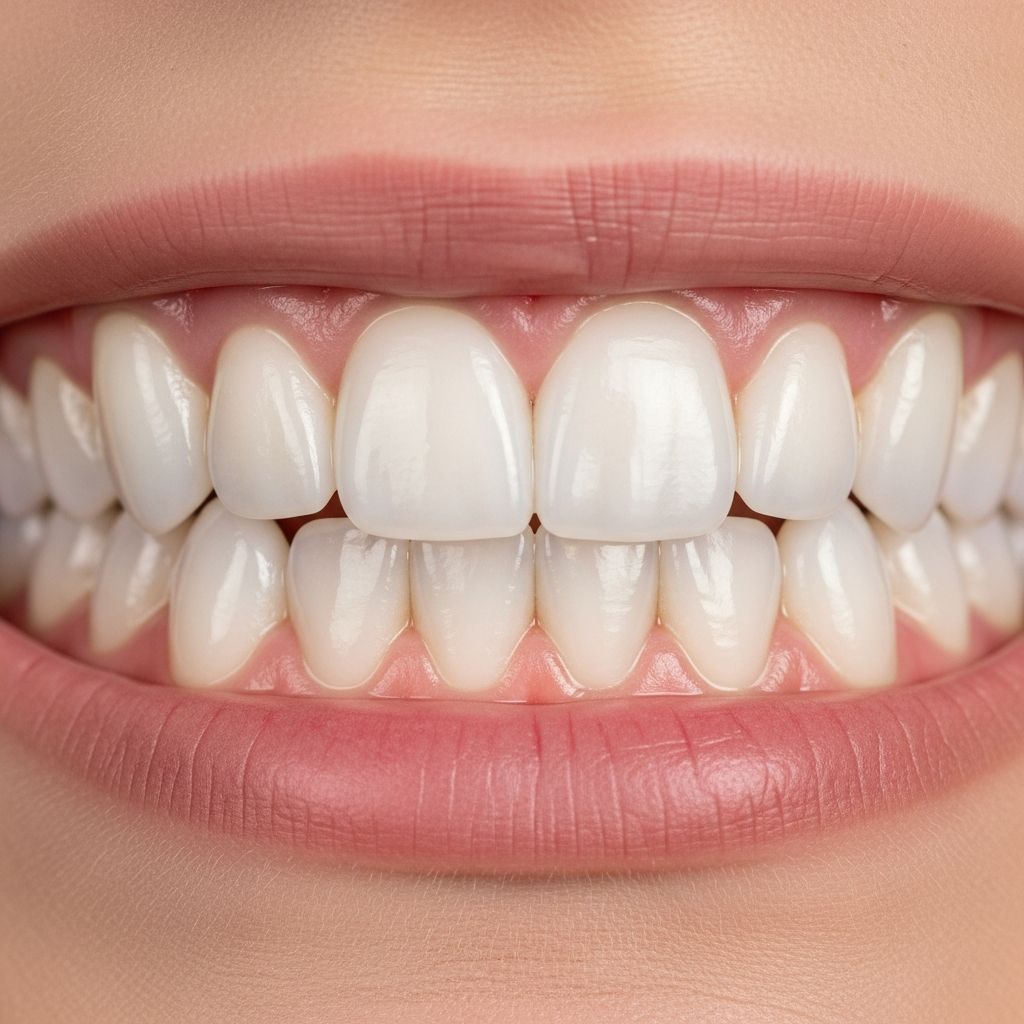
Dental veneers are custom-made shells that fit over the front surfaces of your teeth. These thin, tooth-colored restorations are designed to conceal cracks, chips, stains, and other cosmetic imperfections that may affect your smile’s appearance. Veneers provide a minimally invasive solution for those seeking significant aesthetic improvements without extensive dental work. Whether you’re dealing with discoloration, minor misalignments, or damaged tooth surfaces, veneers offer a versatile approach to achieving the smile you’ve always desired.
Understanding How Dental Veneers Work
The process of getting dental veneers involves several carefully planned steps that ensure optimal results. Your dentist will guide you through each stage, from initial consultation to final placement, ensuring your comfort and satisfaction throughout the journey.
Initial Consultation and Evaluation
During your initial appointment, your dentist will examine your teeth and gums to determine if you’re a suitable candidate for veneers. This evaluation is crucial as it assesses your overall oral health and ensures you have a strong foundation for the procedure. Your dentist will discuss your cosmetic goals, listen to your expectations, and outline the most effective treatment plan tailored to your specific needs. They may take X-rays and capture impressions to better understand your dental structure.
Tooth Preparation
If you’re deemed a good candidate, the next step involves preparing your teeth. Your dentist will remove a very small amount of enamel from the front surface of your teeth—typically less than a millimeter, which is approximately equal to the thickness of the veneer to be added. This removal ensures the veneer fits naturally without making your teeth appear bulky. Local anesthesia may be used to numb the area and ensure your comfort during this process. While this step might sound intimidating, it’s relatively painless and essential for achieving a natural-looking result.
Impression Taking and Custom Creation
After tooth preparation, your dentist will take precise impressions of your teeth. These molds are sent to a skilled dental laboratory where technicians will custom-create your veneers. This process typically takes one to two weeks. During this waiting period, temporary veneers may be placed on your teeth to protect them and provide a preview of your new smile. Temporary veneers might not look or feel exactly like the final veneers, but they serve the vital purpose of protecting your prepared teeth.
Bonding and Permanent Placement
Once your custom veneers are ready, the laboratory will ship them to your dentist’s office. During a second office visit, your dentist will check the shape, color, and fit of your veneers against your teeth. Any necessary adjustments are made to ensure a perfect match. Your teeth will be thoroughly cleaned and etched to prepare the surface for bonding. Special dental cement is applied to the veneer, which is then carefully placed on your tooth. A special light beam is used to harden the cement quickly and securely. Finally, your dentist will check your bite and make any necessary adjustments to ensure comfort and proper alignment.
Types of Dental Veneers
There are primarily two types of dental veneers, each with distinct characteristics and advantages:
Porcelain Veneers
Porcelain veneers are the most popular choice among patients seeking long-lasting cosmetic improvements. These veneers are fabricated in a dental laboratory and offer exceptional durability and stain resistance. Porcelain veneers typically last between 5 to 15 years, making them a long-term investment in your smile. They provide a natural appearance, reflect light similarly to natural teeth, and resist discoloration better than other veneer materials.
Composite Veneers
Composite veneers are made from tooth-colored composite resin material and can be applied directly to your teeth in a single appointment. Unlike porcelain veneers, composite veneers don’t require dental impressions or laboratory work. However, they may not be as durable as porcelain veneers and typically last between 5 to 8 years. Composite veneers are often more affordable and require less tooth preparation, making them an attractive option for patients seeking a quicker solution.
Related Stories



Benefits and Advantages of Dental Veneers
Dental veneers offer numerous advantages that make them an increasingly popular cosmetic dentistry solution:
- Significant aesthetic improvements: Veneers provide a bright, even, and symmetrical smile that dramatically enhances your appearance.
- Customization: Each veneer is custom-made to fit your teeth perfectly and match your desired shape and color.
- Minimally invasive: The procedure preserves more of your natural tooth structure compared to crowns or other restorative options.
- Durability: Porcelain veneers are highly resistant to staining and chipping, offering long-lasting results.
- Versatility: Veneers can address various cosmetic concerns including chips, gaps, discoloration, and minor misalignments.
- Natural appearance: When properly designed and placed, veneers blend seamlessly with your existing teeth.
- Quick recovery: There is no downtime following veneer placement, and you can return to normal activities immediately.
What Problems Can Veneers Address?
Dental veneers are an excellent solution for numerous cosmetic dental concerns:
| Cosmetic Concern | How Veneers Help |
|---|---|
| Tooth discoloration | Veneers conceal stains and discoloration that may not respond to whitening treatments |
| Cracked or chipped teeth | The veneer shell covers damage and restores the tooth’s appearance |
| Uneven edges | Custom veneers can create a uniform, balanced appearance |
| Slight crowding | Veneers can visually correct minor misalignments |
| Gaps between teeth | Strategically sized veneers can close small gaps |
| Worn tooth surfaces | Veneers restore the tooth’s shape and structure |
Recovery and Aftercare
One of the major advantages of dental veneers is the minimal recovery period. There is no downtime following veneer placement, and people who receive dental veneers can return to normal activities the same day. You can also eat or drink immediately after your appointment, as long as the anesthesia has worn off.
Some patients may experience mild sensitivity to hot or cold foods for a few days after the procedure, but this typically subsides on its own. To maintain your veneers and ensure their longevity, follow these care guidelines:
- Brush with a soft-bristle toothbrush at least twice daily
- Floss daily to remove plaque and debris between teeth
- Attend routine dental cleanings twice a year
- Avoid biting hard objects such as ice, pens, or fingernails
- Limit consumption of staining beverages like coffee, red wine, and dark sodas
- Wear a mouthguard if you participate in contact sports
- Avoid using your teeth as tools
Cost of Dental Veneers
The cost of dental veneers varies depending on several factors, including the type of veneer chosen, the number of teeth being treated, your geographic location, and your dentist’s experience level. Porcelain veneers typically range from $900 to $2,500 per tooth, while composite veneers generally cost between $250 to $1,500 per tooth. Most dental insurance plans do not cover veneers since they are considered a cosmetic procedure. However, some dentists offer payment plans or financing options to make veneers more affordable for interested patients.
How Long Do Veneers Last?
The longevity of dental veneers depends on the type of veneer and how well you care for them. Porcelain veneers typically last between 5 to 15 years, while composite veneers generally last 5 to 8 years. With proper care and maintenance, many patients enjoy their veneers for well over a decade. Eventually, veneers may need to be replaced due to wear, damage, or changes in your dental structure. Your dentist will monitor the condition of your veneers during regular checkups.
Are You a Candidate for Veneers?
While veneers offer many advantages, they may not be suitable for everyone. To be a good candidate for veneers, you should have:
- Healthy gums and tissue with no signs of active gum disease
- Sufficient enamel on your teeth to support the veneers
- No untreated cavities or decay
- Good oral hygiene habits
- Realistic expectations about the results
- A commitment to maintaining proper dental care
If you have significant tooth decay, gum disease, or insufficient enamel, your dentist may recommend alternative treatments such as crowns, dental bonding, or other restorative procedures before considering veneers.
Comparing Veneers to Other Cosmetic Treatments
Understanding how veneers compare to other cosmetic dentistry options can help you make an informed decision:
| Cosmetic Treatment | Duration of Results | Invasiveness | Cost Range |
|---|---|---|---|
| Teeth Whitening | 6 months to 3 years | Non-invasive | $200-$1,000 |
| Dental Bonding | 5 to 8 years | Minimally invasive | $300-$600 per tooth |
| Veneers | 5 to 15 years | Minimally invasive | $250-$2,500 per tooth |
| Dental Crowns | 5 to 15 years | More invasive | $800-$3,000 per tooth |
Frequently Asked Questions About Dental Veneers
Q: Is the tooth preparation process painful?
A: No, the tooth preparation process is not painful. Local anesthesia is used to numb the area before any enamel is removed, ensuring your comfort throughout the procedure. Most patients report feeling pressure rather than pain during this stage.
Q: Can I change my veneers if I’m not satisfied with them?
A: Yes, if you want to change something about your veneers, such as the shape or color, let your dentist know. They will work with you and the dental laboratory to ensure that your results are satisfactory.
Q: How soon can I eat after getting veneers?
A: You can eat or drink immediately after your appointment, as long as the anesthesia has worn off. There is no dietary restriction following veneer placement.
Q: Can veneers be whitened?
A: Porcelain veneers cannot be whitened with traditional whitening treatments since they are made of porcelain. However, they are naturally stain-resistant and maintain their color better than natural teeth. If your veneers become discolored over time, your dentist can replace them.
Q: What happens if a veneer breaks or becomes loose?
A: If a veneer breaks or becomes loose, contact your dentist immediately. They can repair or replace the damaged veneer. Avoid eating hard or sticky foods that could further damage the veneer while waiting for your appointment.
Q: Do veneers require special care?
A: Veneers require normal oral hygiene care similar to your natural teeth. Brush with a soft-bristle toothbrush, floss daily, and attend regular dental checkups. Avoid biting hard objects and limit staining foods and beverages to maintain their appearance.
Q: How many teeth can be covered with veneers?
A: Veneers can be applied to as few as one tooth or to your entire visible smile. Most commonly, patients choose to have veneers placed on their six to eight front teeth for a coordinated, natural-looking result.
Q: Are veneers covered by dental insurance?
A: Most dental insurance plans do not cover veneers since they are considered a cosmetic procedure. However, some dentists offer payment plans or financing options to help make veneers more affordable.
References
- What Are Dental Veneers? Cost, Procedure & Advantages — Cleveland Clinic. 2024. https://my.clevelandclinic.org/health/treatments/23522-dental-veneers
- Cosmetic Dentistry: Purpose, Procedures & Benefits — Cleveland Clinic. 2024. https://my.clevelandclinic.org/health/treatments/23914-cosmetic-dentistry
- Dental Veneers Explained: How They Work and What to Expect — Main Street Dental Parker. 2024. https://mainstreetdentalparker.com/dental-health/dental-veneers-explained-how-they-work-and-what-to-expect/
- Veneers — Chaska Family Dental. 2024. https://www.chaskafamilydental.com/knowledge-base/veneers
- Porcelain Veneers: What to Know — Cleveland Smiles. 2024. https://www.clevelandsmiles.com/blog/uncategorized/porcelain-veneers-in-cleveland/
Similar Articles








Read full bio of Sneha Tete