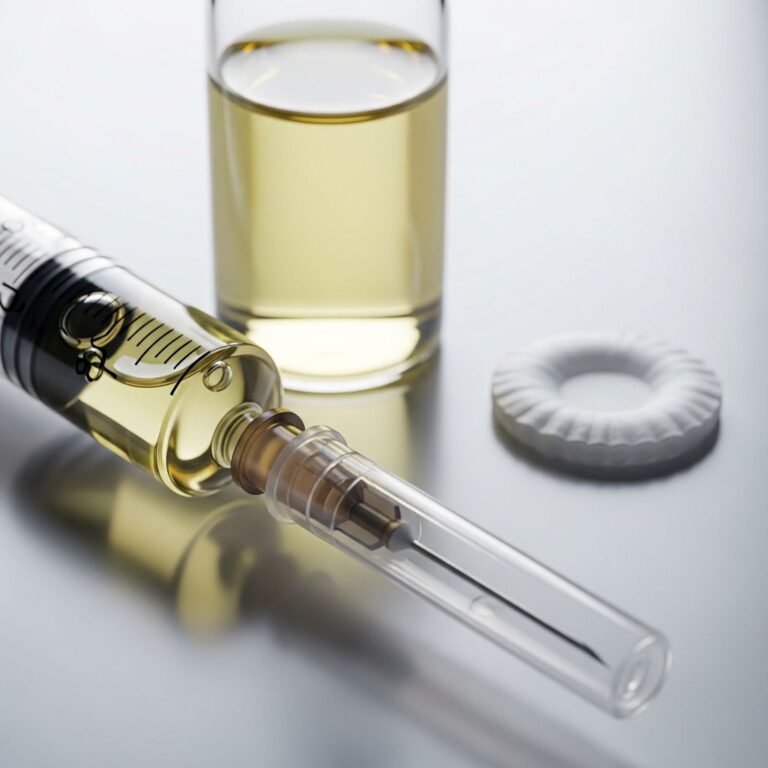
Depo-Provera Injection: 4 Practical Tips And What To Expect
Comprehensive insights into Depo-Provera: effectiveness, administration, benefits, risks, and key considerations for informed use.
Depo-Provera, known scientifically as medroxyprogesterone acetate, stands as a prominent option in progestin-only contraceptives administered via injection. This method delivers long-acting hormonal protection against pregnancy and aids in alleviating certain gynecological conditions. With an efficacy exceeding 99% when used correctly, it appeals to those seeking reliable, low-maintenance birth control.
Understanding the Mechanism of Action
At its core, Depo-Provera functions by mimicking the body’s natural progesterone. It suppresses gonadotropin secretion from the pituitary gland, halting follicular maturation and ovulation in the ovaries. Additionally, it alters the uterine lining to make implantation less feasible and thickens cervical mucus, creating a barrier to sperm entry. These combined effects render pregnancy highly unlikely.
For individuals managing endometriosis, the injection reduces the growth of endometrial-like tissue outside the uterus, thereby easing associated pain and discomfort.
Primary Uses and Approved Indications
Depo-Provera is FDA-approved primarily for contraception in females of reproductive potential. It is not recommended for extended use beyond two years due to potential impacts on bone health, unless alternative methods prove inadequate.
- Contraception: Prevents pregnancy through sustained progestin release over 12-13 weeks per dose.
- Endometriosis management: Subcutaneous formulations help control pain by thinning uterine tissues and shrinking abnormal growths.
- Other applications: Occasionally used off-label for conditions like secondary amenorrhea or dysfunctional uterine bleeding, though oral forms are more common for these.
Dosing Schedules and Administration Methods
Administration requires a healthcare professional for intramuscular injections, while subcutaneous options like Depo-SubQ Provera allow self-administration in some cases. Timing is critical for efficacy.
| Formulation | Dose | Frequency | Notes |
|---|---|---|---|
| Intramuscular (Depo-Provera CI) | 150 mg | Every 12-13 weeks | First dose within 5 days of menses start; check non-pregnancy before repeats. |
| Subcutaneous (Depo-SubQ Provera) | 104 mg | Every 12-14 weeks | Suitable for endometriosis; self-injectable prefilled syringe. |
For adolescents, the same schedules apply, but prolonged use demands bone density monitoring. If intervals exceed 14 weeks, pregnancy testing is advised before the next dose.
Effectiveness Rates and Comparative Advantages
Clinical data affirm Depo-Provera’s superior effectiveness, surpassing 99.7% with perfect use and around 94% in typical scenarios. It eliminates daily compliance issues, offering three months of protection per shot.
Benefits extend beyond contraception:
- Reduction in ovarian and endometrial cancer risks.
- Potential decrease in pelvic inflammatory disease incidence.
- Absence of estrogen, making it suitable for breastfeeding mothers post-6 weeks postpartum.
- Relief from menstrual symptoms like cramps and heavy bleeding for many users.
Potential Side Effects and Risk Management
While effective, Depo-Provera carries side effects, some resolving over time. Common issues include irregular bleeding (affecting up to 57% in year one), weight gain (38% gain >10 lbs by two years), headaches (17%), and mood changes.
| Frequency | Side Effects |
|---|---|
| Common (>5%) | Irregular spotting/bleeding, abdominal discomfort, weight gain, dizziness, decreased libido. |
| Moderate (1-5%) | Hot flashes, depression. |
| Rare/Serious | Bone loss, thromboembolism risk, breast/cervical cancer concerns (incidence not quantified). |
Related Stories



The most significant concern is bone mineral density (BMD) loss, greater with duration and in adolescents/peak bone mass builders. Users should supplement calcium/vitamin D, exercise, and consider switching after two years.
Bone Health Considerations and Monitoring
Prolonged progestin exposure decreases estrogen levels, impacting bone formation. FDA labeling warns of significant BMD loss, partially reversible post-discontinuation but potentially irreversible in some. Annual clinician discussions and BMD scans for long-term users are recommended, especially smokers or those with risk factors like obesity or hypertension.
Who Should Avoid or Use Caution with Depo-Provera
Certain conditions contraindicate its use:
- Known or suspected pregnancy.
- Current breast cancer or undiagnosed vaginal bleeding.
- Liver disease, thromboembolic disorders, or severe hypertension.
- History of cerebrovascular disease or osteoporosis risk factors.
Caution applies to diabetics, migraine sufferers, or those with hyperlipidemia, as it may exacerbate these.
Drug Interactions and Lifestyle Factors
Depo-Provera interacts with enzyme inducers like rifampin, phenytoin, or St. John’s Wort, potentially reducing efficacy. Smoking increases cardiovascular risks. Hormonal levels (e.g., cortisol, testosterone) may fluctuate, affecting lab tests.
Practical Tips for Starting and Continuing Treatment
- Schedule first injection during the first five days of your cycle for immediate protection; otherwise, use backup for seven days.
- Track dates to avoid gaps; apps or reminders help.
- Report persistent bleeding or mood changes promptly.
- Plan for return to fertility: up to 10 months post-last dose.
Frequently Asked Questions (FAQs)
Is Depo-Provera reversible?
Yes, fertility typically resumes within 12 months after the last injection, though it varies.
Does it protect against STIs?
No, condoms are necessary for STI prevention.
Can I use it while breastfeeding?
Yes, safe from six weeks postpartum.
How does weight gain occur?
Linked to appetite changes and fluid retention; lifestyle adjustments mitigate it.
What if I miss a dose timing?
Pregnancy test and backup contraception if over 13-14 weeks.
Long-Term Outlook and Alternatives
For those needing extended contraception, weigh BMD risks against benefits. Alternatives include IUDs, implants, or oral progestins with less bone impact. Regular health check-ins ensure suitability.
In summary, Depo-Provera offers robust, user-friendly contraception with added gynecological benefits, balanced against manageable risks through informed monitoring.
References
- Consumer Information for DEPO-PROVERA — Health Canada. 2023. https://dhpp.hpfb-dgpsa.ca/dhpp/resource/441/consumer-information
- Depo-Provera Drug Summary — PDR.net. 2025. https://www.pdr.net/drug-summary/Depo-Provera-Contraceptive-Injection-medroxyprogesterone-acetate-1373
- Medroxyprogesterone (Depo-Provera): Uses, Side Effects — GoodRx. 2025. https://www.goodrx.com/depo-provera/what-is
- DEPO-PROVERA CI Label — FDA. 2025-12. https://www.accessdata.fda.gov/drugsatfda_docs/label/2025/020246s074lbl021583s045lbl.pdf
- Depo Provera — The Royal Women’s Hospital. 2024. https://www.thewomens.org.au/health-information/contraception/depo-provera
- Depo-Provera Birth Control Shot — Cleveland Clinic. 2025. https://my.clevelandclinic.org/health/drugs/4086-depo-provera-birth-control-shot
- Depo-Provera CI Prescribing Information — Pfizer. 2025-12. https://labeling.pfizer.com/showlabeling.aspx?id=522
Similar Articles








Read full bio of medha deb