Depression and Heart Disease: The Mind-Heart Connection
Understanding how depression affects cardiovascular health and managing both conditions.
Understanding the Depression and Heart Disease Connection
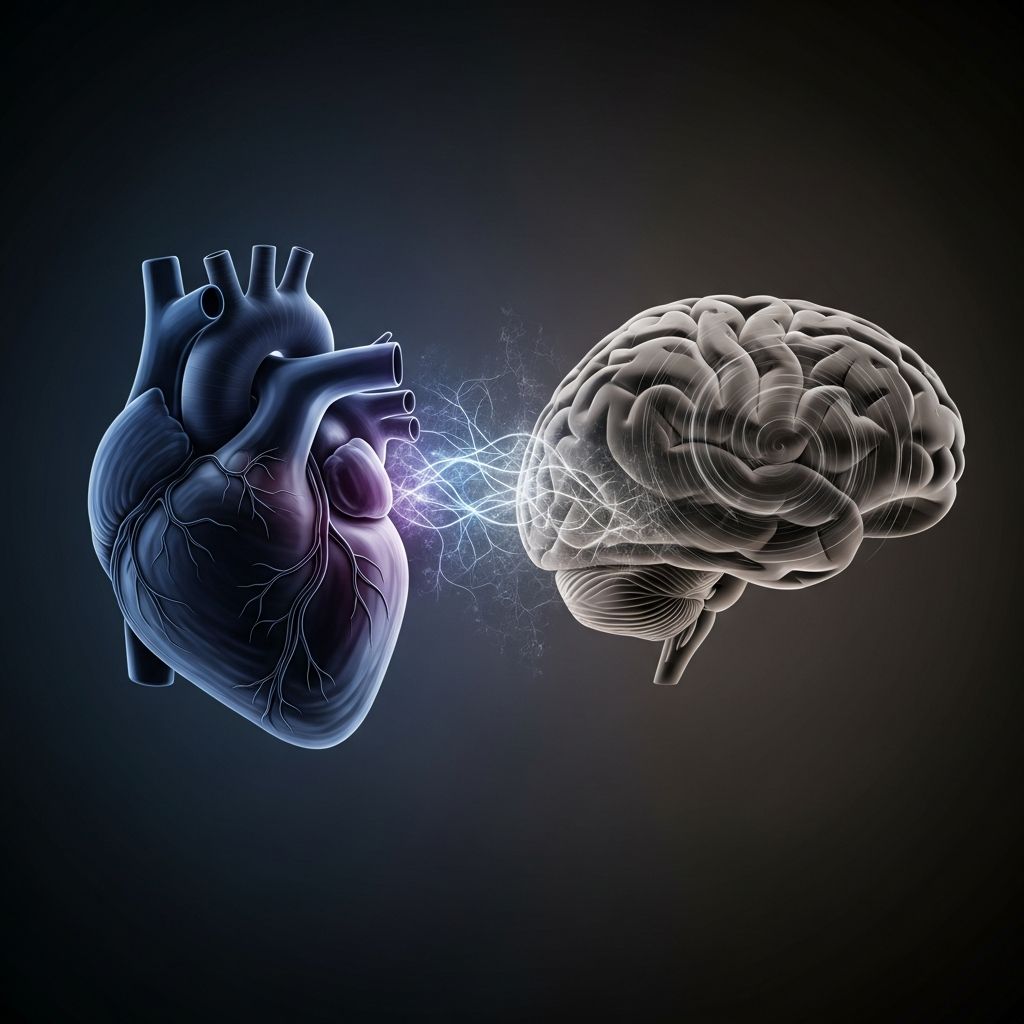
The relationship between mental health and physical health has long been recognized by medical professionals, but the connection between depression and heart disease is particularly significant. Research has consistently demonstrated that depression is not merely an emotional condition—it has profound effects on cardiovascular function and can substantially increase the risk of developing heart disease. This mind-heart connection represents one of the most important health relationships that patients and physicians should understand.
Depression affects millions of people worldwide, and for those individuals, the consequences extend far beyond mood and emotional well-being. The presence of clinical depression has been shown to significantly elevate the risk of heart attack, stroke, and other serious cardiovascular events. Understanding this relationship is crucial for anyone with depression, anyone at risk for heart disease, or anyone concerned about their overall health.
The Research Evidence: How Depression Increases Heart Disease Risk
Multiple large-scale studies have provided compelling evidence for the link between depression and cardiovascular disease. A landmark study that followed nearly 1,200 Johns Hopkins Medical School male students over 40 years found that those with a history of clinical depression—even a depressive episode occurring more than 10 years prior—were twice as likely to develop coronary artery disease. Additionally, the history or incidence of depression raised their risk for heart attack by 20 percent.
The statistical evidence becomes even more striking when examining specific populations and timeframes:
- Middle-aged men with depression were three times more likely to develop strokes during the next 14 years
- In a longitudinal study of 5,000 people aged 65 and over, those who had frequent depressive symptoms were 40 percent more likely to develop coronary artery disease
- In a 10-year study of 1,300 men, each increase in their level of optimism (as measured by survey responses) reduced their chance of developing coronary heart disease by 25 percent
More recent research confirms these findings in younger populations as well. A comprehensive analysis found that people with depression had significantly higher odds of cardiovascular disease than those without depression, with a graded association between poor mental health days and cardiovascular risk.
How Depression Damages the Heart: The Biological Mechanisms
Understanding why depression increases heart disease risk requires examining the biological pathways through which depression affects the cardiovascular system. The connection is not simply psychological—there are measurable, physical changes that occur in the body during depression that directly harm heart health.
Stress Hormones and Cardiovascular Stress
The primary biological mechanism linking depression to heart disease involves stress hormones. During normal stress situations, the body releases increased levels of adrenaline and cortisol. While these stress hormones are beneficial in short-term stress situations, providing the “fight or flight” response, prolonged exposure to elevated levels causes serious damage to the cardiovascular system.
Related Stories



In patients with depression, cortisol levels remain abnormally high for extended periods. This chronic elevation of stress hormones leads to several adverse physiological effects:
- Development of insulin resistance, which increases diabetes risk and metabolic dysfunction
- Increased visceral fat accumulation, contributing to obesity and metabolic complications
- Chronic inflammation affecting blood vessels and the heart
- Abnormalities in glucose and lipid metabolism
- Coagulation cascade abnormalities that increase clot formation risk
Behavioral and Lifestyle Factors
Beyond the direct physiological effects, depression also contributes to cardiovascular risk through behavioral changes. People experiencing depression often engage in lifestyle choices that harm heart health:
- Sedentary behavior and reduced physical activity
- Unhealthy eating patterns and poor dietary choices
- Increased smoking or substance use
- Medication non-compliance and poor self-care
- Sleep disturbances and insomnia
The Protective Effect of Positive Well-Being
Conversely, research has shown that positive psychological attributes provide protective benefits for heart health. Studies examining the impact of positive well-being on coronary artery disease found nearly a 50% reduction in incident CAD in high-risk populations with positive well-being compared to those without. This suggests that enhancing mood, optimism, and life satisfaction can actively reduce cardiovascular risk.
Depression Symptoms and Their Cardiac Implications
Depression manifests through various symptoms, many of which can have direct effects on the heart or complicate existing heart disease. Recognizing these symptoms is essential for early intervention and treatment:
- Persistent sadness and hopelessness: Emotional symptoms that often lead to reduced motivation for self-care and medical treatment adherence
- Loss of interest or pleasure: Anhedonia can reduce engagement in heart-healthy activities like exercise and social connections
- Fatigue and low energy: May limit physical activity and increase sedentary behavior
- Sleep disturbances: Both insomnia and excessive sleep can negatively impact cardiovascular health
- Appetite changes: Can lead to poor nutrition or weight gain
- Difficulty concentrating: May impair ability to manage medications or follow medical recommendations
- Physical pain and discomfort: Can complicate assessment of cardiac symptoms
- Feelings of worthlessness: May contribute to neglect of medical care and appointments
Heart Disease and Secondary Depression
While depression increases the risk of developing heart disease, the relationship is bidirectional. Patients who have already been diagnosed with heart disease face an elevated risk of developing depression. This secondary depression can result from:
- The emotional stress of living with a serious chronic illness
- Limitations on physical activity and lifestyle changes
- Concerns about mortality and quality of life
- The side effects of cardiac medications
- Increased dependence on others and loss of independence
This bidirectional relationship means that heart disease patients require particular attention to their mental health, as addressing depression can improve both psychological well-being and cardiac outcomes.
Risk Factors for Depression and Heart Disease
Certain populations and individuals face higher risks for both depression and cardiovascular disease. Understanding these risk factors can help guide prevention and screening efforts:
- Age: Both conditions increase with age, though young adults are increasingly showing associations between depression and heart disease
- Gender: Women may experience different presentations and risk profiles for both conditions
- Family history: Genetic predisposition plays a role in both depression and heart disease
- Chronic stress: Ongoing psychological stress contributes to both conditions
- Socioeconomic factors: Limited access to healthcare and resources increases vulnerability
- Lifestyle factors: Smoking, obesity, physical inactivity, and poor diet contribute to both
- Other mental health conditions: Anxiety, post-traumatic stress disorder, and other psychiatric conditions increase risk
Treatment Approaches for Depression in Heart Disease Patients
Managing depression in patients with heart disease requires careful consideration of medication interactions and side effects. The preferred antidepressants for people with or at risk for heart disease are selective serotonin reuptake inhibitors (SSRIs), including fluoxetine, paroxetine, and sertraline. These medications have fewer cardiac side effects compared to older tricyclic antidepressants, which can affect heart rhythm and blood pressure.
Treatment typically involves a multimodal approach combining medication, psychotherapy, and lifestyle modifications. Cognitive-behavioral therapy has shown particular effectiveness in treating depression in cardiac patients. Additionally, structured exercise programs, stress reduction techniques, and social support interventions have demonstrated benefits for both depression and heart health.
Screening and Diagnosis
Given the significant health implications, screening for depression should be an important component of cardiovascular care. Healthcare providers should routinely assess patients for depressive symptoms through validated screening tools and clinical interviews. Early identification allows for prompt intervention before depression significantly impacts cardiovascular health.
Similarly, patients with depression should receive cardiovascular risk assessment and screening, as the presence of depression substantially increases the need for vigilant monitoring of heart health.
Prevention and Management Strategies
For individuals without heart disease: Managing depression actively can reduce cardiovascular risk. This includes seeking professional treatment for depression, maintaining regular exercise, eating a heart-healthy diet, avoiding smoking, limiting alcohol, and managing stress through meditation, yoga, or other relaxation techniques.
For individuals with existing heart disease: Close monitoring of mental health is essential. Regular communication with both mental health professionals and cardiologists ensures integrated care. Medication compliance, cardiac rehabilitation participation, and stress management become even more critical.
For everyone: Building resilience through social connections, engaging in meaningful activities, pursuing hobbies, and maintaining optimism all provide protection against both depression and cardiovascular disease.
The Importance of Integrated Care
The mind-heart connection emphasizes the need for integrated healthcare approaches. Cardiologists should screen for depression in their patients, and mental health professionals should consider cardiovascular risk when treating depression. This collaborative approach ensures that both aspects of health receive appropriate attention and that treatment plans account for the interconnections between mental and cardiac health.
Frequently Asked Questions
Q: Can depression directly cause heart disease?
While depression doesn’t directly cause heart disease in the mechanical sense, it significantly increases the risk through multiple biological pathways including stress hormone elevation, behavioral changes, and metabolic effects. People with depression have approximately double the risk of developing coronary artery disease compared to those without depression.
Q: If I have depression, will I definitely develop heart disease?
No. Having depression increases your risk, but it does not guarantee you will develop heart disease. Many other factors influence heart disease development, including genetics, lifestyle, diet, exercise, and other medical conditions. Managing depression and maintaining heart-healthy habits can significantly reduce your risk.
Q: Are antidepressants safe for people with heart disease?
Certain antidepressants are safe and appropriate for people with heart disease. SSRIs like fluoxetine, paroxetine, and sertraline are preferred because they have fewer cardiac side effects. Your physician should carefully review your medical history and current medications before prescribing antidepressants.
Q: Can treating depression improve heart disease outcomes?
Yes. Managing depression through medication, therapy, and lifestyle changes can improve both mental health and cardiovascular outcomes. Studies show that addressing depression reduces cardiovascular risk and improves quality of life in patients with existing heart disease.
Q: What lifestyle changes help both depression and heart health?
Regular physical activity, a heart-healthy diet rich in fruits and vegetables, adequate sleep, stress management techniques, social connection, limiting alcohol, and avoiding smoking all benefit both mental health and cardiovascular health.
Q: How often should I be screened for depression if I have heart disease?
Screening frequency depends on individual risk factors and medical history. Discuss with your healthcare provider about appropriate screening intervals. Some experts recommend routine screening at least annually for cardiac patients, with more frequent assessment if symptoms develop.
References
- Depression and Heart Disease — AMA Journal of Ethics. 2003-09-01. https://journalofethics.ama-assn.org/article/depression-and-heart-disease/2003-09
- Association of Depression and Poor Mental Health With Cardiovascular Disease and Suboptimal Cardiovascular Health Among Young Adults — Journal of the American Heart Association. 2022. https://www.ahajournals.org/doi/10.1161/jaha.122.028332
- Depression Screening to Improve Clinical Outcomes in Coronary Heart Disease Patients — Johns Hopkins University. https://pure.johnshopkins.edu/en/publications/depression-screening-to-improve-clinical-outcomes-in-coronary-hea/
- Effect of Positive Well-Being on Incidence of Symptomatic Coronary Artery Disease — National Center for Biotechnology Information. https://pmc.ncbi.nlm.nih.gov/articles/PMC3788860/
- Depression in Patients with Heart Disease: The Case for More Trials — Johns Hopkins University. https://pure.johnshopkins.edu/en/publications/depression-in-patients-with-heart-disease-the-case-for-more-trial-3
Similar Articles








Read full bio of medha deb