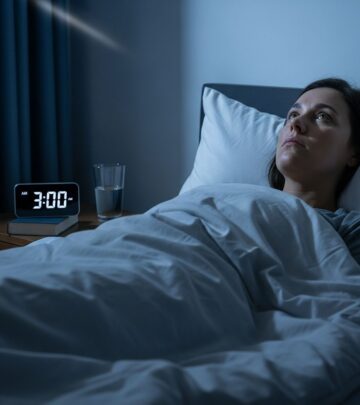
Depression and Sleep: Understanding the Connection
Discover how depression and sleep are interconnected and learn strategies to improve both.
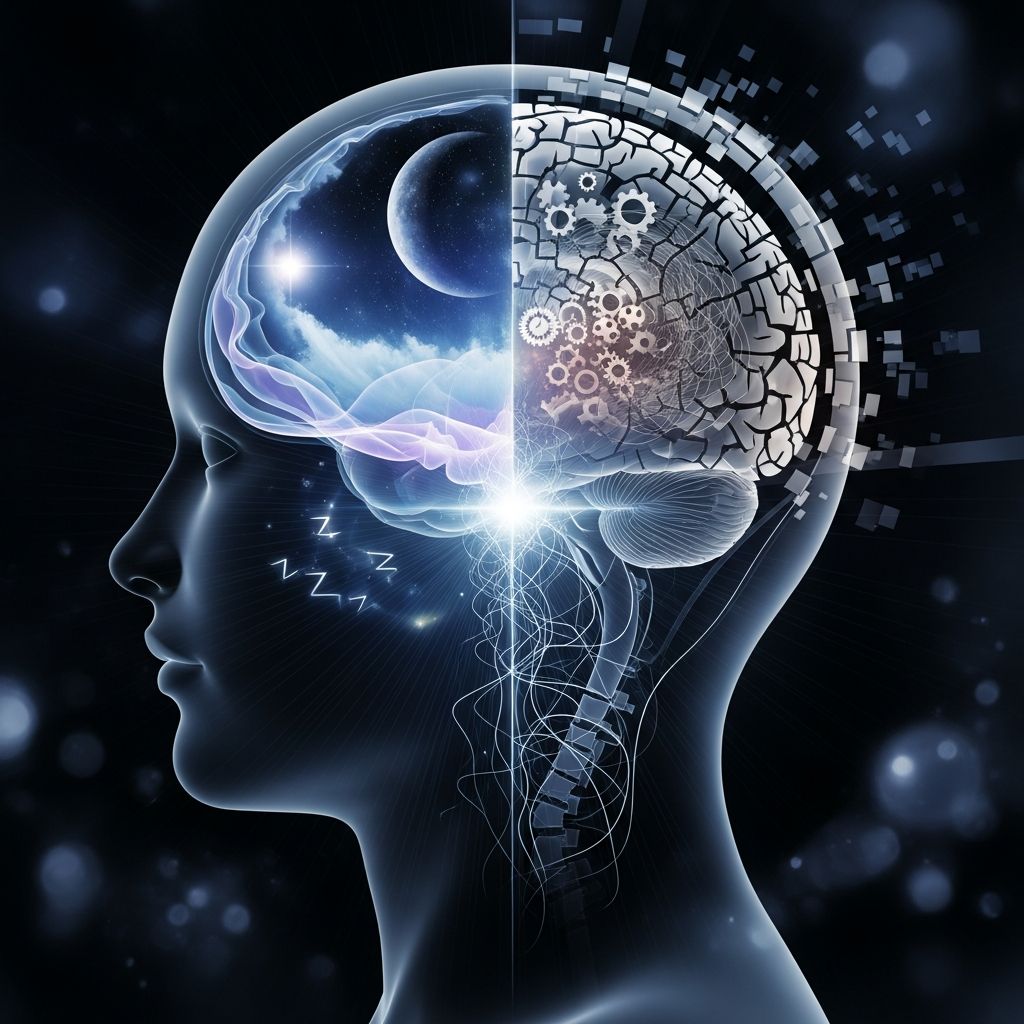
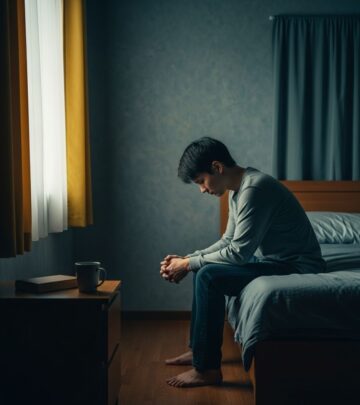
Depression and sleep are deeply interconnected in ways that significantly impact overall health and well-being. The relationship between these two conditions is bidirectional, meaning each can influence the development and severity of the other. Understanding this complex connection is essential for anyone struggling with depression, sleep problems, or both. By recognizing how these conditions interact, individuals can take more informed steps toward recovery and improved quality of life.
The Bidirectional Relationship Between Depression and Sleep
The connection between depression and sleep operates in both directions, creating a complex cycle that can be challenging to break without proper intervention. Research demonstrates that individuals with insomnia—characterized by difficulty falling asleep, staying asleep, or sleeping soundly—are approximately 10 times more likely to develop depression compared to those who sleep well. Conversely, among people already diagnosed with depression, approximately 75% experience insomnia, highlighting the prevalence of sleep disturbances in this population.
This bidirectional relationship works through several interconnected mechanisms. When depression disrupts sleep, it can lead to issues such as insomnia, restless sleep, or hypersomnia (excessive sleep). These sleep disturbances exacerbate fatigue and emotional imbalance, making depressive symptoms worse. On the flip side, persistent poor sleep quality compromises the brain and body’s ability to obtain restorative rest, which is crucial for emotional regulation and optimal cognitive function. This lack of quality sleep increases the risk of developing depression or intensifying existing symptoms. The cycle continues: lack of quality sleep intensifies depression, and depression makes it harder to sleep well, creating what can feel like a relentless pattern without proper treatment and support.
Common Sleep Disorders Associated with Depression
Depression is frequently accompanied by various sleep disorders, each presenting unique challenges and symptoms. Understanding these specific conditions helps individuals identify their particular sleep issues and seek appropriate treatment.
Insomnia
Insomnia is one of the most prevalent sleep disorders among people with depression. This condition involves persistent difficulty falling asleep, remaining asleep throughout the night, or sleeping soundly. People with insomnia often experience daytime consequences including excessive tiredness, concentration problems, and an increased risk of accidents or falls. Research has shown that insomnia serves as a major risk factor for both new onset and recurrence of major depression, and it can attenuate treatment response for depression, increasing the time to remission.
Hypersomnia
While insomnia involves insufficient sleep, hypersomnia represents the opposite problem. This condition is characterized by excessive sleep or excessive sleepiness during waking hours. People with hypersomnia may sleep for prolonged periods yet still feel unrested and fatigued during the day, which can interfere with daily functioning and worsen depressive symptoms.
Sleep Apnea
Sleep apnea involves a person briefly stopping breathing at various intervals while sleeping. There are two primary types: obstructive sleep apnea, caused by a blockage in the airway, and central sleep apnea, resulting from malfunctions in the brain regions that control sleep. Sleep apnea can severely disrupt sleep quality and has been linked to increased depression risk and symptom severity.
Related Stories



The Neurobiology of Depression and Sleep Disruption
Understanding the biological mechanisms connecting depression and sleep provides insight into why these conditions so frequently co-occur. Multiple neurobiological pathways explain this relationship, involving sleep architecture changes, inflammatory responses, and alterations in brain circuitry.
Sleep Architecture Changes
People with depression exhibit characteristic changes in sleep architecture—the pattern and organization of different sleep stages. One significant finding is reduced REM latency, meaning individuals with depression enter REM (rapid eye movement) sleep much faster than healthy adults, typically within 45 minutes rather than the normal 90 minutes. Additionally, individuals with depression show greater REM density, with much more frequent eye movements during REM sleep than in non-depressed individuals.
Another critical finding involves slow-wave sleep deficits. Slow-wave sleep, also called deep sleep, is the deepest and most restorative phase of sleep crucial for memory consolidation and physical restoration. Depressed individuals experience significantly less slow-wave sleep, particularly in the first sleep cycle, which contributes to their feeling unrefreshed despite spending adequate time in bed.
Inflammatory Mechanisms
Systemic inflammation represents a potential shared mechanism by which insomnia increases the risk for both depression and chronic pain. Sleep deprivation enhances systemic inflammation at multiple levels, including increased circulating levels of inflammatory markers such as interleukin-6 (IL-6) and tumor necrosis factor-alpha (TNF-Alpha), as well as at cellular and genomic levels. This inflammatory dysregulation impairs the brain’s descending pain inhibitory circuits and affects mood regulation, increasing vulnerability to depression.
Circadian Rhythm Disruption
Circadian rhythms—the body’s internal 24-hour biological clock—play a crucial role in both sleep and mood regulation. Research from the 1980s demonstrated that lower amplitude of melatonin and core body temperature correlate with higher depression symptom severity. Disruptions to circadian rhythms can predict response to certain treatments and contribute to mood disorders, particularly bipolar disorder when irregular circadian rhythms are present.
Insomnia as a Prodromal Symptom
One of the most significant clinical findings is that insomnia often appears before the onset of major depressive episodes. Research has identified insomnia as an early warning sign or prodromal symptom of depression, appearing months before a formal depression diagnosis. This discovery presents important implications for prevention: by addressing sleep problems early, healthcare providers may potentially prevent the development of clinical depression or reduce its severity when it does occur.
A landmark prospective study followed over 1,000 men from medical school through their careers, finding that those who reported insomnia during medical school had double the relative risk of developing clinical depression later in life compared to those without sleep disturbances. This relationship persisted for at least 30 years, demonstrating the long-term impact of early sleep problems on depression risk.
Treatment Approaches for Depression and Sleep
Fortunately, multiple evidence-based treatments can effectively address both depression and sleep disturbances. The most effective approaches often target both conditions simultaneously rather than treating them in isolation.
Cognitive Behavioral Therapy for Insomnia (CBTI)
Cognitive Behavioral Therapy for Insomnia (CBTI) stands as the gold-standard, first-line treatment for insomnia and has demonstrated remarkable effectiveness in improving both sleep and depression symptoms. CBTI is a short-term, multimodal therapy grounded in sleep science that teaches patients practical skills to strengthen and regulate their sleep systems, improving sleep quality, quantity, and timing.
Research shows that CBTI produces large effect sizes for insomnia remission, with an odds ratio of 3.57, significantly outperforming control interventions like sleep hygiene education alone. Moreover, CBTI often improves comorbid mental health disorders; targeting sleep improvement in depressed individuals frequently reduces depression symptoms, especially in those with evening or delayed chronotypes.
Circadian Rhythm Interventions
For individuals with circadian rhythm disruptions, treatment involves strategic use of bright light exposure and appropriately timed melatonin supplementation, combined with behavioral strategies to improve the timing and regularity of sleep and wake cycles. These interventions help entrain both central and peripheral circadian clocks, supporting better alignment between the body’s internal clock and daily activities.
Pharmacological Treatments
While melatonin improves circadian parameters in primary sleep disorders, the number of well-designed trials examining melatonin efficacy specifically in psychiatric populations remains limited, preventing firm conclusions about its effectiveness for depression-related sleep problems. Other medications addressing depression often have secondary benefits for sleep, and sleep medications may be prescribed when behavioral interventions alone prove insufficient.
The Importance of Early Detection and Prevention
Given the strong predictive relationship between insomnia and subsequent depression, early identification and treatment of sleep disturbances represents a valuable prevention opportunity. Individuals experiencing persistent sleep problems should seek professional evaluation, as addressing sleep issues promptly may prevent the development of clinical depression or reduce its severity.
Research indicates that persistent and worsening insomnia predicts persistent depression in older adults, emphasizing that ongoing sleep problems require consistent attention and treatment adjustment. Healthcare providers should screen for sleep disturbances in patients at risk for depression and implement preventive interventions when sleep problems are identified.
Practical Steps for Improving Sleep and Managing Depression
Beyond professional treatment, individuals can implement several evidence-based strategies to improve sleep quality and support mood regulation:
- Maintain a consistent sleep schedule, going to bed and waking at the same time daily, even on weekends
- Create a sleep-conducive environment that is dark, quiet, cool, and comfortable
- Limit screen time before bed, as blue light can interfere with melatonin production
- Avoid caffeine, alcohol, and large meals close to bedtime
- Engage in regular physical activity, but not close to bedtime
- Practice relaxation techniques such as deep breathing, meditation, or progressive muscle relaxation
- Seek professional help when sleep problems persist or depression symptoms emerge
Frequently Asked Questions
Q: How common is insomnia in people with depression?
A: Approximately 75% of individuals diagnosed with depression experience insomnia, making it one of the most prevalent sleep disorders among this population. The bidirectional relationship means depression causes sleep problems while poor sleep worsens depression.
Q: Can treating insomnia help improve depression symptoms?
A: Yes, treating insomnia through approaches like CBTI often improves comorbid depression symptoms. Research demonstrates that when sleep improves, depression symptoms frequently decrease, especially in individuals with delayed sleep chronotypes.
Q: Is insomnia always a sign that depression will develop?
A: While insomnia significantly increases depression risk—people with insomnia are 10 times more likely to develop depression—it does not guarantee depression will occur. However, persistent or worsening insomnia warrants professional evaluation and early intervention.
Q: What is REM latency and why does it matter in depression?
A: REM latency refers to the time it takes to enter REM sleep. In depression, this time is shortened to approximately 45 minutes rather than the normal 90 minutes. This change in sleep architecture contributes to poor sleep quality and may reflect underlying neurobiological changes in depression.
Q: How do circadian rhythms affect depression and sleep?
A: Circadian rhythms regulate both sleep timing and mood. Disruptions in these rhythms—characterized by irregular sleep patterns or delayed phases—correlate with depression severity and can predict treatment response. Interventions that normalize circadian rhythms can improve both sleep and mood.
Q: Should I take melatonin supplements for depression-related sleep problems?
A: While melatonin improves circadian parameters in primary sleep disorders, limited well-designed research exists on its effectiveness specifically for depression-related insomnia. Consult with a healthcare provider about whether melatonin is appropriate for your specific situation.
Q: What makes CBTI more effective than sleep medications?
A: CBTI teaches long-term skills for regulating sleep naturally, while medications provide temporary relief. CBTI demonstrates large effect sizes for insomnia remission and often improves depression symptoms simultaneously, making it the first-line treatment recommended by sleep specialists.
References
- 10 Ways to Sleep Better When You Have Depression — National Council on Aging. 2024. https://www.ncoa.org/article/10-ways-to-sleep-better-when-you-have-depression/
- Johns Hopkins Psychiatry Grand Rounds: Insomnia, Chronic Pain, and Depression — Johns Hopkins Medicine. 2024. https://www.youtube.com/watch?v=HtAdxP_Kqvs
- Insomnia in Young Men and Subsequent Depression — The Johns Hopkins Precursors Study, PubMed. 1997. https://pubmed.ncbi.nlm.nih.gov/9230772/
- Circadian Rhythms, Sleep, and Mental Health — Johns Hopkins Medicine. 2024. https://www.youtube.com/watch?v=_K-2Fm0qynM
- Persistent and Worsening Insomnia May Predict Persistent Depression in Older Adults — Johns Hopkins Bloomberg School of Public Health. 2020. https://publichealth.jhu.edu/2020/persistent-and-worsening-insomnia-may-predict-persistent-depression-in-older-adults
Similar Articles








Read full bio of medha deb