Depression: Causes, Symptoms, Types & Treatment
Understanding depression: Explore causes, recognize symptoms, learn types, and discover effective treatment options.
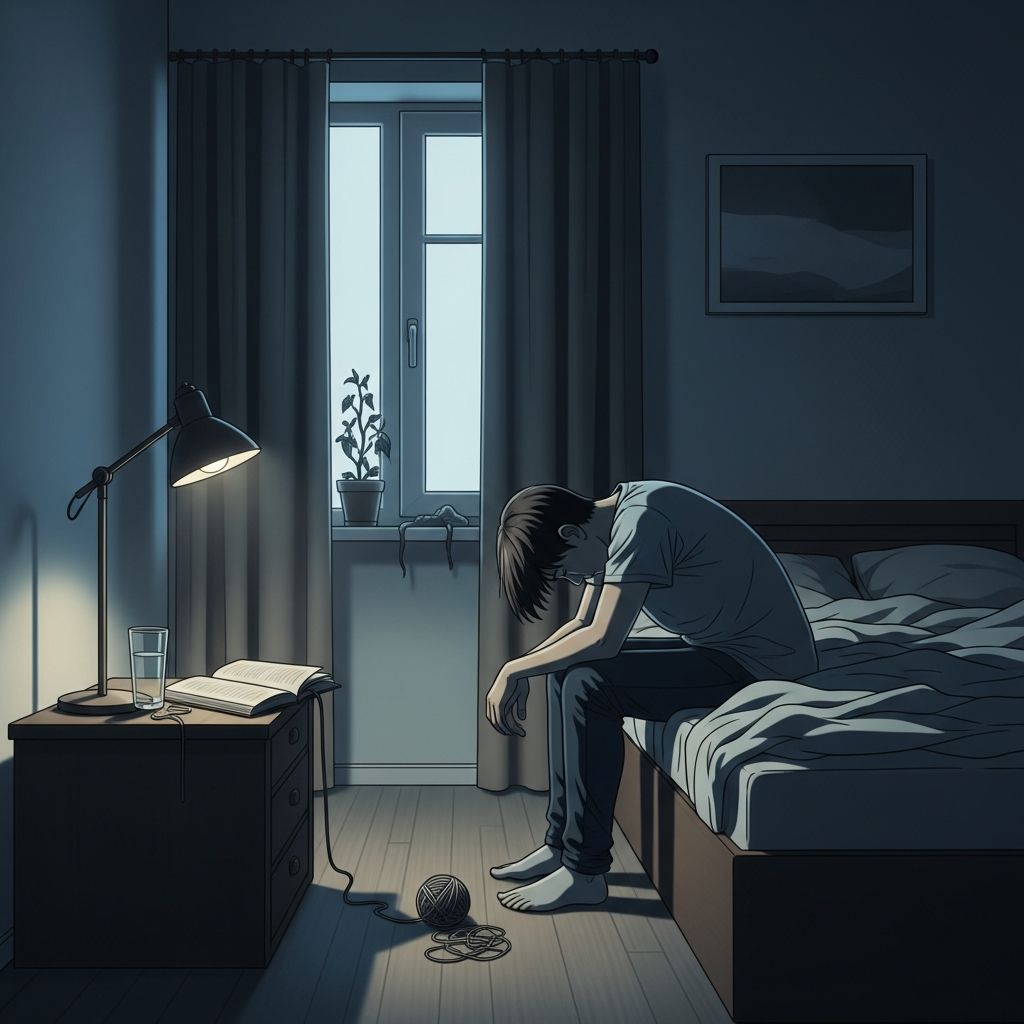
Understanding Depression: A Comprehensive Guide
Depression is a common mental health condition that causes a persistent feeling of sadness and changes in how you think, sleep, eat and act. Unlike occasional sadness or grief, depression is a serious medical condition that can significantly impact your daily life, relationships, and overall well-being. The good news is that depression is highly treatable, usually with talk therapy, medication, or a combination of both approaches. Seeking medical help as soon as you recognize symptoms is essential for recovery and improved quality of life.
What Is Depression?
Depression, clinically known as major depressive disorder (MDD), is a mood disorder characterized by persistent feelings of emptiness, hopelessness, and a loss of interest in activities that once brought you joy. This condition goes beyond temporary sadness or responding to stressful life events. When you have depression, these feelings persist nearly every day for weeks or months, affecting your ability to function at work, school, home, and in social situations. Depression can manifest differently in different people—some experience overwhelming fatigue, while others struggle with racing thoughts or complete mental fog.
Common Causes of Depression
Depression develops from a complex combination of factors, and there’s rarely a single cause. Understanding what might trigger depression can help you seek appropriate treatment and support. The causes of depression include:
Biological Factors
Brain Chemistry: Depression is often linked to imbalances in neurotransmitters—chemicals in your brain that regulate mood, sleep, and appetite. An imbalance in serotonin, dopamine, or norepinephrine can contribute to depressive symptoms. Genetics: If you have a family history of depression, you’re at higher risk of developing it. Research shows that depression tends to run in families, suggesting a genetic component to the condition.
Environmental and Life Factors
Stress and Trauma: While most people feel depressed after traumatic events like divorce, job loss, or the death of a loved one, many people develop depression without any obvious trigger. Chronic stress from work, financial difficulties, relationship problems, or health issues can also contribute to depression. Medications and Health Conditions: Certain medications can cause depression as a side effect. Additionally, various health conditions—including thyroid disorders, chronic pain, heart disease, and autoimmune conditions—can trigger or worsen depression.
Recognizing Depression Symptoms
Depression symptoms can range from mild to severe, but they typically last most of the day, nearly every day, for at least two weeks. The symptoms may include physical, emotional, and behavioral changes:
- Persistent sad, empty, or anxious mood
- Loss of interest or pleasure in hobbies and activities you once enjoyed
- Significant weight loss or gain, or changes in appetite
- Sleep problems, including insomnia or sleeping too much
- Fatigue or loss of energy, even after rest
- Difficulty concentrating, remembering details, or making decisions
- Feelings of worthlessness or excessive guilt
- Thoughts of death or suicide
- Restlessness or slowed movements and speech
- Physical symptoms without apparent cause, such as headaches or stomach problems
Important Note: If you or a loved one are thinking about suicide, dial 988 to reach the Suicide and Crisis Lifeline. Someone is available to help 24/7.
Related Stories



Types of Depression
Depression takes many forms, and understanding which type you may have is important for determining the most effective treatment approach. Different types of depression have distinct characteristics and may require tailored treatment strategies:
Major Depressive Disorder (MDD)
This is the most common type of depression. To receive a diagnosis of major depressive disorder, you must have five or more symptoms that last nearly all day, nearly every day, for at least two weeks. Two of these symptoms must include persistent low mood and loss of interest in previously enjoyed activities. MDD can significantly impair your ability to work, study, sleep, eat, and enjoy life.
Persistent Depressive Disorder (Dysthymia)
This type of depression is characterized by a depressed mood that lasts for at least two years in adults and one year in children and adolescents. The symptoms are generally less severe than major depressive disorder but are chronic and long-lasting.
Postpartum Depression
Many new mothers experience the “baby blues,” but postpartum depression is more serious and longer-lasting. It can develop during pregnancy or within weeks or months after childbirth, affecting both the mother’s well-being and her ability to care for her infant.
Seasonal Affective Disorder (SAD)
This type of depression is related to seasonal changes, typically occurring in fall and winter when there is less natural sunlight. Symptoms usually improve with spring and summer.
Other Types
Depression can also manifest as bipolar disorder, where depressive episodes alternate with manic episodes; treatment-resistant depression, which doesn’t respond to standard medications; and depression related to other medical conditions or substance use.
The Diagnostic Process
Getting an accurate diagnosis is the first step toward effective treatment. Your healthcare provider will conduct a thorough evaluation to determine if you have depression and rule out other potential causes. The diagnostic process typically includes:
Medical History and Symptom Assessment
Your provider will ask detailed questions about your symptoms, including when they started, how often you experience them, and how they affect your daily life. They’ll also inquire about your personal and family history of depression, trauma, and any significant life events. This comprehensive conversation helps your provider understand the context of your depression.
Physical Examination and Testing
Your provider may conduct a physical examination and order blood tests or other medical tests to rule out underlying health conditions that could be causing your symptoms. Conditions like thyroid disorders, vitamin deficiencies, and hormonal imbalances can mimic or contribute to depression symptoms.
Mental Health Assessment
You may complete questionnaires or screening tools that measure depression severity. These standardized assessments help your provider track your progress over time and determine the appropriate level of care you need.
Treatment Options for Depression
Depression is highly treatable, and most people benefit significantly from treatment. Your treatment plan will be personalized based on your specific type of depression, symptom severity, medical history, and personal preferences.
Psychotherapy (Talk Therapy)
Psychotherapy involves working with a mental health professional who helps you identify and change unhealthy emotions, thoughts, and behaviors that contribute to depression. Several evidence-based approaches have proven effective:
- Cognitive Behavioral Therapy (CBT): This approach focuses on identifying negative thought patterns and replacing them with more realistic, positive ones. CBT also teaches practical skills for managing stress and solving problems.
- Interpersonal Therapy (IPT): This therapy focuses on improving relationships and communication skills, as well as addressing grief, role changes, and interpersonal conflicts that may contribute to depression.
- Psychodynamic Therapy: This approach explores how past experiences and unconscious patterns affect your current mood and behavior.
Therapy sessions typically occur once a week or once every other week, and many people begin to notice improvements within several weeks. Therapy can help you develop long-term skills for managing depression and preventing relapse.
Medication: Antidepressants
Antidepressant medications work by affecting neurotransmitter levels in your brain, helping to regulate mood. Common classes of antidepressants include selective serotonin reuptake inhibitors (SSRIs), serotonin-norepinephrine reuptake inhibitors (SNRIs), tricyclic antidepressants, and monoamine oxidase inhibitors (MAOIs). Finding the right medication and dose often requires some trial and adjustment, and it typically takes two to four weeks to notice improvement. Antidepressants often work best when combined with psychotherapy.
Combined Treatment
Research shows that combining psychotherapy with antidepressant medication is often more effective than either treatment alone. This comprehensive approach addresses both the biological and psychological aspects of depression.
Intensive Outpatient Programs (IOP)
For people with depression who are still able to manage daily activities but need additional support, an Intensive Outpatient Program may be appropriate. These programs typically last four to six weeks, with participants attending four days a week for three and a half hours each day. IOP combines individual therapy with group therapy, allowing you to learn from others experiencing similar challenges while receiving personalized care.
Brain Stimulation Therapy
For treatment-resistant depression—when at least two antidepressants haven’t effectively managed symptoms—brain stimulation therapies can be highly effective. These therapies, such as electroconvulsive therapy (ECT) or transcranial magnetic stimulation (TMS), influence brain activity and can provide significant relief when other treatments haven’t worked.
Lifestyle Modifications and Self-Care
In addition to professional treatment, certain lifestyle changes can support your recovery from depression. Regular physical exercise has been shown to improve mood and reduce depressive symptoms. Maintaining a balanced diet, getting adequate sleep, and limiting alcohol and substance use all contribute to better mental health. Additionally, spending time in nature, practicing relaxation techniques like meditation or deep breathing, and maintaining social connections can help ease depression symptoms.
Treatment-Resistant Depression
If you’ve tried at least two different antidepressants without significant improvement, you may have treatment-resistant depression. Your provider may refer you to a psychiatrist for specialized care. Your treatment plan may include trying different medication combinations, adjusting dosages, adding additional medications to enhance effectiveness, or exploring brain stimulation therapies. Working with specialists experienced in treating resistant depression increases the likelihood of finding an effective treatment strategy.
When to Seek Help
If you’re experiencing symptoms of depression, seeking medical help as soon as possible is important. Don’t wait for symptoms to resolve on their own or assume you need to “tough it out.” Depression is a medical condition, not a personal weakness or character flaw, and professional help can make a tremendous difference in your recovery. Contact your primary care physician, a mental health professional, or call 988 if you’re in crisis.
Frequently Asked Questions
Q: How long does it take for antidepressants to work?
A: Most antidepressants take two to four weeks to start showing noticeable effects. Some people may need six to eight weeks to experience full benefits. It’s important to continue taking your medication as prescribed and communicate with your provider about your progress.
Q: Can depression go away on its own?
A: While some mild depressive episodes may improve over time, clinical depression typically requires professional treatment. Without treatment, depression often persists or worsens. Seeking help early leads to better outcomes and faster recovery.
Q: Is depression a sign of weakness?
A: No. Depression is a medical condition caused by complex biological, psychological, and environmental factors. It’s not a personal failing or weakness, and it affects people of all backgrounds and strength levels.
Q: Can children and teens have depression?
A: Yes. Depression can affect people of all ages, including children and adolescents. In young people, depression may present differently, with irritability or behavioral changes being prominent symptoms. Early intervention is crucial for children and teens with depression.
Q: What’s the difference between sadness and depression?
A: Sadness is a normal emotion in response to difficult events and typically resolves over time. Depression is a persistent medical condition lasting weeks or months that interferes with daily functioning and doesn’t necessarily have an obvious trigger.
Q: Can therapy alone treat depression without medication?
A: For some people with mild to moderate depression, therapy alone can be effective. However, more severe depression often requires medication, either alone or combined with therapy. Your provider will recommend the best approach for your specific situation.
Q: How can I support someone with depression?
A: Listen without judgment, encourage them to seek professional help, maintain social connections with them, and help them access resources. Avoid minimizing their experience or suggesting they should “just cheer up.” Your consistent support and understanding are valuable.
References
- Depression: Causes, Symptoms, Types & Treatment — Cleveland Clinic. 2024. https://my.clevelandclinic.org/health/diseases/9290-depression
- Clinical Depression (Major Depressive Disorder): Symptoms — Cleveland Clinic. 2024. https://my.clevelandclinic.org/health/diseases/24481-clinical-depression-major-depressive-disorder
- Diagnosing and treating depression in primary care patients: Looking beyond physical complaints — Cleveland Clinic Journal of Medicine. 1998. https://www.ccjm.org/content/ccjom/65/5/251.full.pdf
- Antidepressants: What They Are, Uses, Side Effects & Types — Cleveland Clinic. 2024. https://my.clevelandclinic.org/health/treatments/9301-antidepressants-depression-medication
- Depression Treatment Services — Cleveland Clinic. 2024. https://my.clevelandclinic.org/services/depression-treatment
- Natural Antidepressants: What They Are & Effectiveness — Cleveland Clinic. 2024. https://my.clevelandclinic.org/health/treatments/natural-antidepressants
- Mood Disorders: What They Are, Symptoms & Treatment — Cleveland Clinic. 2024. https://my.clevelandclinic.org/health/diseases/17843-mood-disorders
Similar Articles








Read full bio of Sneha Tete