Depression In Older Adults: Symptoms And Treatment Guide
Recognising and treating depression in older adults: Symptoms, causes, and effective management strategies for better wellbeing.
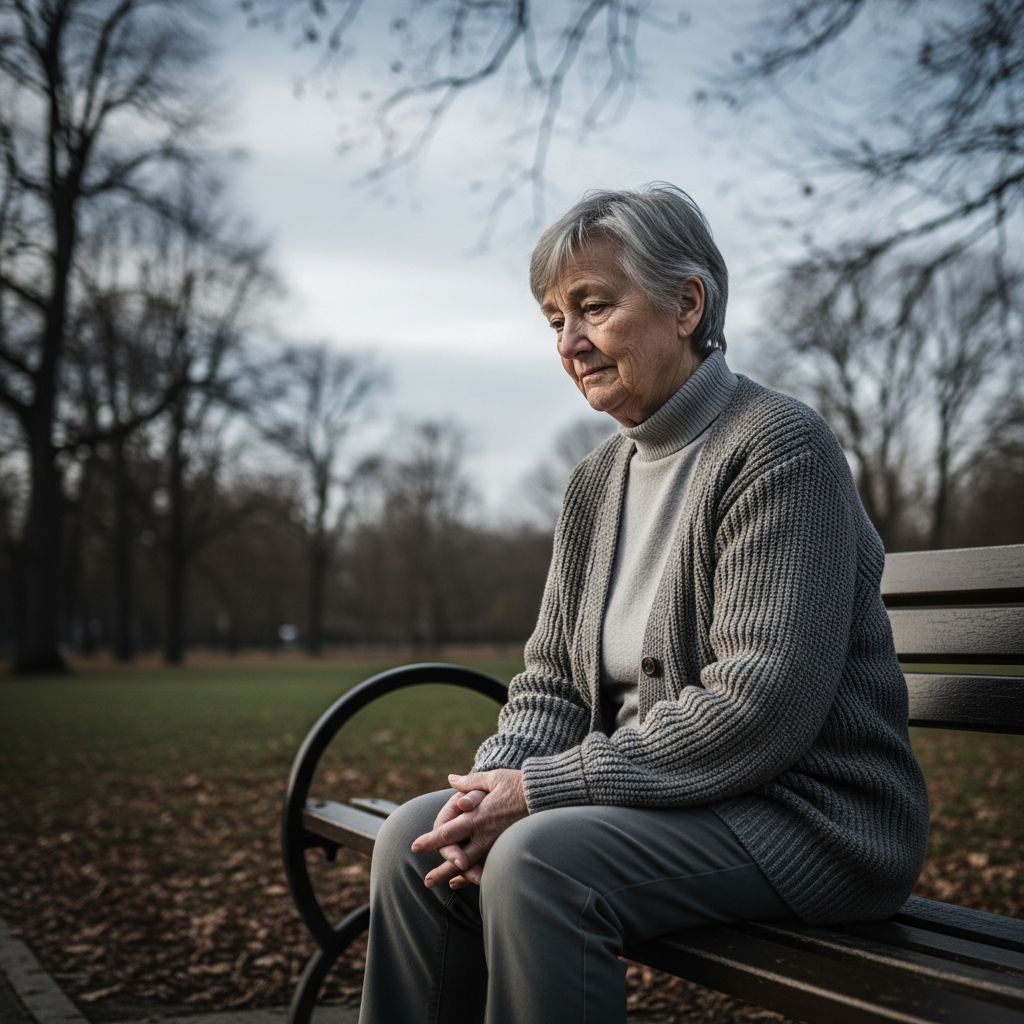
Depression is a serious mood disorder that affects many older adults, but it is not a normal part of ageing. Unlike common assumptions, it can be effectively treated with a combination of therapies, medications, and lifestyle changes, leading to improved quality of life and functional capacity.
How common is depression in older adults?
Depression impacts approximately 7% of community-dwelling older adults, rising to 13-30% among those in long-term care settings. It is particularly prevalent following events like bereavement or health declines. Elderly individuals often underreport emotional symptoms, presenting instead with physical complaints, which contributes to underdiagnosis.
Rates are higher in women and those with chronic illnesses. Importantly, depression increases risks of morbidity, disability, and mortality, yet with proper intervention, 65-75% of cases respond well to treatment.
Symptoms of depression in older adults
Symptoms in older adults differ from younger people, often manifesting physically rather than emotionally. Common signs include persistent low mood without sadness, loss of interest in hobbies (**anhedonia**), fatigue, appetite changes, sleep disturbances, and unexplained aches.
- Low energy or motivation, mistaken for ageing
- Memory problems or concentration difficulties, overlapping with dementia
- Withdrawal from social activities
- Irritability or anxiety
- Suicidal thoughts, which require immediate attention
Physical complaints like worsening arthritis pain or headaches predominate, as depressed seniors may not identify feelings of sadness. Cognitive symptoms such as sluggish speech and movements can mimic dementia, complicating diagnosis.
Why depression in older adults is often missed
Depression is frequently overlooked due to overlapping symptoms with normal ageing, medical conditions, or medications. Older adults may dismiss it as ‘just getting old’ or attribute it to life stresses like retirement or loss.
Key reasons include:
- Somatic focus: Emphasis on physical rather than mental health in geriatric care
- Stigma: Reluctance to admit mental health issues
- Comorbidities: Conditions like stroke, Parkinson’s, or heart disease mask depression
- Medication side effects: Drugs for pain, blood pressure, or steroids can induce depression
Differentiating from dementia is crucial: depressed individuals notice memory issues and improve with treatment, unlike dementia patients.
Risk factors for depression
Several factors heighten vulnerability:
| Category | Examples |
|---|---|
| Life Events | Bereavement, retirement, isolation, caregiving |
| Health | Chronic illness, disability, chronic pain, sleep disorders |
| Social | Loneliness, lack of support, financial stress |
| Biological | Family history, prior depression, brain changes |
Stressful events like family conflicts exacerbate risks, underscoring the need for psychosocial interventions.
Diagnosing depression
Diagnosis involves clinical assessment using tools like the Geriatric Depression Scale. Doctors evaluate symptoms persisting over two weeks, ruling out medical causes via blood tests or imaging.
A biopsychosocial approach considers physical, psychological, and social elements. Persistent treatment is key, as recovery from severe episodes takes 6-12 months.
Related Stories



Treatment options
Treatments are highly effective, with psychotherapy and pharmacotherapy as cornerstones. A combined approach yields best outcomes, improving longevity and reducing costs.
Psychotherapy
Talk therapies help reframe thoughts and behaviours:
- Cognitive Behavioural Therapy (CBT): Challenges negative patterns
- Interpersonal Therapy (IPT): Addresses relationships and losses
- Problem Adaptation Therapy (PATH): Home-based for those with cognitive deficits, focusing on emotional regulation and daily adaptations
- Supportive Therapy: Builds optimism and expresses emotions
Even with mild cognitive impairment, adapted therapies work well.
Medications
Antidepressants are first-line, with SSRIs (e.g., sertraline) and SNRIs preferred for safety in elderly. Start low, titrate slowly; full effects take 6-8 weeks.
Aggressive dosing avoids common pitfalls of under-treatment. Monitor for side effects like falls or interactions.
Other treatments
- Electroconvulsive Therapy (ECT): Rapidly effective for severe, treatment-resistant cases, safe even in those over 80
- Exercise and lifestyle: Physical activity, social engagement, music therapy for mild cases
- Integrated care: Combining mental and physical health management
Self-help and support
Lifestyle changes amplify treatment:
- Regular exercise to boost mood
- Maintaining social connections
- Healthy diet and sleep hygiene
- Mindfulness or hobbies
Caregivers play a vital role; encourage professional help promptly.
Prevention
Proactive steps reduce incidence:
- Build social networks
- Manage chronic conditions
- Stay active mentally and physically
- Seek early intervention for losses
Screening in primary care identifies at-risk individuals early.
Frequently Asked Questions (FAQs)
Is depression a normal part of ageing?
No, it is a treatable illness, not inevitable with age.
Can antidepressants be safely used in older adults?
Yes, SSRIs are first-line and effective, though monitoring is essential.
How do you tell depression from dementia?
Depression features self-awareness of memory issues and responds to treatment; dementia does not.
What if symptoms don’t improve?
Persistent treatment or ECT may be needed; consult specialists.
Where to get help?
Contact your doctor, helplines, or mental health services immediately.
References
- Depression and Older Adults — National Institute on Aging. 2023. https://www.nia.nih.gov/health/mental-and-emotional-health/depression-and-older-adults
- Depression in Later Life: A Diagnostic and Therapeutic Challenge — American Academy of Family Physicians. 2004-05-15. https://www.aafp.org/pubs/afp/issues/2004/0515/p2375.html
- Treatment of Depression in Older Adults | Evidence-Based Practices — YouTube (Joseph Lurio). 2023. https://www.youtube.com/watch?v=1aGaVws-ntY
- Recognizing Depression in the Elderly: Practical Guidance and Challenges — Dove Press (Neuropsychiatric Disease and Treatment). 2022. https://www.dovepress.com/recognizing-depression-in-the-elderly-practical-guidance-and-challenge-peer-reviewed-fulltext-article-NDT
- Depression in Older Adults: Signs, Symptoms, and Treatment — HelpGuide.org. 2024. https://www.helpguide.org/mental-health/depression/depression-in-older-adults
- Depression in older people – causes, symptoms, treatment — healthdirect.gov.au. 2024. https://www.healthdirect.gov.au/depression-in-older-people
Similar Articles








Read full bio of medha deb