Depression: Comprehensive Guide To Symptoms, Causes, And Treatments
Understand depression symptoms, causes, diagnosis, treatments, and strategies for living with this common mood disorder effectively.
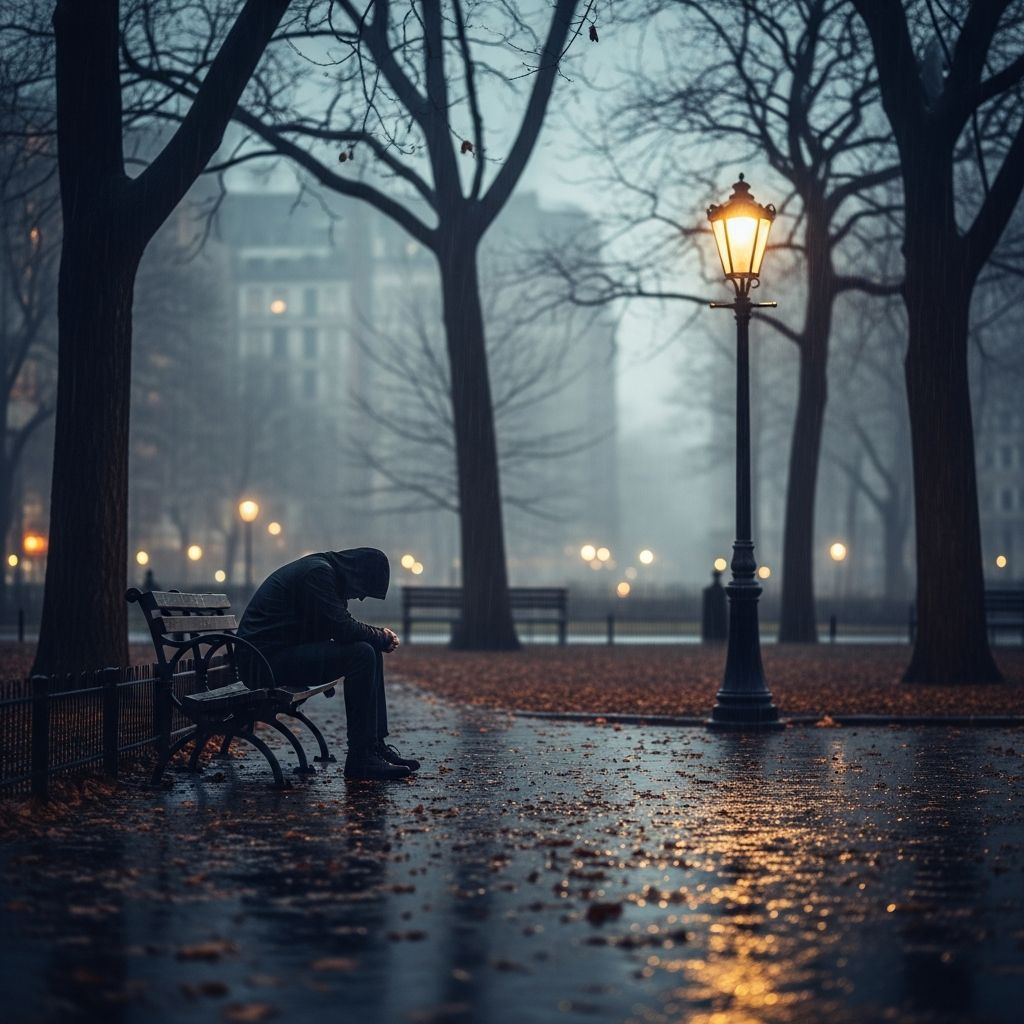
Depression is a common mood disorder characterized by a persistent low mood or loss of interest in activities, which can significantly impact daily life and become highly distressing. Treatments such as psychological therapies and antidepressants are effective, though they require time, and many individuals experience recurrent episodes needing ongoing management.
What is depression?
Depression, also known as depressive disorder, involves a prolonged period of sadness, emptiness, or irritability that interferes with normal functioning. Unlike temporary sadness from life events, depression persists for at least two weeks and affects emotional, physical, cognitive, and behavioral aspects of life. The World Health Organization notes it as a leading cause of disability worldwide, impacting work, relationships, and health.
Core features include a depressed mood or anhedonia (marked loss of pleasure in activities once enjoyed). It is not a sign of personal weakness but a treatable medical condition, often requiring professional intervention.
How common is depression?
Depression affects millions globally; the WHO estimates over 280 million people suffer from it, with higher rates in women. In the UK, it is one of the most common mental health issues, with NICE guidelines emphasizing its prevalence and the need for accessible care. Lifetime risk is about 15-20% for women and 10% for men, influenced by genetic, environmental, and lifestyle factors.
Depression symptoms
Depression manifests differently but shares core symptoms alongside various physical and psychological signs. Symptoms must persist most of the day, nearly every day, for at least two weeks for diagnosis.
Core symptoms
- Persistent sadness, low mood, or tearfulness.
- Marked loss of interest or pleasure in activities (anhedonia), even those previously enjoyed.
Other common symptoms
- Reduced energy or fatigue.
- Changes in sleep: insomnia or hypersomnia.
- Appetite or weight changes: significant loss or gain.
- Difficulty concentrating, indecisiveness, or slowed thinking.
- Feelings of worthlessness, excessive guilt, or hopelessness.
- Psychomotor agitation (restlessness) or retardation (sluggishness).
- Recurrent thoughts of death, suicidal ideation, or attempts.
These symptoms can vary in intensity and may include irritability, anxiety, or physical complaints like aches. In children or adolescents, symptoms might present as irritability rather than sadness[10].
Causes of depression
The exact causes are multifactorial, involving biology, psychology, and environment. This leaflet focuses on depression without a known physical cause.
- Biological factors: Genetics (family history increases risk), brain chemistry imbalances (e.g., serotonin, norepinephrine), hormonal changes.
- Psychological factors: Negative thinking patterns, low self-esteem, unresolved trauma like childhood abuse.
- Environmental triggers: Stressful life events (bereavement, job loss), chronic illness, social isolation, substance use.
Some cases link to specific events, but many arise without obvious triggers.
Related Stories



Depression severity
Severity is assessed by symptom number, intensity, and functional impairment. NICE categorizes as ‘less severe’ (subthreshold/mild) or ‘more severe’ (moderate/severe).
| Severity | Symptoms | Impact |
|---|---|---|
| Mild | Low mood or anhedonia + few other symptoms | Some daily functioning difficulties |
| Moderate | Low mood/anhedonia + multiple milder or few severe symptoms | Significant daily life challenges |
| Severe | Low mood/anhedonia + many severe symptoms, often psychotic features | Severe impairment, possible suicidality |
Tools like PHQ-9 questionnaire score symptoms (0-27) to gauge severity: 0-4 none, 5-9 mild, 10-14 moderate, 15-19 moderately severe, 20-27 severe.
How is depression diagnosed?
Diagnosis relies on clinical history and symptom criteria, without specific tests. ICD-11 requires ≥5 of 10 symptoms for ≥2 weeks, including one core symptom. DSM-5 needs ≥5 of 9 symptoms.
Key ICD-11 symptoms:
- Depressed mood.
- Loss of interest/pleasure.
- Reduced concentration/indecisiveness.
- Low self-worth/guilt.
- Hopelessness.
- Suicidal thoughts/behavior.
- Sleep disruption.
- Appetite/weight changes.
- Agitation/sluggishness.
- Fatigue/low energy.
Doctors rule out physical causes (e.g., thyroid issues) via exams/blood tests.
Depression treatment
Treatments are tiered by severity, combining psychological, pharmacological, and lifestyle approaches. Early intervention improves outcomes.
For mild depression
- Guided self-help (CBT/BA materials).
- Group exercise, education.
For moderate depression
- Cognitive behavioral therapy (CBT): 8-12 sessions challenging negative thoughts.
- Behavioural activation (BA): 8 sessions linking activity to mood improvement.
- Interpersonal therapy (IPT) or counseling.
- Antidepressants if preferred or no response.
For severe depression
High-intensity psychological therapy + antidepressants; combined treatment often best.
Antidepressants (e.g., SSRIs like sertraline) take 2-4 weeks to work, effective for 50% with moderate/severe cases. WHO recommends psychological treatments first, adding meds for moderate/severe.
Psychological treatments details
- CBT: Identifies/restructures unhelpful thoughts.
- BA: Schedules pleasurable activities to break avoidance cycles.
- Problem-solving: Structured approach to stressors.
What if I don’t have any treatment?
Untreated depression often persists or worsens, risking chronicity, suicidality, physical health decline, and relationship/job loss. Many recover spontaneously, but treatment accelerates recovery and prevents relapse. Self-help like activity scheduling helps mildly.
How to treat severe depression
Severe cases may need combined high-intensity CBT/IPT + antidepressants. If psychotic features, antipsychotics added. Hospitalization for suicide risk. ECT for treatment-resistant cases.
St John’s wort for depression
Herbal remedy with antidepressant effects similar to SSRIs for mild-moderate depression, but interacts with many meds (contraceptives, warfarin). Not recommended with prescribed antidepressants; consult doctor.
Living with depression
Accept it’s an illness, not madness. Strategies:
- Regular exercise, healthy diet, sleep hygiene.
- Avoid alcohol/drugs.
- Social support, routine.
- Monitor mood with diaries.
Counseling for root causes like trauma.
Will it happen again?
30-50% recurrence risk; higher with early onset/multiple episodes. Long-term low-dose antidepressants or maintenance CBT reduce risk.
Conditions related to depression
- Anxiety disorders.
- Bipolar disorder.
- Chronic physical illnesses.
- Substance misuse.
Frequently Asked Questions (FAQs)
Q: How long does depression last without treatment?
A: It can last months to years; many improve in 6-12 months, but risks complications.
Q: Are antidepressants addictive?
A: No, but withdrawal symptoms possible if stopped abruptly; taper under guidance.
Q: Can exercise help depression?
A: Yes, structured exercise rivals antidepressants for mild-moderate cases.
Q: What if therapy doesn’t work?
A: Switch types, combine with meds, or try augmentation; persistence key.
Q: Is depression hereditary?
A: Genetic risk exists, but environment triggers it.
References
- Depression: Symptoms, Causes, and Treatment — Patient.info. 2023. https://patient.info/mental-health/depression-leaflet
- Coping with Depression Workbook — Centre for Clinical Interventions (CCI), Western Australia Government. 2023. https://www.cci.health.wa.gov.au/resources/looking-after-yourself/depression
- Depression Publication — National Institute of Mental Health (NIMH), NIH.gov. 2024-06-13. https://www.nimh.nih.gov/health/publications/depression
- Depression (Pro) — Patient.info. 2023. https://patient.info/doctor/mental-health/depression-pro
- Depressive Disorder Fact Sheet — World Health Organization (WHO). 2023-03-31. https://www.who.int/news-room/fact-sheets/detail/depression
Similar Articles








Read full bio of medha deb