Depressive Disorder: Guide to Symptoms, Types & Treatment
Understand major depressive disorder: symptoms, causes, diagnosis, treatment, and recovery strategies for better mental health.
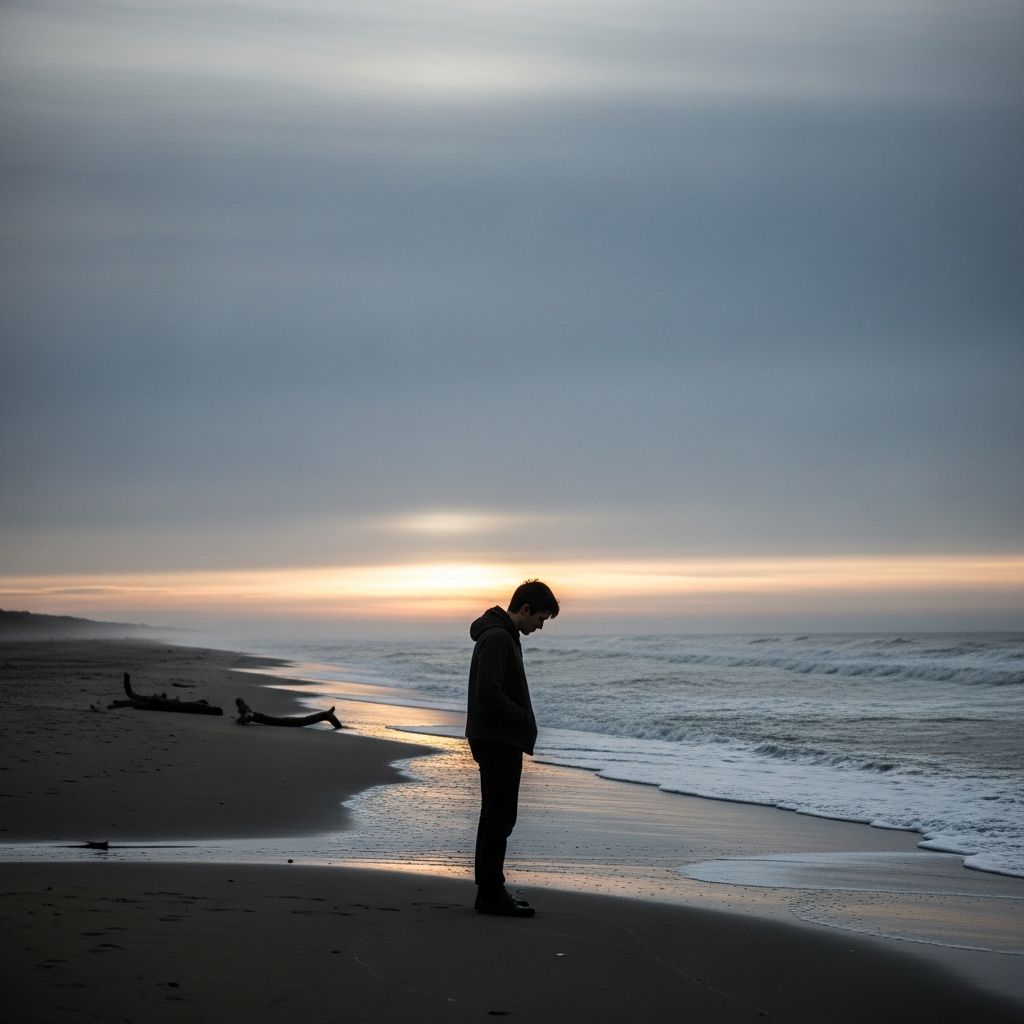
Major depressive disorder, also known as clinical depression, is a common mental health condition characterized by persistent feelings of sadness, hopelessness, and loss of interest in activities, lasting at least two weeks and significantly impairing daily life.
What Is Depressive Disorder?
Depressive disorder involves a depressed mood or loss of pleasure in activities for extended periods, distinguishing it from normal sadness triggered by life events. Unlike temporary blues, it persists nearly every day, affecting sleep, appetite, energy, and cognitive function. Globally, about 5.7% of adults experience depression, with women affected more than men, and it can occur at any age, often starting in the late teens to mid-20s.
This disorder is not a personal weakness or something one can simply ‘snap out of.’ It requires treatment, which is highly effective for 80-90% of those who seek help, typically involving medication, psychotherapy, or both.
Symptoms of Depressive Disorder
Symptoms must occur most of the day, nearly every day, for at least two weeks, with at least five symptoms present, including depressed mood or loss of interest. Common symptoms include:
- Persistent sadness, tearfulness, emptiness, or hopelessness.
- Loss of interest or pleasure in hobbies, sex, or social activities (anhedonia).
- Significant changes in appetite or weight (loss or gain unrelated to dieting).
- Sleep disturbances: insomnia or hypersomnia.
- Fatigue or loss of energy, even for simple tasks.
- Feelings of worthlessness, excessive guilt, or self-blame.
- Difficulty concentrating, making decisions, or remembering things.
- Psychomotor agitation (restlessness) or retardation (slowed movements/speech).
- Recurrent thoughts of death, suicidal ideation, plans, or attempts.
Physical symptoms like unexplained aches, headaches, or digestive issues may also appear. In children and teens, symptoms might manifest as irritability rather than sadness; in older adults, as memory problems or personality changes.
Types of Depressive Disorders
Beyond major depressive disorder (MDD), several subtypes and related conditions exist:
- Major Depressive Disorder (single or recurrent episodes): Severe symptoms lasting at least two weeks.
- Persistent Depressive Disorder (Dysthymia): Chronic, milder symptoms lasting two years or more.
- Bipolar Disorder: Depressive episodes alternating with mania or hypomania.
- Premenstrual Dysphoric Disorder (PMDD): Severe mood changes tied to menstrual cycles.
- Postpartum Depression: Occurring after childbirth.
- Seasonal Affective Disorder (SAD): Linked to seasonal changes, often winter.
Comorbidities are common, including anxiety disorders, substance use disorders, and chronic medical conditions like diabetes or heart disease, which depression can exacerbate.
Causes and Risk Factors
Depression arises from a complex interplay of factors:
| Category | Risk Factors |
|---|---|
| Biological | Genetic predisposition (family history of depression, bipolar, or suicide); brain chemistry imbalances; hormonal changes. |
| Psychological | Low self-esteem, self-criticism, pessimism, or dependent personality traits. |
| Environmental | Traumatic events (abuse, loss of loved one); chronic stress; financial problems; social isolation. |
| Medical | Chronic illnesses; certain medications; substance abuse. |
Women face higher risk due to hormonal fluctuations, and younger adults are more prone. Untreated episodes can last 6-12 months, with 2/3 of people experiencing suicidal thoughts and 10-15% at risk of suicide.
Diagnosis of Depressive Disorder
Diagnosis requires a clinical evaluation by a healthcare provider, ruling out medical causes via blood tests or exams. Criteria from the DSM-5 include five or more symptoms for two weeks, causing significant distress or impairment.
Related Stories



Providers assess symptom severity, duration, and impact on work, relationships, and self-care. Tools like questionnaires aid screening, but professional diagnosis is essential.
Treatment Options for Depressive Disorder
Treatment is tailored to severity and individual needs, with high success rates:
- Psychotherapy: Cognitive Behavioral Therapy (CBT) to reframe negative thoughts; Interpersonal Therapy (IPT) for relationship issues; effective for mild-moderate cases.
- Medications: Antidepressants like SSRIs (e.g., sertraline) or SNRIs; take 4-6 weeks to work, with monitoring for side effects.
- Brain Stimulation Therapies: ECT for severe, treatment-resistant cases; TMS as a non-invasive option.
- Lifestyle Interventions: Exercise, healthy diet, sleep hygiene.
- Hospitalization: For suicide risk or severe impairment.
Combination therapy often yields best results. About 80-90% improve with treatment.
Complications and Co-Occurring Conditions
Untreated depression increases risks of:
- Suicide (highest in untreated cases).
- Substance use disorders.
- Anxiety disorders.
- Worsening of chronic illnesses (e.g., heart disease, diabetes).
- Social and occupational dysfunction.
Early intervention prevents these.
Prevention and Management Strategies
While not always preventable, strategies reduce risk:
- Build resilience through strong relationships and stress management.
- Regular exercise (30 minutes most days).
- Healthy sleep and nutrition.
- Avoid alcohol/drugs.
- Seek early help for symptoms.
Control stress, stay active socially, and challenge negative thoughts.
Living with Depressive Disorder
Recovery involves ongoing management. Track moods, adhere to treatment, build support networks. Many achieve remission, though recurrence is possible (50% after first episode). Self-care like mindfulness, journaling, and routine fosters long-term wellness.
Frequently Asked Questions (FAQs)
What is the difference between depression and sadness?
Regular sadness is temporary and tied to events; depression persists for weeks, with multiple symptoms impairing function.
Can children have depressive disorder?
Yes, symptoms may include irritability; it affects all ages.
How long does depression last without treatment?
Episodes can last 6-12 months untreated.
Is depression curable?
It’s highly treatable; most respond well, though management may be lifelong for some.
Does exercise help depression?
Yes, regular physical activity improves mood and is recommended alongside therapy.
References
- Clinical Depression (Major Depressive Disorder): Symptoms — Cleveland Clinic. 2023. https://my.clevelandclinic.org/health/diseases/24481-clinical-depression-major-depressive-disorder
- Depressive disorder (depression) — World Health Organization. 2023-03-31. https://www.who.int/news-room/fact-sheets/detail/depression
- Depression (major depressive disorder) – Symptoms and causes — Mayo Clinic. 2023. https://www.mayoclinic.org/diseases-conditions/depression/symptoms-causes/syc-20356007
- What Is Depression? — American Psychiatric Association. 2023. https://www.psychiatry.org/patients-families/depression/what-is-depression
- Depression — National Institute of Mental Health. 2023. https://www.nimh.nih.gov/health/topics/depression
Similar Articles








Read full bio of Sneha Tete