Dermabrasion: What To Expect, Procedure, Recovery, And Risks
Dermabrasion is a skin-resurfacing procedure that mechanically removes the epidermis to improve scars, wrinkles, and other skin imperfections for a smoother complexion.
Authoritative facts about dermabrasion: what it is, who it’s for, how it’s done, recovery, risks and more.
What is dermabrasion?
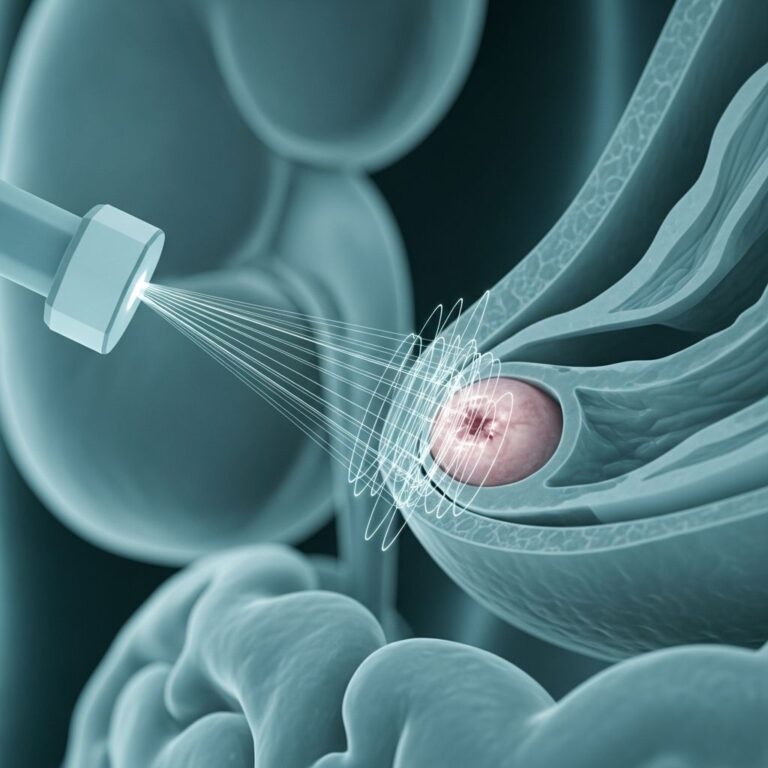
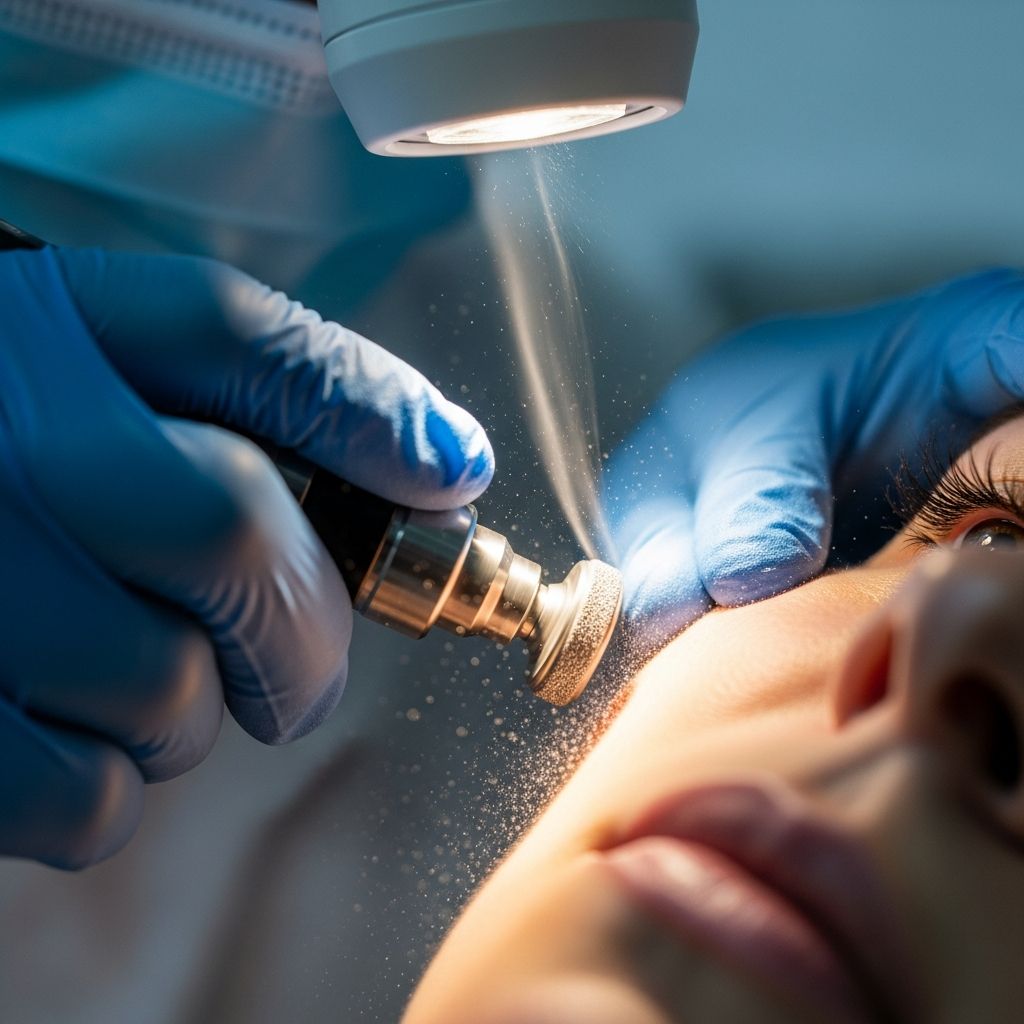
Dermabrasion is a dermatologic surgery procedure that uses a specialized instrument with an abrasive surface, such as a rotating wire brush or diamond fraise, to mechanically remove the outer layers of the skin (epidermis and varying depths of dermis). This controlled injury stimulates the skin’s natural healing process, promoting collagen remodeling and the growth of new, smoother skin.
The technique intentionally creates a superficial wound to replace damaged skin with healthier tissue, improving texture and appearance. It differs from chemical peels or laser resurfacing by using mechanical abrasion rather than chemicals or light energy.
Dermabrasion is particularly effective for addressing textural irregularities, making it a cornerstone treatment in cosmetic dermatology.
Who is dermabrasion suitable for?
Dermabrasion suits individuals with fair skin tones (Fitzpatrick skin types I-III) seeking improvement in superficial to moderate-depth skin imperfections. Ideal candidates include those with:
- Acne scars, including ice pick, boxcar, and rolling types
- Rhytides (wrinkles), especially perioral and periorbital lines
- Lentigines (age spots or solar lentigines)
- Actinic keratoses (precancerous lesions)
- Rhinophyma (thickened skin on the nose from rosacea)
- Scars from surgery, trauma, or burns (typically 6-12 weeks post-Mohs or excision)
It is not suitable for patients with active infections, open wounds, certain skin cancers, keloid tendencies, or darker skin types (Fitzpatrick IV-VI) due to higher pigmentation risks.
What are the alternatives to dermabrasion?
Several skin resurfacing options exist, each with unique mechanisms and suitability:
| Procedure | Mechanism | Best For | Depth |
|---|---|---|---|
| Laser resurfacing (CO2/Erbium) | Ablative laser vaporizes tissue | Deep wrinkles, scars | Mid-to-deep dermis |
| Chemical peels (TCA/phenol) | Chemical exfoliation | Pigmentation, fine lines | Superficial-to-mid dermis |
| Microdermabrasion | Light crystal/aluminum oxide abrasion | Mild texture issues | Epidermis only |
| Dermaplaning | Scalpel-based exfoliation | Fine hairs, superficial peel prep | Stratum corneum |
| Microneedling | Collagen induction via needles | Scars, laxity | Papillary dermis |
Dermabrasion offers precise depth control in experienced hands but requires more downtime than non-ablative options.
What is the recovery time after dermabrasion?
Recovery varies by treatment area and depth but follows distinct phases:
- Days 1-3: Erythema, edema, oozing; skin appears ‘raw’ with pinpoint bleeding resolving.
- Weeks 1-2: Epithelialization completes; apply occlusive ointments (petrolatum, antibiotic). Pinkness persists.
- Weeks 3-8: Re-pigmentation begins; avoid sun exposure.
- Months 2-6: Full collagen remodeling; hypopigmentation or hyperpigmentation may occur temporarily.
Total downtime: 7-14 days for social recovery, up to 3 months for maximal results. Full-face treatments require longer healing than localized areas.
What are the risks and potential complications of dermabrasion?
While effective, dermabrasion carries risks proportional to depth and patient factors:
- Common (transient): Erythema (2-8 weeks), milia, acneiform eruptions, prolonged hypopigmentation (especially fair skin).
- Infection: Bacterial (Staph/Strep), viral (herpes simplex reactivation—prophylaxis recommended).
- Scarring: Hypertrophic or keloid (rare if papillary/mid-reticular dermis targeted).
- Pigmentation changes: Hyperpigmentation (treatable with topicals), permanent hypopigmentation.
- Other: Ectropion (lower eyelid), embedded particles (rare with modern equipment).
Related Stories



Complication rates: <5% in experienced hands; higher in periorbital/perioral areas.
Procedure: Dermabrasion step-by-step
The procedure demands precision to reach uniform dermal endpoints without over-abrasion.
- Pre-op: Consultation assesses skin type, goals; herpes prophylaxis if history; avoid retinoids/isotretinoin (6-12 months prior).
- Anesthesia: Local (lidocaine/epinephrine), tumescent, IV sedation, or general for full-face.
- Prep: Cleanse with povidone-iodine; protect eyes; sterile draping.
- Abrasion: High-speed handpiece (12,000-15,000 RPM) with diamond fraise/wire brush. Hold skin taut; unidirectional for brushes, bidirectional for fraises. Feathering at edges.
- Endpoints: Papillary dermis (pinpoint bleeding), superficial reticular (yellow collagen strands). Avoid deep reticular (white frayed fibers—scarring risk).
- Post-op: Moist dressing or ointment; ice packs.
Duration: 30-90 minutes depending on area.
Postoperative care following dermabrasion
Strict wound care minimizes complications:
- Immediate: Occlusive petrolatum q4-6h; no picking crusts.
- Week 1: Gentle cleansing (dilute H2O2 or saline); systemic antibiotics if full-face.
- Week 2+: Transition to light moisturizers; sun avoidance (SPF 50+).
- Long-term: Retinoids after 6 weeks; hydroquinone for hyperpigmentation.
Follow-up: Days 1, 7, 28.
Clinical outcomes and patient selection
Dermabrasion yields 50-80% improvement in acne scars and rhytides, with histologic collagen increase. Success hinges on realistic expectations, surgeon expertise, and compliance. Best for motivated patients tolerant of downtime.
Frequently asked questions (FAQs) about dermabrasion
Q: How painful is dermabrasion?
A: Minimal during procedure due to anesthesia; post-op discomfort managed with analgesics, comparable to moderate sunburn.
Q: Can dermabrasion be combined with other treatments?
A: Yes, often with fat transfer, Botox, or fillers; staged with lasers.
Q: Is dermabrasion permanent?
A: Results last years but aging/sun exposure affects longevity; maintenance advised.
Q: When can I wear makeup after dermabrasion?
A: After re-epithelialization (7-10 days); mineral-based only.
Q: Does insurance cover dermabrasion?
A: Rarely; cosmetic unless treating precancers or rhinophyma.
References
- Skin Resurfacing Dermabrasion – StatPearls — NCBI Bookshelf / NIH. 2023-08-08. https://www.ncbi.nlm.nih.gov/books/NBK558955/
- Dermabrasion: What Is It, Side Effects, Procedure & Benefits — Cleveland Clinic. 2023-11-01. https://my.clevelandclinic.org/health/treatments/8309-dermabrasion
- Dermabrasion — Penn Medicine. 2024-01-15. https://www.pennmedicine.org/treatments/dermabrasion
- Dermabrasion – American Society for Dermatologic Surgery — ASDS. 2023-05-20. https://www.asds.net/skin-experts/skin-treatments/dermabrasion
- Dermabrasion Procedure Overview — The Aesthetic Society. 2024-02-10. https://www.theaestheticsociety.org/procedures/skin-hair/dermabrasion/detailed-procedure-information
Similar Articles








Read full bio of Sneha Tete