Dermal Fillers: Types, Benefits, and What to Expect
Comprehensive guide to dermal fillers: explore types, benefits, risks, and expected outcomes.

Understanding Dermal Fillers
Dermal fillers are injectable substances designed to restore volume, smooth wrinkles, and enhance facial contours. These cosmetic treatment options have become increasingly popular as non-surgical alternatives to more invasive procedures. The FDA defines cosmetic injectable devices as products used to improve appearance without providing health benefits. Dermal fillers work by filling in facial depressions, plumping thin lips, and softening the appearance of creases and wrinkles that develop naturally with age.
The use of dermal fillers has evolved significantly over the past two decades, with advancements in filler technology positioning them as favorable alternatives to traditional fat grafting procedures. Today, patients have multiple options available, each with distinct characteristics, longevity, and safety profiles.
Types of FDA-Approved Dermal Fillers
The FDA has approved several categories of dermal fillers, each with unique compositions and duration of results. Understanding the differences between these options helps patients make informed decisions about their treatment.
Hyaluronic Acid (HA) Fillers
Hyaluronic acid fillers represent the most commonly used dermal filler category today. HA is a naturally occurring substance found in the body that helps maintain skin hydration and volume. These fillers are temporary and typically last between 6 to 12 months, depending on the specific product and individual metabolism.
HA fillers possess a hydrophilic nature, meaning they attract and retain water. While this property contributes to their effectiveness and longevity, it can also lead to post-injection swelling, particularly in areas with reduced dermal thickness such as the delicate periorbital region around the eyes. Different types of HA fillers have varying water absorption capacities, with monophasic HA fillers demonstrating higher water retention capacity compared to biphasic HA fillers. Pure HA fillers are generally considered biocompatible and safe, as they are absorbed without triggering immunological tissue reactions.
Clinical studies have demonstrated the superior efficacy of HA fillers compared to collagen. At 6 months, approximately 60% of patients treated with HA retained improvement compared to only 9% of patients treated with collagen. Additionally, less HA product was required to produce optimal cosmetic effects compared to collagen.
Calcium Hydroxylapatite (CaHA) Fillers
Calcium hydroxylapatite is a biocompatible substance similar to minerals found naturally in bone. CaHA fillers provide immediate results and typically last 12 months or longer. These fillers work by stimulating collagen production in addition to providing immediate volume replacement. A split-face comparison study demonstrated that 79% of nasolabial folds treated with CaHA showed superior results compared to those treated with human collagen, with the amount of CaHA required being half that needed for collagen.
CaHA has demonstrated excellent safety in diverse patient populations. In a clinical trial involving 100 patients with darker skin types (Fitzpatrick skin types IV to VI), no adverse effects were observed during the entire study period, highlighting the safety of this product across different ethnicities.
Poly-L-Lactic Acid (PLLA) Fillers
Poly-L-lactic acid is a biodegradable synthetic polymer that stimulates collagen production over time. PLLA fillers are considered semi-permanent and can provide results lasting up to two years. These fillers work gradually to rebuild facial volume as the body produces new collagen.
PLLA fillers require careful placement and reconstitution. The product is reconstituted with sterile water and typically combined with lidocaine for patient comfort. Clinical evaluations have shown significant increases in total cutaneous thickness with improved facial aesthetics. However, subcutaneous papule formation has been reported in approximately 31% of patients when the product is injected in the deep dermal plane. Research has indicated that increasing dilution and placement of the product in planes deeper than the dermis can decrease the incidence of subcutaneous papules.
Related Stories



Polymethylmethacrylate (PMMA) Fillers
Polymethylmethacrylate is the only FDA-approved permanent dermal filler currently available. PMMA consists of tiny microspheres suspended in a gel carrier. These fillers provide long-lasting results, though they require careful placement by experienced practitioners.
Clinical studies have demonstrated significant wrinkle correction with PMMA, with 87% of treated patients showing significant results at 12 months. Adverse events were uncommon, with redness, swelling, and lumpiness being more common in comparison groups. A long-term safety assessment four to five years post-treatment showed an adverse event rate of only 2.2%, with most events being mild and transient.
Common Applications and Treatment Areas
Dermal fillers are FDA-approved for improvement of moderate to severe nasolabial folds, commonly known as smile lines or laugh lines. These folds extend from the sides of the nose to the corners of the mouth and become more pronounced with age as collagen and volume diminish.
Additional approved applications include:
- Marionette lines, which extend from the corners of the mouth downward toward the chin
- Facial lipoatrophy, or loss of facial fat
- Lip augmentation, with certain products like Restylane receiving specific FDA approval for this indication
- Perioral lines around the mouth
- Under-eye hollows and tear trough deformities
Benefits of Dermal Fillers
Dermal fillers offer numerous advantages as a cosmetic treatment option. They provide immediate results, with visible improvements often apparent immediately after injection. Unlike surgical procedures, dermal fillers require minimal downtime, allowing patients to return to normal activities quickly.
The versatility of dermal fillers makes them appealing to diverse patient populations. They can be used alone or in combination with other treatments such as Botox for comprehensive facial rejuvenation. The temporary nature of most fillers allows patients to trial the treatment before committing to permanent options.
Dermal fillers stimulate natural collagen production, particularly with products like PLLA and CaHA, providing ongoing benefits even after the filler itself has been absorbed. This collagen-stimulating effect can contribute to longer-lasting results and improved skin quality over time.
Potential Risks and Adverse Effects
While dermal fillers are generally safe when administered by qualified professionals, they carry potential risks and adverse effects that patients should understand before treatment.
Swelling and Edema
Transient edema, or swelling, represents one of the most common post-injection effects. Properly administered filler injections can still result in transient edema, typically resolving within 2 to 3 days. Certain HA fillers may cause significant initial swelling because of their hyaluronic acid content and properties that promote water retention. Awareness of the degree of initial swelling for each filler type is crucial, and patients should be informed about potential swelling with specific fillers.
Allergic Reactions and Hypersensitivity
While pure HA fillers are generally biocompatible, mixtures containing additional components can provoke immune responses. Allergic reactions were historically rare with minimal usage for wrinkle removal. However, recent trends employing large quantities of firm HA fillers to maximize facial volume have led to an uptick in non-antibody-dependent hypersensitivity reactions.
The overall incidence of hypersensitivity reactions is relatively low, occurring in approximately 1 of every 5,000 patients treated with highly purified HA materials. Patients previously experiencing allergic reactions to any fillers are at increased risk of eliciting immunological hypersensitivity reactions in subsequent treatments.
Post-Inflammatory Hyperpigmentation (PIH)
Post-inflammatory hyperpigmentation may occur at injection sites following inflammation triggered by fillers, particularly in individuals with darker skin types (Fitzpatrick skin types IV and VI). To mitigate this risk, it is recommended to minimize the number of entry points and utilize the smallest possible needles for cannula insertions. If pigmentation develops, treatment options include skin-lightening agents such as hydroquinone or laser therapies using Q-switched Nd:YAG or Pico-second Nd:YAG lasers.
Redness and Erythema
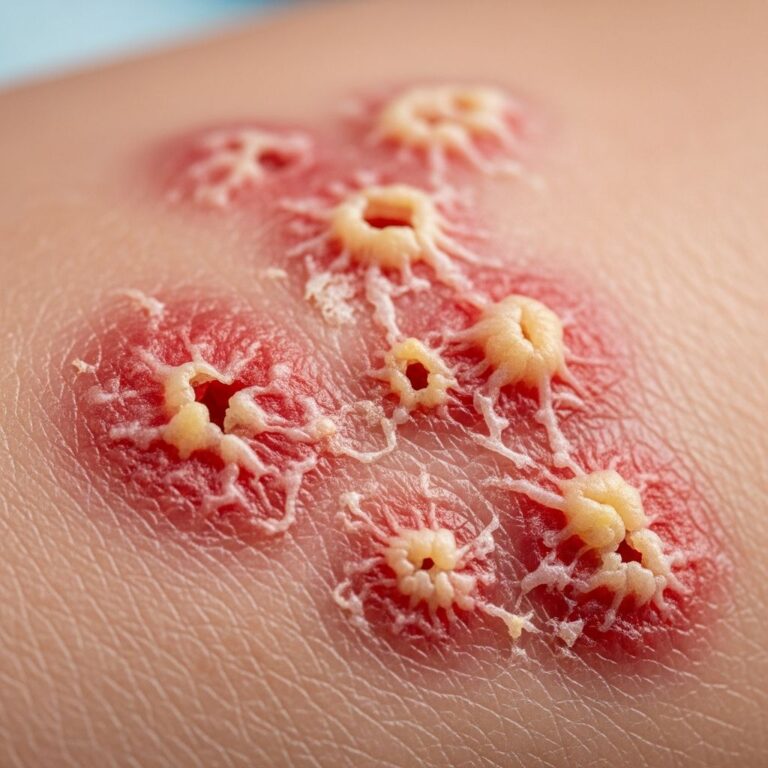
Mild erythema often occurs at the injection site immediately following the procedure and generally resolves within several days. However, delayed diffuse erythema, characterized by circular or oval patches, may manifest days or weeks post-filler injection. This erythema arises from increased pressure from surrounding firm tissues impacted by the filler, which can impede blood circulation and lead to compensatory neovascularization. Management may involve applying steroid creams and employing vascular lasers for symptom relief.
Infections and Inflammation
Development of firm HA fillers used in substantial quantities to augment facial volume can compress surrounding tissues, disrupt blood circulation, and potentially trigger infections or biofilm inflammatory responses. Temporary events associated with dermal fillers include redness, swelling, localized granulomas, and bacterial infections.
Managing Adverse Effects
Initial treatment for allergic reactions typically involves administering steroids and antihistamines to alleviate symptoms. If symptoms persist or recur after initial improvement, removal of the filler may be necessary, as reactions typically resolve once the filler is removed.
For HA fillers, the enzyme hyaluronidase can dissolve the filler, providing a reversible option if adverse effects occur. For non-HA fillers, manual expression through an incision or direct removal may be required. If an HA filler causes more frequent and extensive swelling than typically expected, enzymatic dissolution is recommended to mitigate the formation of a thicker-than-normal capsule around the filler, which heightens the risk of bacterial infection.
What to Expect During Treatment
Dermal filler injections are typically performed in an outpatient office setting and require no general anesthesia. Most procedures take 15 to 30 minutes, depending on the number of areas being treated and the amount of filler required.
The practitioner will first assess your facial anatomy and discuss desired results. A topical numbing cream may be applied to minimize discomfort during the procedure. The filler is then carefully injected into predetermined areas using either a fine needle or a blunt cannula. Some fillers, like PLLA, require reconstitution with sterile water and lidocaine before injection.
Patients may experience mild discomfort, pressure, or a slight stinging sensation during injection. However, most patients tolerate the procedure well with minimal pain.
Post-Treatment Care and Recovery
Most adverse events following dermal filler injection are reported within days post-injection, though some can manifest weeks later. Patients can typically return to normal activities immediately, though some practitioners recommend avoiding strenuous exercise for 24 to 48 hours.
Swelling and redness usually resolve within 2 to 3 days. Patients should avoid excessive facial manipulation and may benefit from applying ice to injection sites for the first 24 hours. Most results become apparent as initial swelling subsides, typically within one week.
Longevity and Maintenance
| Filler Type | Duration | Mechanism | FDA Approval Status |
|---|---|---|---|
| Hyaluronic Acid (HA) | 6-12 months | Volume replacement | Temporary filler approved |
| Calcium Hydroxylapatite (CaHA) | 12+ months | Volume + collagen stimulation | Temporary filler approved |
| Poly-L-Lactic Acid (PLLA) | Up to 2 years | Collagen stimulation | Temporary filler approved |
| Polymethylmethacrylate (PMMA) | Permanent | Volume replacement | Permanent filler approved |
The duration of dermal filler results varies depending on the filler type, injection site, individual metabolism, and lifestyle factors. Temporary fillers require maintenance treatments to sustain results, typically scheduled 6 to 12 months after the initial injection. Some patients benefit from smaller touch-up treatments to maintain desired results.
Choosing the Right Filler for You
Selecting the appropriate dermal filler depends on multiple factors, including desired longevity, treatment area, skin type, and personal preferences. Patients with darker skin should be aware of potential post-inflammatory hyperpigmentation and discuss preventive strategies with their practitioner.
Your healthcare provider can recommend specific fillers based on your facial anatomy, aging concerns, and aesthetic goals. Some patients benefit from combining different filler types to address various concerns with a single treatment session.
Frequently Asked Questions
Q: How long do dermal fillers last?
A: Duration depends on the filler type. HA fillers typically last 6-12 months, CaHA fillers last 12+ months, PLLA fillers last up to 2 years, and PMMA fillers are permanent. Individual results vary based on metabolism and lifestyle factors.
Q: Are dermal fillers safe?
A: Yes, FDA-approved dermal fillers have excellent safety profiles when administered by qualified practitioners. Adverse effects are generally mild and temporary, resolving within days to weeks. Serious complications are rare.
Q: Can dermal fillers be reversed?
A: HA fillers can be dissolved using the enzyme hyaluronidase if unwanted results occur. Non-HA fillers may require manual removal. Temporary fillers naturally resolve over time as the body absorbs them.
Q: What is the difference between dermal fillers and Botox?
A: Dermal fillers add volume to fill wrinkles and enhance facial contours, while Botox relaxes muscles to prevent wrinkles from forming. They work differently and can be used complementarily for comprehensive facial rejuvenation.
Q: Are dermal fillers suitable for all skin types?
A: Yes, dermal fillers can be safely used across all skin types. However, patients with darker skin should discuss potential post-inflammatory hyperpigmentation with their practitioner to implement preventive measures.
Q: How much do dermal fillers cost?
A: Cost varies based on filler type, amount used, and treatment area. Most fillers are priced per syringe, with treatment typically requiring one to multiple syringes. Temporary fillers generally cost less than permanent options.
Q: Can I combine dermal fillers with other treatments?
A: Yes, dermal fillers can be combined with Botox, laser treatments, and other cosmetic procedures for comprehensive facial rejuvenation. Your practitioner can recommend appropriate combination treatments.
References
- Review of the Adverse Effects Associated with Dermal Filler Injections — National Center for Biotechnology Information/PubMed Central. 2024-09-01. https://pmc.ncbi.nlm.nih.gov/articles/PMC11311355/
- Contemporary Review of Injectable Facial Fillers — Journal of American Academy of Facial Plastic Surgery. 2013-06-01. https://doi.org/10.1001/jamafacial.2013.337
- Facial Dermal Filler Injection and Vaccination: A 12-Year Review of Adverse Event Reporting — Johns Hopkins University. 2024-01-01. https://pure.johnshopkins.edu/en/publications/facial-dermal-filler-injection-and-vaccination-a-12-year-review-o/
- FDA Medical Device Definitions and Classification — U.S. Food and Drug Administration. 2024-11-01. https://www.fda.gov/medical-devices/
Similar Articles








Read full bio of Sneha Tete