Dermaplaning: What It Is, Benefits & Side Effects
Learn about dermaplaning, a minimally invasive skin resurfacing procedure for smoother, healthier-looking skin.
What Is Dermaplaning?
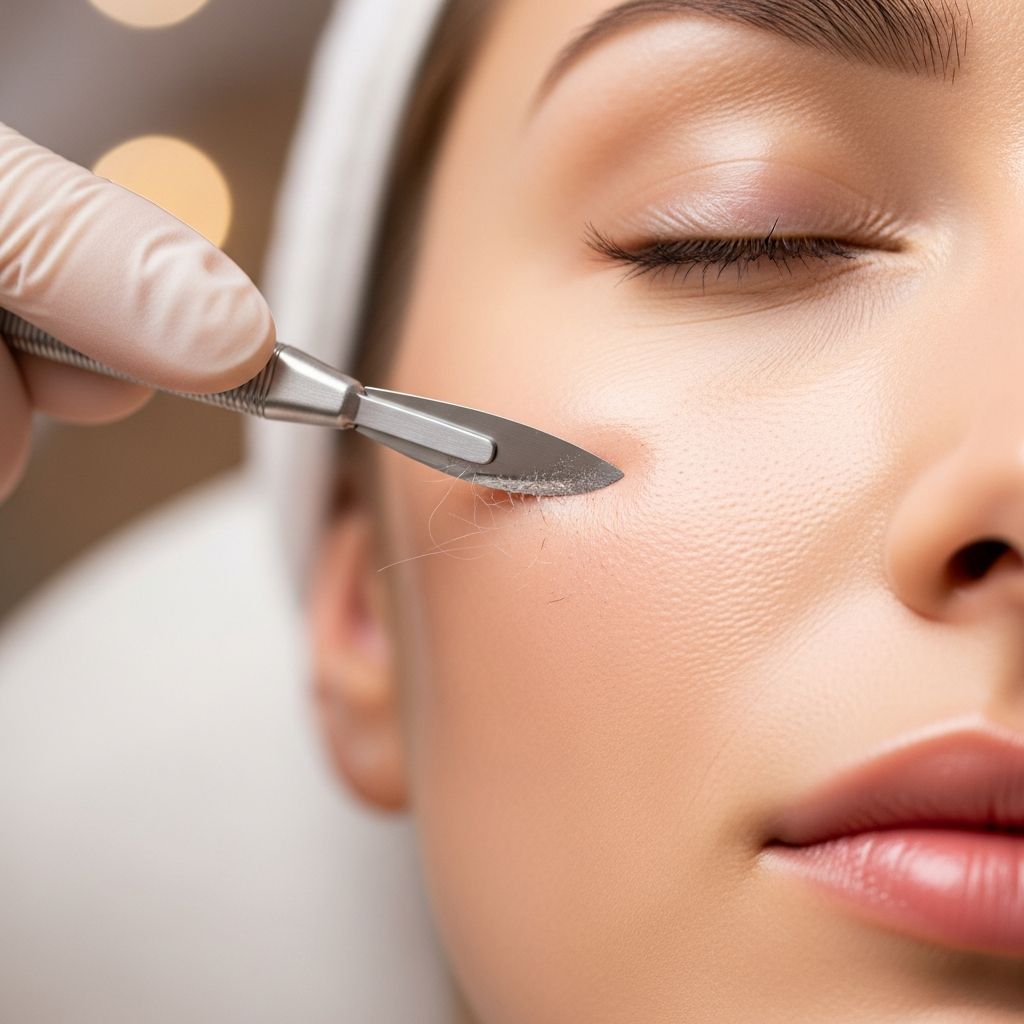
Dermaplaning is a minimally invasive skin resurfacing procedure designed to treat various cosmetic concerns and improve the overall appearance of your skin. This procedure uses specialized surgical instruments to gently remove the outermost layers of dead skin cells and fine facial hair, often referred to as vellus hair or peach fuzz. Most commonly performed on the face, dermaplaning can be applied to virtually any area of your body where skin refinement is desired.
Unlike shaving, which simply removes hair at the skin’s surface, dermaplaning is a controlled exfoliation technique performed by trained dermatologists or licensed aestheticians. The procedure works by carefully scraping away accumulated dead skin cells that can dull your complexion and make fine lines appear more pronounced. By removing these surface layers, dermaplaning reveals fresher, healthier-looking skin underneath.
This treatment has gained popularity as a non-surgical alternative for those seeking to improve skin texture, reduce the appearance of scars, and achieve a smoother complexion without the downtime associated with more invasive procedures.
How Dermaplaning Works
Understanding the mechanics of dermaplaning helps explain why it is such an effective treatment for various skin concerns. The procedure relies on precision instruments and careful technique to deliver consistent results.
The Instrument
Your healthcare provider uses a special instrument called a dermatome to perform the procedure. This handheld device resembles an electric razor and features a small blade that moves back and forth across your skin in controlled motions. The blade works at a precise 45-degree angle, allowing for gentle and effective removal of skin layers without causing cuts or deep penetration into the dermis.
The Procedure Process
Before your dermaplaning session begins, your provider may apply a numbing cream or spray to your face approximately 30 minutes prior to treatment. This helps minimize any discomfort you might experience during the procedure. While you may feel a gentle scratching or stinging sensation as the blade moves across your skin, dermaplaning typically is not painful.
During the treatment, your provider carefully guides the dermatome across the targeted areas in short, feathering strokes. The blade gently shaves away the top layers of skin containing dead cells and fine facial hair. The procedure collects these removed materials on the blade as the professional works systematically across your face or other treated areas. Most sessions last anywhere from a few minutes to an hour and a half, depending on the size of the area being treated.
Post-Procedure Care
Immediately following your dermaplaning treatment, your healthcare provider will apply a soothing gel or ointment to calm your skin and reduce any redness, swelling, or irritation. This initial aftercare is crucial for supporting your skin’s recovery and comfort during the first hours after treatment.
What Dermaplaning Treats
Dermaplaning is an effective solution for numerous skin concerns, making it a versatile treatment option for many individuals. The procedure can help minimize the appearance of several common skin issues:
- Acne scars and atrophic scars
- Fine lines and wrinkles
- Dull or lackluster skin tone
- Uneven skin texture
- Hyperpigmentation and age spots
- Vellus hair and peach fuzz
- Surface-level skin imperfections
Related Stories



By removing the damaged outer layers of skin, dermaplaning stimulates natural cell regeneration and reveals the healthier skin beneath. This process not only addresses existing concerns but also creates an ideal foundation for skincare products to penetrate more effectively.
Benefits of Dermaplaning
Dermaplaning offers multiple advantages for those seeking to improve their skin’s appearance and health. The benefits extend beyond aesthetics to include functional improvements in skin quality.
Improved Skin Texture and Appearance
One of the primary benefits of dermaplaning is the immediate improvement in skin texture and smoothness. By removing accumulated dead skin cells, your skin feels softer and looks more refined. This exfoliation process reveals fresher, brighter skin that often appears more vibrant and youthful.
Reduced Appearance of Scars and Fine Lines
Dermaplaning effectively minimizes the visibility of acne scars, surgical scars, and other surface irregularities. Fine lines and wrinkles appear less prominent as the procedure smooths the skin’s surface and stimulates collagen production. Regular treatments can provide cumulative improvements over time.
Enhanced Product Absorption
Removing the top layer of dead skin cells creates a cleaner surface for skincare products. Serums, moisturizers, and other treatments can penetrate more deeply and effectively, maximizing their benefits. This improved absorption means you may see better results from your current skincare routine.
Hair Removal
For those bothered by fine facial hair or peach fuzz, dermaplaning offers a solution. The procedure removes vellus hair that can trap dirt and oil, potentially contributing to dull appearance or minor skin irritation. Many patients appreciate this dual benefit of exfoliation and hair removal.
Dermaplaning vs. Similar Procedures
Several skin resurfacing procedures exist, and understanding the differences helps determine which treatment best suits your needs.
| Procedure | Tool Used | Depth of Treatment | Invasiveness |
|---|---|---|---|
| Dermaplaning | Scalpel or razor blade | Superficial layers only | Minimally invasive |
| Microdermabrasion | Exfoliating blade or crystal particles | Superficial to mid-depth | Non-surgical, minimally invasive |
| Dermabrasion | Rotating abrasive instrument | Mid to deep layers | Surgical procedure |
Dermaplaning stands out as the gentlest option among these resurfacing procedures, making it ideal for those with sensitive skin or those seeking minimal downtime. It requires no general anesthesia and can be performed in an outpatient setting with quick recovery.
Safety and Risks
While dermaplaning is generally considered a safe cosmetic procedure with minimal risk, it is important to understand potential side effects and contraindications.
Common Side Effects
Most side effects from dermaplaning are mild and temporary. Your skin will likely be red, swollen, and slightly tender immediately following the procedure. Your healthcare provider may recommend over-the-counter pain medication if you experience discomfort. These effects typically resolve within hours to a few days as your skin begins its natural healing process.
Potential Complications
Dermaplaning does carry certain risks, though they are uncommon:
- Temporary redness and swelling lasting several days
- Skin sensitivity to touch and sunlight
- Rare cases of infection if proper aftercare is not followed
- Potential for scarring if not performed by a qualified professional
- Temporary dryness or flaking of the skin
- Slight irritation in individuals with sensitive skin conditions
When to Contact Your Healthcare Provider
Contact your healthcare provider if you notice the treated area exhibits signs of infection, such as increasing redness or swelling lasting longer than one week, pus or discharge, fever, or severe pain disproportionate to the procedure. Additionally, seek medical attention if you experience unusual itching, persistent sensitivity, or any concerning changes in the treated skin.
Recovery and Aftercare
Proper aftercare is essential for optimal results and to minimize side effects following your dermaplaning procedure.
Immediate Aftercare
In the hours and days immediately following your treatment, your skin requires gentle care. Use mild, fragrance-free cleansers and apply a gentle moisturizer to maintain hydration. Your skin barrier is temporarily compromised, and proper hydration supports the healing process. Avoid hot water, which can increase redness and irritation.
Sun Protection
Sun protection is critical following dermaplaning. Your newly exposed skin is more vulnerable to UV damage, which can cause hyperpigmentation and compromise your results. Apply broad-spectrum sunscreen with at least SPF 30 daily, and consider avoiding direct sun exposure for at least one week after treatment. Wearing protective clothing and hats provides additional defense.
Products to Avoid
For at least one to two weeks following your procedure, avoid harsh skincare products and treatments. Do not use chemical peels, retinoids, vitamin C serums, or other potentially irritating ingredients during the initial recovery period. Avoid scrubs and manual exfoliants entirely while your skin heals. These precautions prevent over-exfoliation and unnecessary irritation.
Recovery Timeline
Most people can return to normal activities within a few days to a couple of weeks after dermaplaning. Redness typically subsides within several hours to a few days. Full skin recovery, including complete healing of the skin barrier and optimal results, may take several weeks. Recovery varies from person to person based on individual skin sensitivity and healing capacity.
Frequency and Maintenance
Determining how often you should undergo dermaplaning depends on your individual skin goals and how quickly your skin regenerates. Most people benefit from dermaplaning sessions every three to four weeks for optimal results. However, your dermatologist can provide personalized recommendations based on your skin type, specific concerns, and desired outcomes.
Regular maintenance treatments help sustain the benefits of improved texture, continued stimulation of skin renewal, and ongoing reduction in the appearance of fine lines and scars. Consistency with your treatment schedule often yields better cumulative results.
At-Home Dermaplaning Considerations
While professional dermaplaning is recommended for best results and safety, at-home dermaplaning tools are available in drugstores. These typically consist of single-blade razors on plastic handles. However, professional treatment performed by qualified dermatologists or aestheticians offers superior safety, precision, and results compared to at-home alternatives.
If considering at-home dermaplaning, use extreme caution and do not perform the procedure every day or even every other day. Your facial skin is delicate, and frequent at-home dermaplaning can disrupt your skin barrier excessively, leading to irritation and sensitivity. Professional guidance is strongly recommended before attempting this procedure at home.
Frequently Asked Questions
Q: Is dermaplaning painful?
A: Dermaplaning is typically not painful. You may experience a gentle scratching or stinging sensation, but numbing cream can be applied beforehand to minimize any discomfort. The procedure is well-tolerated by most patients.
Q: How long do dermaplaning results last?
A: Results from dermaplaning typically last three to four weeks as your skin naturally regenerates. Maintenance treatments every three to four weeks help sustain optimal results and continue improving skin texture and appearance over time.
Q: Can anyone undergo dermaplaning?
A: Most people are suitable candidates for dermaplaning. However, those with active skin infections, severe cystic acne, or certain skin conditions should consult with a dermatologist first. Your healthcare provider can determine if dermaplaning is appropriate for your individual situation.
Q: Will dermaplaning cause hair to grow back thicker?
A: No, dermaplaning will not cause facial hair to grow back thicker or darker. This is a common misconception. The procedure temporarily removes vellus hair, and it will grow back at its normal rate and texture. Many patients appreciate the removal of fine facial hair and peach fuzz.
Q: Can I wear makeup after dermaplaning?
A: It is best to wait at least 24 hours before applying makeup to freshly dermaplaned skin. Your skin needs time to heal and recover. Once healed, makeup application is fine, but use gentle application techniques and ensure all products are clean and non-irritating.
Q: What skincare routine should I follow after dermaplaning?
A: After dermaplaning, maintain a gentle skincare routine including a mild cleanser, hydrating moisturizer, and broad-spectrum sunscreen. Wait at least one to two weeks before reintroducing active ingredients like retinoids or chemical exfoliants. Your dermatologist can recommend specific products suited to your skin type.
References
- Dermaplaning: What It Is, Benefits & Side Effects — Cleveland Clinic. 2024. https://my.clevelandclinic.org/health/treatments/22680-dermaplaning
- Is It OK To Try Dermaplaning at Home? — Cleveland Clinic Health. 2024. https://health.clevelandclinic.org/dermaplaning-at-home
- Why Dermaplaning Facial Service is a Game Changer for You — Reimels Dentistry. 2024. https://www.reimelsdentistry.com/dermaplaning-facial-service/
- Dermaplane Cleveland — Seriously Skin Cosmetic and Laser Medicine. 2024. https://www.seriouslyskin.com/dermaplane/
- The Marietta Aesthetician’s Guide to Dermaplaning — DESSNA. 2024. https://dessna.com/the-marietta-aestheticians-guide-to-dermaplaning/
- Experience Smooth Skin with Dermaplaning Facial Treatment — Cloning Dentistry. 2024. https://www.cloningerdentistry.com/blog/dermaplaning-facial-treatment/
Similar Articles








Read full bio of medha deb