Emollients: A Comprehensive Guide To Skin Barrier Repair
Essential guide to emollients for managing dry skin, dermatitis, and eczema through proper selection and application.
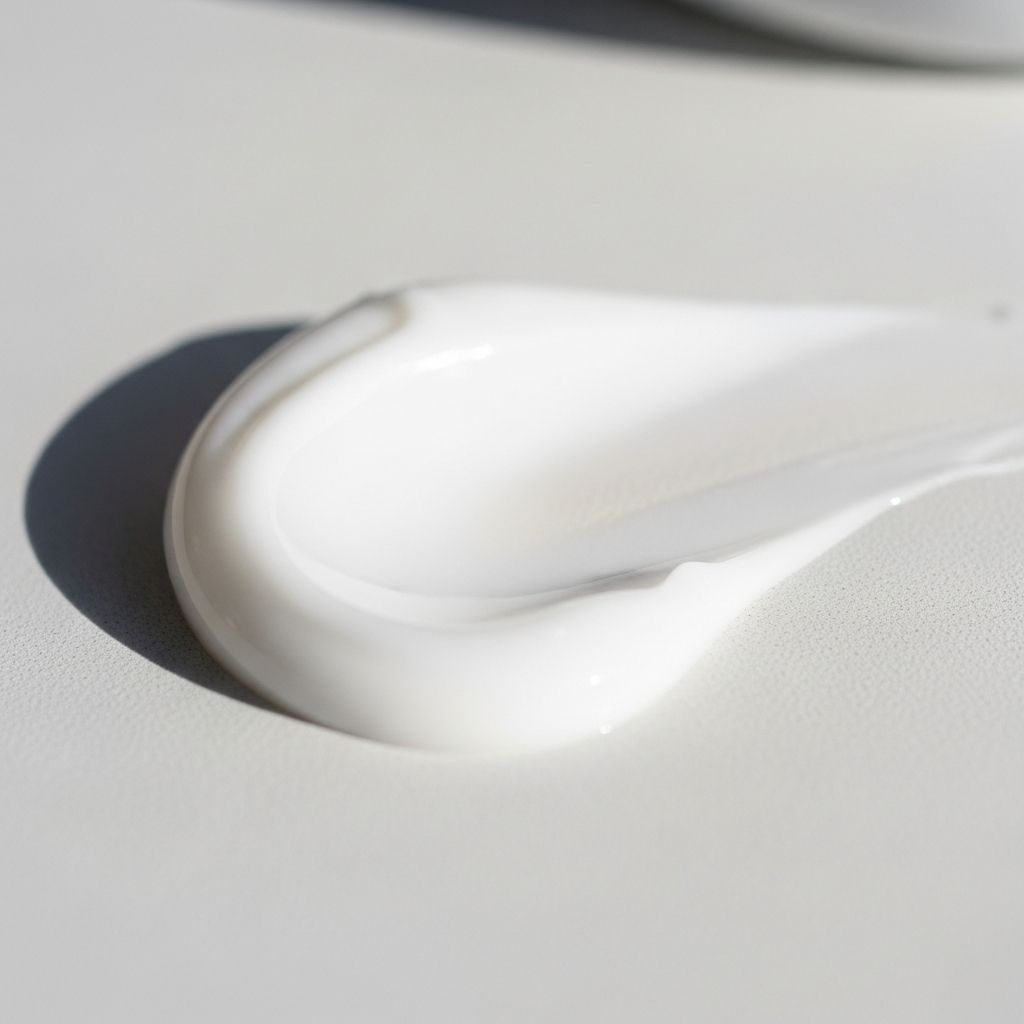
Emollients soften the skin, while moisturisers add moisture to hydrate it. Together, they correct dryness and scaling, serving as an effective treatment for mild irritant contact dermatitis and other dry skin conditions like eczema.
Introduction
Emollients and moisturisers are fundamental in dermatological care, particularly for conditions involving skin barrier dysfunction such as atopic dermatitis (AD), eczema, and irritant contact dermatitis. Emollients are oily substances that soften and smooth the skin by filling cracks in the stratum corneum, the outermost layer of the epidermis. Moisturisers, often used interchangeably, incorporate emollients along with humectants and occlusives to actively add and trap moisture, restoring the skin’s natural hydration barrier.
Dry skin arises from impaired barrier function, increased transepidermal water loss (TEWL), and environmental factors. In atopic eczema, genetic defects exacerbate dryness, making emollients essential for symptom relief and flare prevention. Unlike cosmetic products, medical emollients are unperfumed and formulated to soothe, protect, and repair without irritation.
Uses
Emollients and moisturisers are versatile in managing various skin conditions:
- Mild irritant contact dermatitis: Correct dryness and scaling to promote healing.
- Atopic dermatitis (eczema): Daily application maintains remission, reduces flares, and supports skin barrier integrity.
- Psoriasis and ichthyosis: Soften plaques and scales for comfort and improved penetration of other treatments.
- General dry skin: Prevent cracking, itching, and infections in sensitive or elderly skin.
- Post-cleansing: Replace lipids stripped by soaps, reducing bathing-related dryness.
In childhood eczema, guidelines recommend 250–500 g weekly, applied several times daily across the entire body, even during remission.
Ingredients
Emollients and moisturisers combine three key ingredient types to hydrate and protect:
- Emollients: Soften skin by mimicking natural lipids. Examples include lanolin (wool alcohols), glyceryl stearate, soy sterols, plant oils, and shea butter. They fill intercellular cracks in the stratum corneum.
- Occlusives: Form a hydrophobic barrier to minimize TEWL. Common agents: petrolatum (petroleum jelly), paraffin (liquid or soft white), mineral oil, dimethicone, and waxes. Ointments provide the strongest occlusion.
- Humectants: Draw water into the skin from deeper layers or the environment. Include glycerol (glycerin), urea, sorbitol, hyaluronic acid, and natural moisturizing factors (NMFs) like amino acids.
Generations of emollients evolve in sophistication:
| Generation | Key Features | Examples |
|---|---|---|
| First | Hygroscopic and occlusive; basic barrier | Petrolatum, paraffin oil, fatty alcohols |
| Second | Restore hydration; include humectants | Glycerol, sorbitol, NMF substitutes |
| Third | Physiological lipids; repair barrier | Ceramides, cholesterol, fatty acids |
| Emollients Plus | Active non-medicated ingredients; multi-action | Niacinamide, licorice extract, prebiotics |
“Emollients plus” represent an advanced category with bioactive components like glycyrrhizinic acid (anti-inflammatory), xylitol (antimicrobial), and polydocanol (anti-itch), targeting AD’s multifactorial pathology without corticosteroids.
How to Use
Effective use maximizes benefits and minimizes risks:
- Frequency: Apply liberally 2–3 times daily or more, especially after bathing when skin is damp to lock in moisture. Ointments last 6–24 hours; lotions 1–4 hours.
- Application technique: Use fingertip unit (0.5 g) per 2 hand-sized areas. Massage gently into clean, patted-dry skin. Avoid rubbing inflamed areas.
- Bathing routine: Reduce frequency to 5–10 minutes daily with emollient-based cleansers (syndets). Apply emollient within 3 minutes post-bath.
- Quantity: Adults: 250–500 g/week; children: scaled by size. Stockpile to ensure continuity.
Related Stories



For hairy areas like scalp, prefer lotions; for very dry limbs, ointments. Trial different formulations to find the best fit.
Formulations
Choose based on skin type, area, and preference:
- Lotions: Water-rich, light, non-greasy; ideal for hairy areas, mild dryness, or warm climates. Absorb quickly but evaporate faster.
- Creams: Balanced emulsion; moderate occlusion for trunk/limbs. Pump dispensers reduce contamination.
- Gels: Alcohol-free, cooling; suit oily skin or intertriginous areas.
- Ointments: Greasy, high occlusivity; best for severe dryness, overnight use. May feel heavy.
- Sprays: Easy application for hard-to-reach areas; thicker film for prolonged effect.
Humectant-enhanced versions (e.g., with urea) prolong hydration but may sting on broken skin.
Benefits
Regular use yields multifaceted improvements:
- Hydration and barrier repair: Reduce TEWL, restore lipids, prevent cracks.
- Symptom relief: Soothe itch, reduce inflammation, improve lesions in AD.
- Flare prevention: Block irritants/allergens/bacteria; maintain remission post-topicals.
- Infection risk reduction: Intact barrier limits microbial entry.
- Enhanced treatment efficacy: Improve penetration of corticosteroids.
Studies show emollients plus preserve barrier lipids, modulate microbiome, and alleviate neurosensory symptoms.
Side Effects and Risks
Generally safe, but monitor for:
- Allergic reactions: Fragrance, preservative, or lanolin sensitivity causes contact dermatitis. Patch test suspects; choose allergen-free.
- Occlusion issues: Acne, folliculitis, perioral dermatitis, boils from heavy greasiness.
- Infection risk: Contaminated tubs foster bacteria; prefer pumps/squeeze tubes.
- Fire hazard: Paraffin-based on fabrics ignites easily—avoid naked flames.
- Slip hazard: Ointments on floors/baths.
Discontinue if irritation worsens. Emollients with antimicrobials mitigate folliculitis.
Choosing an Emollient
No universal “best”; personalize by:
| Skin Condition | Recommended Type | Examples |
|---|---|---|
| Mild dryness | Lotion/Cream | Aqueous cream, sorbolene |
| Moderate | Cream | 50:50 ointment (paraffin mix) |
| Severe/scaly | Ointment | Petroleum jelly, wool alcohols |
| Allergies | Simple/Steroid-free | Preservative-free options |
Consult dermatologists for patch testing. Prefer NHS-approved or medical-grade over cosmetics.
Frequently Asked Questions (FAQs)
Q: What is the difference between emollients and moisturisers?
A: Emollients soften skin via lipids; moisturisers add water plus emollients/occlusives for full hydration.
Q: How often should I apply emollients?
A: 2–3+ times daily, more during flares. Apply to whole body, not just affected areas.
Q: Are emollients safe for babies with eczema?
A: Yes, use child-appropriate quantities (250–500g/week scaled); avoid eyes/mouth.
Q: Can emollients cause acne?
A: Occlusive types may in acne-prone skin; opt for lighter lotions.
Q: What if my skin reacts to an emollient?
A: Stop use; patch test for allergens like lanolin/preservatives. Switch formulations.
References
- Moisturisers – DermNet PRO — DermNet NZ. 2023. https://pro.dermnetnz.org/assets/patient-resources/Moisturisers/Patient-info-moisturisers.pdf
- Emollients and Moisturizers — DermNet NZ. Accessed 2026. https://dermnetnz.org/topics/emollients-and-moisturisers
- Emollients factsheet — National Eczema Society. 2023-06. https://eczema.org/wp-content/uploads/Emollients-Jun-23.pdf
- The Role of a Novel Generation of Emollients, ‘Emollients Plus’ — PMC/NCBI. 2022-12-21. https://pmc.ncbi.nlm.nih.gov/articles/PMC9763050/
- Dermatitis. Emollients — DermNet NZ. 2008 (updated). https://dermnetnz.org/cme/dermatitis/emollients
Similar Articles








Read full bio of medha deb