Dermatitis Neglecta: 6 Risk Factors And 4 Effective Treatments
Understanding the causes, symptoms, diagnosis, and simple treatments for this overlooked skin condition due to poor hygiene.
What is dermatitis neglecta?
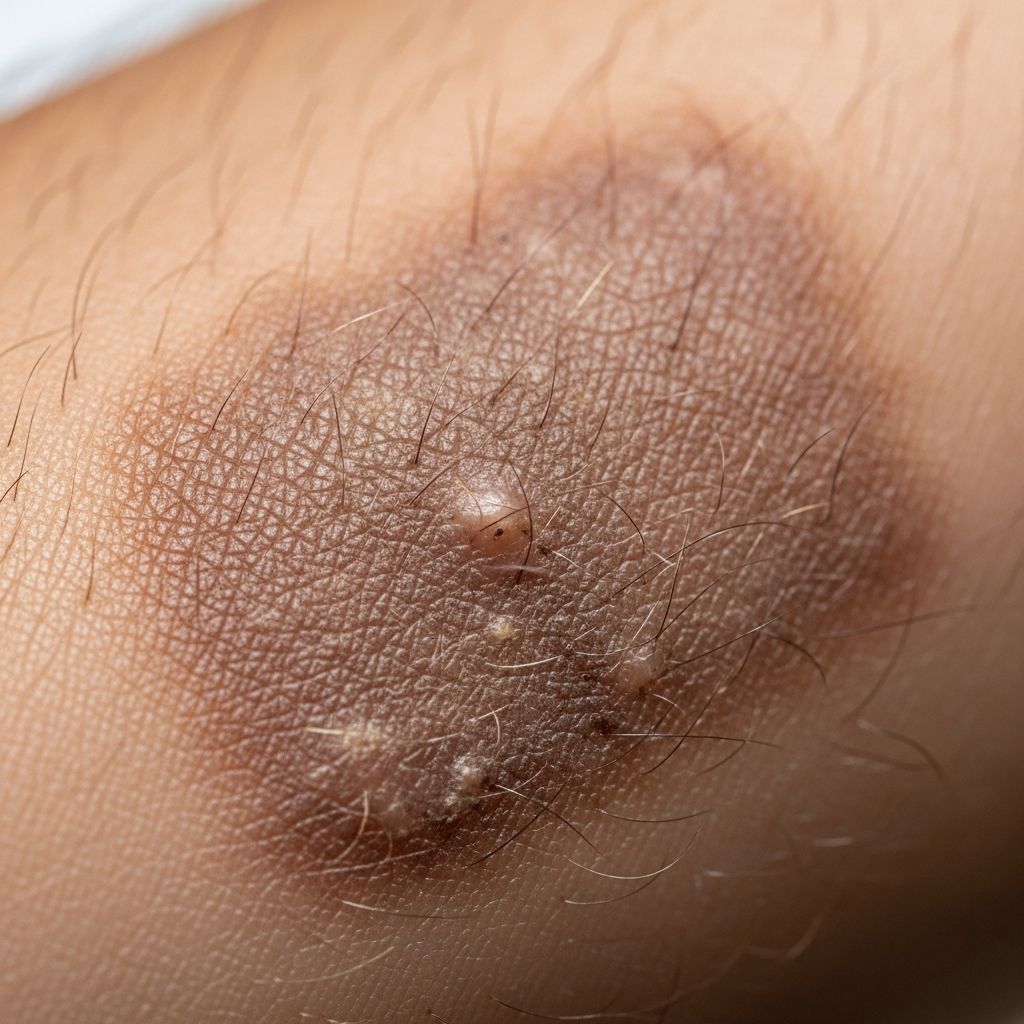
Dermatitis neglecta, also known as dermatosis neglecta or hyperkeratosis neglecta, is a benign skin condition characterized by the formation of adherent, scaly, hyperpigmented plaques due to prolonged inadequate cleansing of a specific body area. This disorder results from the accumulation of corneocytes (dead skin cells), sebum, sweat, keratin, bacteria, and other debris, which form a compact, dirt-like crust on the skin surface.
The condition was first formally described in 1995 by Archer, who highlighted its distinction from other dermatoses caused by intentional self-harm (dermatitis artefacta), noting that dermatitis neglecta arises from acts of omission rather than commission. Despite its simplicity, it is frequently underdiagnosed or misdiagnosed as more serious conditions like acanthosis nigricans, terra firma-forme dermatosis, or even malignancy, leading to unnecessary biopsies or treatments.
Lesions are typically asymptomatic, though they can be cosmetically distressing. The exact pathogenesis remains unclear, but inadequate frictional cleansing prevents normal skin exfoliation, allowing debris buildup. Patients often deny poor hygiene, complicating recognition.
Who gets dermatitis neglecta?
Dermatitis neglecta can affect individuals of any age, gender, or ethnicity, but it is more common in those with barriers to adequate skin cleansing. Risk factors include:
- Physical disabilities or immobility: Conditions like stroke, paralysis, or bedridden states limit access to certain body areas.
- Post-surgical or trauma-related pain: Patients avoid washing painful or scarred sites, such as the abdomen after surgery or neck after injury.
- Older age: Age-related decline in self-care or mobility increases susceptibility.
- Mental health disorders: Depression, schizophrenia, or cognitive impairments may lead to neglect of personal hygiene.
- Chronic pain or hyperesthesia: Painful areas (e.g., back, groin) are intentionally avoided during washing.
- Caregiver oversight: In elderly or dependent patients, inadequate cleaning by caregivers contributes.
Common sites include the neck, axillae, umbilicus, groin, inframammary folds, and feet—areas prone to sweat accumulation or hard to reach.
What causes dermatitis neglecta?
The primary cause is persistent failure to cleanse or scrub the skin adequately, leading to progressive accumulation of:
- Sebum (skin oils)
- Sweat
- Keratin and corneocytes (dead skin cells)
- Bacteria and dirt/debris
This buildup forms a verrucous plaque or hyperpigmented patch, often adherent and waxy. Unlike contagious infections, dermatitis neglecta is not transmissible and stems purely from local hygiene neglect. Secondary complications like irritation or superinfection can occur if untreated.
In some cases, intentional avoidance due to sensitivity (e.g., “sensitive skin”) exacerbates the issue. The condition mimics others but uniquely resolves with vigorous cleaning, aiding differential diagnosis.
Clinical features of dermatitis neglecta
Lesions typically present as:
- Well-circumscribed, adherent plaques: Scaly, hyperpigmented (brown-black), or verrucous (warty), 1–10 cm in size.
- Locations: Unilateral or localized to hard-to-reach/painful areas like neck, trunk, extremities, or flexural folds.
- Symptoms: Usually asymptomatic; rarely pruritic or malodorous if secondarily infected.
- Diagnostic sign: Instant resolution or “pseudo-eosinophilia” (brown debris) upon vigorous rubbing with alcohol gauze or soapy water.

Table comparing dermatitis neglecta to mimics:
| Feature | Dermatitis Neglecta | Acanthosis Nigricans | Terra Firma-Forme |
|---|---|---|---|
| Cause | Poor hygiene | Insulin resistance | Unknown, pigment |
| Resolution | With washing | No | With alcohol |
| Sites | Localized, painful areas | Neck, axillae | Trunk, extremities |
Diagnosis of dermatitis neglecta
Related Stories



Diagnosis is primarily clinical, based on history of hygiene neglect and characteristic lesions. The hallmark is rapid clearing with 70% isopropyl alcohol or soapy water scrubbing—producing a “dirt cast” of brown-black material.
No routine lab tests are needed. Biopsy (rarely performed) shows hyperkeratosis, parakeratosis, and debris without inflammation. Dermoscopy may reveal amorphous pigment. Rule out differentials via history and response to cleansing.
What is the treatment for dermatitis neglecta?
Treatment is straightforward and highly effective:
- Initial cleansing: Vigorous scrubbing with soap/water or alcohol-soaked gauze daily until resolution (days to weeks).
- Maintenance: Wash affected area at least twice weekly; counsel on hygiene despite pain/disability.
- Resistant cases: Topical keratolytics (salicylic acid 6–10%, glycolic acid 10–20%) with emollients nightly under occlusion.
- Adjuncts: Manage underlying issues (pain, mental health); caregiver education.
Prognosis is excellent with compliance; recurrence is common without sustained hygiene.
Prevention of dermatitis neglecta
- Daily gentle cleansing of all skin areas, especially folds and post-trauma sites.
- Adaptive tools (long-handled sponges) for mobility-limited patients.
- Regular caregiver checks for at-risk individuals.
- Prompt pain management to enable washing.
- Awareness campaigns to reduce misdiagnosis.
Frequently asked questions (FAQs) about dermatitis neglecta
Q: Is dermatitis neglecta contagious?
A: No, it is caused by local hygiene failure, not infection, and cannot spread to others.
Q: How long does it take to treat dermatitis neglecta?
A: Lesions often clear in days with daily scrubbing; full resolution may take weeks in thick plaques.
Q: Can children get dermatitis neglecta?
A: Yes, though rare; often in neurologically impaired children with hygiene challenges.
Q: Does dermatitis neglecta cause pain or itching?
A: Typically asymptomatic; secondary infection may cause discomfort.
Q: Is a biopsy needed for diagnosis?
A: No, clinical response to alcohol swab confirms it; biopsy is avoidable.
References
- Dermatitis Neglecta: Causes and Treatment — Healthgrades. 2024. https://resources.healthgrades.com/right-care/skin-hair-and-nails/dermatitis-neglecta
- Dermatitis neglecta — Indian Journal of Dermatology, Venereology and Leprology (peer-reviewed). 2010. https://ijdvl.com/dermatitis-neglecta/
- Dermatitis Neglecta — A Dirty Dermatosis: Report of Three Cases — NIH/PMC (peer-reviewed). 2015-03-01. https://pmc.ncbi.nlm.nih.gov/articles/PMC4372914/
- What Is Dermatitis Neglecta? A Poor Hygiene Skin Condition — Metro Boston Clinical Partners. 2025-08-13. https://metrobostoncp.com/blogs/dermatitis-neglecta/
- Dermatitis neglecta — DermNet NZ. 2024. https://dermnetnz.org/topics/dermatitis-neglecta
Similar Articles








Read full bio of Sneha Tete