Dermatitis: 8 Common Types, Symptoms, And Treatments
Comprehensive guide to dermatitis: types, causes, symptoms, diagnosis, and effective management strategies for healthier skin.
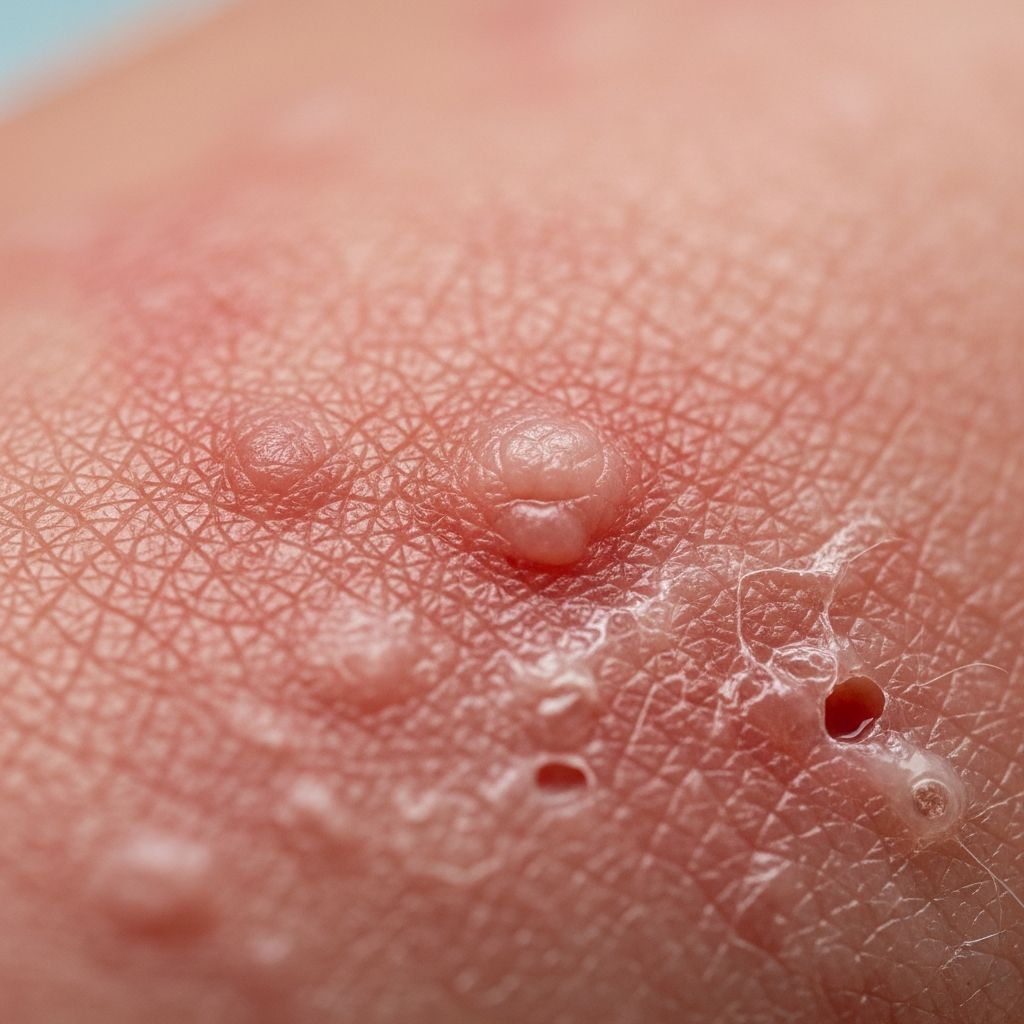
Dermatitis is a general term for inflammation of the skin, commonly presenting as itchy, red, dry, or scaly patches that may blister, ooze, or crust over. It affects millions worldwide and includes several subtypes such as
atopic dermatitis
(eczema),contact dermatitis
,seborrheic dermatitis
, and others, each with unique triggers and manifestations. While not contagious, dermatitis can significantly impact quality of life, but proper management often controls symptoms effectively.What is dermatitis?
Dermatitis refers to a group of conditions causing skin irritation and inflammation, leading to symptoms like intense itching, dryness, redness, and sometimes swelling or blistering. The term ‘eczema’ is often used interchangeably, particularly for atopic dermatitis, though it broadly applies to many inflammatory skin disorders. Common in all ages, it arises from a combination of genetic predisposition, environmental factors, and immune responses. For instance, the skin barrier function is compromised, allowing irritants or allergens to penetrate more easily. Unlike infections, dermatitis stems from non-infectious causes, though secondary infections can occur from scratching.
Who gets dermatitis?
Dermatitis affects people of all ages, races, and backgrounds, with prevalence varying by type.
Atopic dermatitis
often starts in infancy, impacting up to 20% of children, though many outgrow it; adults with new-onset are less common but possible.Contact dermatitis
is frequent in occupations involving chemicals, like healthcare workers or cleaners, due to repeated exposure.Seborrheic dermatitis
is common in adults (3-10% prevalence), particularly those with oily skin, stress, or weakened immunity, and appears as cradle cap in 70% of infants. Risk factors include family history of atopy, dry skin, allergies, and environmental exposures. Elderly individuals are prone to asteatotic eczema on shins due to thinned skin.What causes dermatitis?
Causes vary by type but generally involve a disrupted skin barrier, immune dysregulation, and external triggers. Genetic mutations like filaggrin defects impair skin hydration in atopic cases. Environmental factors such as irritants (soaps, solvents), allergens (nickel, fragrances), climate (dry air), stress, and infections (e.g., Malassezia yeast in seborrheic) play key roles. In contact dermatitis, direct chemical damage or allergic sensitization occurs. Scratching exacerbates all types by introducing bacteria and worsening inflammation. Hormonal changes, poor sleep, and immunosuppression heighten susceptibility.
Types of dermatitis
Dermatitis manifests in diverse forms, each with specific patterns:
- Atopic dermatitis (eczema): Chronic, relapsing; linked to allergies/asthma. Red, weepy in infants; flexural in children/adults.
- Irritant contact dermatitis: Non-immune reaction to harsh substances like detergents; dose-dependent, affects exposed areas.
- Allergic contact dermatitis: Delayed hypersensitivity to allergens (e.g., poison ivy, latex); vesicular rash at contact site.
- Seborrheic dermatitis: Affects sebaceous areas (scalp, face); greasy scales, linked to yeast overgrowth.
- Nummular dermatitis: Coin-shaped, oozing plaques on extremities; triggered by dry skin.
- Dyshidrotic eczema: Blisters on palms/soles; stress/moisture-related.
- Juvenile plantar dermatosis: Cracked soles in children from friction/sweat.
- Asteatotic eczema: Dry, cracked skin in elderly on lower legs.
Atopic dermatitis
The most prevalent chronic form, atopic dermatitis features intense itch leading to the ‘itch-scratch cycle.’ It begins early, with infantile phase on cheeks/body, childhood flexural, and adult localized patches. High IgE in 50% cases; triggers include foods, pollen, wool.
Irritant contact dermatitis
Most common occupational skin disease, caused by stripping natural oils via solvents, soaps. Acute: burning rash; chronic: dry, fissured skin. Prevention via gloves, barrier creams.
Allergic contact dermatitis
T-cell mediated; common culprits: nickel (jewelry), fragrances, preservatives. Rash peaks 48-72 hours post-exposure.
Seborrhoeic dermatitis
Scalp (dandruff), nasolabial folds, chest; yellow scales, mild itch. Associated with Malassezia yeast, Parkinson’s, HIV.
Related Stories



Nummular dermatitis
Discoid lesions, 1-10cm, weeping then crusted; often post-injury, in atopic individuals.
Dyshidrotic eczema
Tapioca-like vesicles on sides of fingers/toes; intense itch, resolves with desquamation. Triggers: metals, stress.
Other types
Include photoallergic (sun + topical), diaper dermatitis (ammoniated irritants), and hand eczema variants.
Signs and symptoms of dermatitis
Core symptoms:
pruritus
(itch), xerosis (dryness), erythema (redness). Acute: vesicles, weeping, crusting; chronic: lichenification (thickened skin), fissuring. Type-specific: seborrheic has greasy scales; nummular coin lesions. Complications: secondary bacterial (Staph)/viral (herpes) infections, sleep disturbance, psychosocial impact.| Type | Common Sites | Main Symptoms | Triggers |
|---|---|---|---|
| Atopic | Flexures, face | Itchy, dry, weepy | Allergens, stress |
| Irritant Contact | Hands, exposed | Burning, fissured | Soaps, solvents |
| Seborrheic | Scalp, face | Scaly, greasy | Yeast, cold |
| Nummular | Legs, arms | Coin-shaped plaques | Dry skin |
Diagnosis of dermatitis
Primarily clinical, based on history and exam. Patch testing for allergic contact (e.g., TRUE test series). Biopsy rarely needed, shows spongiosis, acanthosis. Differentials: psoriasis (sharper borders), tinea (KOH+), scabies (burrows). Labs: IgE, eosinophil count in atopic.
Treatment of dermatitis
Focus: restore barrier, reduce inflammation, stop itch-scratch. Emollients daily (petrolatum, ceramide creams). Topicals: low-potency steroids (hydrocortisone) for face; medium for body; calcineurin inhibitors (tacrolimus) steroid-sparing. Antihistamines for itch; antifungals (ketoconazole) for seborrheic. Severe: phototherapy, systemic steroids, biologics (dupilumab for atopic).
- Mild: Moisturize, avoid triggers, OTC hydrocortisone.
- Moderate: Prescription topicals, wet wraps.
- Severe: Immunosuppressants (cyclosporine), JAK inhibitors.
What is the outcome for dermatitis?
Variable: atopic improves in 60-70% by adolescence but relapses common. Contact resolves with avoidance. Seborrheic chronic/recurrent. Early intervention prevents chronicity; most manage well long-term.
Prevention of dermatitis
- Daily emollients, especially post-bath.
- Avoid known irritants/allergens (hypoallergenic products).
- Gloves for wet work; cotton liners.
- Humidifiers in dry climates.
- Short, lukewarm showers; gentle cleansers.
- Stress management, diet in atopics.
Related topics
Frequently Asked Questions
Q: Is dermatitis contagious?
A: No, dermatitis is not contagious; it results from internal and environmental factors, not pathogens.
Q: Can dermatitis be cured?
A: Most types are chronic but manageable; atopic often improves with age.
Q: What home remedies help dermatitis?
A: Frequent moisturizing, oatmeal baths, avoiding hot water and irritants.
Q: When to see a doctor for dermatitis?
A: If widespread, infected (pus, fever), not responding to OTC care, or impacting daily life.
Q: Are steroids safe for long-term dermatitis treatment?
A: Short courses yes; prolonged use risks thinning skin—use steroid-sparing agents.
References
- Dermatitis; Types, Causes, Symptoms and Management: A Review — JDermis. 2023. https://www.jdermis.com/full-text/dermatitis-types-causes-symptoms-and-management-a-review
- Understanding Dermatitis: Types, Causes, and Treatment Options — Village Dermatology Houston. 2024-10-15. https://www.villagedermatologyhouston.com/dermatitis
- Types of Dermatitis: Symptoms & Advice — Suncoast Skin Solutions. 2024. https://www.suncoastskin.com/types-of-dermatitis-symptoms-advice/
- Types of Eczema & Dermatitis — NYU Langone Health. 2025-01-10. https://nyulangone.org/conditions/eczema-dermatitis/types
- Dermatitis: Types, symptoms, and treatment — Medical News Today. 2025-05-20. https://www.medicalnewstoday.com/articles/dermatitis
- Dermatitis – Symptoms and causes — Mayo Clinic. 2025-08-12. https://www.mayoclinic.org/diseases-conditions/dermatitis-eczema/symptoms-causes/syc-20352380
- Dermatitis: Types, Treatments, Causes & Symptoms — Cleveland Clinic. 2025-03-05. https://my.clevelandclinic.org/health/diseases/4089-dermatitis
Similar Articles








Read full bio of Sneha Tete