Dermatofibroma: Causes, Symptoms, and Treatment
Complete guide to understanding dermatofibromas: benign skin growths explained.
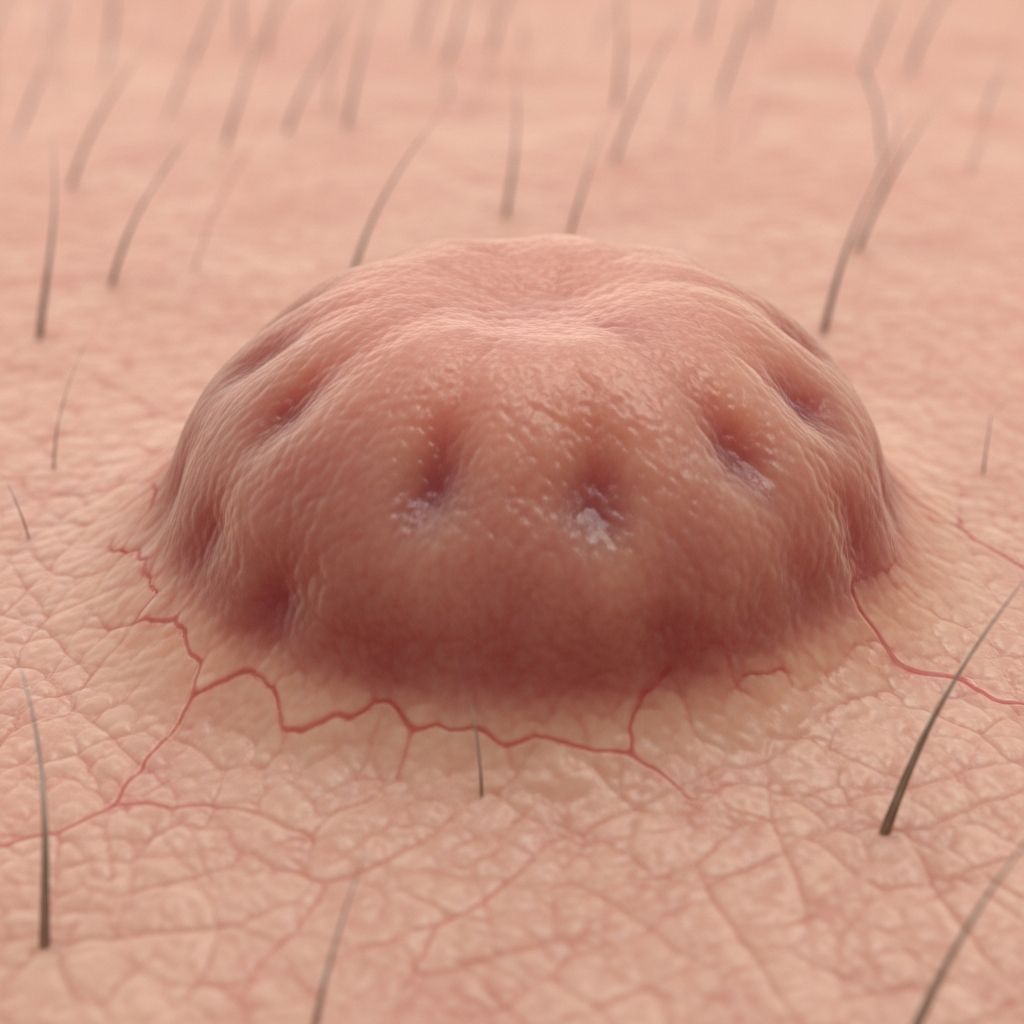
Dermatofibromas are common benign skin growths that affect many people worldwide. These small, harmless lesions typically develop on the skin as rounded bumps and are usually composed of accumulated cells in the deeper layers of skin tissue. Understanding what dermatofibromas are, how they develop, and what treatment options are available can help individuals make informed decisions about their skin health.
What Is a Dermatofibroma?
A dermatofibroma is a small, harmless growth that appears on the skin, classified as a benign cutaneous lesion. These growths, also known as fibrous histiocytomas, are accumulations of extra cells within the deeper layers of the skin, typically consisting of a mixture of tissues including blood vessels, fibroblasts, and macrophages. They form slowly over time and are almost always asymptomatic and benign in nature.
Most people develop dermatofibromas as solitary lesions, though some individuals may experience multiple growths throughout their lifetime. These lesions are extremely common and affect people of all ethnicities, though they are more prevalent in women than men and tend to appear more frequently in people with compromised immune systems.
Characteristics and Appearance
Dermatofibromas have several distinctive characteristics that help healthcare providers identify them accurately:
Size and Texture
These growths are typically small in diameter, usually ranging from 0.5 to 1.5 centimeters, with most lesions measuring between 0.7 to 1.0 centimeters. The size of a dermatofibroma typically remains stable over time and does not grow significantly. Due to their dense composition, dermatofibromas feel firm and hard to the touch, often described as feeling like a small stone underneath or raised above the skin surface.
Color Variation
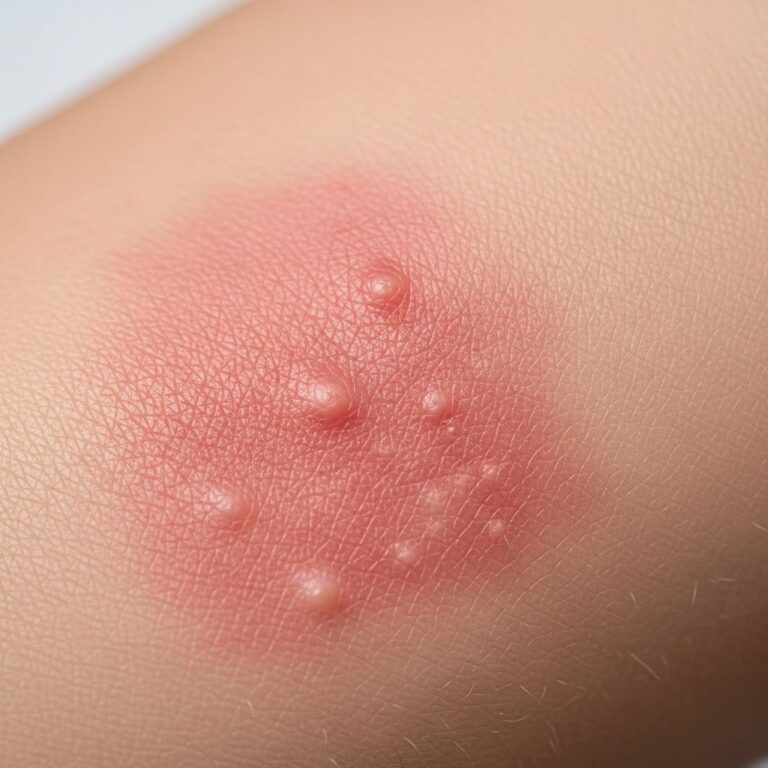
The color of dermatofibromas varies depending on individual skin tone and other factors. In individuals with light skin, they typically appear pink, red, or light brown in color. For people with darker skin tones, dermatofibromas generally appear as dark brown or black lesions. The color may appear more pink or darker if a person accidentally irritates the growth, such as when shaving over it.
Distinctive Features
One of the most characteristic features of a dermatofibroma is its response when pinched. If a person pinches a dermatofibroma, it will not push toward the surface of the skin as other growths might. Instead, it will dimple inward on itself, a distinctive characteristic that helps healthcare providers and patients distinguish between a dermatofibroma and other types of skin growths.
Location and Distribution
Dermatofibromas can develop anywhere on the body, but they show a clear preference for certain locations. The most common sites for dermatofibroma development include the lower legs and arms. They also frequently appear on the upper back and trunk area. Less commonly, these growths may develop on other body parts. The specific location of a dermatofibroma may influence treatment decisions, particularly if the growth is in a visible or frequently irritated area.
Causes and Risk Factors
The exact cause of dermatofibromas remains unclear to medical researchers. However, several factors may contribute to their development and increase the risk of occurrence in certain individuals.
Related Stories



Contributing Factors
While the precise etiology is not fully understood, medical professionals have identified several associations with dermatofibroma development. Minor skin trauma has been suggested as a potential contributing factor, particularly in women who develop lesions on the lower extremities. Additionally, individuals with compromised immune systems appear to have a higher prevalence of these growths. Age is another consideration, as dermatofibromas most commonly occur in adults and are particularly prevalent in the middle-aged population. The lesions develop slowly over time rather than appearing suddenly.
Symptoms and Clinical Presentation
Most dermatofibromas are completely asymptomatic and cause no discomfort to the affected individual. However, some people may experience various symptoms associated with these growths.
Common Symptoms
Although dermatofibromas are typically painless, some individuals report experiencing itching, irritation, or tenderness at the site of the growth. These symptoms may be intermittent and are often related to accidental irritation from shaving, scratching, or friction from clothing. In some cases, the growth may become inflamed, leading to temporary redness or discomfort. It is important to note that the appearance of new symptoms or rapid changes in the lesion should prompt consultation with a healthcare provider.
Diagnosis and Evaluation
Diagnosing a dermatofibroma is generally straightforward and typically does not require extensive testing.
Visual Inspection and Clinical Assessment
Primary care doctors and dermatologists usually diagnose a dermatofibroma by visual inspection alone. The characteristic appearance and distinctive features of these lesions make them relatively easy to identify. During an examination, a healthcare provider will look for the typical round bump appearance, assess the color and size of the lesion, and may perform the pinch test to confirm the diagnosis. The papules are easy to identify based on their clinical presentation.
Differential Diagnosis Considerations
While dermatofibromas are generally easy to diagnose, healthcare providers must be careful to distinguish them from other skin conditions, including nevus with cyst, basal cell carcinoma, dysplastic nevus, or malignant melanoma. In rare cases, a growth that appears to be a dermatofibroma may actually be a sign of dermatofibrosarcoma protuberans, a rare type of cancer. If a growth is rapidly growing or changing in appearance, medical evaluation becomes particularly important.
Treatment Options
Since dermatofibromas are benign and typically harmless, treatment is generally optional and based on individual preferences and symptoms.
Surgical Removal
Surgical removal is an option for individuals who find the growth unsightly or in an embarrassing location. However, dermatofibromas run deep into the dermis, the middle layer of skin, which means removal requires a more invasive surgical procedure. Complete removal often results in a scar that may be more noticeable than the original lesion, particularly if the growth was not causing symptoms or cosmetic concerns.
Alternative Treatment Methods
Other less invasive treatment approaches have been attempted, including freezing the growth with liquid nitrogen or using laser procedures. However, these methods have variable effectiveness and may not successfully remove the entire lesion. In many cases, alternative treatments are disappointing in their results and may not provide the cosmetic improvement patients desire.
When Treatment is Recommended
Doctors generally do not advise removal unless the growth is painful or involves symptoms that may indicate a different diagnosis. Treatment becomes more justified when the dermatofibroma causes discomfort, is frequently irritated, or when there is uncertainty about the diagnosis.
Important Precautions
Individuals should avoid attempting to remove dermatofibromas at home using over-the-counter products or home remedies. Improper removal attempts can lead to deep scarring, infection, and improper healing, resulting in more significant cosmetic and functional problems than the original lesion. Professional medical evaluation and treatment are essential for safe management.
When to Seek Medical Advice
While dermatofibromas are generally harmless, certain situations warrant professional medical evaluation. Individuals should report any new skin growth to a doctor, especially if it exhibits concerning characteristics. These warning signs include:
Rapid growth or changing size, shape, or color patterns that appear irregular, bleeding from the lesion, increasing pain or itching, or rapid expansion. Any growth that demonstrates these characteristics may indicate a different diagnosis and should be professionally evaluated to ensure accurate diagnosis and appropriate treatment planning.
Prognosis and Long-term Outlook
Dermatofibromas are benign lesions with an excellent prognosis. These growths will not typically go away on their own, but they also will not develop into cancer or cause serious health problems. The vast majority of dermatofibromas remain stable in size and appearance throughout a person’s life. Most individuals can manage these growths by monitoring them for any changes and seeking medical advice if concerning symptoms develop.
Frequently Asked Questions
Q: Are dermatofibromas dangerous or cancerous?
A: No, dermatofibromas are benign skin growths that are not cancerous and do not become cancerous. They are harmless accumulations of skin cells. However, if you have a growth that appears to be rapidly changing or has concerning features, medical evaluation is important to rule out other conditions.
Q: Can dermatofibromas be prevented?
A: Since the exact cause of dermatofibromas is not fully understood, prevention strategies are not well established. However, protecting your skin from trauma and maintaining overall skin health may be beneficial.
Q: Will a dermatofibroma disappear on its own?
A: Dermatofibromas typically will not go away on their own. These lesions are permanent and remain stable in size throughout life unless they are surgically removed.
Q: Why do dermatofibromas dimple when pinched?
A: The dimpling effect occurs because dermatofibromas extend deep into the dermis and are firmly attached to surrounding tissue. This distinctive response helps differentiate them from other skin growths.
Q: Should all dermatofibromas be removed?
A: Not all dermatofibromas require removal. Most are asymptomatic and harmless. Removal is generally recommended only if the lesion is painful, frequently irritated, or if there is diagnostic uncertainty.
Summary
Dermatofibromas are common, benign skin growths that affect many adults, particularly women. These small, firm lesions typically appear on the lower extremities and upper back, though they can develop anywhere on the body. Characterized by their distinctive appearance and the dimpling response when pinched, dermatofibromas are easily diagnosed through visual examination. While most are asymptomatic and require no treatment, various options are available for individuals who wish to remove them for cosmetic or comfort reasons. Understanding the nature of these growths and when to seek medical evaluation helps individuals make informed decisions about their skin health and overall wellbeing.
References
- Melanocytic lesions associated with dermatofibromas — Nature. 2000. https://www.nature.com/articles/3800384
- Dermatofibroma: Causes, images, and treatment — Medical News Today. 2024. https://www.medicalnewstoday.com/articles/318870
- Dermatofibroma: Reappraisal and Updated Review — Clinical, Cosmetic and Investigational Dermatology. 2024. https://www.tandfonline.com/doi/full/10.2147/CCID.S526191
- Dermatofibroma Management and Prognosis — News-Medical.net. 2024. https://www.news-medical.net/health/Dermatofibroma-Management-and-Prognosis.aspx
- Dermatofibroma of the eyelid with monster cells — Harvard Medical School. https://eye.hms.harvard.edu/publications/dermatofibroma-eyelid-monster-cells
Similar Articles








Read full bio of Sneha Tete