Dermatographia: Understanding Skin Writing Condition
Learn about dermatographia, a benign skin condition causing temporary raised marks from scratching or pressure.
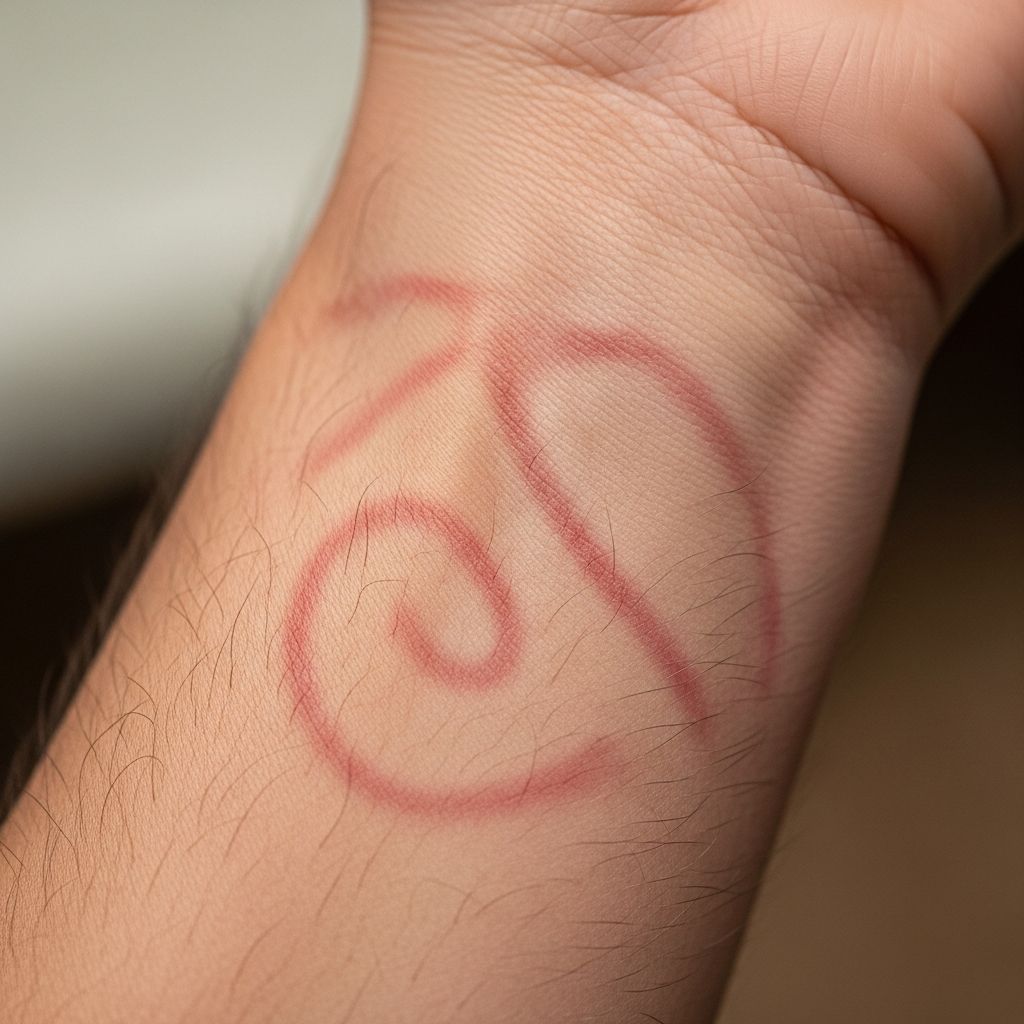
Understanding Dermatographia: What It Is and How It Affects Your Skin
Dermatographia, also known as dermatographism or skin writing, is a common benign skin condition that causes raised marks or welts to appear when your skin is scratched, rubbed, or subjected to pressure. These temporary reactions typically resemble hives and usually disappear within 30 minutes without any treatment. The condition is characterized by an exaggerated skin response to minor trauma, making even light scratching or friction from clothing capable of triggering visible marks.
The condition affects approximately 2% to 5% of the general population, making it a relatively common dermatological concern. Despite its prevalence, many people remain unaware they have dermatographia until they experience an obvious reaction or receive a diagnosis from a healthcare provider. The temporary nature of the symptoms and lack of lasting damage often means individuals may not seek medical attention unless the condition becomes bothersome.
What Causes Dermatographia?
The exact cause of dermatographia remains unknown, though researchers believe it may involve an allergic reaction or an exaggerated inflammatory response in the skin. Unlike typical allergies where a specific allergen can be identified, dermatographia doesn’t result from exposure to a particular substance. Instead, the condition appears to involve the skin’s heightened sensitivity to mechanical stimulation.
Several factors may trigger or contribute to the development of dermatographia:
- An infection or recent viral illness
- Emotional stress or psychological upset
- Certain medications or supplements
- Cold exposure or temperature changes
- Vibration or prolonged friction
- Existing skin conditions such as atopic dermatitis or eczema
Environmental factors like rubbing from clothing or bedsheets can also provoke symptoms in susceptible individuals. The condition may develop suddenly without any obvious preceding event, or it may gradually emerge following a period of skin sensitivity.
Who Is at Risk for Dermatographia?
Dermatographia can affect anyone regardless of age, gender, or ethnicity. However, certain groups appear more predisposed to developing this condition. Teenagers and young adults experience dermatographia more frequently than other age groups, though it can manifest at any life stage.
You may be at higher risk for dermatographia if you:
- Have a family history of the condition
- Suffer from other skin conditions like eczema or atopic dermatitis
- Experience frequent allergic reactions
- Have a history of urticaria or hives
- Have recently experienced significant emotional stress
Genetic factors appear to play a role, as the condition may run in families. If a close relative has dermatographia, your likelihood of developing it increases. Additionally, individuals with compromised skin barriers or existing inflammatory skin conditions face greater susceptibility.
Recognizing Symptoms of Dermatographia
The symptoms of dermatographia are typically mild and localized to areas where trauma has occurred. The most characteristic symptom is the appearance of raised, inflamed lines or welts that mirror the pattern of the scratching or pressure applied to the skin.
Common symptoms include:
- Raised, red, or inflamed lines following scratching
- Hive-like welts appearing on the skin
- Localized swelling or edema
- Itching or tingling sensations
- Visible marks that follow the direction and pattern of the injury
Related Stories



These symptoms typically appear within 5 to 7 minutes after the skin is agitated and usually resolve completely within 30 minutes. In rare cases, symptoms may develop more slowly and persist for several hours to days, indicating a more severe form of the condition. The marks generally leave no permanent scarring or lasting damage, though repeated trauma to the same areas may cause temporary skin discoloration.
The rash commonly appears on areas prone to friction or scratching, including the scalp, genital area, soles of the feet, and areas where clothing creates pressure or friction.
How Is Dermatographia Diagnosed?
Diagnosing dermatographia is straightforward and requires no invasive procedures or laboratory testing. A healthcare provider can confirm the diagnosis through a simple physical examination called the dermographic test or skin writing test.
During the diagnostic procedure, your healthcare provider will:
- Use a tongue depressor or similar blunt object to gently scratch or press on your skin
- Apply firm pressure in a specific direction across your arm or back
- Observe whether raised lines or welts appear within 5 to 7 minutes
- Note if the marks follow the same pattern and direction as the applied pressure
The appearance of characteristic welts within the expected timeframe confirms the diagnosis. The marks will appear precisely where pressure was applied, as if someone had written on your skin with a pen. Healthcare providers may take a detailed history before performing this test, asking about symptoms, triggers, recent illnesses, medications, and family history of skin conditions.
Before your appointment, you may be asked to discontinue antihistamine medications for several days, as these can interfere with the diagnostic test results. Your provider may refer you to a dermatologist or allergist for further evaluation if complications arise or if standard treatments prove ineffective.
Treatment Options for Dermatographia
Most cases of dermatographia require no treatment, as symptoms are mild and resolve spontaneously. However, if the condition causes significant discomfort or bothersome symptoms, several treatment options are available.
Over-the-Counter Treatments
For mild symptoms, antihistamine medications provide effective relief. Common over-the-counter options include cetirizine (Zyrtec) and diphenhydramine (Benadryl). These medications work by reducing histamine release in the skin, thereby decreasing the inflammatory response and minimizing welts and itching.
Prescription Treatments
If over-the-counter antihistamines prove insufficient, healthcare providers may prescribe stronger antihistamine formulations. These prescription-strength medications can provide more robust symptom control for individuals with more severe dermatographia.
Advanced Therapies
In cases of severe dermatographia that doesn’t respond to conventional antihistamine therapy, prescription biologic treatments may be considered. These injectable medications work through different mechanisms than standard antihistamines and can provide relief for treatment-resistant cases.
Self-Care Measures
In addition to pharmacological treatments, several self-care strategies can help minimize symptoms:
- Avoid scratching or rubbing affected areas
- Wear soft, loose-fitting clothing to minimize friction
- Use gentle, fragrance-free soaps and skincare products
- Apply cool compresses to irritated areas
- Maintain adequate skin hydration with moisturizers
- Avoid known triggers when possible
- Manage stress through relaxation techniques
The Long-Term Outlook for Dermatographia
The long-term prognosis for dermatographia is generally favorable. The condition causes no permanent scarring or lasting skin damage, producing only minor temporary irritation and symptoms. However, the duration of dermatographia varies considerably from person to person.
For many individuals, dermatographia resolves spontaneously within 1 to 2 years. Others experience gradual improvement over time, with symptoms becoming milder and less frequent. In some cases, the condition persists for years or throughout the person’s lifetime, though symptoms often become manageable with appropriate treatment and preventive measures.
The benign nature of dermatographia means it poses no serious health risks, and individuals can generally maintain normal activities while managing symptoms. Regular monitoring by a healthcare provider helps ensure appropriate management and allows for treatment adjustments if needed.
Is Dermatographia Contagious?
No, dermatographia is not contagious. You cannot spread dermatographia to another person through skin-to-skin contact or any other means of transmission. The condition results from an individual’s skin reactivity and does not involve infectious agents such as bacteria, viruses, or fungi. Family members of individuals with dermatographia may be at higher genetic risk for developing the condition themselves, but the condition itself cannot be transmitted from one person to another.
When Should You See a Healthcare Provider?
While dermatographia is generally harmless, you should consult a healthcare provider if:
- Your symptoms persist longer than 30 minutes
- The condition significantly impacts your quality of life or daily activities
- Symptoms worsen or spread to large areas of your body
- You develop signs of infection in affected areas
- Over-the-counter treatments fail to provide relief
- You experience systemic symptoms such as fever or malaise
Your primary care provider can typically diagnose and manage dermatographia. If more specialized care is needed, you may be referred to a dermatologist or allergist for comprehensive evaluation and management.
Frequently Asked Questions About Dermatographia
Q: How common is dermatographia?
A: Dermatographia affects approximately 2% to 5% of the general population, making it a relatively common skin condition. It occurs across all age groups but is more prevalent in teenagers and young adults.
Q: Why do marks from dermatographia disappear so quickly?
A: The marks disappear quickly because they result from a temporary inflammatory response to skin trauma. The skin naturally resolves this inflammation within 30 minutes in most cases, causing the welts to fade without leaving permanent marks.
Q: Can dermatographia be cured?
A: There is no permanent cure for dermatographia, but many people experience spontaneous remission within 1 to 2 years. Symptoms often become milder over time or may resolve completely. Treatment focuses on managing symptoms rather than curing the underlying condition.
Q: What’s the difference between dermatographia and regular hives?
A: Dermatographia produces localized welts in response to mechanical trauma (scratching or pressure), while hives typically result from allergic reactions or other internal triggers and can appear spontaneously without skin trauma.
Q: Can stress trigger dermatographia symptoms?
A: Yes, emotional stress and psychological upset are recognized triggers for dermatographia. Stress management techniques such as relaxation exercises, meditation, and counseling may help reduce symptom frequency and severity.
Q: Are there any serious complications associated with dermatographia?
A: Dermatographia itself is benign and causes no serious complications. However, excessive scratching due to itching could potentially lead to skin infection if the skin barrier is compromised. Practicing proper skin care and resisting the urge to scratch helps prevent secondary complications.
Q: How should I prepare for a dermatographia diagnosis appointment?
A: Before your appointment, list your symptoms and any triggers you’ve noticed. Document recent medications, supplements, and any major stressors. If instructed, discontinue antihistamines several days before your visit to ensure accurate test results.
References
- Dermatographia (Dermatographism): What It Is, Causes & Treatment — Cleveland Clinic. 2022-05-04. https://my.clevelandclinic.org/health/diseases/17793-dermatographism-dermatographia
- Dermatographia (Dermatographism) – Symptoms and causes — Mayo Clinic. https://www.mayoclinic.org/diseases-conditions/dermatographia/symptoms-causes/syc-20371411
- Dermatographia (Dermatographism) — UM Health-Sparrow. https://www.uofmhealthsparrow.org/departments-conditions/conditions/dermatographia-dermatographism
- Is Dermatographia an Autoimmune Disease? — MedicineNet. https://www.medicinenet.com/is_dermatographia_an_autoimmune_disease/article.htm
- What Is Dermatographia? — WebMD. https://www.webmd.com/skin-problems-and-treatments/what-is-dermatographia
Similar Articles








Read full bio of Sneha Tete