Dermatographism: Causes, Symptoms & Treatment
Understanding dermatographism: A guide to this common skin condition and effective management strategies.
What Is Dermatographism?
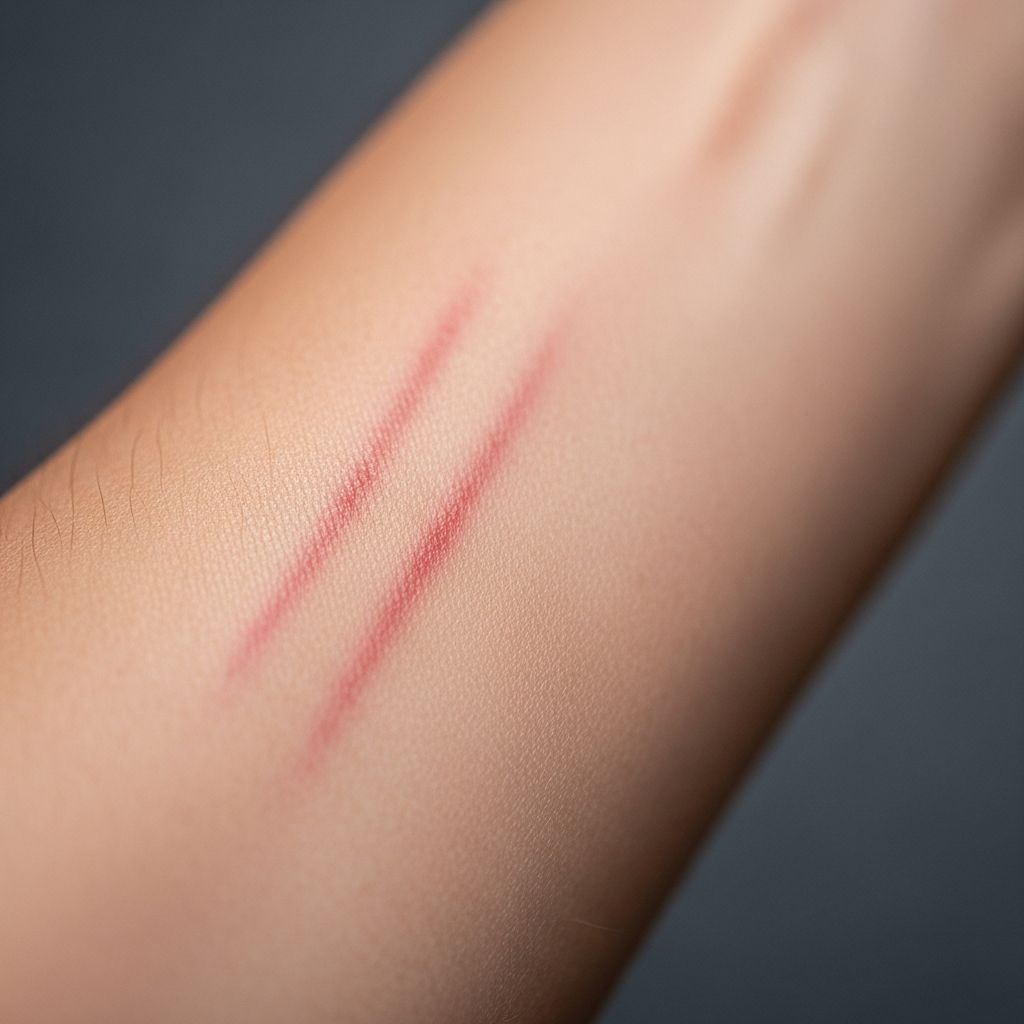
Dermatographism, also known as dermographia or dermographism urticaria, is a common and benign skin condition characterized by the development of raised welts or hive-like reactions when the skin is scratched, rubbed, or subjected to pressure. This condition represents the most common type of physical or chronic inducible urticaria. Individuals with dermatographism can develop symptoms at any age, though it is most prevalent in young adults.
When a person with dermatographism experiences firm stroking of the skin, a characteristic pattern typically emerges: the affected area first becomes red, followed by slight swelling along the stroke line. While most individuals experience mild manifestations, certain people with this condition may develop significant and bothersome symptoms that impact their quality of life.
Understanding the Mechanism
The exact pathophysiology of dermatographism remains not completely understood by medical professionals. However, current research indicates that the condition most likely results from an inappropriate release of histamine from mast cells within the skin, without a typical immune signal triggering the reaction. The resulting red welts, skin inflammation, and hives are caused by the local effects of histamine.
Histamine is a potent inflammatory chemical released by immune cells during allergic and inflammatory responses. In dermatographism, the threshold for histamine release from mast cells appears to be abnormally low, meaning that minor physical stimulation of the skin can trigger a disproportionate response.
Causes and Triggering Factors
While the underlying cause of dermatographism is not definitively established, researchers have identified numerous factors that may contribute to or trigger the condition:
- Physical stimuli: Scratching, rubbing, pressure from clothing, or friction from bed sheets
- Environmental factors: Extreme temperatures (both hot and cold), dry weather, and exposure to water from hot showers, baths, or saunas
- Emotional factors: Psychological stress and emotional distress
- Medications: Certain medications, particularly penicillin and other antibiotics
- Infections: Bacterial infections, including Helicobacter pylori
- Other triggers: Exercise, tight clothing, sunlight, and warm water or steam exposure
In some cases, dermatographism may be preceded by an infection, emotional distress, or medication use. Additionally, the condition has been observed in individuals with various underlying conditions, including diabetes, thyroid disorders, menopause, pregnancy, and Behçet disease. Some individuals may also have an allergy to an external substance, though this is uncommon.
Symptoms of Dermatographism
The symptoms of dermatographism typically manifest quickly and have a characteristic presentation. Common symptoms include:
- Red welts or raised marks appearing on the skin
- Itching or pruritus at the affected site
- Hive-like eruptions along areas of pressure or friction
- Localized skin swelling (angioedema)
- Burning sensations in severe cases
Timeline of symptoms: In most cases, dermatographism symptoms develop within a few minutes of the skin being scratched, rubbed, or pressured, and they typically resolve within 15 to 30 minutes. However, in rare instances, the condition may develop more slowly and persist for several hours or even multiple days. The condition overall can affect patients for months or years, with symptom severity fluctuating over time.
Related Stories



Factors affecting symptom severity: Symptoms may worsen in extreme temperatures and become more pronounced in dry weather. Additionally, exposure to hot water from showers, baths, and saunas can significantly aggravate symptoms.
Types of Dermatographism
Medical professionals recognize several distinct variants of dermatographism, each with unique characteristics:
- Red Dermatographism: Characterized by small red pinpoint hives primarily appearing on the trunk
- Follicular Dermatographism: Individual urticarial spots localized to hair follicles
- Cholinergic Dermatographism: Large red lines with pinpoint hives, similar to cholinergic urticaria
- Delayed Dermatographism: Painful hives that appear 3 to 8 hours after the initial skin injury and may persist for up to 48 hours
- Cold-precipitated Dermatographism: Symptoms triggered specifically by exposure to cold temperatures
- Exercise-induced Dermatographism: Reactions occurring during or after physical activity
- Familial Dermatographism: The condition running in families, suggesting a genetic component
Diagnosis
Dermatographism is typically diagnosed through clinical evaluation by a dermatologist or allergist based on characteristic presentation and history. The diagnosis is often confirmed through a simple scratch test, where a blunt instrument is gently drawn across the skin to reproduce the characteristic wheals and erythema. No specialized laboratory testing is typically required for diagnosis in most cases.
Keeping a symptom diary noting triggers and timing of reactions can aid in diagnosis and guide treatment decisions. If symptoms are particularly severe or atypical, additional testing may be performed to rule out underlying conditions such as mastocytosis or other systemic disorders.
Treatment and Management Options
Treatment approaches for dermatographism depend on symptom severity and impact on quality of life. The management strategy follows a stepwise approach:
Prevention and Lifestyle Modifications
The foundation of dermatographism management involves preventing and avoiding precipitating factors. Key preventive strategies include:
- Avoiding unnecessary scratching and rubbing of the skin
- Wearing loose-fitting clothing to minimize friction
- Using lukewarm rather than hot water for bathing
- Maintaining skin hydration with appropriate moisturizers
- Managing stress through relaxation techniques and stress reduction strategies
- Avoiding known environmental triggers such as extreme temperatures
Pharmacological Treatment
Asymptomatic vs. Symptomatic Cases: Most patients with dermatographism are asymptomatic and do not require medical treatment. However, patients with chronic or bothersome symptoms may benefit from pharmaceutical interventions.
First-line therapy: H1 antihistamines are the primary pharmacological treatment for symptomatic dermatographism. Commonly prescribed non-sedating antihistamines include:
- Cetirizine hydrochloride
- Loratadine
- Desloratadine
- Levocetirizine dihydrochloride
- Fexofenadine hydrochloride
A low dose of antihistamine typically provides relief and can be taken as needed at the time of the reaction, or regularly for patients with persistent symptoms.
Second-line options: If H1 antihistamines alone are insufficient to control symptoms, H2 antihistamines can be combined for more complete therapy. Additionally, hydroxyzine pamoate and diphenhydramine may be prescribed, particularly for use at bedtime due to their sedating properties. Doxepin, a tricyclic antidepressant with antihistamine properties, may be prescribed for stronger symptom control.
Advanced therapy: In cases of severe dermatographism that do not respond to conventional antihistamines, prescription biologic therapy administered via injection may be considered.
Supplementary and Alternative Treatments
Vitamin C supplementation: Over-the-counter vitamin C supplementation at a dose of 1000 mg daily is thought to help degrade histamine and increase its removal from the body, potentially diminishing symptoms. This adjunctive approach may enhance the effectiveness of other treatments.
Phototherapy: Ultraviolet (UV) light therapy, also referred to as phototherapy, may provide symptomatic relief in some patients. However, light therapy appears to offer only short-term relief, with most patients experiencing relapse within 2 to 3 months of completing therapy.
Topical or systemic corticosteroids: In certain cases, topical or internal corticosteroid medications may be recommended to help reduce inflammation and itching, particularly during acute flares.
Immunosuppressive therapy: In sporadic severe cases, immunosuppressive medications may be employed to control the immune system response, though these are reserved for cases refractory to conventional treatments.
Prognosis and Long-term Outlook
The overall prognosis for dermatographism is generally favorable. Most patients have mild, manageable symptoms that do not significantly impact daily function. The condition can persist for months or years but is benign and does not cause systemic complications. With appropriate preventive measures and, when necessary, pharmacological intervention, most patients achieve satisfactory symptom control and improved quality of life.
Frequently Asked Questions
Q: Is dermatographism contagious?
A: No, dermatographism is not contagious. It is a benign skin condition related to individual skin reactivity and is not caused by an infectious agent that can spread to others.
Q: Can dermatographism be cured permanently?
A: There is no known permanent cure for dermatographism. However, symptoms can be effectively managed through avoidance of triggers and, when necessary, with antihistamine medications and other treatments. Some patients may experience spontaneous resolution of symptoms over time.
Q: Is dermatographism dangerous?
A: Dermatographism is generally not dangerous. It is a benign condition that does not cause systemic complications or serious health consequences. However, severe cases may significantly impact quality of life and warrant professional medical management.
Q: When should I see a dermatologist?
A: You should consult a dermatologist if your symptoms are severe, persistent, significantly impact your daily activities, or do not respond to over-the-counter antihistamines. A dermatologist can confirm the diagnosis and recommend appropriate treatment options.
Q: Can certain foods trigger dermatographism?
A: While specific food triggers are not typically associated with dermatographism, stress and other systemic factors may worsen symptoms. Maintaining overall health and avoiding known environmental triggers remains the primary approach.
Q: Is dermatographism hereditary?
A: While dermatographism can run in families (familial dermatographism), having a family member with the condition does not guarantee you will develop it. Genetic predisposition appears to play a role in some cases, but the exact inheritance pattern is not fully understood.
References
- Dermatographism Treatment In Gainesville, FL — Gainesville Dermatology Skin Surgery. 2024. https://www.gainesvilledermatologyskinsurgery.com/dermatographism/
- Dermatographism – StatPearls — National Center for Biotechnology Information (NCBI), National Institutes of Health. 2024. https://www.ncbi.nlm.nih.gov/books/NBK531496/
- Dermatographia – Medical — Ochs Dermatology. 2024. https://ochsdermatology.com/medical-services/medical-conditions/dermatographia
- Dermatographia (Dermatographism): What It Is, Causes & Treatment — Cleveland Clinic. 2024. https://my.clevelandclinic.org/health/diseases/17793-dermatographism-dermatographia
- Dermatographism Diagnosis & Treatment — Corpus Christi Allergy. 2024. https://corpuschristiallergy.com/allergies/dermatographism/
- Dermatographia (Dermatographism) – Diagnosis and Treatment — Mayo Clinic. 2024. https://www.mayoclinic.org/diseases-conditions/dermatographia/diagnosis-treatment/drc-20371415
- Dermatographism — MD Searchlight. 2024. https://mdsearchlight.com/skin-problems-and-treatments/dermatographism/
Similar Articles








Read full bio of Sneha Tete