Dermatological Hazards in Musical Performance
Understanding skin conditions triggered by instrumental playing and prevention strategies.
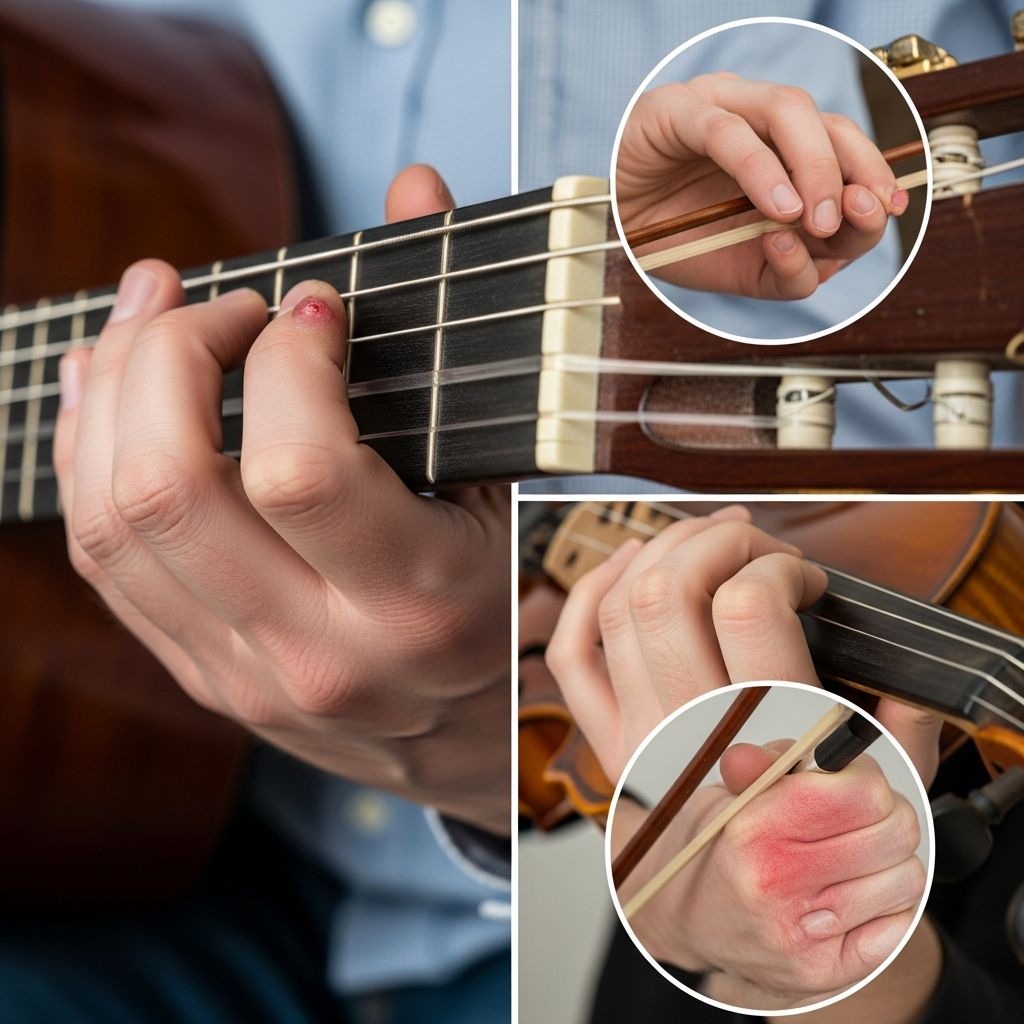
Professional musicians represent a distinct occupational group facing specific dermatological risks that frequently go unrecognized or mismanaged. The intimate and sustained contact between musical instruments and human skin creates conditions favorable for developing various skin disorders that can significantly impact both performance quality and overall health. Unlike many other professions where skin exposure may be incidental, musicians require prolonged and repetitive direct contact with their instruments as a fundamental aspect of their work.
The Scope of Occupational Skin Diseases Among Musicians
Instrumental musicians encounter an elevated prevalence of cutaneous conditions compared to the general population. The exact prevalence remains difficult to quantify due to limited comprehensive epidemiological studies, yet available research indicates alarmingly high rates of skin manifestations among professional performers. String instrumentalists, wind players, and percussionists represent the highest-risk categories, each facing distinct occupational hazards related to their specific instruments and playing techniques.
The significance of these conditions extends beyond aesthetic concerns. Skin diseases can substantially impair a musician’s ability to perform, directly affecting their career viability and income stability. Musicians often resist seeking medical attention due to concerns about missing performances or losing professional opportunities, potentially allowing minor conditions to develop into more severe complications.
Mechanical Trauma and Callosity Formation
Repeated physical trauma represents one of the most common mechanisms through which musicians develop skin pathology. The chronic mechanical stress of holding and playing instruments causes progressive changes to the outer layers of skin, leading to characteristic callus formation. String instrumentalists particularly experience this phenomenon on their fingertips and left hand where sustained pressure and friction occur during extended playing sessions.
Violinists frequently develop distinctive callosities known as Garrod’s pads on the dorsal surfaces of their left second and third fingers over the proximal interphalangeal joints. This condition results from years of accumulated pressure and frictional forces applied during normal playing technique. Similarly, percussion musicians develop callosities on their hands and fingers from gripping mallets and striking surfaces repeatedly.
Cellists face a particular variant of trauma-related skin condition affecting the thumb from utilizing the specialized “thumb position” technique required for higher register playing. Additionally, both cellists and violinists experience irritant contact dermatitis affecting the areas where instruments make contact with the chest, neck, and chin respectively.
While most musicians tolerate some degree of callus formation as an expected occupational consequence, certain cases become excessive or symptomatic, requiring intervention to prevent functional impairment.
Allergic Contact Dermatitis: Material-Specific Reactions
Beyond mechanical trauma, musicians encounter numerous chemical allergens integral to instruments and maintenance materials. Allergic contact dermatitis represents one of the most prevalent inflammatory skin conditions affecting performers. These reactions develop when skin comes into direct contact with specific substances that trigger an allergic immune response, even in individuals who may not have previously demonstrated sensitivity to these materials.
Metal Allergens in Instrumental Materials
Nickel stands as one of the most common causative allergens encountered by musicians. This metal appears in brass instruments, strings, and various instrumental fittings, causing allergic contact dermatitis on the fingers, hands, lips, and neck depending on the instrument type and playing position. String instrumentalists develop reactions on their fingers and hands where continuous contact occurs, while wind players experience dermatitis of the lips and neck from mouthpieces containing nickel.
Related Stories



The intensity of nickel exposure makes this metal a particularly problematic occupational hazard for musicians. Additional metallic allergens in instruments include cobalt, palladium, silver, and gold, though these occur with lower frequency than nickel-related reactions.
Wood and Resin Components
Exotic wood species used in instrument construction contain naturally occurring compounds that provoke allergic responses in susceptible musicians. Rosin, the material regularly applied to string instrument bows to facilitate vibration production, ranks among the most frequent causative agents of allergic contact dermatitis in string performers. This powdery substance adheres to hands and arms during playing, maintaining prolonged contact with skin that may remain damp from perspiration.
Specific wood compounds present occupational hazards for particular instrument types. The (R)-4-methoxydalbergione compound present in rosewood may trigger allergic responses specifically in violinists who regularly handle this material.
Additional Chemical Allergens
Musicians encounter diverse chemical irritants and allergens through instrument materials and maintenance practices:
- Cane reed used in woodwind instruments causes cheilitis (lip inflammation) particularly in saxophone players
- Propolis, a natural wax substance used to seal structural gaps in wooden instruments, generates allergic contact dermatitis in violin makers and players with repeated exposure
- Potassium dichromate, employed in harp skin tanning processes, causes allergic contact reactions in harpists
- Paraphenylenediamine used to polish instruments contributes to contact dermatitis among musicians handling polishing materials
Instrument-Specific Friction Dermatitis Syndromes
Beyond generalized contact dermatitis, musicians develop distinctive syndromes named after their instruments and the anatomical sites affected by chronic friction and occlusion.
Fiddler’s Neck
This condition affects violinists and violists due to sustained neck-to-instrument contact during extended playing sessions. The etiology involves multifactorial mechanical stress including friction, local pressure, shearing forces, and skin occlusion rather than classical allergic mechanisms. Reported prevalence among musicians reaches approximately 6% in some populations. Viola players demonstrate higher susceptibility than violinists due to the larger instrument size requiring increased neck pressure and contact surface area. Clinical manifestations include lichenification and hyperpigmentation of affected skin.
Cellist’s Conditions
Cello players experience irritant contact dermatitis at multiple anatomical sites where the large instrument makes sustained contact during proper playing position. Cellist’s chest results from the instrument pressing against the anterior chest wall, while cellist’s knee develops from contact between the lower cello body and the inside of the left thigh. These conditions typically manifest as localized irritation and inflammation in areas subject to combined pressure, friction, and moisture accumulation.
Wind Instrument-Related Conditions
Flautists develop flautist’s chin, an irritant contact dermatitis affecting the chin where wood or brass instruments contact skin during playing. Clarinet players experience clarinetist’s cheilitis affecting the lips and oral region from friction, pressure, stress, and skin occlusion caused by the mouthpiece.
Exacerbation of Pre-existing Skin Conditions
The intense physical demands of musical performance can trigger or substantially worsen pre-existing dermatological conditions unrelated to occupational exposure. Musicians with underlying eczema, psoriasis, urticaria, lichen planus, or hyperhidrosis may experience exacerbation when instrument contact irritates sensitive skin or when stress and sweat accumulation compromise the skin barrier.
Hyperhidrosis (excessive sweating) affects approximately 4% of musicians, with elevated prevalence among performers experiencing performance anxiety or playing instruments requiring sustained grip and pressure. The combination of moisture accumulation, heat from instrument contact, and friction creates optimal conditions for maceration of skin and increased penetration of allergens.
Prevention and Management Strategies
Early identification and intervention prevent minor skin conditions from progressing into performance-limiting complications. Musicians experiencing any new or worsening skin manifestation should seek dermatological evaluation, particularly occupational dermatologists familiar with musician-specific presentations.
Allergen Avoidance and Substitution
Once specific allergens are identified through patch testing, avoidance becomes the primary management strategy. Wind instrumentalists developing allergic dermatitis to nickel-containing mouthpieces should switch to alternatives composed of silver, gold, or plastic materials. Similarly, musicians allergic to rosin or other instrument components should explore hypoallergenic alternatives or protective barriers between skin and causative materials.
Technique Modification and Protective Equipment
Adjusting playing techniques to reduce mechanical trauma represents a key preventive measure. Musicians can work with teachers and coaches to minimize excessive pressure, optimize posture to distribute contact forces more evenly, and modify grip techniques that concentrate stress on specific areas. Protective barriers including specialized gloves, padding, or textile barriers between skin and instruments help minimize both mechanical trauma and chemical contact.
Skin Care and Maintenance
Regular cleansing to remove accumulated rosin, sweat, and debris helps prevent allergen buildup. Musicians should gently wash affected areas with mild cleansers and maintain skin hydration through appropriate moisturization, particularly after extended playing sessions. Maintaining healthy skin barrier function through proper hygiene and moisturization reduces penetration of allergens and irritants.
Diagnostic Approaches for Musician Skin Diseases
Accurate diagnosis requires specialized knowledge of occupational exposures and instrument-specific presentations. Patch testing identifies specific allergens responsible for contact dermatitis, enabling targeted avoidance strategies. Medical professionals should directly inquire about instrument type, playing duration, playing technique, and specific anatomical sites of skin involvement when evaluating musicians with cutaneous complaints.
Impact on Career and Quality of Life
Untreated skin conditions pose substantial occupational hazards for musicians, directly affecting their ability to maintain professional performance standards. Pain, inflammation, or visible skin manifestations may interfere with technique execution, alter grip quality, or reduce playing comfort. Musicians may reduce practice duration or performance frequency to accommodate skin symptoms, potentially compromising artistic development and income stability.
The psychological burden of visible skin conditions also affects musicians, particularly those performing before audiences. Performers may experience anxiety or self-consciousness about visible dermatitis, potentially impacting stage confidence and performance quality.
Risk Stratification Among Musicians
Certain instrument categories demonstrate higher prevalence of occupational skin diseases. String instrumentalists, wind players, and percussionists face the greatest documented risks. Within these categories, instrument-specific factors increase susceptibility—viola players develop fiddler’s neck more frequently than violinists, and musicians with pre-existing atopic conditions demonstrate heightened vulnerability to occupational dermatitis.
Future Research and Clinical Considerations
Despite the substantial impact of occupational skin diseases on musicians’ careers and quality of life, systematic research remains limited. Most published literature comprises case reports rather than controlled epidemiological studies, restricting understanding of true prevalence and optimal management strategies. Longitudinal studies tracking musicians throughout their careers would provide valuable data regarding natural disease progression and intervention effectiveness.
Occupational health professionals and dermatologists should recognize musicians as a distinct occupational group requiring specialized knowledge of instrument-specific exposures and presentations. Training programs should incorporate education regarding musician-specific skin conditions to improve diagnostic accuracy and appropriate management.
Conclusion
Musicians face a constellation of occupational skin diseases resulting from mechanical trauma, chemical allergen exposure, friction, and pressure associated with instrumental playing. These conditions range from asymptomatic callosity to disabling contact dermatitis significantly impairing performance capacity. Early recognition, specific allergen identification through appropriate testing, and implementation of prevention strategies including technique modification and protective measures enable musicians to maintain both dermatological health and professional performance standards. Heightened awareness among healthcare providers regarding musician-specific presentations, combined with direct collaboration between medical professionals and musicians, facilitates optimal outcomes in managing these distinctive occupational hazards.
References
- Skin diseases in musicians — PubMed Central/National Center for Biotechnology Information. 2015-04-15. https://pubmed.ncbi.nlm.nih.gov/25905552/
- Skin conditions in instrumental musicians — Wikimedia Foundation. Accessed 2026-02-23. https://en.wikipedia.org/wiki/Skin_conditions_in_instrumental_musicians
- Maladies and Melodies of the Skin: Exploring Music’s Role in Causing and Improving Cutaneous Disease — Dermatology and Therapy, Springer. 2020-06. https://thedermdigest.com/maladies-and-melodies-of-the-skin-exploring-musics-role-in-causing-and-improving-cutaneous-disease/
- Musician Health and Safety — Centers for Disease Control and Prevention. Accessed 2026-02-23. https://stacks.cdc.gov/view/cdc/188368/cdc_188368_DS1.pdf
- Instrument-related Skin Disorders in Musicians — Sage Journals/Dermatologic Surgery. 2023. https://journals.sagepub.com/doi/full/10.1097/DER.0000000000000153
- Musical Instruments Can Cause Contact Dermatitis Rash — National Eczema Association. 2024. https://nationaleczema.org/blog/musicians-risk-common-skin-condition/
Similar Articles








Read full bio of Sneha Tete