Dermatological Investigations And Tests: A Comprehensive Guide
Comprehensive guide to essential dermatological tests for accurate skin condition diagnosis and treatment monitoring.
An experienced dermatologist can frequently diagnose skin conditions through clinical examination alone. However, investigations become essential when the diagnosis is uncertain, to confirm suspected aetiologies, or to monitor treatment responses for systemic therapies. These tests encompass microbiology, histopathology, haematology, blood analyses, allergy assessments, and imaging modalities.
Introduction
Skin conditions often present with overlapping features, necessitating laboratory confirmation. Common specimens include skin swabs, scrapings, nail clippings, and biopsies. Blood tests assess systemic involvement, while allergy tests identify hypersensitivity reactions. Imaging is reserved for deeper or systemic evaluation. These investigations guide precise management, particularly for infections, inflammatory diseases, malignancies, and autoimmune disorders.
Patient preparation is crucial: avoid topical treatments on test sites, disclose medications, and follow instructions for fasting if required for blood work. Results interpretation requires correlation with clinical findings by specialists.
Microbiology
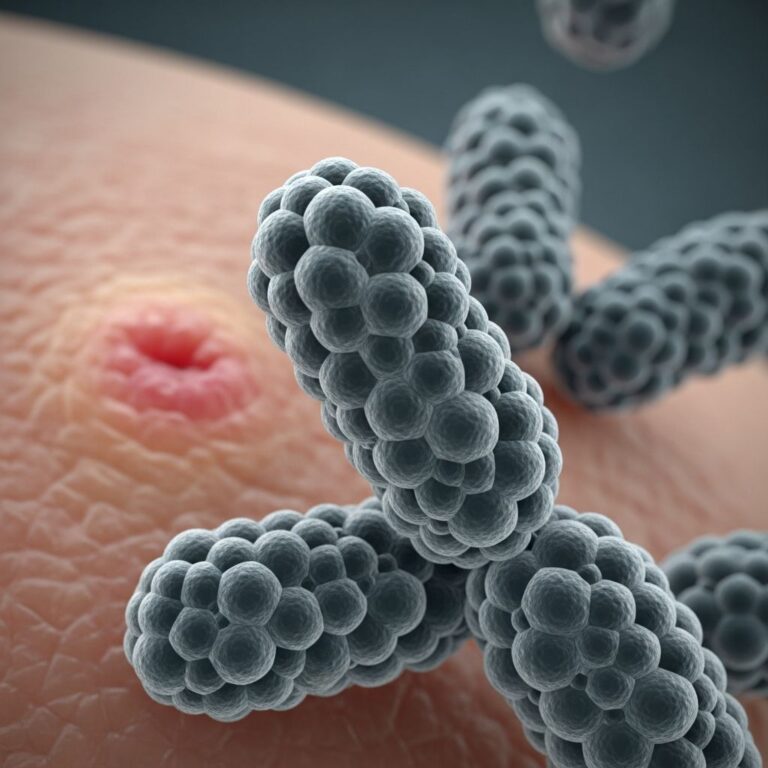
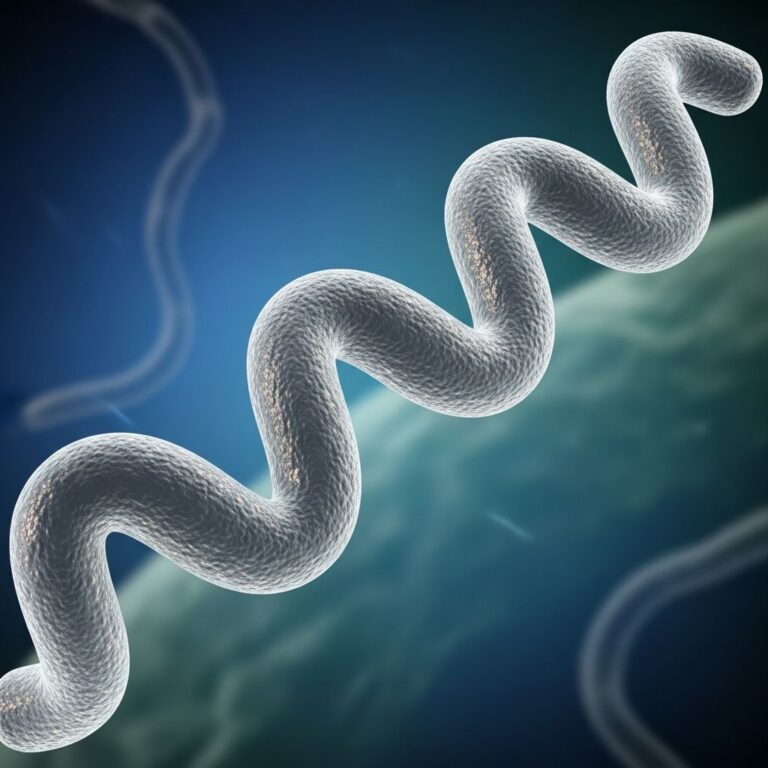
Microbiological tests detect bacterial, fungal, viral, or parasitic skin infections. Specimens are collected aseptically to prevent contamination.
- Skin swabs: Used for suspected bacterial infections like impetigo or cellulitis. Swab moistened with sterile saline, rubbed over the lesion, and sent for culture and sensitivity. Gram stain provides rapid preliminary results.
- Skin scrapings: Ideal for fungal infections (dermatophytes, candida). Scale from active lesion border scraped with a scalpel blade, placed on slide with 10-20% potassium hydroxide (KOH) for microscopy. Hyphae or spores confirm diagnosis. Also used for scabies (ink test or mineral oil prep).
- Nail clippings: For onychomycosis; proximal clippings preferred. Processed for microscopy, culture, or PCR.
- Hair plucks: For tinea capitis; examine for ectothrix/endothrix spores.
- Viral tests: Vesicular fluid for HSV/VZV PCR or Tzanck smear showing multinucleated giant cells.
Culture results take 24-72 hours for bacteria, longer for fungi. Molecular tests like PCR offer faster, higher sensitivity.
Histopathology
Skin biopsy is the gold standard for definitive diagnosis of inflammatory, neoplastic, or vasculopathic conditions. It involves microscopic examination of tissue architecture and cellular details.
- Punch biopsy: 3-6mm disposable punch for small lesions. Local anaesthetic, ellipse excision, sutured. Preferred for most inflammatory dermatoses.
- Shave biopsy: Superficial blade shave for raised lesions like seborrhoeic keratoses. No sutures needed.
- Incisional/excisional biopsy: For large lesions or suspected melanoma; full thickness removal with margins.
- Processing: Fixed in formalin, embedded in paraffin, sectioned, stained (H&E routine; special stains for organisms, immunofluorescence for autoimmune blistering diseases).
Reports describe epidermis, dermis, subcutis; identify inflammation type (lymphocytic, neutrophilic), neoplasms, etc. Turnaround 1-2 weeks. Correlation with clinical data essential.
Haematology
Full blood count (FBC) screens for anaemia, infection, or malignancy-associated changes.
- Indications: Erythroderma, exfoliative dermatitis, lymphoma suspicion. Eosinophilia suggests parasitic, allergic conditions.
- Key findings: Leucocytosis in infection; thrombocytopenia in vasculitis or drug reactions.
Other Blood Tests
Biochemical and immunological tests evaluate systemic involvement.
| Test | Indications | Key Abnormalities |
|---|---|---|
| Liver function tests (LFTs) | Drug monitoring (methotrexate), hepatitis | Elevated transaminases |
| Renal function (U&E) | Systemic therapy monitoring | Creatinine elevation |
| Autoantibodies (ANA, ENA) | Lupus, dermatomyositis | Positive ANA |
| BP180/230 (ELISA) | Bullous pemphigoid | Elevated antibodies |
| Anti-desmoglein 1/3 | Pemphigus | Specific IgG |
Other tests include vitamin D, ferritin, thyroid function, based on presentation.
Allergy Tests
Identify type I (immediate) or IV (delayed) hypersensitivity.
- Skin prick testing: For IgE-mediated allergies (urticaria, atopic dermatitis). Allergens dropped, pricked; wheal at 15-20min positive.
- Intradermal testing: More sensitive for drugs, venoms.
- Patch testing: Gold standard for contact dermatitis. 48 allergens on Finn chambers, applied 48h, read at 96h. Relevant positives guide avoidance. Indicated for chronic eczema. Patient prep: no irritants 1 week prior.
- Serum specific IgE (RAST): Alternative to skin prick if contraindicated.
Imaging
Not routine in dermatology but vital for staging malignancies or systemic disease.
- X-rays: Bone involvement in melanoma metastasis.
- Ultrasound: Lymph node assessment, hidradenitis suppurativa.
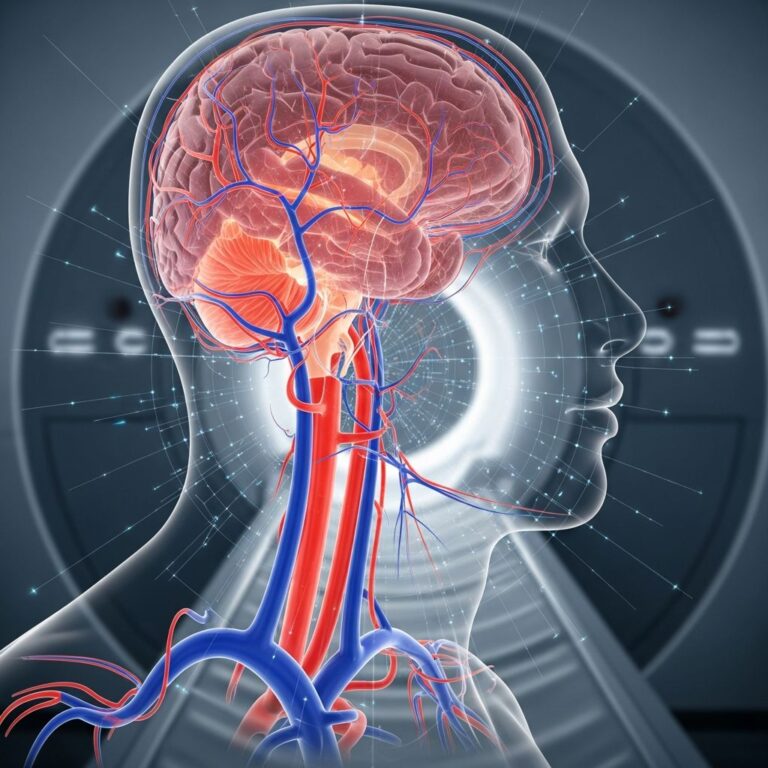
- CT/MRI: Deep tumours, neurological symptoms.
- Wood’s light: Hypopigmentation (tinea versicolor fluoresces), porphyrins.
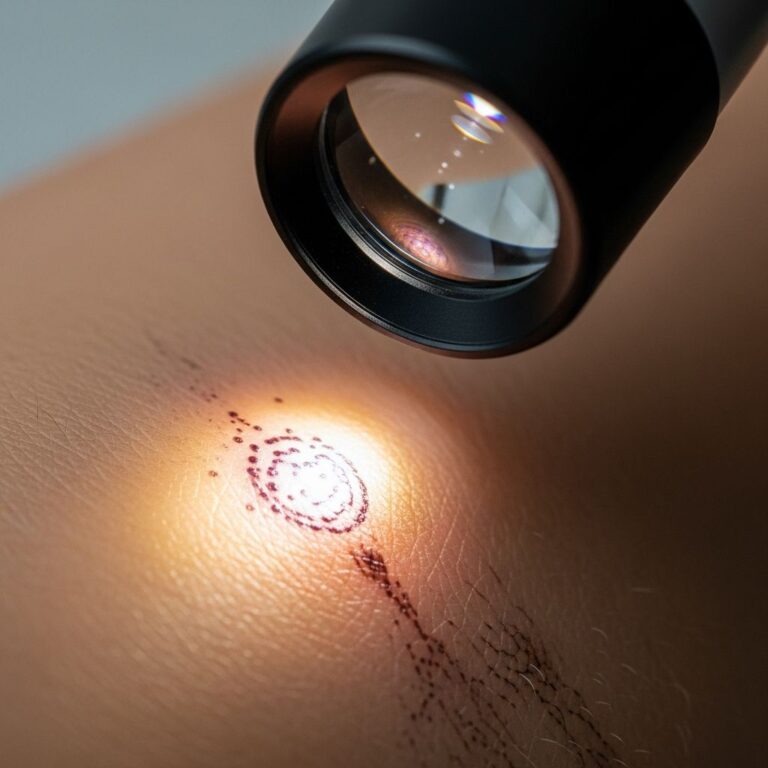
- Dermoscopy: Enhances melanoma diagnosis non-invasively.
Related Stories



For melanoma: PET-CT, sentinel lymph node biopsy.
Frequently Asked Questions (FAQs)
What preparation is needed for a skin biopsy?
Avoid aspirin/NSAIDs 7-10 days prior to reduce bleeding risk. Inform of anticoagulants.
How painful are patch tests?
Mildly uncomfortable; tape may irritate. Reactions peak day 4.
When is blood testing indicated in skin disease?
Suspected systemic involvement, e.g., connective tissue disease, infection.
Can imaging diagnose skin cancer?
No, but stages it; biopsy confirms.
How long for microbiology results?
Bacteria: 48h; fungi: weeks.
This comprehensive overview ensures timely diagnosis. Consult dermatologists for personalized advice.
References
- Dermatological investigations and tests — DermNet NZ. 2023-10-15. https://dermnetnz.org/topics/dermatological-investigations-and-tests
- Diagnostic Tests for Skin Disorders — Merck Manuals Professional Edition. 2024-05-01. https://www.merckmanuals.com/professional/dermatologic-disorders/approach-to-the-dermatologic-patient/diagnostic-tests-for-skin-disorders
- A Comprehensive Guide to Total Body Skin Exams — Dr. Scott Lim DO. 2024-02-20. https://www.drscottlim.com/blog/a-comprehensive-guide-to-total-body-skin-exams-what-to-expect-and-why-they-matter
- Dermatological guide for primary care physicians — PMC (NCBI). 2024-06-12. https://pmc.ncbi.nlm.nih.gov/articles/PMC11188824/
- Investigations — Primary Care Dermatology Society (PCDS). 2023-11-08. https://www.pcds.org.uk/investigations
Similar Articles








Read full bio of Sneha Tete