Dermatologists: Specialized Skin Care Doctors
Understanding dermatology: Experts in skin, hair, and nail health care.
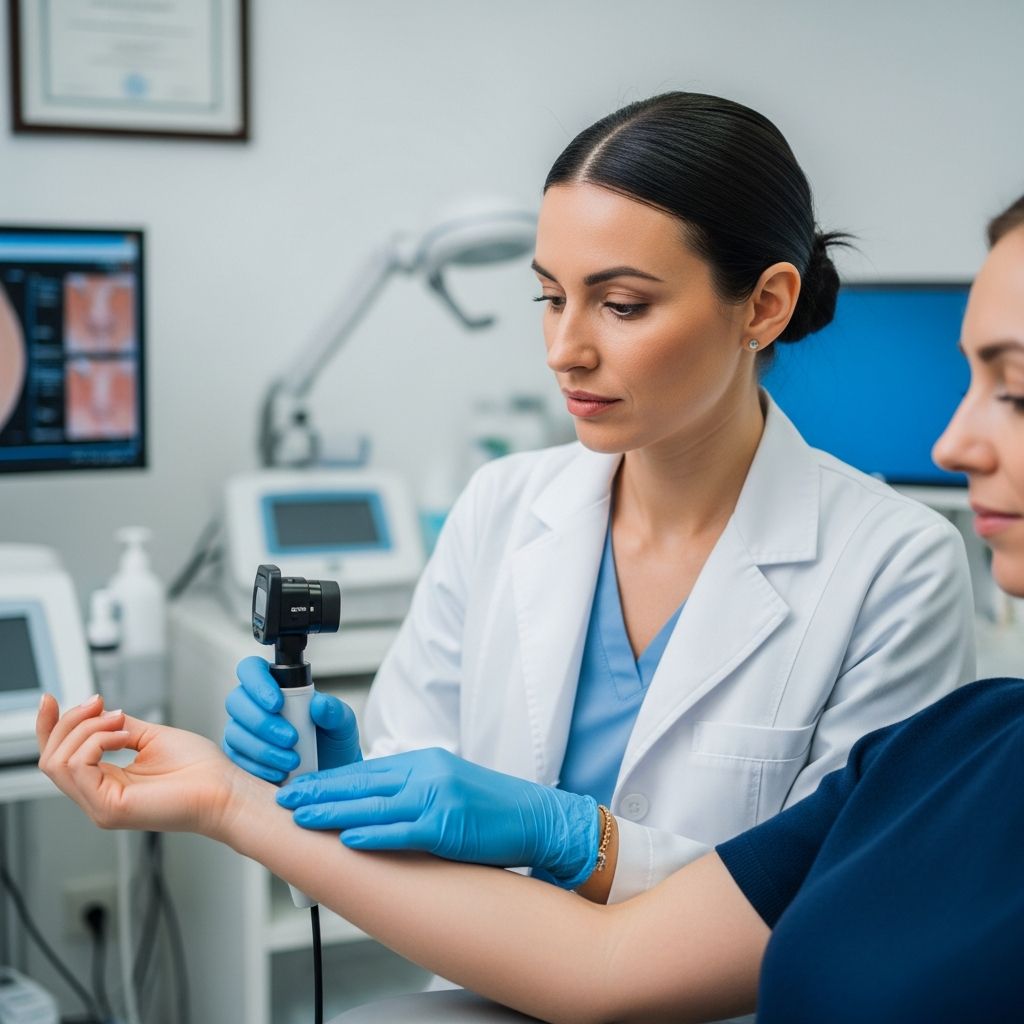
Dermatologists are medical doctors who specialize in the diagnosis and treatment of diseases and conditions affecting the skin, hair, nails, and mucous membranes. These highly trained healthcare professionals play a crucial role in maintaining and improving the health of your largest organ—your skin. Whether you’re dealing with acne, signs of aging, or more serious skin conditions, dermatologists possess the expertise and knowledge necessary to provide effective treatment and care tailored to your specific needs.
Who Are Dermatologists?
Dermatologists are licensed medical doctors who have completed extensive education and specialized training in dermatology. After earning their medical degree, dermatologists undergo additional years of residency training focused specifically on the diagnosis and treatment of skin conditions. This rigorous training equips them with comprehensive knowledge of skin biology, disease processes, and the most effective treatment approaches.
These specialists are board-certified physicians who are recognized by their peers as having met the highest standards of medical education and clinical competency in their field. Their expertise extends far beyond simply treating common skin problems; they are equipped to manage complex dermatological conditions, perform specialized procedures, and advise patients on maintaining optimal skin health throughout their lives.
What Do Dermatologists Treat?
Dermatologists have expertise in caring for and treating a wide range of conditions affecting the skin, hair, nails, and mucous membranes. Their scope of practice is remarkably broad, encompassing both medical and cosmetic concerns. Understanding the full range of conditions dermatologists treat can help you determine whether a dermatological consultation might benefit your specific situation.
Skin Conditions
Dermatologists are experts in diagnosing and treating numerous skin diseases and disorders. Among the most common conditions they address are:
- Acne and acne-related disorders
- Eczema and dermatitis
- Psoriasis and other inflammatory skin conditions
- Rosacea and facial flushing disorders
- Bacterial and fungal skin infections
- Viral skin infections, including herpes and warts
- Melanoma and other skin cancers
- Moles and suspicious skin growths
- Age spots and pigmentation disorders
- Hives and allergic reactions
Hair and Scalp Conditions
Hair loss and scalp problems are another important area of dermatological expertise. Dermatologists diagnose and treat conditions such as androgenetic alopecia (male and female pattern hair loss), alopecia areata, telogen effluvium, and various scalp infections. They can prescribe medications and recommend treatments to help restore hair growth or manage hair loss effectively.
Nail Disorders
Dermatologists also specialize in treating conditions affecting the nails, including fungal nail infections, nail psoriasis, nail dystrophy, and other nail abnormalities. These conditions can be challenging to treat and require the specialized knowledge that dermatologists possess.
Cosmetic and Aesthetic Concerns
Beyond treating medical conditions, dermatologists manage cosmetic concerns and can help patients achieve their aesthetic goals. They handle scars, including acne scars, surgical scars, and traumatic scars, using various treatment approaches. Additionally, dermatologists address signs of aging, including fine lines, wrinkles, and loss of skin elasticity through both non-invasive and minimally invasive procedures.
Specialized Training and Credentials
The path to becoming a dermatologist requires significant educational commitment. After completing medical school, aspiring dermatologists complete a residency program that typically lasts three years, during which they receive intensive training in all aspects of dermatology. Many dermatologists pursue additional fellowship training to subspecialize in areas such as pediatric dermatology, dermatologic surgery, or cosmetic dermatology.
Board certification through the American Board of Dermatology demonstrates that a dermatologist has met rigorous standards for knowledge and competency. This certification requires passing comprehensive examinations and maintaining continuing medical education throughout their career. When selecting a dermatologist, you can verify their credentials and board certification status through various medical databases and licensing boards.
When Should You See a Dermatologist?
Knowing when to consult a dermatologist can help ensure you receive appropriate care for skin concerns. You should consider seeing a dermatologist if you experience any of the following:
- Persistent acne that doesn’t respond to over-the-counter treatments
- Unusual skin growths, moles, or changes in existing moles
- Chronic or severe dry skin, eczema, or psoriasis
- Hair loss or changes in hair growth patterns
- Nail problems or infections
- Skin infections that don’t improve with basic care
- Cosmetic concerns, including scars or signs of aging
- Family history of skin cancer or unusual skin conditions
- Reactions to skincare products or cosmetics
- Any concerning changes in your skin that persist for more than a few weeks
Common Dermatological Procedures
Dermatologists perform numerous procedures to treat various skin conditions and address cosmetic concerns. These procedures range from simple in-office treatments to more complex surgical interventions. Common procedures include:
Non-Invasive Treatments
Non-invasive procedures offered by dermatologists include chemical peels to address skin texture and pigmentation, laser therapy for hair removal and skin rejuvenation, and microdermabrasion for skin resurfacing. These treatments can improve skin appearance and address various skin concerns with minimal downtime.
Injectable Treatments
Many dermatologists administer injectable treatments such as botulinum toxin and dermal fillers to reduce the appearance of wrinkles and restore facial volume. These treatments are popular for addressing signs of aging and require precise application and aesthetic judgment to achieve natural-looking results.
Surgical Procedures
Dermatologic surgeons perform procedures including mole and skin lesion removal, scar revision, and treatment of skin cancers. These procedures require precise surgical technique and an understanding of dermatologic pathology to ensure optimal outcomes and minimize scarring.
The Importance of Regular Skin Checks
One of the most important recommendations from dermatologists is the need for regular skin examinations, particularly for individuals with risk factors for skin cancer. Dermatologists recommend monthly self-examinations of your skin using the ABCDE method to identify potentially concerning moles or growths. Additionally, an annual comprehensive skin examination performed by a dermatologist can detect skin cancer and other conditions in their earliest stages when treatment is most effective.
Early detection of skin cancer dramatically improves treatment outcomes and survival rates. Dermatologists are trained to recognize the subtle signs of melanoma and other skin cancers that might escape notice during self-examination. This preventive approach to dermatological care can be literally lifesaving.
Dermatological Approach to Skincare
Dermatologists emphasize that effective skincare extends beyond using expensive products. A dermatologist-recommended skincare routine is tailored to your specific skin type and concerns. The foundation of good skincare includes gentle cleansing, appropriate moisturization, and rigorous sun protection.
Dermatologists stress the importance of using products with scientifically-backed ingredients rather than relying on marketing claims or price points. They recommend introducing new skincare products gradually and patch-testing them to avoid adverse reactions. For individuals with specific skin concerns such as acne, sensitivity, or signs of aging, dermatologists can recommend targeted treatments and products that will be most beneficial.
Additionally, dermatologists emphasize that skincare from the inside out is equally important. Adequate sleep, stress management, a balanced diet rich in antioxidants and omega-3 fatty acids, and avoiding smoking all contribute significantly to healthy, youthful-looking skin. Dermatologists take a holistic approach to skin health, understanding that external treatments work best when combined with healthy lifestyle choices.
Choosing the Right Dermatologist
Selecting the right dermatologist for your needs is an important decision. Consider the following factors when choosing a dermatologist:
- Board certification in dermatology
- Specialization in areas relevant to your concerns
- Insurance acceptance and accessibility
- Communication style and patient-centered approach
- Experience treating your specific condition
- Availability for appointments
- Hospital or clinic affiliations
- Patient reviews and recommendations
Don’t hesitate to ask potential dermatologists about their credentials, experience, and treatment approach. A good dermatologist will take time to listen to your concerns, explain your condition, and discuss treatment options that align with your goals and preferences.
Frequently Asked Questions
What is the difference between a dermatologist and an aesthetician?
Dermatologists are licensed medical doctors with specialized training in diagnosing and treating skin diseases. Aestheticians are trained professionals who provide skincare services but are not medical doctors and cannot diagnose conditions or prescribe medications. Dermatologists can diagnose skin conditions and recommend appropriate medical treatments, while aestheticians provide cosmetic skincare services.
Can dermatologists prescribe medications?
Yes, dermatologists are licensed physicians who can prescribe both topical and oral medications to treat various skin conditions. They can prescribe antibiotics for infections, retinoids for acne and aging, immunosuppressants for inflammatory conditions, and other medications as appropriate for your specific condition.
How often should I see a dermatologist?
The frequency of dermatological visits depends on your individual needs and skin conditions. Individuals without significant skin concerns may benefit from an annual checkup. Those with chronic conditions such as acne or psoriasis may require more frequent visits. People with a history of skin cancer or significant risk factors should see a dermatologist at least annually, and potentially more frequently as recommended.
Is it normal to try different dermatologists?
Yes, finding a dermatologist whose approach aligns with your preferences and needs is important. If you’re not satisfied with your current dermatologist, it’s perfectly acceptable to seek a second opinion or switch providers. Good communication and trust between you and your dermatologist are essential for optimal outcomes.
Can dermatologists treat skin conditions in children?
Yes, many dermatologists treat patients of all ages, including children and infants. Some dermatologists specialize specifically in pediatric dermatology and have additional training in treating skin conditions unique to children. If your child has a skin concern, ask your primary care physician for a referral to a pediatric dermatologist.
References
- What is a dermatologist & what do they treat? — Cleveland Clinic. 2024. https://my.clevelandclinic.org/health/articles/12165-dermatologists-skin-care-doctors
- Skin Care Routine: A Step-by-Step Guide — Cleveland Clinic Health. 2024. https://health.clevelandclinic.org/what-products-do-i-actually-need-for-a-simple-everyday-skin-care-routine
- Understanding Skin Types — Cleveland Clinic Health. 2024. https://health.clevelandclinic.org/understanding-skin-types
- 10 Skin Care Tips From a Dermatologist — Cleveland Clinic Health. 2024. https://health.clevelandclinic.org/skin-care-tips
- Updating your Skincare Routine for Summer — Cleveland Clinic News Service. 2025. https://newsroom.clevelandclinic.org/2025/06/24/updating-your-skincare-routine-for-summer
Similar Articles








Read full bio of Sneha Tete