Specialized Dermatology Care for Melanin-Rich Skin
Understanding unique skin conditions and treatment approaches for people of color
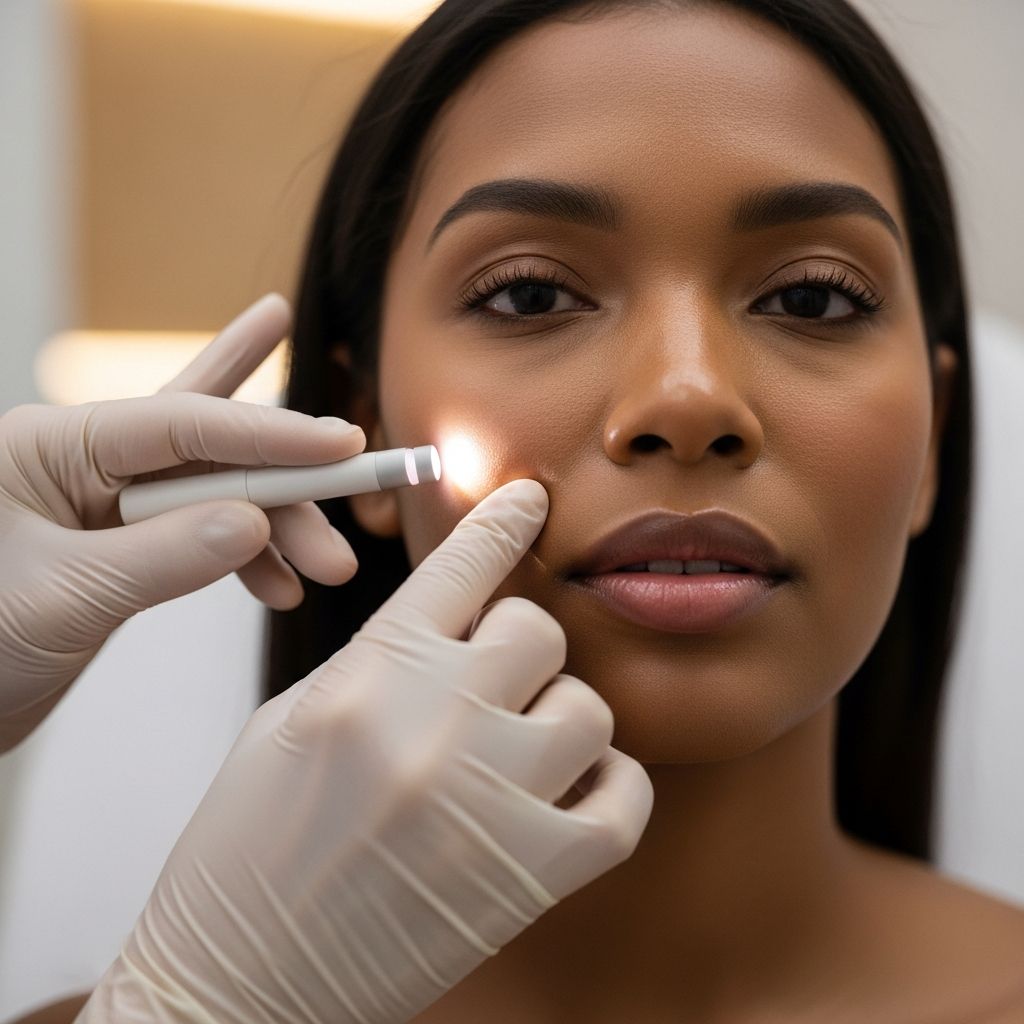
Dermatological health represents a critical yet often overlooked aspect of healthcare for individuals with melanin-rich skin. While skin conditions affect people across all ethnicities, those with darker skin tones frequently experience distinct presentations, complications, and diagnostic challenges that require specialized knowledge and treatment approaches. Understanding these unique characteristics has become increasingly important as medical professionals recognize the gaps in dermatological training and representation within the healthcare system.
The Distinctive Nature of Melanin-Rich Skin Conditions
Individuals with melanin-rich skin encounter a unique constellation of dermatological challenges that differentiate their experiences from those with lighter skin tones. These conditions often present differently, progress at varying rates, and respond distinctly to standard treatments. The fundamental difference lies in the increased concentration and activity of melanocytes—pigment-producing cells naturally present in higher numbers within darker skin.
The consequences of this biological difference extend far beyond aesthetic concerns. When inflammatory conditions or injuries occur, the skin’s enhanced melanin production can lead to prolonged discoloration and other complications. Additionally, certain treatment modalities that prove effective for lighter skin tones may actually cause adverse reactions or worsening of symptoms in melanin-rich skin, necessitating alternative approaches developed specifically for these populations.
Common Presentations in Melanin-Rich Skin
Post-Inflammatory Hyperpigmentation and Discoloration
One of the most frequently encountered concerns for individuals with melanin-rich skin involves persistent dark spots and uneven skin tone following inflammatory events. When acne lesions, eczema flares, or other skin injuries occur, the body’s natural healing response can trigger excess melanin production in the affected areas. Unlike lighter skin types where these marks may fade within weeks, individuals with melanin-rich skin often experience discoloration that persists for months or even years.
This post-inflammatory hyperpigmentation represents not merely a cosmetic issue but a significant source of psychological distress. Research indicates that 57.4% of surveyed individuals of color with skin conditions reported that their dermatological concerns negatively affected their mental health. The visibility and persistence of these marks can impact self-esteem, social interactions, and overall quality of life, making early intervention and prevention strategies particularly important.
Melasma: The Complex Pigmentation Disorder
Melasma exemplifies a condition that disproportionately affects individuals with melanin-rich skin, particularly women. This condition results in symmetric patches of hyperpigmentation, typically appearing on the face, including the cheeks, forehead, bridge of the nose, and upper lip. Often called the “mask of pregnancy,” melasma frequently develops or worsens during hormonal fluctuations associated with pregnancy, oral contraceptive use, or hormone replacement therapy.
The development of melasma involves multiple contributing factors beyond hormonal changes. Ultraviolet and visible light exposure from solar radiation stimulates melanocyte activity, triggering increased melanin production and deposition within the dermal layer. The unpredictable nature of melasma creates significant challenges for patients, as some individuals experience spontaneous resolution within weeks, while others struggle with persistent discoloration lasting years despite aggressive treatment.
Scarring and Keloid Formation
Individuals with melanin-rich skin demonstrate a heightened predisposition toward abnormal scar formation, particularly keloid development. Unlike hypertrophic scars that remain confined to the original wound margins, keloids extend beyond the initial injury site, forming raised, sometimes tender scar tissue. This increased susceptibility to keloid formation extends beyond obvious traumatic injuries to include complications from minor procedures such as ear piercing, surgical interventions, or even severe acne.
Related Stories



The management of keloid scarring presents unique therapeutic challenges. Standard scar treatments developed for lighter skin tones frequently prove less effective or may create additional complications. Early recognition and aggressive management of conditions that might lead to scarring become essential preventive strategies for individuals with melanin-rich skin.
Diagnostic and Treatment Disparities
Knowledge Gaps in Medical Education
A fundamental barrier to equitable dermatological care involves insufficient training in the recognition and management of skin conditions as they present in melanin-rich skin. Dermatology textbooks and medical literature have historically featured predominantly lighter skin tones in case studies and clinical examples, leaving practitioners with limited resources for understanding how conditions manifest differently in melanin-rich populations.
This educational deficit creates cascading consequences throughout the healthcare system. Practitioners without adequate exposure to diverse presentations may fail to recognize early stages of common conditions, leading to delayed diagnoses and missed treatment opportunities. Conditions such as eczema and psoriasis frequently present as ashy or darker patches rather than the characteristic redness seen in lighter skin, potentially resulting in misdiagnosis or complete failure to identify the condition.
Representation Crisis in Dermatology
The lack of diverse representation within the dermatology workforce compounds educational limitations. Black dermatologists comprise only 3% of practicing dermatologists in the United States, while Hispanic dermatologists represent approximately 4.2% of the specialty. This underrepresentation creates a two-fold problem: patients of color have limited access to providers with lived experience understanding their skin conditions, and the profession lacks the diverse perspective necessary to advance knowledge and treatment innovation.
Furthermore, the visual representation of skin conditions in dermatology social media, clinical trials, and professional publications remains predominantly focused on lighter skin tones. This scarcity of diverse imagery may discourage individuals of color from seeking dermatological care, thereby prolonging both their untreated skin conditions and associated psychological burden.
Complications from Improper Treatment Administration
The consequences of inadequate training extend beyond diagnostic errors to encompass treatment-related complications. Cosmetic procedures such as chemical peels and laser hair removal, when performed improperly on melanin-rich skin, can trigger inflammatory responses that paradoxically darken the skin rather than achieving the intended therapeutic outcome.
Dermatologists report seeing patients who have experienced iatrogenic complications from procedures administered by less-trained practitioners at medispas or even dermatologists without specialized knowledge of melanin-rich skin management. These botched treatments often require corrective interventions and may result in permanent damage, highlighting the critical importance of seeking care from providers with documented expertise in managing diverse skin types.
Evidence-Based Treatment Approaches
Managing Melasma Comprehensively
Effective melasma treatment requires a multifaceted approach that addresses both the overproduction of melanin and environmental triggers. Topical therapies typically focus on inhibiting melanocyte activity, with hydroquinone remaining a cornerstone treatment at concentrations of 2-4%. However, practitioners must exercise caution with higher concentrations, as excessive hydroquinone use can lead to ochronosis—a paradoxical darkening and blue-gray discoloration of the skin.
Strict photoprotection represents an equally critical component of melasma management. Daily sunscreen application with broad-spectrum protection must become a non-negotiable habit, as even minimal sun exposure can perpetuate or worsen melasma despite topical treatments. Combination therapies that pair pharmacological agents with consistent sun protection offer the most promising outcomes, though even aggressive management may require extended periods to achieve improvement.
Preventing and Managing Post-Inflammatory Hyperpigmentation
The most effective strategy for addressing post-inflammatory hyperpigmentation involves prevention through early and aggressive treatment of underlying inflammatory conditions. For acne-prone individuals with melanin-rich skin, prompt intervention at the first sign of lesions becomes particularly important. Avoiding skin picking and manipulation—though challenging—significantly reduces the intensity and duration of resulting hyperpigmentation.
Once hyperpigmentation develops, topical depigmenting agents and procedures such as carefully administered laser treatments by experienced providers may help accelerate resolution. However, the approach must remain conservative and individualized, as aggressive interventions carry risk of worsening discoloration.
Addressing Scarring and Keloid Prevention
Given the heightened predisposition toward keloid formation in melanin-rich skin, prevention strategies deserve emphasis equal to or exceeding that given to treatment. Minimizing skin trauma through careful wound care, avoiding unnecessary surgical procedures, and managing inflammatory conditions aggressively can reduce keloid incidence. When procedures prove necessary, consultation with dermatologists experienced in managing melanin-rich skin becomes essential.
The Psychosocial Impact of Untreated Skin Conditions
Beyond physical manifestations, dermatological conditions in individuals with melanin-rich skin create substantial psychological burden. The visibility of post-inflammatory hyperpigmentation, melasma, and other condition-related changes can profoundly impact body image, social confidence, and mental health. Survey data demonstrates that nearly 80% of individuals of color reported experiencing moderate to severe skin conditions, with more than half identifying negative mental health impacts.
This psychosocial dimension underscores the importance of destigmatizing dermatological care and ensuring that treatment addresses not only physical symptoms but also emotional well-being. Providers should recognize that skin-related concerns in melanin-rich populations extend beyond cosmetic considerations to encompass meaningful impacts on quality of life and psychological health.
Building Culturally Competent Dermatological Care
Advancing equitable dermatological outcomes requires systemic changes across medical education, clinical practice, and research. Medical schools and dermatology residency programs must expand their curricula to include comprehensive training in recognizing and managing conditions as they present in melanin-rich skin. Textbooks and clinical resources should feature diverse skin tones in case studies and photographic examples.
Clinical practice must evolve to incorporate culturally sensitive approaches that acknowledge unique presentations and tailor treatments accordingly. This includes staying informed about specialized techniques, maintaining awareness of potential complications specific to melanin-rich skin, and acknowledging knowledge limitations when appropriate.
Research initiatives must prioritize diverse representation in clinical trials, ensuring that treatment efficacy and safety data reflect outcomes in varied populations. Increasing diversity within the dermatology workforce through recruitment, mentorship, and support of practitioners of color remains essential to transforming the specialty.
Frequently Asked Questions
Why does post-inflammatory hyperpigmentation last longer in melanin-rich skin?
Melanin-rich skin contains higher concentrations of melanocytes and exhibits heightened melanin production in response to inflammation. This biological characteristic means that inflammatory triggers activate a more robust pigment-producing response, resulting in more intense and persistent discoloration compared to lighter skin types.
Can melasma be permanently cured?
Melasma represents a chronic condition with unpredictable behavior. While some individuals experience spontaneous resolution, others struggle with persistent discoloration despite treatment. Long-term management focuses on controlling symptoms through maintenance therapy rather than achieving permanent cure.
Are all laser treatments unsafe for melanin-rich skin?
Laser treatments are not inherently unsafe for melanin-rich skin but require administration by practitioners with specialized training. Improper laser parameters can cause complications including worsening hyperpigmentation. Selection of appropriate wavelengths and settings by experienced providers can enable safe and effective laser treatment.
How can I find a dermatologist experienced with melanin-rich skin?
Seek dermatologists who explicitly state experience treating diverse skin tones, have published research or educational content on skin of color, or maintain active involvement with professional organizations focused on dermatological disparities. Patient testimonials and referrals from community healthcare providers can also guide selection.
What is the importance of sunscreen for melanin-rich skin?
While melanin provides natural UV protection greater than lighter skin types, additional sun protection remains crucial for preventing conditions like melasma and managing existing hyperpigmentation. Daily broad-spectrum sunscreen application protects against both UVA and UVB radiation and helps prevent disease progression.
Building Your Personalized Skincare Strategy
Effective management of dermatological conditions in melanin-rich skin requires a partnership between informed patients and knowledgeable healthcare providers. Individuals should become proactive advocates for their skin health by recognizing early signs of conditions, understanding their unique risk factors, and seeking care from providers with demonstrated expertise in managing melanin-rich skin.
Consistency in at-home care routines, adherence to prescribed treatments, and regular dermatological monitoring form the foundation of optimal outcomes. By combining evidence-based medical interventions with supportive self-care practices, individuals with melanin-rich skin can achieve healthier skin and improved overall well-being.
The field of dermatology continues evolving toward greater inclusivity and cultural competence. As awareness of existing disparities grows and more practitioners develop specialized expertise, access to equitable, high-quality dermatological care for melanin-rich skin will expand, ultimately improving health outcomes and quality of life for all individuals regardless of skin tone.
References
- Lifelong Healthy Skin: Unique Challenges for Skin of Color — Peace MD. Accessed February 23, 2026. https://www.peacemd.com/skin-of-color-dermatologist/
- How These 4 Skin Conditions Impact People of Color — Keck Medicine of USC. Accessed February 23, 2026. https://www.keckmedicine.org/blog/how-these-4-skin-conditions-impact-people-of-color/
- Why Skin Issues in Patients of Color are Neglected, Mistreated — Cedars-Sinai. Accessed February 23, 2026. https://www.cedars-sinai.org/newsroom/why-skin-issues-in-patients-of-color-are-neglected-mistreated/
- Recognizing Common Skin Conditions on Diverse Skin Tones — U.S. Dermatology Partners. Accessed February 23, 2026. https://www.usdermatologypartners.com/blog/recognizing-common-skin-conditions-on-diverse-skin-tones/
- Skin Disorders and Psychosocial Impact in People of Color — Medical Central. Accessed February 23, 2026. https://www.medcentral.com/dermatology/skin-disorders-and-psychosocial-impact-in-people-of-color
- Challenging Cases in Skin of Color Dermatology Patients — Skin of Color Update. Accessed February 23, 2026. https://skinofcolorupdate.com/challenging-cases-in-skin-of-color-dermatology-patients/
- Racial Disparities in Dermatology — National Center for Biotechnology Information (NIH). Accessed February 23, 2026. https://pmc.ncbi.nlm.nih.gov/articles/PMC9743121/
Similar Articles








Read full bio of medha deb