Dermatopathology: Comprehensive Guide To Skin Disease Diagnosis
Expert microscopic analysis of skin biopsies to diagnose diseases from rashes to skin cancers accurately.
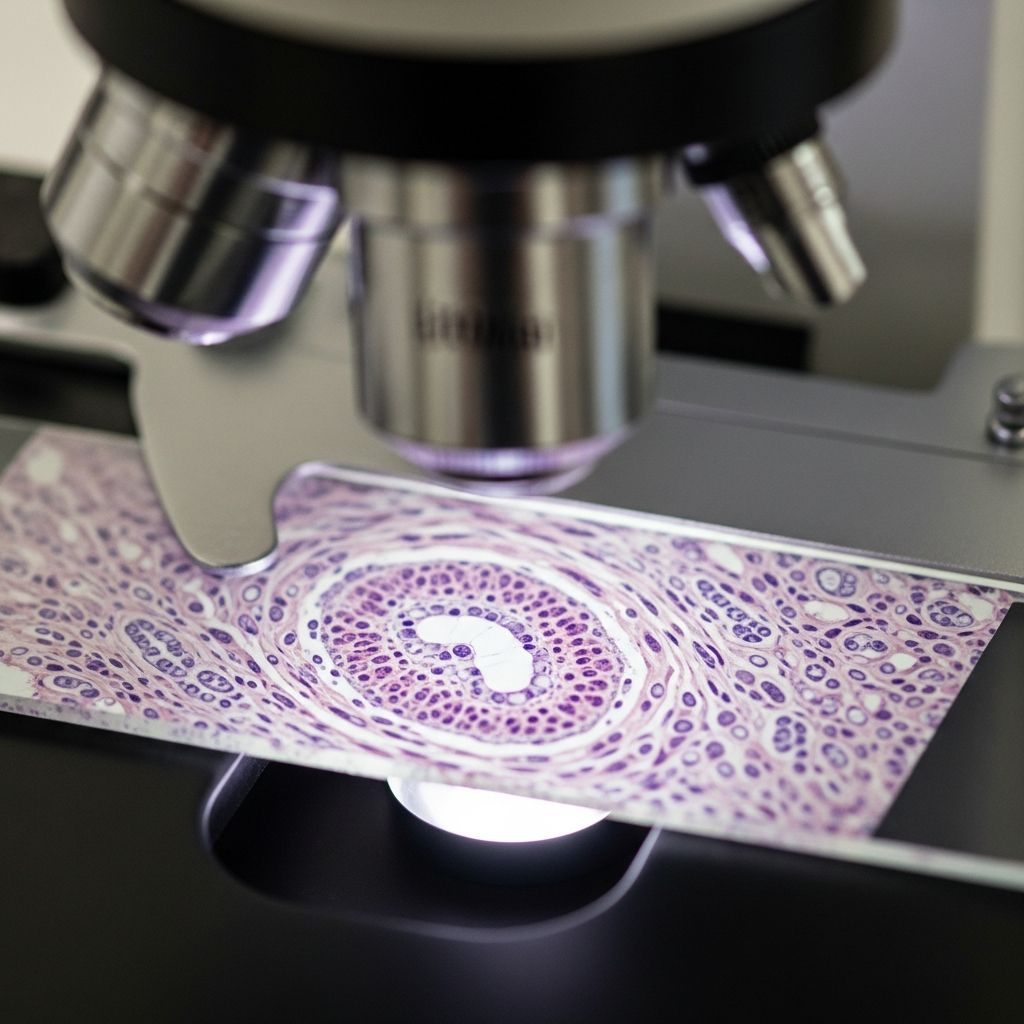
Dermatopathology is a subspecialty bridging dermatology and pathology, involving the microscopic examination, description, and interpretation of skin biopsy specimens to diagnose cutaneous diseases at cellular and molecular levels.
Introduction
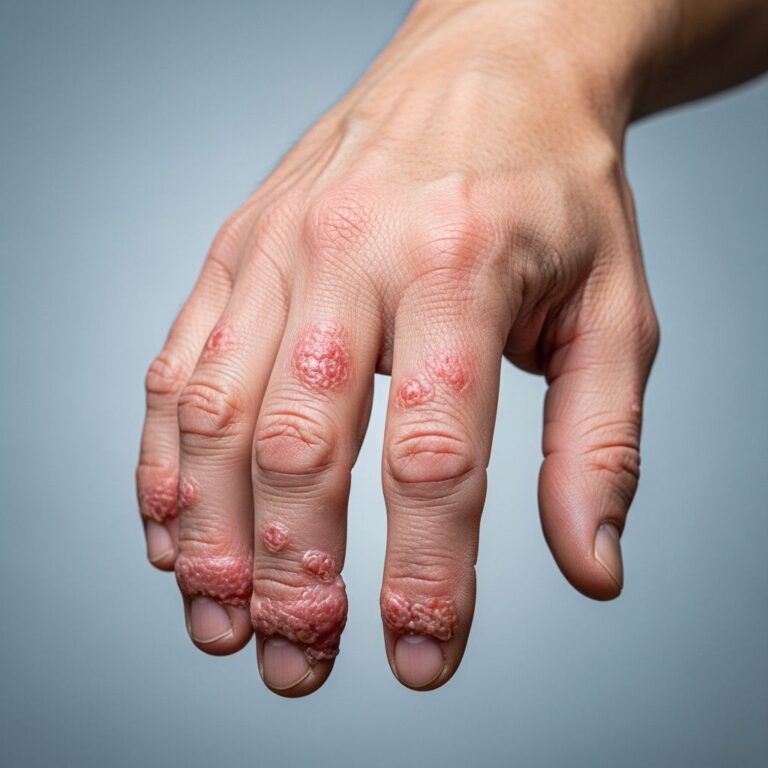
Dermatopathology systematically studies over 1500 skin disorders, including rashes, neoplasms like melanoma, and non-cancerous conditions such as vitiligo and impetigo. Dermatopathologists, trained in both dermatology and pathology, integrate clinical history with histological findings for precise diagnoses. This field, pioneered by Gustav Simon in 1848 with his textbook Die Hautkrankheiten durch anatomische Untersuchungen erläutert, demands broad knowledge of clinical dermatology and related medical specialties.
Unlike general pathology, dermatopathology focuses exclusively on skin, hair, and nails, examining neoplasms, inflammatory conditions, and infections at the cellular level using light, electron, and fluorescence microscopy. It plays a critical role in distinguishing benign from malignant lesions, guiding treatments for conditions from autoimmune disorders to skin cancers.
How it works
The dermatopathology process begins when a dermatologist suspects a skin abnormality after physical examination. A biopsy—punch, shave, or excisional—is performed to obtain tissue. The specimen is fixed in formalin, processed into paraffin-embedded blocks, sectioned into 4-5 micrometer slices, and stained with hematoxylin and eosin (H&E) for routine evaluation.
Dermatopathologists systematically assess:
- Epidermis: Thickness, keratinization, cellular atypia, and viral changes.
- Dermis: Inflammatory infiltrates, vascular changes, fibrosis, and mucin deposition.
- Subcutis and deeper structures: Fat necrosis, panniculitis, or fascial involvement.
- Adnexa: Hair follicles, eccrine/sebaceous glands for tumors or inflammation.
Special techniques enhance diagnosis:
- Immunohistochemistry (IHC): Detects proteins like S100 for melanoma or CD20 for lymphomas.
- Special stains: PAS for fungi, Gram for bacteria, Ziehl-Neelsen for mycobacteria.
- Direct immunofluorescence (DIF): Identifies immune deposits in bullous diseases.
- Molecular tests: PCR for infections or FISH for chromosomal abnormalities in melanoma.
Clinical correlation is essential; the pathologist reviews patient age, lesion duration, site, and history to refine the diagnosis. Reports include a definitive diagnosis or differential, often with management suggestions.
Potential errors in diagnosis
Diagnostic accuracy in dermatopathology reaches 90-95%, but errors occur due to sampling, interpretation, or communication issues. Common pitfalls include:
| Error Type | Description | Examples |
|---|---|---|
| Sampling error | Biopsy misses diagnostic area | Spongiotic dermatitis vs. psoriasis (edge vs. center) |
| Interpretation error | Mimicking patterns | Benign spitz nevus vs. melanoma; keratoacanthoma vs. squamous cell carcinoma |
| Technical artifact | Processing issues | Folded sections mimicking invasion; over-staining obscuring details |
| Communication gap | Incomplete clinical info | Drug history omitted in erythema multiforme mimic |
To mitigate, dermatopathologists use standardized reporting, second opinions for challenging cases, and digital pathology with AI for pattern recognition, improving concordance. Clinicopathologic correlation reduces errors by 20-30%.
Common inflammatory skin diseases
Inflammatory dermatoses comprise 60-70% of biopsies, classified by patterns: spongiotic, psoriasiform, lichenoid, bullous, vasculopathic, etc. Key examples:
Spongiotic dermatitis
Intercellular edema in epidermis with superficial perivascular lymphohistiocytic infiltrate. Includes eczematous dermatitis, arthropod bites. Acute: vesicles; chronic: hyperkeratosis, acanthosis.
Psoriasiform dermatitis
Regular epidermal hyperplasia, parakeratosis, Munro microabscesses, dilated papillary vessels. Classic psoriasis, but also lichen simplex chronicus.
Lichenoid dermatitis
Band-like lymphocytic infiltrate at dermoepidermal junction, vacuolar degeneration. Includes lichen planus, erythema multiforme, graft-vs-host disease.
Related Stories



Bullous diseases
Subepidermal or intraepidermal blisters. Pemphigus: acantholysis; bullous pemphigoid: eosinophils at basement membrane. DIF confirms.
Other patterns: granulomatous (sarcoid, granuloma annulare), vasculopathic (leukocytoclastic vasculitis), fibrosing (scleroderma). Pattern recognition guides clinical correlation.
Frequently Asked Questions (FAQs)
What is the difference between a dermatologist and a dermatopathologist?
Dermatologists clinically examine and treat patients, performing biopsies. Dermatopathologists microscopically interpret those biopsies, providing diagnoses without direct patient contact.
How long does it take to get dermatopathology results?
Routine biopsies yield reports in 24-48 hours; complex cases with special stains may take 3-5 days.
Is AI replacing dermatopathologists?
AI aids in image analysis for faster triage and pattern detection but cannot replace human expertise in nuanced cases requiring clinical integration.
Can all pathologists read skin biopsies?
General pathologists can, but dermatopathologists’ specialized training yields higher accuracy, especially for subtle neoplasms.
What training is required to become a dermatopathologist?
Medical school, residency in dermatology or pathology (4 years), plus 1-2 year dermatopathology fellowship, and board certification.
Advanced Techniques in Dermatopathology
Beyond H&E, modern dermatopathology employs:
- Digital pathology: Whole-slide imaging for remote consults, AI algorithms detecting mitoses in melanoma with 95% sensitivity.
- Molecular diagnostics: Next-generation sequencing for targeted therapies in melanoma (BRAF mutations) or CTCL.
- Teledermatopathology: Real-time case sharing between clinicians and pathologists.
These advancements, combined with the field’s philosophical unification of gross clinical signs and microscopic changes, continue to evolve diagnosis precision.
References
- Dermatopathology — Wikipedia. 2024-01-15. https://en.wikipedia.org/wiki/Dermatopathology
- Dermatopathology | Research Starters — EBSCO. 2023-11-20. https://www.ebsco.com/research-starters/health-and-medicine/dermatopathology
- What is dermatopathology? — Washington University in St. Louis Dermatopathology Center. 2024-06-10. https://dermpath.wustl.edu/about-dermatopathology/
- Dermatopathology — Association of American Medical Colleges (AAMC). 2023-09-05. https://careersinmedicine.aamc.org/explore-options/specialty-profiles/dermatopathology
- What is dermatopathology? — DermNet NZ. 2025-03-12. https://dermnetnz.org/topics/dermatopathology
- The Philosophy of Dermatopathology — National Center for Biotechnology Information (NCBI). 2022-12-20. https://pmc.ncbi.nlm.nih.gov/articles/PMC9777359/
Similar Articles








Read full bio of medha deb