Dermographism Images: 7 Types Of Hives Explained
Explore detailed images and clinical insights into dermographism, a common skin condition causing hives from scratching.
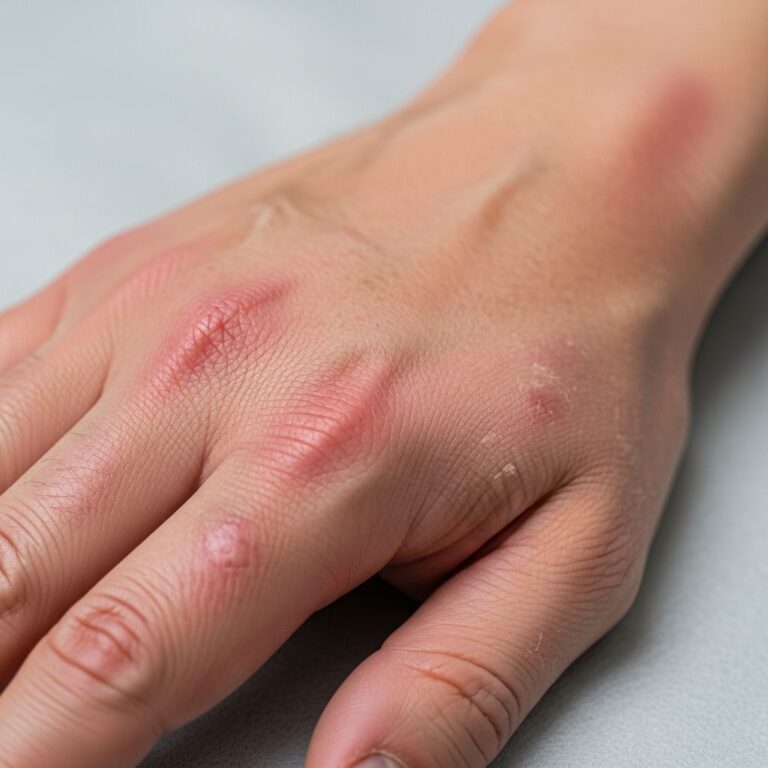
Dermographism (also known as dermographism urticaria, dermatographism or dermatographia) is a common form of physical urticaria or chronic inducible urticaria, with a reported worldwide prevalence of approximately 2–5%. It is more prevalent in young adults but can occur at any age, including children.
What is dermographism?
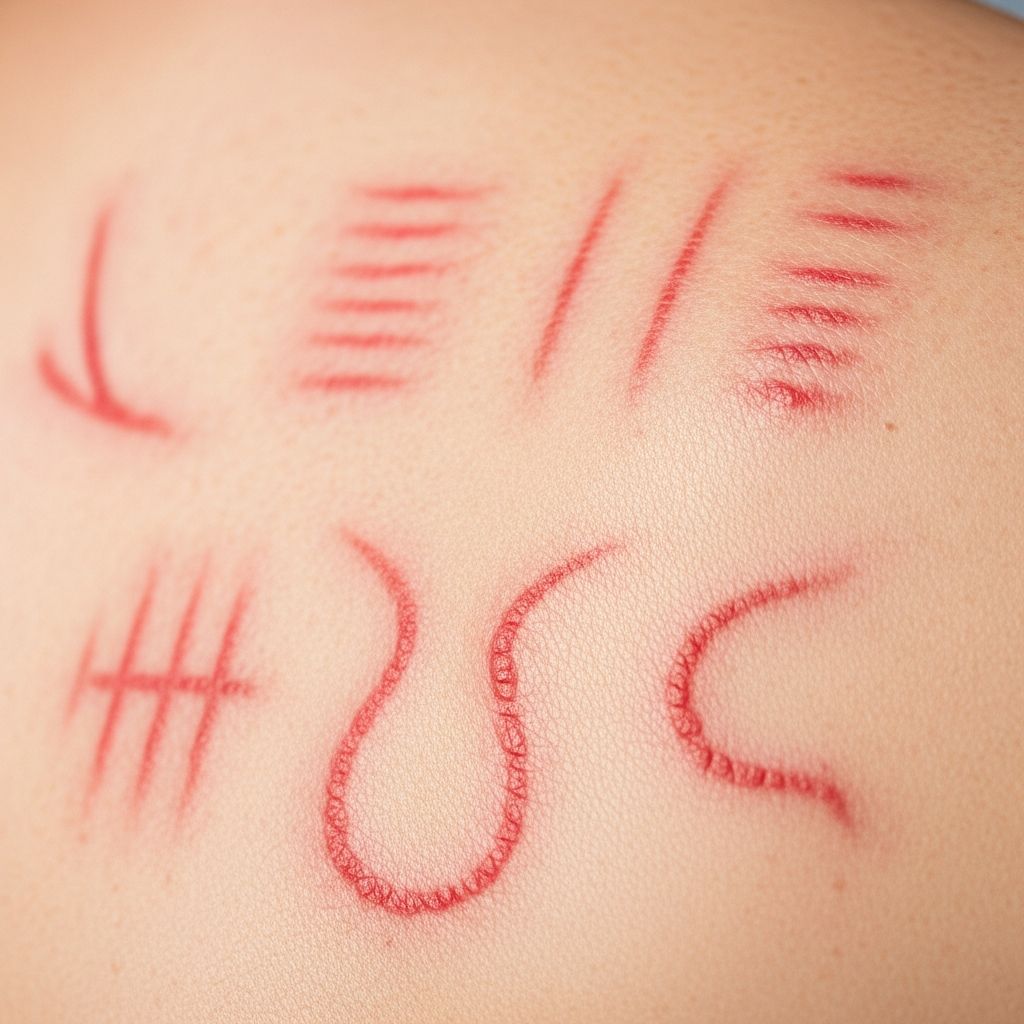
Dermographism is characterised by welts (linear hives) arising from firm stroking of the skin. The word dermographism literally means ‘writing on the skin’.
The white dermographism reaction is characterised by an initial blanching (white line) followed by red flare and wheal formation within 1–2 minutes. The reaction typically lasts <30 minutes.
In symptomatic dermographism, the reaction is associated with itching or burning and lasts >30 minutes.
Dermographism is the most common form of physical urticaria.
Who gets dermographism?
Dermographism affects males and females equally and occurs worldwide. It may occur at any age but most commonly affects young adults.
What causes dermographism?
The exact mechanism of dermographism is unknown but is thought to be due to an abnormal histamine release from dermal mast cells in response to physical trauma.
Associated factors include:
- Friction from clothing, towels or bedding
- Pressure from belts, waistbands or carrying heavy bags
- Cold or heat
- Exercise
- Vibrations
- Stress
Symptomatic dermographism has been associated with:
- Helicobacter pylori infection
- Penicillin
- Insect bites
- Scabies
Types of dermographism
Several types of dermographism have been described:
- White dermographism: Initial pallor (blanching)
- Red dermographism: Red line without weal
- Delayed dermographism: Weal appears after 3–8 hours and lasts up to 48 hours
- Follicular dermographism: Small papules at hair follicles
- Cholinergic dermographism: Large red line with surrounding punctate weals
- Cold/hereditary dermographism: Triggered by cold exposure
Signs and symptoms of dermographism
The signs and symptoms of dermographism include:
- Linear wheals (hives)
- Itch
- Burning
Symptoms are induced by:
- Scratching
- Rubbing
- Pressure
Symptoms usually resolve within 30 minutes but may persist for hours in symptomatic cases.
Diagnosis of dermographism
The diagnosis of dermographism is made clinically by stroking the skin with firm pressure using a tongue depressor or dull object. A positive test produces a red line (triple response of Lewis) with or without a wheal within 1–2 minutes.
Dermoscopy may show dotted vessels within the red line.
Dermographism images
The following images demonstrate dermographism in various forms:
White dermographism
Image 1: Firm stroking of the skin produces an initial white line followed by red flare and weal formation on the arm. The reaction resolves within 30 minutes.
Image 2: Multiple linear wheals on the back induced by scratching during an itch test.
Related Stories



Red dermographism
Image 3: Red linear mark without significant weal formation on the abdomen after pressure from a belt.
Delayed dermographism
Image 4: Painful wheals appearing 6 hours after firm stroking on the thigh, lasting up to 48 hours.
Follicular dermographism
Image 5: Small urticarial papules around hair follicles on the upper arm after rubbing.
Symptomatic dermographism
Image 6: Intense itchy wheals on the neck from clothing friction, persisting for over an hour.
Cholinergic dermographism
Image 7: Large red line with pinpoint satellite wheals on the chest after exercise-induced sweating.
These images highlight the variability in dermographism presentations, aiding in clinical recognition and differentiation from other urticarias.
Treatment of dermographism
Asymptomatic dermographism requires no treatment. Symptomatic dermographism is treated with:
- First-generation H1 antihistamines (e.g., hydroxyzine, diphenhydramine) – sedating, useful at night
- Second-generation H1 antihistamines (e.g., cetirizine, loratadine, fexofenadine, levocetirizine) – non-sedating
- H2 antihistamines (e.g., ranitidine) as adjunct
- Vitamin C 1000 mg daily to degrade histamine
- Phototherapy (UVB, PUVA) for refractory cases, though relapse common within 2–3 months
- Omalizumab (anti-IgE monoclonal antibody) for severe refractory cases
Avoid triggers such as tight clothing, extreme temperatures, and stress. Symptoms often improve spontaneously over time.
| Drug Name | Type | Dosage Example | Notes |
|---|---|---|---|
| Cetirizine | H1 (2nd gen) | 10 mg daily | Non-sedating |
| Loratadine | H1 (2nd gen) | 10 mg daily | Non-sedating |
| Hydroxyzine | H1 (1st gen) | 25 mg at night | Sedating |
| Fexofenadine | H1 (2nd gen) | 180 mg daily | Non-sedating |
Frequently Asked Questions (FAQs)
What is dermographism?
Dermographism is a skin condition where firm stroking produces linear hives (welts) due to histamine release from mast cells.
Is dermographism dangerous?
No, dermographism is benign and self-limiting, though symptomatic cases may affect quality of life.
How is dermographism diagnosed?
By stroking the skin firmly with a tongue depressor, producing a wheal within 1-2 minutes.
Does dermographism go away?
Often yes, many cases resolve spontaneously within months to years.
What triggers dermographism?
Scratching, rubbing, pressure, cold/heat, exercise, tight clothing, stress.
Can dermographism be cured?
No cure, but symptoms managed effectively with antihistamines and trigger avoidance.
References
- Dermatographism – StatPearls — NCBI Bookshelf, NIH. 2023-10-15. https://www.ncbi.nlm.nih.gov/books/NBK531496/
- Dermatographia (Dermatographism): What It Is, Causes & Treatment — Cleveland Clinic. 2024-05-22. https://my.clevelandclinic.org/health/diseases/17793-dermatographism-dermatographia
- Dermatographia (Dermatographism) – Diagnosis and treatment — Mayo Clinic. 2024-08-10. https://www.mayoclinic.org/diseases-conditions/dermatographia/diagnosis-treatment/drc-20371415
- Dermatographism — MD Searchlight. 2025-01-12. https://mdsearchlight.com/skin-problems-and-treatments/dermatographism/
- What Is Dermatographism? — Gainesville Dermatology Skin Surgery. 2024-11-05. https://www.gainesvilledermatologyskinsurgery.com/dermatographism/
Similar Articles








Read full bio of Sneha Tete