Desmoplastic Melanoma: Diagnosis, Treatment & Prognosis
Comprehensive guide to desmoplastic melanoma: understanding diagnosis, staging, and advanced treatment options.
Desmoplastic Melanoma: A Comprehensive Overview
Desmoplastic melanoma is a rare variant of cutaneous melanoma that represents approximately 1-4% of all melanomas. This specialized form of skin cancer is characterized by a unique pathological presentation involving fibrous stromal proliferation and spindle cell morphology. Unlike conventional melanomas, desmoplastic melanoma exhibits distinct clinical features, diagnostic challenges, and treatment considerations that make it an important subject of dermatological study and oncological management.
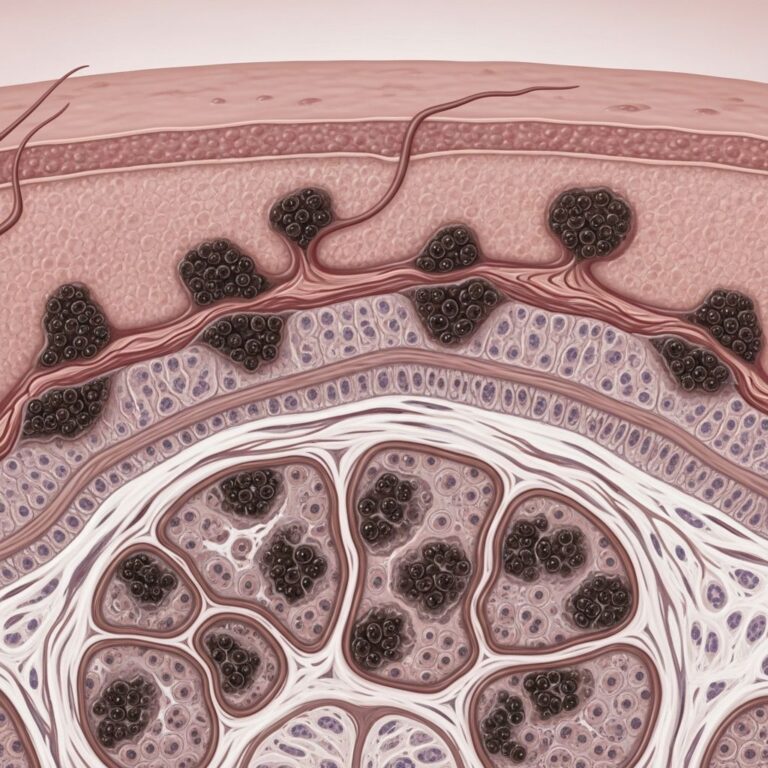
The term “desmoplastic” refers to the proliferation of fibrous tissue (desmoplasia) that accompanies the malignant melanocytes. This distinctive pathological finding has significant implications for diagnosis, prognosis, and treatment planning. Understanding this melanoma variant is crucial for healthcare providers and patients seeking optimal clinical outcomes.
Clinical Characteristics and Presentation
Desmoplastic melanomas typically present as firm, indurated nodules or plaques, often appearing as skin-colored or slightly pigmented lesions. They commonly occur on the head and neck region, particularly on the face and scalp, where they may be overlooked initially due to their subtle appearance and lack of prominent pigmentation compared to other melanoma types.
These lesions often develop in areas of sun-damaged skin, and patients frequently have a history of significant ultraviolet exposure. The clinical presentation can be deceptive, as desmoplastic melanomas may resemble benign dermatological conditions such as scars, fibromas, or other non-melanoma skin lesions, leading to delayed diagnosis in some cases.
Diagnosis and Pathological Features
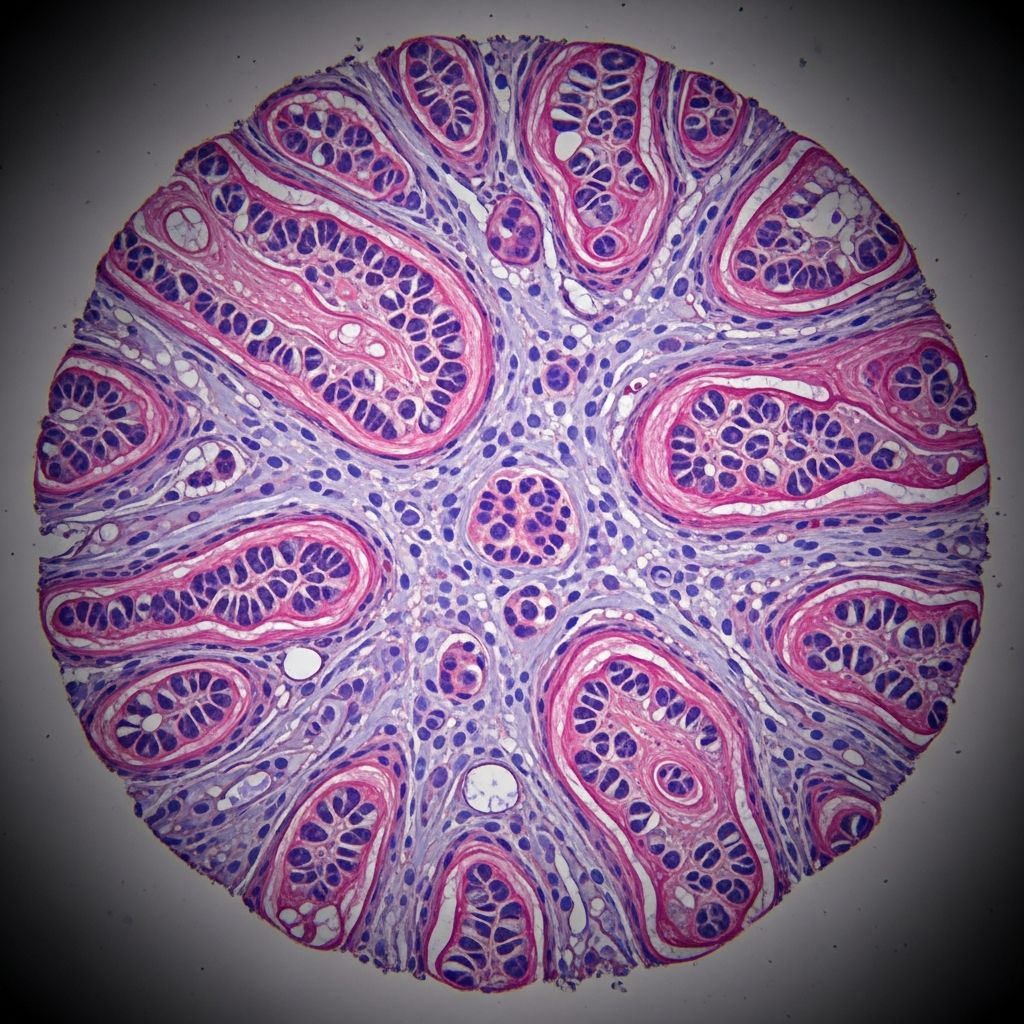
Accurate diagnosis of desmoplastic melanoma requires correlation between clinical findings and pathological examination. Histologically, desmoplastic melanomas are characterized by:
- Proliferation of spindle-shaped melanocytes
- Prominent stromal fibrosis (desmoplasia)
- Possible neurotropism (involvement of nerve fibers)
- Often minimal pigmentation, making recognition challenging
- Possible loss of S-100 protein expression in some cases
The diagnosis should be confirmed by pathologists with experience evaluating desmoplastic melanomas, as this expertise is essential for accurate classification and appropriate patient management. Immunohistochemical studies may be necessary to establish the diagnosis definitively, particularly in cases with ambiguous histological features.
Melanoma Staging System
Staging desmoplastic melanoma involves comprehensive analysis of multiple tumor characteristics and extent of spread. The TNM staging system incorporates several key parameters:
| Stage | Characteristics |
|---|---|
| Stage 1 | Thin melanoma ≤2 mm in thickness or >1 mm thickness without ulceration |
| Stage 2 | Thick melanoma >2 mm in thickness or >1 mm thickness with ulceration |
| Stage 3 | Melanoma spread to involve local lymph nodes |
| Stage 4 | Distant metastases have been detected |
Staging analysis includes evaluation of primary tumor characteristics (Breslow thickness and presence of ulceration), lymph node involvement, regional and distant spread, and lactate dehydrogenase (LDH) levels. Breslow thickness, which measures tumor depth from the granular layer to the deepest cell, is a critical prognostic factor. Additional imaging and blood tests may be performed to assess the extent of disease and guide treatment planning.
Surgical Treatment
The initial and primary treatment for desmoplastic melanoma is surgical excision, which completely removes the lesion along with a margin of healthy tissue surrounding it. This approach serves as the definitive curative treatment when the disease has not metastasized beyond the local site.
Related Stories



The extent of surgical margins is individualized based on the depth and thickness of the patient’s melanoma. Dermatologists and surgical oncologists determine appropriate margins to balance complete tumor removal with preservation of cosmetic and functional outcomes, particularly important given the frequent location of these lesions on the face and head.
Sentinel Lymph Node Biopsy
Sentinel lymph node biopsy represents an important staging procedure in desmoplastic melanoma management. If local lymph nodes appear enlarged due to metastatic spread, they should be completely removed through surgical procedure, typically performed under general anesthesia. When lymph nodes are not clinically enlarged, sentinel node biopsy may be performed to detect microscopic spread of melanoma that is not apparent on physical examination. This procedure helps identify patients who would benefit from additional staging studies and systemic therapies.
Adjuvant Radiation Therapy
Adjuvant radiation therapy may be considered as a supplementary treatment in select cases of desmoplastic melanoma. Radiation is particularly recommended when:
- Breslow thickness exceeds 4 mm
- Perineural invasion is present (tumor involvement of nerve fibers)
- Surgical margins are positive (tumor cells present at the edge of excision)
- Disease has advanced to involve lymph nodes
For lesions that are more advanced, typically greater than 4 mm in thickness, radiation therapy may also be recommended to reduce the risk of local recurrence and improve disease control. The decision to pursue adjuvant radiation requires careful consideration of potential benefits and side effects in consultation with a multidisciplinary oncology team.
Immunotherapy and Targeted Therapies
Recent advances in understanding the molecular characteristics of desmoplastic melanoma have revealed its exceptional responsiveness to immunotherapy. Desmoplastic melanoma carries a particularly high mutation burden compared with other melanomas, with an average tumor mutational burden of 77 mutations per megabase compared with 35 mutations per megabase in nondesmoplastic melanomas.
Desmoplastic melanoma demonstrates high responsiveness to immunotherapy with anti-PD-1/PD-L1 medications such as pembrolizumab (Keytruda) or nivolumab. A landmark clinical trial demonstrated remarkable efficacy, with 24 of 27 patients (89%) responding to initial treatment with pembrolizumab alone for metastatic disease. Among these responders, nine patients (33%) achieved complete responses with no evidence of cancer after treatment, while 15 patients (55%) experienced partial responses with tumor shrinkage.
These response rates are exceptionally high compared to single-agent immunotherapy in other cancer types and rival combination immunotherapy regimens. Importantly, single-agent pembrolizumab may allow patients to avoid the unnecessary side effects associated with combination immunotherapy regimens, which carry higher toxicity burdens. These responses have demonstrated durability, with a 96% three-year melanoma-specific survival rate, establishing single-agent immunotherapy as the standard treatment for metastatic desmoplastic melanoma.
Targeted therapies represent another avenue for treatment advancement. Studies have identified multiple genetic mutations associated with desmoplastic melanoma, suggesting that gene-replacement therapy may offer future treatment options for individuals with known mutations. However, the presence of multiple gene mutations in many desmoplastic melanoma cases may require combination therapy approaches to address several genetic aberrations simultaneously.
Prognosis and Survival Rates
Desmoplastic melanoma is highly curable when diagnosed early. When compared with the survival rates of all melanomas generally, desmoplastic melanoma survival rates tend to be slightly higher. A comprehensive study of 1,129 desmoplastic melanoma patients in the United States (1992–2007) reported a 5-year specific survival rate of 85% and a 10-year survival of 80%.
According to a 2017 study, the five-year survival rate for desmoplastic melanoma is 75 percent, and five-year disease-free survival is 62 percent. These favorable survival outcomes reflect both the biological characteristics of this melanoma variant and the effectiveness of current treatment approaches, particularly when intervention occurs at earlier disease stages.
Prognostic factors influencing survival outcomes include advanced patient age, higher tumor stage, and increased Breslow depth. Neurotropism (nerve fiber involvement), present in approximately 30% of cases, may represent an additional poor prognostic feature requiring closer clinical monitoring and consideration of adjuvant therapies.
Follow-Up and Surveillance
The main purpose of follow-up care is to detect recurrences early, though it also provides an opportunity to diagnose new primary melanomas at the earliest possible opportunity. Patients with a history of desmoplastic melanoma should maintain regular surveillance with their dermatologist to monitor for local recurrence, in-transit metastases, and the development of additional primary melanomas.
Follow-up protocols typically include periodic clinical examinations and may incorporate imaging studies depending on the stage at diagnosis and individual risk factors. Patients should be educated about self-examination techniques and instructed to report any new or changing skin lesions promptly to their healthcare providers.
Goals of Treatment
The comprehensive treatment approach to desmoplastic melanoma aims to achieve three primary objectives:
- Cure the cancer through complete removal and eradication of malignant cells
- Preserve the appearance of the skin and minimize cosmetic morbidity, particularly important given typical head and neck location
- Prevent the cancer from recurrence through appropriate adjuvant therapies and surveillance
Achieving these goals requires expertise in removing melanomas from sensitive anatomical areas while maintaining functional and cosmetic outcomes. Multidisciplinary care involving dermatologists, surgical oncologists, and medical oncologists optimizes treatment selection and patient outcomes.
Frequently Asked Questions
Q: Is desmoplastic melanoma more or less aggressive than other melanoma types?
A: Desmoplastic melanoma often presents at greater depths than other melanoma types; however, it typically demonstrates favorable prognosis with higher survival rates compared to other melanoma variants when appropriate treatment is administered. Early diagnosis and treatment are essential for optimal outcomes.
Q: Why is accurate diagnosis of desmoplastic melanoma important?
A: Accurate diagnosis is crucial because desmoplastic melanoma’s appearance can mimic benign lesions, leading to delayed treatment. Additionally, accurate diagnosis allows patients to learn about specialized treatment options, particularly newer immunotherapy approaches that are particularly effective for this variant.
Q: What makes desmoplastic melanoma responsive to immunotherapy?
A: Desmoplastic melanoma carries a high mutation burden (approximately 77 mutations per megabase) compared to other melanomas, which increases the likelihood of response to immune checkpoint inhibitors like pembrolizumab and nivolumab.
Q: Can desmoplastic melanoma be treated with surgery alone?
A: Surgical excision is the primary treatment and can be curative when the disease is localized. However, adjuvant radiation therapy may be recommended for thick lesions (>4 mm), those with perineural invasion, or positive surgical margins, and immunotherapy may be considered for advanced or metastatic disease.
Q: What is the role of sentinel lymph node biopsy?
A: Sentinel lymph node biopsy helps determine if melanoma has spread to nearby lymph nodes and guides staging and treatment decisions. It is particularly valuable when lymph nodes are not clinically enlarged but may harbor microscopic disease.
References
- Desmoplastic Melanoma: Symptoms, Causes & Survival Rate — Cancer Center. https://www.cancercenter.com/cancer-types/melanoma/types/desmoplastic-melanoma
- Evolving treatments and future therapeutic targets in desmoplastic melanoma — National Center for Biotechnology Information. 2022. https://pmc.ncbi.nlm.nih.gov/articles/PMC8656346/
- Pembrolizumab Alone to Treat Desmoplastic Melanoma — National Cancer Institute. 2023. https://www.cancer.gov/news-events/cancer-currents-blog/2023/pembrolizumab-alone-desmoplastic-melanoma
- Desmoplastic melanoma – DermNet — DermNet New Zealand. https://dermnetnz.org/topics/desmoplastic-melanoma
- Desmoplastic Melanoma — Memorial Sloan Kettering Cancer Center. https://www.mskcc.org/cancer-care/types/melanoma/types-melanoma/desmoplastic-melanoma
- Management of Cutaneous Melanoma, With a Special Focus on Desmoplastic Melanoma — American Society of Clinical Oncology. 2025. https://ascopubs.org/doi/10.1200/EDBK-25-472752
Similar Articles








Read full bio of medha deb