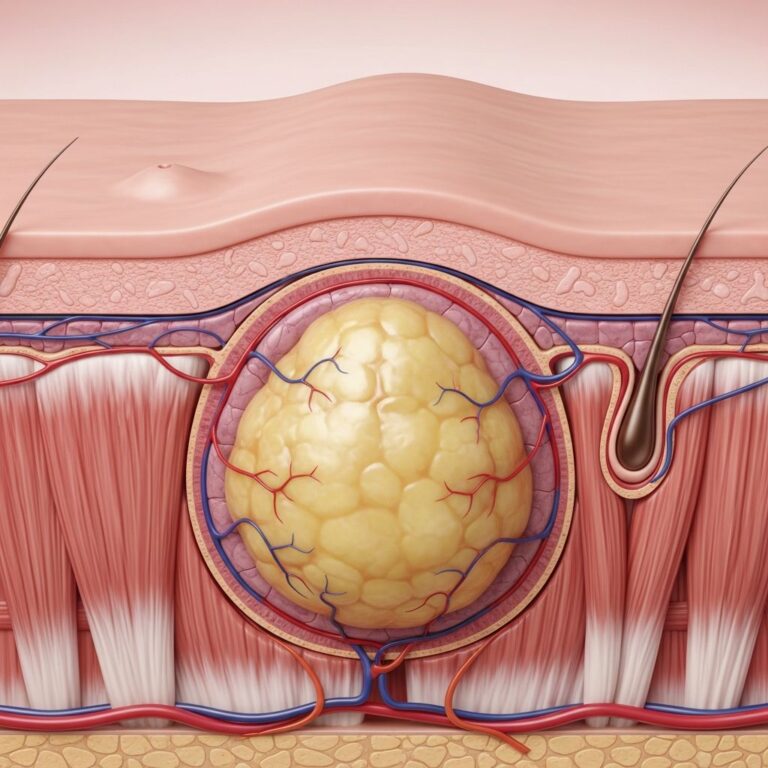
Detecting Eye Metastases: 4 Key Signs Ophthalmologists Use
Learn essential strategies for identifying metastatic tumors in the eye, from symptoms to advanced imaging techniques for timely intervention.
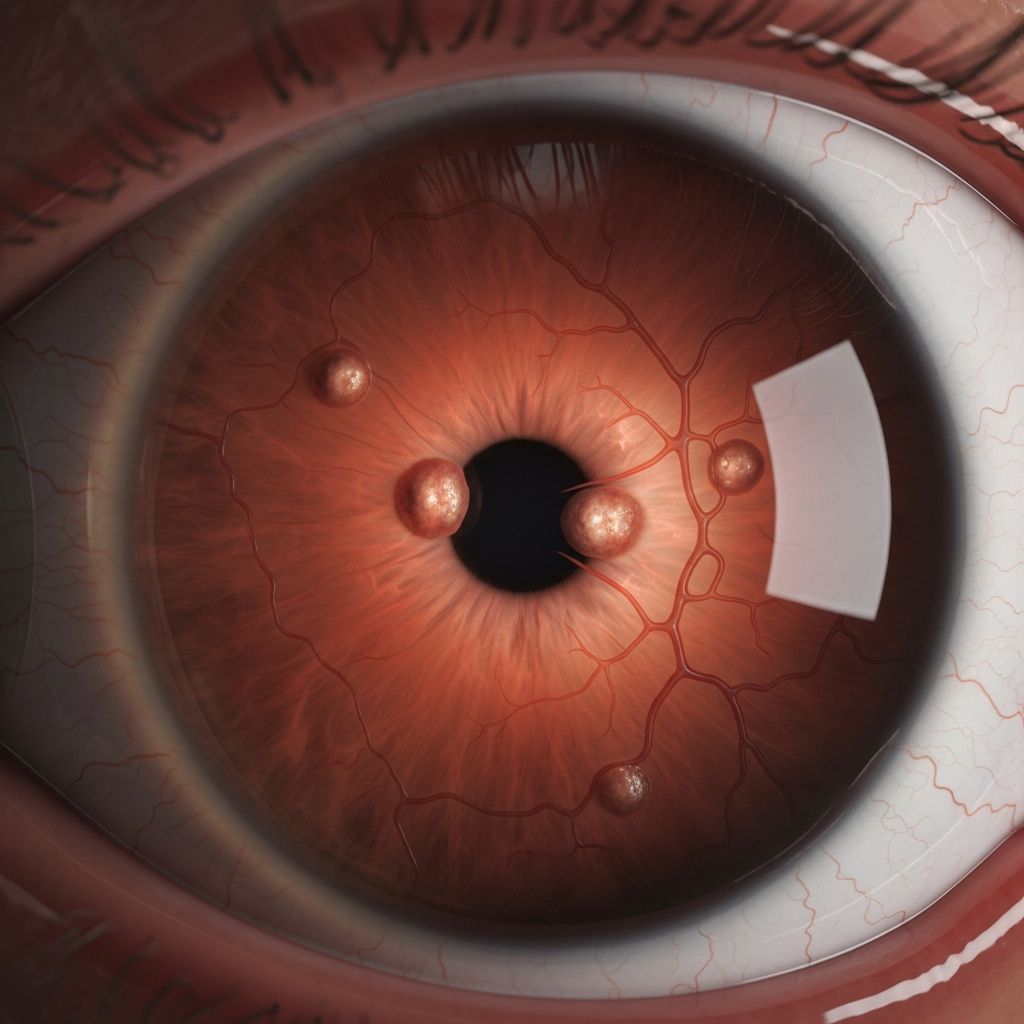
Ocular metastases represent secondary tumors that spread to the eye from cancers elsewhere in the body, most frequently affecting the choroid. These lesions demand prompt recognition by eye specialists to coordinate with oncologists for systemic evaluation and care.
Understanding the Origins of Eye Metastases
Metastatic tumors in the eye primarily originate from breast and lung cancers, accounting for the majority of cases in both women and men. In females, breast cancer leads, while lung cancer predominates in males, though other sites like prostate, kidney, and gastrointestinal tract contribute less commonly.
These cancers travel hematogenously to the richly vascularized uveal tract, particularly the choroid, which receives substantial blood supply. The eye’s posterior segment becomes a common site due to this vascular access, with metastases often appearing before or alongside systemic spread detection.
Common Presentation and Patient Profiles
Individuals with eye metastases frequently report visual disturbances, including blurred vision in about 70% of symptomatic cases, alongside flashes, floaters, or ocular pain. However, up to 90% may experience symptoms prompting an ophthalmology visit, while asymptomatic lesions often emerge in the contralateral eye during routine checks.
Patients typically carry a history of primary malignancy, making medical history review crucial. Even without known cancer, sudden visual changes in middle-aged or older adults warrant suspicion, as metastases can precede primary tumor identification.
- Blurred or distorted central vision if macula-involved
- Peripheral field defects from larger lesions
- Floaters or photopsia from subretinal fluid
- Rarely, proptosis or pain if orbital extension occurs
Clinical Appearance on Examination
Funduscopic views reveal choroidal metastases as yellowish-white, placoid elevations with ill-defined borders and prominent subretinal fluid, often creating a ‘leopard-spot’ pattern from overlying retinal pigment epithelium alterations. Unlike pigmented melanomas, these appear creamy or pale, sometimes with surface pigment specks.
Lesions exhibit a flattened, plateau-like shape with undulating surfaces, contrasting melanomas’ dome or mushroom configurations. Bilateral involvement occurs in 20-30% of cases, and multifocality within one eye is common.
| Feature | Choroidal Metastasis | Choroidal Melanoma |
|---|---|---|
| Color | Yellow-white, pale | Pigmented, brown |
| Shape | Placoid, flat | Dome, mushroom |
| Fluid | Abundant subretinal | Limited unless large |
| Growth | Rapid (weeks) | Slow (months-years) |
Advanced Imaging for Confirmation
Diagnostic imaging forms the cornerstone for verifying metastases and ruling out primaries. Ocular ultrasound stands out, with A-scan displaying moderate-to-high internal reflectivity—higher than melanoma’s low reflectivity—and B-scan showing echodense masses with frequent retinal detachments.
Color Doppler reveals hypervascularity in a peripheral pattern without dominant vessels, aiding differentiation. Optical coherence tomography (OCT) depicts subretinal fluid, photoreceptor disruptions, and irregular retinal pigment epithelium thickening with a ‘bumpy’ choroidal contour.
Angiographic Insights
Fluorescein angiography typically shows early hypofluorescence transitioning to late hyperfluorescence with pinpoint leakage, while indocyanine green angiography blocks background choroidal fluorescence with patchy surface staining, lacking visible intratumoral vessels.
Fundus autofluorescence highlights lipofuscin deposits on the lesion surface, mirroring melanoma but contextualized with other findings.
Differentiating from Primary Eye Tumors
Mistaking metastases for choroidal melanoma risks inappropriate local therapy; key discriminators include rapid growth—often doubling in weeks—high ultrasound reflectivity, abundant fluid disproportionate to size, and patient cancer history.
Melanomas grow indolently, exhibit low reflectivity, and rarely cause extensive detachments early. Amelanotic melanomas pose challenges but lack the aggressive expansion of metastases.
Related Stories



Locations Beyond the Choroid
Though choroidal sites dominate (over 80%), iris and ciliary body metastases occur in about 10%, manifesting as refractory uveitis, elevated intraocular pressure, or pale nodules. Orbital metastases may displace the globe, causing diplopia or proptosis.
Retinal, optic disc, or conjunctival involvement is rarer, usually with uveal spread already present.
Diagnostic Approach in Practice
Initiate with comprehensive history probing cancer background, followed by dilated fundus exam and multimodal imaging: ultrasound, OCT, and angiography. Systemic workup—CT/PET scans, tumor markers—identifies primaries if occult.
Biopsy via fine-needle aspiration is reserved for ambiguities, carrying hemorrhage risks, preferring non-invasive methods first. Monitor growth velocity; rapid changes strongly favor metastasis.
Management Considerations
Treatment targets palliation and vision preservation, often via external beam radiotherapy, plaque brachytherapy, or systemic anti-cancer therapy. Observation suits small asymptomatic lesions, with serial imaging.
Multidisciplinary input from ocular oncologists and medical oncologists optimizes outcomes, focusing on primary control.
Frequently Asked Questions
What percentage of eye cancer patients have metastases?
Up to 10% of cancer patients develop ocular metastases, most commonly from breast or lung primaries.
Can eye metastases be the first sign of cancer?
Yes, in 20-30% of cases, ocular findings precede primary tumor diagnosis.
How accurate is ultrasound for diagnosis?
Highly reliable; high reflectivity and vascular patterns distinguish metastases from melanomas effectively.
Are ocular metastases treatable?
Treatment controls local growth and preserves vision, though prognosis ties to systemic disease.
Who is at highest risk?
Patients with advanced breast, lung, or other epithelial cancers, especially with known metastases.
Prognostic Factors and Outcomes
Survival hinges on primary cancer type and stage; breast and lung metastases yield median survivals of 12-24 months post-ocular diagnosis. Early detection aids vision retention but not overall longevity.
Regular screening in high-risk cancer patients enhances detection of asymptomatic lesions, potentially delaying vision loss.
References
- Choroidal Metastases — EyeWiki (American Academy of Ophthalmology). 2023-10-15. https://eyewiki.org/Choroidal_Metastases
- Choroidal Metastasis — New York Eye Cancer Center. 2024-01-20. https://eyecancer.com/eye-cancer/conditions/choroidal-tumors/choroidal-metastasis/
- Ocular metastases — PMC – NIH (Indian Journal of Ophthalmology). 2013-02-28. https://pmc.ncbi.nlm.nih.gov/articles/PMC3574252/
- Eye melanoma – Symptoms and causes — Mayo Clinic. 2024-05-10. https://www.mayoclinic.org/diseases-conditions/eye-melanoma/symptoms-causes/syc-20372371
- Identifying Choroidal Metastasis: A Resident’s Guide — Eyes On Eyecare. 2023-08-12. https://eyesoneyecare.com/resources/identifying-choroidal-metastasis-a-residents-guide/
Similar Articles








Read full bio of medha deb