Detoxes and Cleanses: What You Need to Know
Understanding detox and cleanse programs: evidence, safety, and what science reveals.
In an era of increasing health consciousness, “detoxes” and “cleanses” have become popular wellness practices. These programs promise to remove toxins from your body, promote weight loss, boost energy levels, and improve overall health. However, understanding what these programs actually are, how they work, and whether they deliver on their promises is essential for making informed health decisions. This comprehensive guide examines the evidence behind detoxification programs and provides guidance on what science reveals about their effectiveness and safety.
What Are Detoxes and Cleanses?
Detoxes and cleanses refer to a variety of “detoxification” diets, regimens, and therapies designed to remove toxins from the body, facilitate weight loss, or promote general wellness. While the terms are often used interchangeably, subtle differences exist between them. Cleanses typically focus on “flushing out” the digestive system, whereas detox regimens claim to remove toxins from the broader system, including the liver, kidneys, and other organs.
These programs come in numerous forms, reflecting diverse approaches to body detoxification. Common detox and cleanse methods include:
- Fasting or partial fasting periods
- Consuming only juices or similar beverages, often low in calories
- Eating only specific foods while eliminating others
- Taking dietary supplements or commercial products
- Using herbal preparations and natural remedies
- Colon cleansing through enemas, laxatives, or colon hydrotherapy
- Reducing environmental exposures to potential toxins
- Using saunas for perspiration-based detoxification
The appeal of these programs lies in their promise of quick health improvements and rapid weight loss. Marketers claim that detoxes and cleanses can relieve constipation, reduce headaches and muscle aches, decrease fatigue, increase energy levels, and provide an overall health “reset.” Yet despite these widespread claims, the scientific evidence supporting these benefits remains limited.
How Does Your Body Naturally Detoxify?
Before examining commercial detoxification programs, it is crucial to understand that your body possesses sophisticated natural detoxification mechanisms. These systems work continuously without requiring special diets or commercial products to function effectively.
Your body eliminates waste and potentially harmful substances through multiple pathways:
- Liver function: The liver serves as your body’s primary detoxification organ, filtering blood and metabolizing substances for elimination
- Kidney filtration: The kidneys remove waste products and excess water through urine production
- Digestive elimination: The gastrointestinal system removes waste through bowel movements
- Lymphatic system: This network circulates fluid and immune cells, helping remove waste and foreign materials
- Skin perspiration: Sweating helps eliminate certain waste products and regulates body temperature
These interconnected systems work synergistically to maintain your body’s internal environment and eliminate potentially harmful substances. Your liver, kidneys, lymphatic system, and gastrointestinal tract are all essential to natural detoxification. When these organs function properly, they effectively manage the body’s detoxification needs without external intervention.
Types of Detoxification Programs
Detoxification and cleanse programs typically fall into several categories, each with different mechanisms and claims. Understanding these categories helps consumers evaluate which programs, if any, might be appropriate for their circumstances.
Liver Detoxes
Liver detox programs aim to enhance liver function and support the body’s natural detoxification processes. These programs typically involve over-the-counter products containing specific ingredients believed to support liver health. Common ingredients include green tea, which may improve liver function; milk thistle, proven to have anti-inflammatory effects on the liver; and turmeric, which provides liver protection from disease.
Related Stories



While these ingredients individually offer health benefits, there is no evidence that repeated liver cleanses are beneficial or necessary. Liver detoxes cannot repair existing liver damage, nor do they provide the comprehensive nutrition your body requires. For individuals with liver disease or damage, medical treatment under professional supervision is necessary rather than commercial detox products.
Colon Cleanses
Colon cleanse programs use laxatives and natural herbs to flush waste buildup from the lower intestinal tract. Proponents claim that removing accumulated waste eliminates toxins and unhealthy bacteria from the digestive system. However, experts warn that overusing laxatives can be unsafe and may disrupt the delicate balance of beneficial gut bacteria.
A significant concern with colon cleanses is that eliminating bad bacteria may also remove beneficial bacteria essential for digestive health, immune function, and overall wellness. This disruption can leave individuals more vulnerable to gastrointestinal issues and infections. The use of colonics and enemas also carries risks of dehydration, electrolyte imbalances, and intestinal damage when used excessively.
Juice Cleanses and Fasting Programs
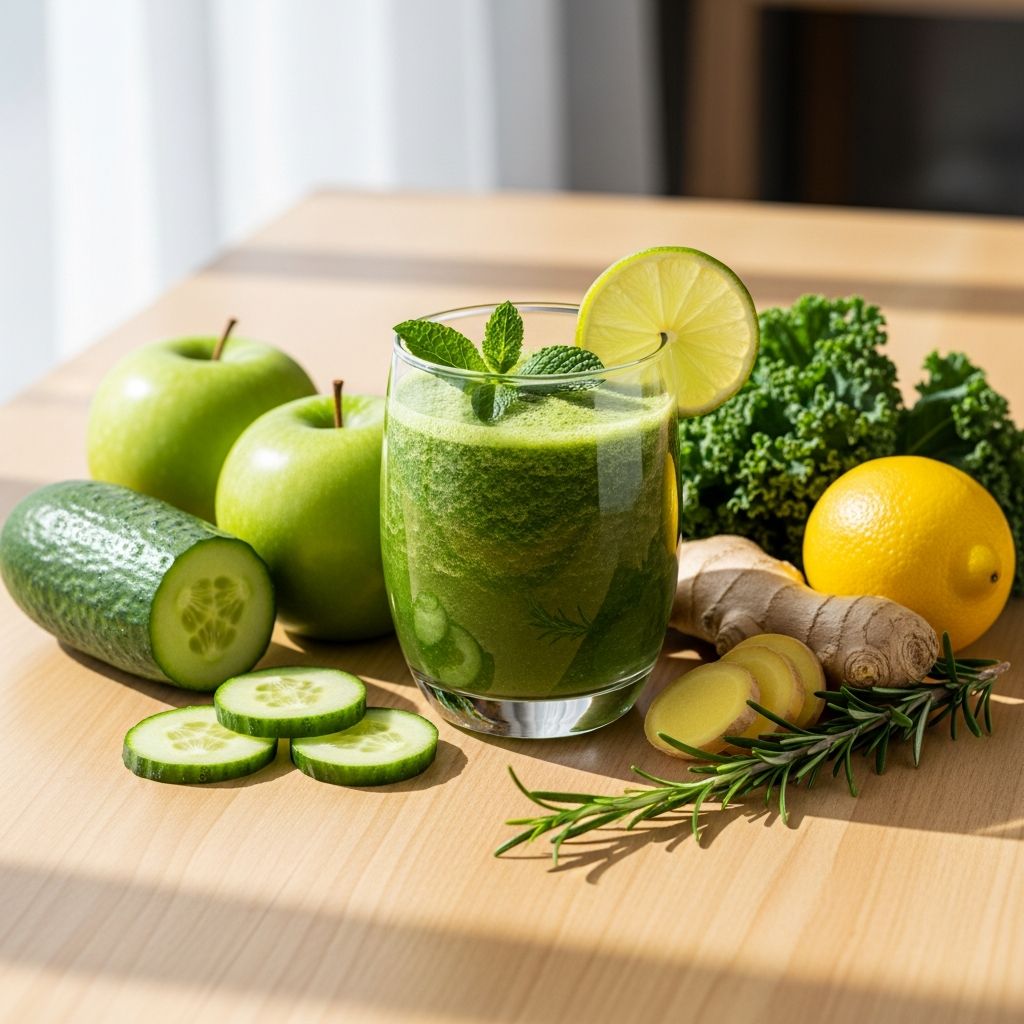
Juice cleanses involve consuming only fruit and vegetable juices for several days while eliminating solid food. Supporters claim this allows the digestive system to rest and provides concentrated vitamins and antioxidants. However, juice-only programs often lack adequate protein, healthy fats, and fiber, which can lead to nutrient deficiencies and energy depletion.
Fasting programs range from intermittent fasting to extended periods without food. While fasting has been practiced in religious and cultural contexts for thousands of years and may be safe for healthy individuals, extended fasting should only be undertaken with medical guidance.
What Does Research Say About Detoxes and Cleanses?
The scientific evidence on the effectiveness and safety of commercial detox and cleanse programs remains remarkably limited. According to the National Center for Complementary and Integrative Health (NCCIH), there is very little research on the safety and effectiveness of dietary cleanses and detoxes. Any studies that have examined the effects of commercial detoxes on humans tend to be small or flawed in design.
A 2015 review by a team of experts concluded that results so far do not support the use of detox diets for weight loss or removing toxins. While some studies have suggested that certain detox diet ingredients may aid liver function or increase antioxidant glutathione—which can help remove toxins such as heavy metals—these studies often had significant design limitations, involved small numbers of participants, or were conducted in animal models rather than humans.
The consensus among medical professionals is clear: if you are healthy, there is no real need for a cleanse or detox diet since your body is designed to detoxify itself naturally. Your liver, kidneys, and other organs perform these functions continuously and effectively without special intervention.
Are Detoxes and Cleanses Safe?
While short-term food or drink-based cleanses may be relatively safe for most healthy individuals, certain detoxification approaches carry significant health risks. Understanding potential complications is essential before beginning any detox or cleanse program.
Potential Health Risks
| Risk Factor | Description | Associated Programs |
|---|---|---|
| Dehydration | Loss of body fluids and electrolytes can lead to weakness, dizziness, and organ dysfunction | Fasting, juice cleanses, laxative-based programs |
| Nutrient Deficiencies | Many cleanses are not nutritionally balanced and may lack essential proteins, fats, and micronutrients | Restrictive diets, juice cleanses |
| Digestive Distress | Gastrointestinal upset including cramping, bloating, and diarrhea | Laxative-based cleanses, colon irrigation |
| Electrolyte Imbalances | Disruption of sodium, potassium, and other essential minerals affecting heart and muscle function | Fasting, excessive laxative use |
| Intestinal Damage | Repeated use of colonics and enemas can damage intestinal tissue | Colon hydrotherapy, frequent enemas |
Individuals with certain health conditions should be particularly cautious about detox and cleanse programs. Those with diabetes, heart disease, gastrointestinal disorders, or weakened immune systems should consult healthcare providers before attempting any detoxification program. Pregnant women, nursing mothers, elderly individuals, and children should generally avoid cleanse and detox programs.
Potential Benefits of Detox Programs
Although commercial detox and cleanse programs may not remove toxins as claimed, some positive outcomes can result from participating in these programs, primarily related to lifestyle improvements rather than detoxification itself.
Nutritional Enhancement
Many cleanse programs that emphasize fruits and vegetables provide individuals who normally consume limited produce with increased vitamins, minerals, and phytonutrients. If you do not typically eat adequate fruits and vegetables, temporarily increasing consumption during a cleanse can provide nutritional benefits that may continue afterward.
Breaking Unhealthy Eating Patterns
A cleanse that eliminates sugar and processed foods, even temporarily, can help reset eating habits and reduce cravings for unhealthy foods. A few days away from processed foods, added sugars, and unhealthy fats can establish momentum for longer-term dietary improvements.
Identifying Food Sensitivities
Eliminating certain foods from your diet during a cleanse can help you identify potential food sensitivities or intolerances. After completing the cleanse, systematically reintroducing foods one at a time can reveal which foods cause adverse reactions, enabling you to make informed dietary choices.
Lifestyle Motivation
Participating in a structured cleanse program may motivate individuals to adopt healthier habits including regular exercise, adequate hydration, and increased consumption of whole foods. This behavioral shift can produce lasting health improvements.
Supporting Your Body’s Natural Detoxification
Rather than relying on commercial detox programs, you can support your body’s natural detoxification processes through evidence-based lifestyle practices that require no special products or extreme dietary measures.
Hydration
Drinking plenty of clean water throughout the day is fundamental to supporting kidney function and helping your body remove waste through urination and perspiration. Most health authorities recommend consuming adequate water based on individual needs and activity levels.
Nutrition
Aim to eat a variety of fruits and vegetables, targeting five to nine servings daily. Include high-fiber foods such as fruits, vegetables, whole grains, nuts, and seeds to support regular digestion and healthy bowel function. Ensure you consume adequate lean protein, which provides amino acids involved in detox-related enzyme activity.
Physical Activity
Regular exercise supports all body systems involved in detoxification, including cardiovascular circulation and lymphatic drainage. Physical activity also promotes perspiration, through which your body eliminates waste products.
Sleep and Stress Management
Adequate sleep allows your body’s natural repair and detoxification processes to function optimally. Chronic stress impairs immune and digestive function, so stress management techniques including meditation, yoga, or other relaxation practices support overall health.
Frequently Asked Questions
Q: Do detox diets actually remove toxins from my body?
A: There is very limited scientific evidence supporting the claim that commercial detox diets remove toxins. Your body already has sophisticated natural detoxification systems through your liver, kidneys, lymphatic system, and digestive tract that work continuously to eliminate waste and potentially harmful substances.
Q: Can I lose weight on a detox or cleanse program?
A: Many people experience short-term weight loss during detox and cleanse programs, primarily due to reduced calorie intake and water loss rather than fat loss. However, weight typically returns once normal eating resumes. For sustainable weight loss, focus on long-term lifestyle changes including balanced nutrition and regular exercise.
Q: Are detoxes and cleanses safe for everyone?
A: Short-term food or drink-based cleanses are likely safe for most healthy adults. However, individuals with chronic health conditions, pregnant or nursing women, elderly individuals, and children should consult healthcare providers before attempting any detoxification program. Certain approaches like extended fasting or colon hydrotherapy carry specific health risks.
Q: What are the main risks associated with detox programs?
A: Common risks include dehydration, nutrient deficiencies, digestive distress, electrolyte imbalances, and intestinal damage from repeated use of colonics or laxatives. Some detox ingredients can also interact with medications or cause adverse effects.
Q: If I want to improve my health, what should I do instead of a detox?
A: Focus on evidence-based lifestyle practices: drink adequate water, eat plenty of fruits and vegetables, consume whole grains and lean protein, exercise regularly, get sufficient sleep, and manage stress. These practices support your body’s natural detoxification and promote long-term wellness without the risks associated with commercial detox programs.
Q: Can liver cleanses repair damage to my liver?
A: No. Liver cleanses cannot repair existing liver damage. If you have liver disease or damage, you need medical treatment under professional supervision. While some ingredients in liver cleanse products do have individual health benefits, there is no evidence that commercial liver cleanses are beneficial for people with healthy livers.
Q: Should I use colon cleanse products?
A: Experts generally advise caution with colon cleanse products. Overusing laxatives can be unsafe, and colon irrigation can disrupt beneficial gut bacteria, making you more vulnerable to gastrointestinal issues. If you experience constipation, consult a healthcare provider for safe treatment options.
References
- “Detoxes and Cleanses: What You Need to Know” — National Center for Complementary and Integrative Health (NCCIH). 2023-11. https://www.nccih.nih.gov/health/detoxes-and-cleanses-what-you-need-to-know
- “Do Detox Diets and Cleanses Work?” — NIH News in Health, National Institutes of Health. 2021-12. https://newsinhealth.nih.gov/2021/12/do-detox-diets-cleanses-work
- “Should You Do a Cleanse?” — UCLA Health. 2024. https://www.uclahealth.org/news/article/should-you-do-cleanse
- “Do Cleanses or Detox Diets Work—and Are They Safe?” — Human Performance Resource Center (HPRC). 2024. https://www.hprc-online.org/nutrition/fighting-weight-strategies/do-cleanses-or-detox-diets-work-and-are-they-safe
- “Detox or Cleanse? What To Know Before You Start” — Cleveland Clinic Health. 2024. https://health.clevelandclinic.org/detox-cleanse
- “What is a Full Body Detox, and Do They Work?” — Medical News Today. 2024. https://www.medicalnewstoday.com/articles/full-body-detox
Similar Articles








Read full bio of Sneha Tete